


When Trust Shatters: Why Structured Programs Work Faster Than Weekly Therapy
What are the best online therapy services that offer structured programs for dealing with betrayal trauma? If you’re asking this question, you’re likely experiencing the devastating aftermath of broken trust, whether from a partner’s infidelity, a parent’s abandonment, or institutional abuse. The best programs combine trauma-specialized therapists, evidence-based methods like EMDR and CPT, and structured intensity (9+ hours/week) that weekly therapy can’t match.
Top Options for Structured Betrayal Trauma Programs:
| Program Type | Best For | Intensity | Key Features |
|---|---|---|---|
| Intensive Outpatient (IOP) | Moderate-to-severe symptoms interfering with daily life | 9-12 hours/week | Group + individual therapy, skills training, insurance-covered |
| Partial Hospitalization (PHP) | Severe symptoms requiring highest outpatient support | 20+ hours/week | Daily structure, crisis stabilization, medical monitoring |
| Trauma-Focused Weekly Therapy | Mild symptoms or maintenance after intensive care | 1-2 hours/week | EMDR, CBT, or trauma-informed approaches |
| Therapeutic Intensives | Rapid intervention for acute crisis | 6-12 hours over 1-2 days | Concentrated healing, specialized assessments, immediate relief |
Betrayal trauma isn’t like other traumas. Research shows it uniquely damages your ability to trust, regulate emotions, and feel safe, even in your own body. Weekly 50-minute sessions often can’t provide the depth or speed you need when you’re stuck in hypervigilance, emotional swings, and constant distrust. That’s why structured programs like IOP and PHP deliver faster results: multiple sessions per week, expert-led groups, and proven trauma methods working together.
As Nate Raine, CEO of Thrive Mental Health, I’ve spent over a decade building behavioral health programs that integrate data-driven outcomes with compassionate, trauma-informed care. When evaluating what are the best online therapy services that offer structured programs for dealing with betrayal trauma, I prioritize measurable results, clinical expertise, and flexible access, which is why Thrive’s virtual IOP programs serve adults across Florida with evening options and insurance coverage.
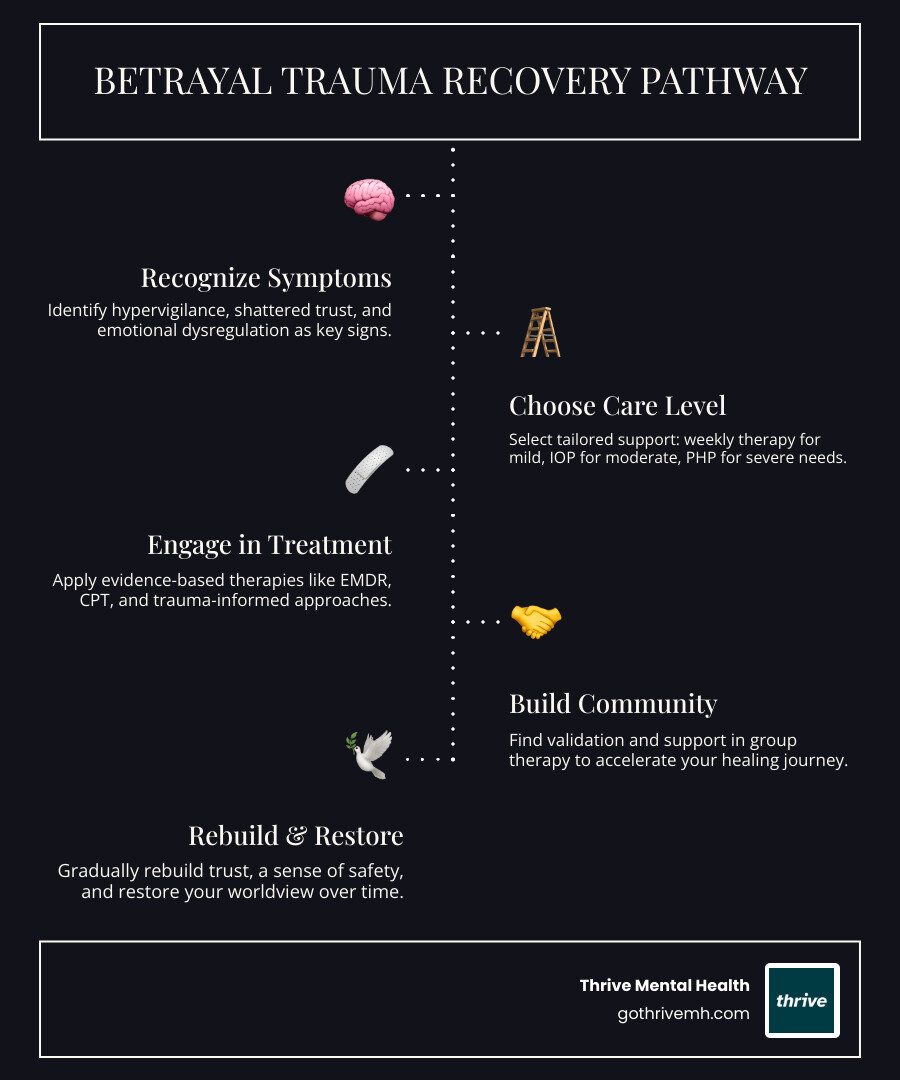
Note: This guide focuses on adult betrayal trauma recovery. If you’re experiencing thoughts of self-harm or suicide, call/text 988 immediately. You deserve support right now.
Similar topics to What are the best online therapy services that offer structured programs for dealing with betrayal trauma?:
Is It Betrayal Trauma? Signs You Need More Than Weekly Therapy
Betrayal trauma shatters trust and leaves you feeling lost. It’s not like other traumas, your world flips overnight. If you’re stuck in pain, you need a clear, proven path out. This guide shows how structured online therapy can help you heal, faster, safer, and from home.
Betrayal trauma hits when someone you trust, partner, parent, or institution, breaks that trust. It’s not just emotional: it rewires your brain, triggers anxiety, and can wreck your health. Betrayal trauma is a distinct form of trauma resulting from the violation of trust in a significant relationship, whether from infidelity, a parent’s abandonment, or institutional abuse. It uniquely damages your ability to trust, regulate emotions, and feel safe, even in your own body.
Key signs that someone might need professional help for betrayal trauma include:
- Constant alertness (hypervigilance): Feeling on edge, constantly scanning for threats, or an inability to relax. This can lead to exhaustion and a persistent sense of unsafety.
- Mood swings, anger, or numbness: Experiencing intense emotional highs and lows, unexplained outbursts of anger, or a profound sense of detachment and emotional numbness.
- Trouble trusting anyone: Struggling to trust not only the betrayer but also others in your life, and even yourself. This can manifest as suspicion, difficulty forming new connections, or withdrawing from existing ones.
- Physical symptoms (sleep, appetite, pain): Betrayal trauma can manifest physically as sleep disturbances (insomnia, nightmares), changes in appetite, chronic pain, digestive issues, or increased susceptibility to illness.
- Intrusive thoughts and flashbacks: Reliving the betrayal through unwanted thoughts, images, or even physical sensations.
- Difficulty with decision-making: Feeling paralyzed or overwhelmed when faced with choices, big or small, due to the shattered sense of security.
- Loss of identity: Questioning who you are, what you believe, and your place in the world after the betrayal.
These symptoms go beyond typical distress; they indicate a profound impact on your mental and emotional well-being. This is why specialized therapy is crucial. Traditional, biweekly 50-minute therapy sessions may feel sorely inadequate for providing the depth and breadth of care needed for urgent relief from betrayal trauma. When an adult is reeling from the devastating pain of betrayal, a more concentrated, structured approach is often necessary for effective healing. Research indicates that trauma-focused interventions are highly effective, and a structured program can provide the consistent support required to process these complex emotions.
What Are the Best Online Therapy Services for Betrayal Trauma?

There’s no one-size-fits-all solution when it comes to what are the best online therapy services that offer structured programs for dealing with betrayal trauma. The best program matches your needs, intensity, schedule, and insurance. For those struggling with the profound impact of betrayal, specialized online therapy services are emerging as a powerful ally. These services offer custom approaches and a safe, accessible space to steer the complex emotions tied to betrayal and gradually mend the wounds.
Thrive Mental Health offers virtual Intensive Outpatient (IOP) programs for adults and young professionals in Florida. Our programs combine clinical expertise, flexible scheduling, and measurable results, designed for people who need more than once-a-week therapy but less than inpatient care.
Levels of care we offer:
- Weekly Therapy & Psychiatry: Typically 30-60 minute sessions, best for mild symptoms or ongoing maintenance after more intensive care. This can be a good starting point or a long-term support system.
- Intensive Outpatient (IOP): This level of care provides 9-12 hours per week of treatment, typically including group therapy, individual therapy, and skills training. IOP is ideal for moderate-to-severe symptoms that interfere with daily life but do not require 24/7 supervision. It offers a concentrated healing experience, allowing for faster progress than weekly sessions.
- Partial Hospitalization (PHP): PHP programs offer the highest level of support outside of inpatient care, with 20+ hours per week of structured therapy. This is for individuals with severe symptoms who need daily structure and intensive support to stabilize and heal. If you need this level of care, our team can help you find the right program.
- Messaging & Support: Many online platforms, including components of our programs, offer between-session support through messaging or other digital tools, providing ongoing accountability and connection when you need it most.
Intensive therapy programs, like our IOP, differ significantly from traditional online therapy. While a one-day intensive session might offer six hours of one-on-one therapy, and a two-day intensive might include 12 hours, our structured programs provide this level of engagement consistently over weeks or months. This sustained, multi-faceted approach allows for deeper processing and skill-building, which is essential for complex trauma like betrayal. These programs are not a substitute for inpatient care but provide comprehensive support in an outpatient setting, making them accessible from the comfort of your home in Florida.
How to Find the Right Betrayal Trauma Specialist Online
Navigating the landscape of online therapy can feel overwhelming, especially when you’re already reeling from betrayal. When choosing an online therapist or service for betrayal trauma, several factors should be at the forefront of your mind.
Therapy directories can help you filter by trauma type and credentials, but not all therapists are trained in betrayal trauma. It’s vital to ensure the provider or program has specific expertise in this area.
Key questions to ask before booking:
- Do you specialize in betrayal trauma? Look for therapists who specifically list betrayal trauma, infidelity trauma, or complex trauma as their areas of expertise.
- What evidence-based methods do you use? Inquire about therapeutic modalities like EMDR, CPT, or trauma-informed therapy, which are proven to be effective for trauma.
- Are you licensed in Florida? Ensure the therapist is licensed to practice in Florida, where you reside, for legal and ethical reasons.
- Do you accept my insurance (Cigna, Optum, Florida Blue, etc.)? Understanding the cost and insurance coverage upfront is crucial. Many plans cover virtual IOP/PHP, but verification is always recommended.
- What’s your experience with my specific background (LGBTQIA+, BIPOC, religious trauma)? Betrayal trauma can intersect with identity. For instance, individuals from 2SLGBTQIA+ or BIPOC communities may experience identity-based trauma, and survivors of religious trauma (abuse at the hands of a religious leader or perpetrated in the name of religion) need specialized, affirming care. Our programs prioritize cultural competence and affirming care to ensure you feel seen and understood.
When assessing the effectiveness and safety of online therapy services for betrayal trauma, look for transparency regarding therapeutic approaches, therapist credentials, and client testimonials. Reputable services will clearly outline their treatment philosophies and the qualifications of their team.
The benefits of using dedicated online therapy platforms, especially for structured programs like ours, often outweigh relying solely on therapy directories. Dedicated platforms offer a curated network of specialists, integrated technology for sessions and communication, and often a more streamlined intake process. While directories provide a broader search, dedicated platforms ensure a higher standard of care and support specifically designed for intensive treatment.
What Makes IOP & PHP Programs So Effective for Betrayal Trauma?

Betrayal trauma impacts the brain’s ability to process safety and trust. It can leave you feeling constantly on edge, struggling with emotional regulation, and questioning your reality. This isn’t something that can typically be resolved in a single weekly session. Our virtual Intensive Outpatient (IOP) programs are designed to address these deep-seated issues head-on.
Why IOP/PHP works for betrayal trauma:
- Multiple hours/week = faster progress: Unlike traditional weekly therapy, which can feel like a slow drip when you need a flood of support, our IOP programs provide a concentrated amount of therapeutic engagement. This allows for deeper processing, quicker skill acquisition, and accelerated healing. This intensity helps individuals move through the stages of healing more efficiently, building a foundation of safety, honesty, truth, and respect.
- Group + individual therapy = more support: Our programs integrate both individual and group sessions. Individual therapy offers a private space to explore personal experiences and receive custom guidance, while group therapy provides invaluable peer support and a sense of community, reducing isolation.
- Skills-based learning = real-life change: We focus on teaching practical coping strategies and emotional regulation techniques that you can apply immediately to your daily life. This includes developing grounding skills, boundary work, and tools for managing trauma triggers, empowering you to create a new future and hope after betrayal.
- Virtual access = no travel, more privacy: Delivered virtually in Florida, our programs eliminate the need for travel, making consistent attendance easier. This also provides a sense of privacy and comfort, allowing you to engage in deep healing from a safe environment.
Our virtual IOP programs are designed to provide a comprehensive, multi-faceted approach to healing. They offer a structured pathway to simplify the complex and overwhelming process of recovering from betrayal trauma, acting as a ‘life raft experience’ for those who feel exhausted, emotional, distracted, and paralyzed by their pain.
More info: Thrive’s virtual IOP programs
 7 Amazing Ways to Find Tempe, AZ MH for Young ProfessionalsMental Health
Evidence-Based Therapies That Actually Heal Betrayal Trauma
Healing from betrayal trauma requires more than just talking about what happened. It demands specialized, evidence-based approaches that target the neurological and psychological impacts of the trauma. Our programs at Thrive Mental Health integrate these proven methods to help you move from survival to thriving.
Proven methods used in Thrive’s programs:
- Trauma-Informed Care (TIC): This foundational approach recognizes the widespread impact of trauma and understands potential paths for recovery. It involves creating a safe environment, building trustworthiness, fostering peer support, collaborating with clients, empowering them, and addressing cultural, historical, and gender issues. It’s about understanding how trauma affects behaviors, thoughts, and mental health, ensuring we never re-traumatize.
- Eye Movement Desensitization and Reprocessing (EMDR): EMDR is a highly effective therapy for trauma. It helps individuals process distressing memories and reduce their emotional impact, often by using bilateral stimulation (like eye movements). By engaging both sides of the brain, EMDR helps to reprocess traumatic events, reducing the vividness and emotional charge of the memories.
- Cognitive Processing Therapy (CPT): CPT focuses on helping you identify and challenge unhelpful thoughts and beliefs related to the trauma. After betrayal, it’s common to develop negative thoughts about yourself, others, or the world. CPT helps you re-evaluate these thoughts and develop more balanced perspectives, leading to reduced symptoms of PTSD and depression.
- Cognitive Behavioral Therapy (CBT): While not exclusively trauma-focused, CBT is often adapted for trauma (TF-CBT). It helps you identify and change negative thought patterns and behaviors that contribute to your distress. For betrayal trauma, CBT can help manage anxiety, depression, and anger by teaching coping skills and reframing distorted thoughts.
- Internal Family Systems (IFS): IFS views the mind as being composed of various “parts” that interact like a family. In trauma, certain parts may become burdened or protective. IFS helps you access your core “Self” (which is compassionate and wise) to heal these parts, fostering internal harmony and resilience.
- Somatic Experiencing: This therapy focuses on the body’s response to trauma. It helps release stored traumatic energy that can manifest as physical symptoms, tension, or chronic pain. Somatic Experiencing guides you to notice bodily sensations and complete the “fight, flight, or freeze” responses that may have been interrupted during the traumatic event, helping to regulate the nervous system.
These modalities go beyond just talking; they are designed to actively rewire your brain, rebuild trust in yourself and others, and restore your fundamental sense of safety and self. By offering these therapies within our structured IOP programs, we provide a powerful, comprehensive path to healing.
Checklist: How to Choose the Right Online Betrayal Trauma Program
Choosing the right online program for betrayal trauma is a critical step towards healing. With so many options available, it’s important to be discerning. Here’s a checklist to guide you in selecting a program that truly meets your needs:
What to look for:
- Specialization in betrayal trauma: Ensure the program explicitly focuses on or has extensive experience with betrayal trauma. General trauma therapy may not fully address the unique complexities of trust violation.
- Licensed, experienced therapists (LCSW, LMFT, PhD): Verify the credentials and experience of the therapists. Our team comprises highly qualified professionals dedicated to evidence-based care.
- Program structure (IOP, PHP, weekly): Determine the level of intensity you need. For significant betrayal trauma, structured programs like our IOP (9-12 hours/week) or a PHP (20+ hours/week) are often more effective than weekly sessions.
- Insurance accepted (Cigna, Optum, Florida Blue, etc.): Financial accessibility is key. Confirm that the program accepts your insurance plan. We work with many major providers to make our programs accessible.
- Cultural competence (LGBTQIA+, BIPOC, religious trauma): Seek programs that demonstrate an understanding of and provide affirming care for diverse backgrounds. Healing is deeply personal and cultural.
- Flexible scheduling (evenings, weekends): Online programs should offer flexibility to fit into your life, especially if you have work or family commitments. Our virtual IOP programs include evening options.
- Virtual or hybrid options in Florida: Ensure the service is legally available and accessible where you live in Florida.
Verify your insurance coverage now to understand your options and take the first step towards healing.
The Power of Group Therapy: Why Community Heals Faster
One of the most insidious effects of betrayal trauma is the feeling of profound isolation. You might feel like no one understands, or even worse, that you’re to blame. This isolation makes healing incredibly difficult. This is where the power of group therapy shines, especially in a structured online program.
Isolation makes betrayal trauma worse. Group therapy gives you a unique environment to heal:
- Validation (“I’m not alone”): Hearing others share similar experiences can be profoundly validating. It dismantles the shame and secrecy, confirming that your feelings are normal reactions to an abnormal situation. This shared understanding is a crucial step in healing.
- Real feedback and support: In a safe, facilitated group setting, you receive constructive feedback and unwavering support from peers who truly ‘get it.’ This community helps you process your trauma without judgment and offers diverse perspectives on coping and recovery.
- Practice rebuilding trust: Group therapy provides a microcosm of the outside world, offering a safe space to practice setting boundaries, communicating needs, and tentatively rebuilding trust with others. This can be a vital step before re-engaging with other relationships in your life.
- Faster healing, studies show group therapy accelerates PTSD recovery: Research consistently demonstrates the efficacy of group psychotherapy for post-traumatic stress disorder (PTSD), a condition often co-occurring with betrayal trauma. A meta-analysis found that group support significantly reduces PTSD symptoms, highlighting its role in accelerating recovery.
Our structured IOP programs integrate group therapy as a core component, recognizing its immense value. This allows us to facilitate a powerful community experience for individuals across Florida, fostering connection and collective healing.
Research: Group therapy for trauma
Learn more about Thrive’s group therapy options
FAQs: Online Betrayal Trauma Therapy
How long does it take to heal from betrayal trauma?
There’s no set timeline for healing from betrayal trauma. It’s a deeply personal journey. However, most people engaging in structured IOP programs like ours often see significant progress in weeks or months, experiencing reduced symptoms and improved coping. Full healing takes time and consistent effort, so focus on progress, not perfection.
Can online therapy help with severe betrayal trauma?
Absolutely. Virtual IOP/PHP programs are specifically designed to deliver the same intensity and expert care as in-person programs, but without the logistical challenges of travel. This makes them highly effective for severe betrayal trauma, providing comprehensive support, evidence-based therapies, and a structured environment for healing.
Does insurance cover online betrayal trauma therapy?
Many insurance plans, including major providers like Cigna, Optum, and Florida Blue, offer coverage for virtual IOP/PHP programs. We encourage you to verify your benefits directly with your provider or through our hassle-free insurance check process to understand your coverage.
What if my partner was the one who betrayed me?
Your healing comes first. While reconciliation may be a goal for some, it’s not the primary focus of individual betrayal trauma therapy. Your partner may need their own therapy to address their actions and underlying issues, but you cannot force their healing. Our programs prioritize your well-being, helping you rebuild trust in yourself and establish safety, regardless of your partner’s actions.
How do I find a therapist who understands my background?
Finding a culturally competent and affirming therapist is crucial. When seeking support, look for programs (like Thrive Mental Health) that explicitly state their commitment to diversity and inclusion. During your intake, you can also inquire about therapists with experience in specific areas such as LGBTQIA+ affirming care, BIPOC-focused therapy, or religious trauma. Our goal is to connect you with a therapist who truly understands your unique context.
Summary: Why Structured Online Therapy Is the Fastest Path Out of Betrayal Trauma
Betrayal trauma is devastating, but you don’t have to stay stuck. We understand the profound impact of broken trust and the urgent need for effective healing. Structured online programs, such as Thrive Mental Health’s Intensive Outpatient (IOP) programs, offer a comprehensive and accelerated path to recovery. We provide expert care, integrate evidence-based therapies like EMDR and CPT, and foster a supportive community through group sessions. With insurance coverage and flexible virtual scheduling available in Florida, we make healing accessible and effective. Don’t wait, every week you delay is another week in pain. Take control of your healing journey today.
Ready for support? Thrive offers virtual IOP programs with evening options. Verify your insurance in 2 minutes (no obligation) → Start benefits check or call 561-203-6085. If you’re in crisis, call/text 988.
If you’re in crisis, call/text 988 right now. You are not alone.
Internal Links:
- Thrive IOP Programs
- Verify Insurance
- Virtual Therapy Services
- Related Blog: How to Choose the Right Virtual IOP for Trauma Recovery

This article is for informational purposes only and is not a substitute for individualized clinical advice or insurance verification.