






Feeling burned out, anxious, or simply stuck is increasingly common for adults and young professionals across Florida, California, Indiana, Arizona, and South Carolina. Many are juggling demanding careers, family responsibilities, and constant stress, making it hard to know where to turn.
Dual disorders occur when mental health and substance use challenges happen together, often making symptoms more complex and harder to manage alone. Integrated programs like Intensive Outpatient Programs (IOP) offer structured support, combining therapy, medication management, and peer connection. In California and other states, virtual IOP delivers the same evidence-based care online, making help more accessible and confidential.
If you are ready for a personalized, accredited approach, you can check your eligibility or speak privately with a care coordinator, no obligation and your privacy is always protected.
Understanding Dual Disorders: Definitions and Prevalence
Feeling overwhelmed by burnout, anxiety, or being stuck is increasingly common, especially for adults and young professionals in Florida, California, Indiana, Arizona, and South Carolina. These struggles can be even more complicated when mental health and substance use issues occur together. Understanding dual disorders is the first step toward finding effective, structured care like mental health IOP or virtual IOP in California.

What Are Dual Disorders?
Dual disorders, also known as co-occurring disorders or dual diagnosis, refer to the presence of both a mental health condition and a substance use disorder in the same individual. These conditions interact in complex ways, often making symptoms more severe and harder to treat. It is important to know that neither disorder necessarily causes the other, but they can influence each other’s progression.
Unlike single-diagnosis conditions, dual disorders involve overlapping symptoms, which can make it challenging to separate mental health issues from substance use effects. For example, a person might experience major depressive disorder alongside alcohol use disorder, with each condition making the other harder to manage. Research shows that about 50 percent of people with substance use disorders also have a mental health disorder, highlighting how common dual disorders are.
Common Combinations and Examples
Dual disorders are highly individual, but certain combinations appear more frequently. Some common pairings include:
- Depression with alcohol use disorder
- PTSD with opioid use disorder
- Bipolar disorder with stimulant addiction
- Schizophrenia with cannabis use disorder
Consider a young professional coping with trauma who develops PTSD and begins using opioids to self-medicate, or someone with bipolar disorder who relies on stimulants to manage energy swings. These scenarios show the complexity of dual disorders, as symptoms often overlap and mask each other. Because each case is unique, personalized care plans are essential for effective recovery.
Prevalence and Trends in 2026
The number of people living with dual disorders continues to rise. In 2023, an estimated 20.4 million U.S. adults had a dual diagnosis. Increased awareness, improved reporting, and lessening stigma have brought these issues into the open. The trend is especially notable among young professionals and those in high-stress jobs.
States like California, Florida, Indiana, Arizona, and South Carolina are seeing higher rates, reflecting broader national patterns. According to the Prevalence of co-occurring disorders in the U.S., these numbers are expected to grow, making specialized, integrated care more important than ever as we approach 2026.
Impact on Individuals and Families
The effects of dual disorders reach far beyond the individual. Work performance, relationships, and daily routines often suffer. Emotional challenges such as burnout, anxiety, and isolation can intensify as symptoms worsen. There is also a higher risk of relapse, hospitalization, and long-term health complications.
Families and support systems may feel overwhelmed by the unpredictable nature of dual disorders. Early recognition and intervention are crucial for reducing this burden and helping everyone involved move toward stability and recovery.
Recognizing Symptoms and Root Causes
Feeling overwhelmed, anxious, or stuck is more common than you might think, especially for professionals in high-pressure environments. Many adults in Florida, California, Indiana, Arizona, and South Carolina are seeking answers about dual disorders and how intensive outpatient programs (IOP) or virtual IOP in California can help. Understanding what to look for is the first step toward effective support and personalized care.

Signs and Symptoms of Dual Disorders
Recognizing dual disorders starts with understanding how symptoms can blend and mask each other. Substance use disorders often show up as:
- Withdrawal symptoms when not using
- Risky behaviors or poor decision-making
- Building a tolerance, needing more to feel effects
- Relying on a substance to manage daily life
Mental health symptoms may include:
- Mood swings or persistent sadness
- Irritability and frequent frustration
- Difficulty concentrating or confusion
- Pulling away from friends or family
- Thoughts of self-harm or suicide
Often, these symptoms overlap. For example, someone might use alcohol to cope with anxiety, only to find their mood and decision-making worsen. In a mental health IOP or virtual IOP setting, professionals are trained to spot these patterns and provide targeted support for dual disorders.
Underlying Causes and Risk Factors
Dual disorders rarely have a single cause. Genetics can play a major role, making some people more vulnerable to both mental health and substance use challenges. Environmental factors matter, too, trauma, ongoing stress, or difficult childhood experiences can increase risk.
Many individuals turn to substances as a way to self-medicate, hoping to ease anxiety, sadness, or stress. Over time, this can change brain chemistry, making it even harder to break the cycle. For instance, using alcohol to calm nerves may eventually lead to dependency and deeper emotional struggles. Recognizing these root causes is vital for anyone considering a mental health IOP or exploring virtual IOP in California.
How One Disorder Can Worsen the Other
Dual disorders often create a cycle that is tough to break. Substance use can make mental health symptoms more intense, while untreated mental health issues push individuals to use substances more often. This feedback loop can quickly spiral, causing both conditions to worsen together.
Effective care means treating both aspects at the same time. According to Integrated treatment for co-occurring disorders, addressing both conditions with structured, evidence-based approaches, like those found in IOP or virtual IOP programs, leads to better outcomes. This integrated approach gives adults and professionals the best chance at long-term recovery and stability.
Barriers to Recognition and Diagnosis
Many people with dual disorders face obstacles before they even reach a provider. Stigma and denial can prevent honest conversations about symptoms. Because signs often overlap, even experienced doctors can misdiagnose or overlook dual disorders.
Some providers lack specialized training in identifying both mental health and substance use patterns. Professionals and high-profile individuals may worry about privacy or job security, making them less likely to seek help. Comprehensive assessments in a confidential mental health IOP or virtual IOP setting are essential for accurate diagnosis and effective care.
If you recognize any of these signs in yourself or a loved one, reaching out for a confidential assessment could be the most important step. Thrive offers personalized guidance and no-obligation eligibility checks, your privacy and well-being come first.
Diagnosis: How Dual Disorders Are Identified in 2026
Feeling overwhelmed, anxious, or stuck is all too common for adults and young professionals seeking mental health IOP in Florida, California, Indiana, Arizona, and South Carolina. Getting the right diagnosis for dual disorders is the first step toward effective, lasting recovery. In 2026, the process is more advanced, accessible, and supportive than ever before.

Modern Diagnostic Approaches
Diagnosing dual disorders in 2026 starts with integrated screening tools that assess both mental health and substance use patterns. Providers use structured interviews and digital questionnaires to gather a full picture of your symptoms, history, and daily challenges.
Telehealth options have expanded, making it easier for busy adults and professionals in California and beyond to complete confidential assessments from home. Many programs, including Intensive Outpatient Programs (IOP), use dual assessment protocols at intake. If you want to understand how IOPs support this process, the Intensive Outpatient Programs Guide offers a detailed overview.
Virtual IOP in California now provides real-time access to licensed clinicians and peer support, ensuring that no detail is overlooked and that privacy is respected. Honesty during these assessments is essential to identify dual disorders accurately and develop the right care plan.
Challenges in Diagnosing Dual Disorders
Identifying dual disorders can be complex. Symptoms of substance use and mental health conditions often overlap or mask each other, leading to missed or delayed diagnoses. For instance, substance use may mimic depression or anxiety, making it difficult to determine what is causing specific symptoms.
Some individuals may minimize their use or avoid sharing certain details due to stigma or privacy concerns. This is especially true for professionals who worry about confidentiality. Providers now use multidisciplinary teams and observe patients over time, increasing the accuracy of dual disorders diagnoses.
Longitudinal evaluation and collaboration between psychiatrists, therapists, and medical professionals help ensure that each layer of your experience is understood. This approach reduces the risk of misdiagnosis and leads to more effective, personalized treatment.
The Role of Comprehensive Assessments
A comprehensive assessment for dual disorders goes beyond a simple questionnaire. Providers evaluate your medical, psychological, and social history to identify patterns and risk factors. Standardized interviews, lab screenings, and family input are often included for a full understanding.
Clinicians look for both visible and subtle signs of mental health and substance use issues. They consider your work environment, relationships, and past experiences. Physical health checks are integrated, as underlying medical conditions can influence symptoms.
This thorough approach ensures that dual disorders are not missed or misinterpreted. It also helps tailor treatment to your unique needs, making recovery more achievable and sustainable.
The Value of Early and Accurate Diagnosis
Getting an early and precise diagnosis for dual disorders can transform your recovery journey. Timely intervention lowers the risk of relapse, hospitalization, and worsening symptoms. When both conditions are addressed together, treatment plans become more effective and aligned with your goals.
For many, a correct diagnosis leads to enrollment in the right level of care, such as IOP or PHP, which offer structure and support without disrupting daily life. Early recognition empowers you to take control, involve loved ones, and access resources designed for dual disorders.
If you are experiencing burnout, anxiety, or feel unsure where to start, reaching out for a confidential assessment is a vital first step. Thrive Mental Health provides accredited care tailored to your situation, with no obligation and full respect for your privacy.
Evidence-Based Treatment Strategies for Dual Disorders
Feeling burned out, anxious, or stuck is common for many adults and young professionals in Florida, California, Indiana, Arizona, and South Carolina. When these feelings persist alongside substance use, it can signal dual disorders, a challenge that needs specialized support. Fortunately, evidence-based strategies offer hope and a clear path forward. Whether you are seeking flexible options like virtual IOP or need in-person care, understanding your choices is the first step toward lasting recovery.
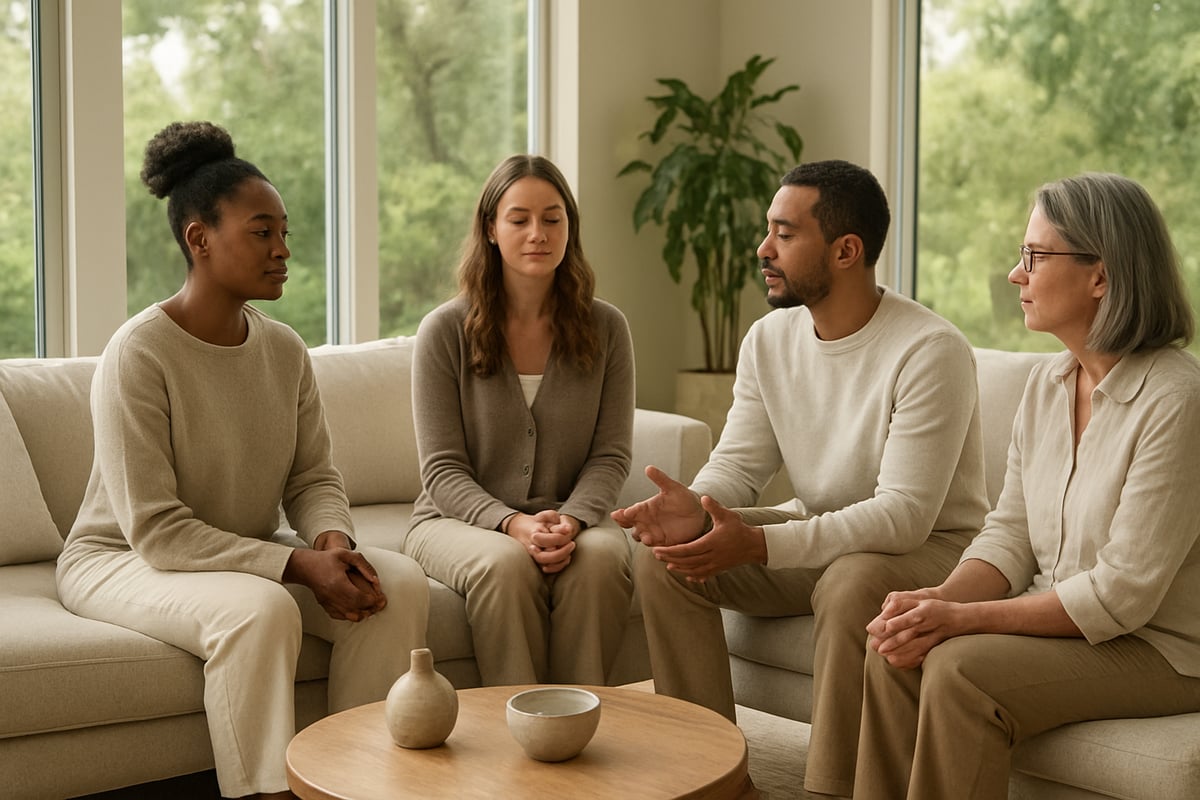
Integrated Care: Why Simultaneous Treatment Matters
Managing dual disorders requires an integrated approach. Treating mental health and substance use issues at the same time is critical. When care is split or delayed, the risk of relapse and ongoing distress increases.
Studies show that about 50 percent of people respond better to integrated care compared to separate treatment. This approach builds stability, helps prevent setbacks, and supports long-term recovery. For those navigating virtual IOP or in-person programs in California and beyond, integrated care means your needs are addressed holistically, not in isolation.
Behavioral Therapies: CBT, DBT, and More
Behavioral therapies form the foundation of treatment for dual disorders. Cognitive Behavioral Therapy (CBT) helps individuals identify and change negative thought patterns that drive both substance use and mental health struggles. Dialectical Behavior Therapy (DBT) teaches skills for regulating emotions and reducing self-harm.
Other therapy options include experiential, art, and music therapy, which provide creative outlets for healing. For example, CBT can reduce depression and cravings, while DBT offers tools for coping with stress. These therapies are available in both in-person and virtual IOP settings, supporting individuals wherever they are.
 Php Medical Guide: Your Essential Handbook for 2026Blog
Medication Management in Dual Disorders
Medication management is often a key part of recovery from dual disorders. Psychiatrists may prescribe medications to stabilize mood, reduce anxiety, or manage cravings. For instance, bupropion can address both depression and nicotine dependence.
Careful monitoring is essential to avoid side effects or interactions. Collaboration between psychiatrists and therapists ensures safe, effective care. In virtual IOP or in-person programs, medication management is woven into the overall treatment plan, helping individuals stay on track and maintain progress.
Support Groups and Peer Recovery
Peer support is a powerful resource for those facing dual disorders. Support groups like Dual Recovery Anonymous, SMART Recovery, and traditional 12-step programs offer a community of understanding peers.
Sharing experiences reduces isolation and builds hope. Family support groups also play a vital role, helping loved ones learn and grow together. Whether in-person or online, these groups promote accountability and connection, which are essential for lasting change.
Intensive Outpatient Programs (IOP) and Partial Hospitalization Programs (PHP)
Intensive Outpatient Programs (IOP) and Partial Hospitalization Programs (PHP) offer structured, comprehensive care for dual disorders. IOP provides therapy, medication management, and support several days a week, allowing you to maintain work or school commitments.
PHP offers more intensive support, often as a step-down from inpatient care. Both options are available virtually or in person, making them accessible for busy adults and young professionals. Research confirms the effectiveness of IOP and PHP, especially for those balancing high-stress careers in states like California and Florida.
Virtual IOP in California and Beyond: Accessibility and Effectiveness
Virtual IOP brings evidence-based treatment for dual disorders into your home. Through teletherapy, group sessions, and digital resources, you receive the same high-quality care as in-person programs. Privacy and confidentiality are protected by law and program protocols.
Many wonder if virtual care is as effective. Studies show outcomes are comparable, with added convenience for those in remote areas or juggling full schedules. Insurance often covers virtual IOP, reducing financial barriers. To learn more about how virtual IOP works and its benefits, explore this Virtual IOP Programs Information.
Thrive Mental Health: Personalized, Accredited Dual Disorder Care
Thrive Mental Health specializes in dual disorders with accredited virtual IOP. Using therapies like CBT, DBT, and experiential modalities, Thrive builds personalized plans for each client.
Flexible scheduling supports busy adults and professionals across California, Florida, Indiana, Arizona, and South Carolina. Thrive is insurance-friendly and offers rapid onboarding within 24 hours, always prioritizing confidentiality. If you are ready to check eligibility or speak with a care coordinator, reach out today. There is no obligation, just a supportive path forward.
Steps to Manage Dual Disorders: A 2026 Guide
Feeling burned out, anxious, or stuck is increasingly common, especially for adults and young professionals in Florida, California, Indiana, Arizona, and South Carolina. If you or someone you care about is struggling with dual disorders, know that you are not alone, and effective help is available. Managing dual disorders requires a thoughtful, step-by-step approach, blending self-awareness, professional support, and evidence-based care. Here is a practical guide to taking confident action toward recovery.
Step 1: Recognize the Signs and Reach Out
The first step in managing dual disorders is noticing patterns in your mood, behaviors, and substance use. If you are experiencing frequent anxiety, low motivation, mood swings, or find yourself relying on substances to cope, these may be signs of dual disorders.
Self-awareness is powerful. There is no shame in seeking help early. Start a conversation with a trusted provider or a loved one about your concerns. Remember, privacy is protected by law, and reaching out is a sign of strength, not weakness.
Step 2: Get a Comprehensive Assessment
A thorough assessment is essential for understanding dual disorders and tailoring treatment to your needs. Expect a combination of medical, psychiatric, and substance use evaluations, often including interviews, questionnaires, and discussions about your history.
Be open and honest about your symptoms, even if it feels uncomfortable. Family input and medical records can help ensure nothing is overlooked. Choose a provider or program with experience in dual disorders for the most accurate diagnosis and effective care.
Step 3: Choose the Right Level of Care
Dual disorders require different levels of support depending on severity and lifestyle. Outpatient care offers regular therapy visits, while Intensive Outpatient Programs (IOP) provide structured therapy and support several days a week. Mental health IOP is ideal for those who need more than occasional therapy but want to maintain work or school commitments.
Virtual IOP in California and other states allows you to attend group and individual sessions from home. This approach is flexible and private, addressing common concerns about time, effectiveness, and confidentiality. Insurance often covers both in-person and virtual options, making care accessible.
Step 4: Engage in Integrated Treatment
Integrated treatment is the cornerstone of managing dual disorders. This means addressing both mental health and substance use together, not separately. Participating in individual, group, and family therapy, along with medication management if needed, can significantly improve outcomes.
Evidence-based therapies, such as Cognitive Behavioral Therapy (CBT), target both thought patterns and behaviors. Learn more about the benefits in this Cognitive Behavioral Therapy Overview. Your care team will help you build a structured, personalized recovery plan, ensuring ongoing support and accountability.
Step 5: Build a Support Network
Recovery from dual disorders is strengthened by community and connection. Involve family, friends, and supportive peers in your journey. Join support groups, such as Dual Recovery Anonymous or SMART Recovery, to share experiences and reduce isolation.
Stay connected with your care team and use digital tools to maintain regular check-ins. Building a strong network provides encouragement, practical help, and motivation for lasting change.
Step 6: Plan for Relapse Prevention and Long-Term Success
Long-term success with dual disorders involves preparation and ongoing care. Learn to recognize triggers and early warning signs of relapse. Develop coping strategies and an emergency plan with your provider.
Regular follow-up appointments and aftercare programs support stability. Embrace self-care habits, celebrate milestones, and adjust your plan as needed. If you are ready to take the next step, consider checking your eligibility or speaking with a confidential care coordinator, there is no obligation, just support.
Overcoming Barriers: Stigma, Privacy, and Access to Care
Feeling overwhelmed by burnout, anxiety, or being “stuck” is more common than most realize, especially for adults and young professionals balancing demanding schedules in California, Florida, Indiana, Arizona, and South Carolina. If you or someone you care about is exploring mental health IOP or virtual IOP, understanding and overcoming the barriers to dual disorders care is crucial for progress.
Addressing Stigma and Misconceptions
Stigma remains a formidable barrier for people seeking treatment for dual disorders. Many individuals fear being judged or misunderstood, which can delay or prevent them from accessing effective care. Common myths, such as “dual disorders are a personal failing” or “you just need more willpower,” persist even today.
In reality, dual disorders are medical conditions requiring specialized attention. Stigma not only fuels isolation but also makes it harder for families to have open conversations. According to recent behavioral health data on dual diagnosis, increased awareness and education are helping to reduce these misconceptions, but more progress is needed. Overcoming stigma means recognizing that seeking help is a sign of strength, not weakness.
Ensuring Privacy and Confidentiality
Privacy is a top concern for many considering dual disorders treatment, especially among professionals and those in high-profile roles. Both virtual IOP and in-person programs are required by law to maintain strict confidentiality. Federal and state regulations, such as HIPAA, protect your health information at every stage of care.
Virtual IOP in California and beyond uses secure platforms for therapy and group sessions, ensuring that your identity and personal details remain confidential. Providers are trained to address privacy concerns directly, giving clients the assurance they need to participate fully in their treatment. Knowing your privacy is protected can reduce anxiety about reaching out for help.
Navigating Insurance and Financial Concerns
Understanding how insurance covers dual disorders treatment, including IOP and virtual IOP, is essential for many families. Most commercial insurance plans and Medicaid provide some level of coverage for mental health IOP, PHP, and telehealth services.
To minimize out-of-pocket costs:
- Verify your benefits with your provider or through a care coordinator.
- Ask about in-network vs. out-of-network coverage.
- Explore payment plans or sliding scale options if uninsured.
Many programs, including Thrive, offer assistance navigating these questions, so financial barriers do not prevent you from accessing necessary care. Transparency about costs and coverage is key to making informed decisions.
Expanding Access: Virtual and Regional Solutions
Access to dual disorders treatment is expanding rapidly in California, Florida, Indiana, Arizona, and South Carolina through virtual IOP and telehealth options. Virtual IOP allows individuals to participate in structured therapy, medication management, and support groups from the privacy of home, removing transportation and scheduling barriers.
Flexible session times help those balancing work or family commitments. As technology advances, the effectiveness of virtual care continues to match or exceed in-person outcomes for many. Regional providers are increasing availability, making it easier to find accredited, evidence-based care without leaving your community. This progress ensures that more people can begin their recovery journey with confidence and support.
If you’re ready to move forward after learning about dual disorders and the importance of integrated, evidence-based care, you’re not alone. At Thrive Mental Health, we understand how overwhelming it can feel to take that first step, especially when life is already busy and stress levels are high. With personalized treatment plans, flexible scheduling, and options for both virtual and in-person support in California, Florida, Indiana, Arizona, and South Carolina, you can access expert help designed around your needs. Let’s work together to find real solutions and lasting change, Get Started Now.

This article is for informational purposes only and is not a substitute for individualized clinical advice or insurance verification.