






Stop Suffering in Silence: Why Most Adults Wait Too Long for Anxiety Help
What are the most effective treatments for anxiety in adults? The answer is clear: a combination of Cognitive Behavioral Therapy (CBT) and, when needed, medication like SSRIs or SNRIs. Most adults achieve significant relief within weeks to months, but only if they start treatment now.
Quick Answer: Most Effective Anxiety Treatments for Adults
- Cognitive Behavioral Therapy (CBT), Gold standard, teaches lifelong coping skills
- Exposure Therapy, Proven for panic disorder, phobias, social anxiety
- SSRIs/SNRIs, First-line medications (sertraline, escitalopram, venlafaxine)
- Applied Relaxation, Evidence-based for GAD
- Combination Treatment, Therapy + medication = fastest, most lasting results
- Virtual IOP/PHP Programs, Intensive, flexible, insurance-covered care
Anxiety affects more than 40 million adults in the U.S. each year. That’s nearly 1 in 5 people. Yet most wait years before seeking help, suffering through sleepless nights, strained relationships, and lost productivity.
Here’s the truth: You don’t have to white-knuckle your way through anxiety. The treatments that work are proven, accessible, and faster than you think. Whether your anxiety is mild or debilitating, there’s a clear path to relief, and it starts with understanding your options.
This isn’t about quick fixes or one-size-fits-all solutions. It’s about evidence-based care custom to your life. At Thrive Mental Health, we’ve helped thousands of adults in Florida break free from anxiety using virtual and in-person IOP programs that fit your schedule and are covered by major insurance (Cigna, Optum, Florida Blue, and more).
I’m Nate Raine, CEO of Thrive Mental Health. Over the past decade, I’ve built behavioral health programs integrating cutting-edge research with real-world results. I’ve seen what are the most effective treatments for anxiety in adults, and I’m here to give you the straight, data-backed answer so you can take control.
Let’s break down what works, what doesn’t, and how to get started today.
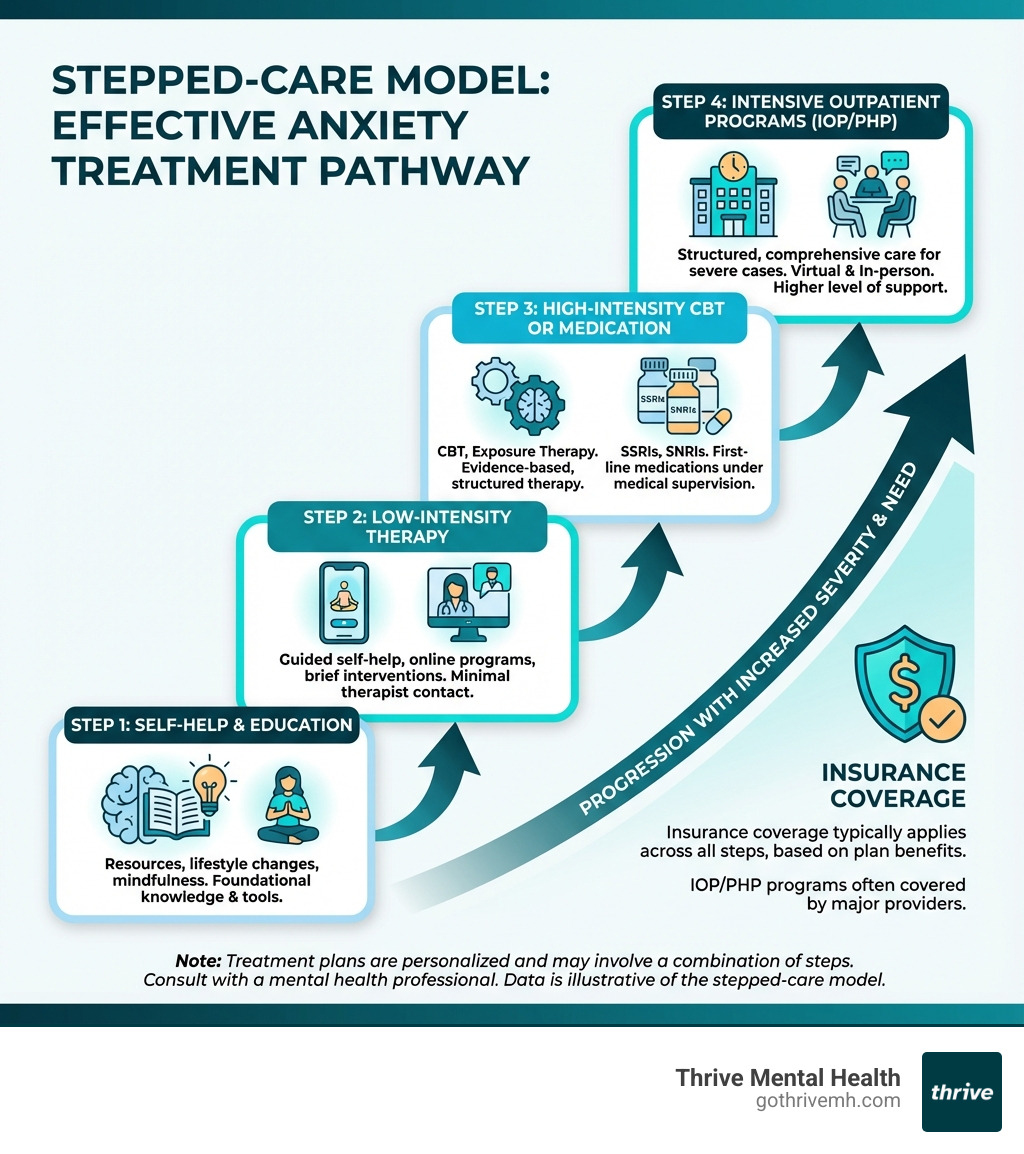
Simple guide to What are the most effective treatments for anxiety in adults?:
- How Can I Stop Anxiety Shakes Immediately?
- Find virtual anxiety support for adults in Florida
- structured anxiety support online programs
Diagnosis: The #1 Step You Can’t Afford to Skip

Before treatment, diagnosis is the crucial first step. A proper diagnosis ensures your treatment plan is customized to your needs. Anxiety is complex, with symptoms that can overlap with other conditions, making a professional assessment essential. The U.S. Preventive Services Task Force (USPSTF) even recommends anxiety screening for all adults up to 65, highlighting the importance of early detection.
Should You See Your PCP or a Thrive Mental Health Specialist?
When anxiety symptoms appear, many start with their primary care provider (PCP), a smart first step. Your PCP can rule out physical health conditions causing your anxiety by performing exams and ordering tests for issues like thyroid problems or vitamin deficiencies.
However, for moderate to severe anxiety, or if your PCP suspects a mental health condition, they’ll likely refer you to a specialist. That’s where Thrive Mental Health comes in. Our team of psychiatrists and psychologists across Florida specializes in diagnosing and treating anxiety disorders.
- PCP: First stop for mild symptoms. Your primary care doctor can conduct initial screenings, like the GAD-7, a seven-item survey used to screen for anxiety. They can also offer basic guidance and referrals.
- Thrive: For moderate/severe anxiety, or if you’re stuck. Our specialists can conduct comprehensive assessments using diagnostic criteria from the DSM-5 (Diagnostic and Statistical Manual of Mental Disorders), the standard reference manual for mental health conditions. They dig into your thoughts, feelings, and behaviors, and inquire about any co-occurring mental health issues like depression or substance misuse. This thorough evaluation ensures an accurate diagnosis, which is the cornerstone of effective treatment.
- Psychiatrist vs. Psychologist: Psychiatrists are medical doctors who can prescribe medication, while psychologists and other licensed mental health professionals provide psychotherapy. At Thrive, we offer integrated care, combining these expertises to provide holistic treatment plans.
The Hidden Dangers of Self-Diagnosing Anxiety
Everyone gets nervous, but it becomes an anxiety disorder when it disrupts your life, your reactions are disproportionate, and you can’t control your responses. Trying to self-diagnose can lead to significant problems:
- Misdiagnosis risks: Symptoms of anxiety can mimic other conditions, or anxiety can co-occur with depression or substance use disorders. An incorrect self-diagnosis can delay effective treatment for the true underlying issue.
- Overlapping symptoms: Irritability, for example, can be a significant symptom of an anxiety disorder that affects relationships and work. Without professional guidance, you might misinterpret these signs or attribute them to other causes.
- Why you need a pro: A mental health specialist can differentiate between various anxiety disorders, ensuring you receive a precise diagnosis and the most appropriate, evidence-based treatment plan. This is crucial because treatments differ based on the specific type of disorder.
- Get a plan that actually works: Untreated anxiety can take a significant toll, progressing to depression, elevating cardiovascular disease risk, worsening pain, and leading to unhealthy coping mechanisms like substance use. A proper diagnosis from a Thrive specialist provides a personalized, effective treatment plan to help you reclaim your life.
Get started with Thrive’s expert assessment today. Research: Anxiety screening saves lives.
Therapy vs. Medication: Which Delivers Faster, Lasting Anxiety Relief?
Therapy, medication, or both? It’s a common question. Both are highly effective, but combining them often yields the fastest, most lasting results for moderate to severe anxiety.
| Feature | Psychotherapy (e.g., CBT) | Medication (e.g., SSRIs/SNRIs) |
|---|---|---|
| Speed of Relief | Gradual, builds skills over weeks to months | Faster symptom reduction, often 2-4 weeks for initial effect |
| Long-Term Results | Teaches coping skills, reduces relapse risk, lasting behavioral change | Effective while taken, relapse possible upon discontinuation |
| Side Effects | May involve temporary discomfort facing fears, emotional processing | Physical side effects (nausea, insomnia, sexual dysfunction), potential withdrawal |
| Best For Whom | All anxiety types, mild to severe, builds resilience | Moderate to severe anxiety, when therapy alone is insufficient, for quicker stabilization |
| Mechanism | Changes thought patterns and behaviors | Balances brain chemistry (neurotransmitters) |
We use a comprehensive approach, integrating the strengths of both therapy and medication for the most effective care. Our evidence-based treatments are covered by major insurance like Cigna, Optum, and Florida Blue, making quality care accessible across Florida.
How Does Therapy Actually Fix Anxiety?
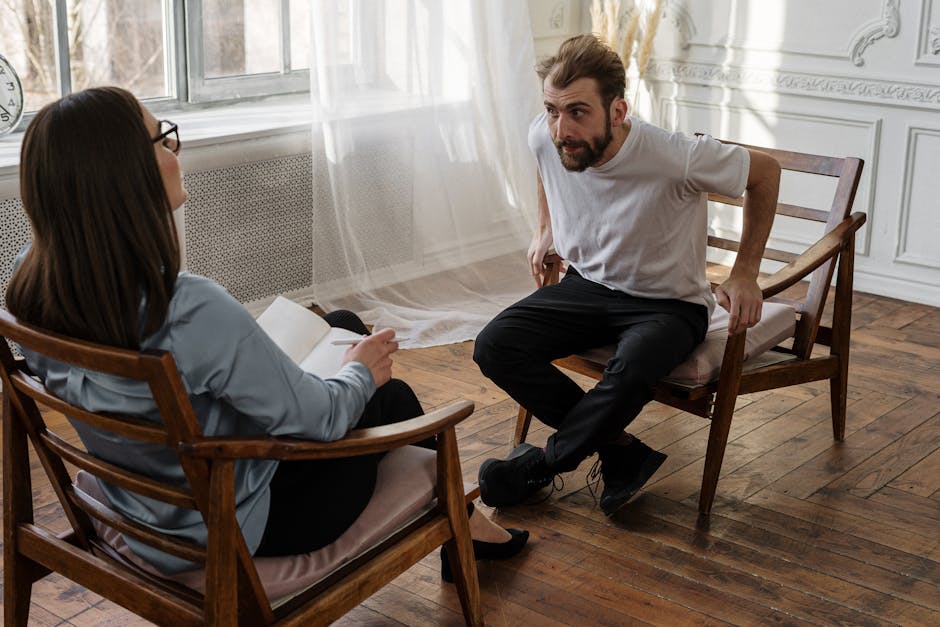
Psychotherapy, or “talk therapy,” is a cornerstone of anxiety treatment. It’s not just talking; it’s learning and applying strategies to change how you think, feel, and react to anxiety.
- CBT: Gold standard. Cognitive Behavioral Therapy is widely regarded as the psychotherapy with the highest level of evidence for treating anxiety disorders. It helps you identify and challenge unhelpful thought patterns and behaviors that fuel your anxiety. For instance, if you tend to catastrophize (thinking the worst will happen), CBT teaches you to reframe those thoughts into more realistic ones. We offer comprehensive Cognitive Behavioral Therapy programs designed to equip you with practical skills.
- Exposure therapy: A key component of behavior therapy, exposure therapy involves gradually and safely confronting the situations or objects you fear and avoid. If you have a specific phobia, for example, your therapist might guide you through imagining the feared situation, then looking at pictures, and eventually experiencing it in real life. This process builds confidence and reduces the power your fears hold. Learn more about Exposure and Response Prevention Therapy.
- Applied relaxation: This technique teaches you to relax your muscles in situations that typically trigger anxiety. It’s particularly effective for Generalized Anxiety Disorder (GAD), helping you manage the physical tension that often accompanies chronic worry.
- How CBT rewires your brain: CBT doesn’t just manage symptoms; it helps you develop new neural pathways. By consistently practicing new ways of thinking and behaving, you literally “rewire” your brain to respond differently to anxiety-provoking stimuli. This leads to lasting change and resilience. For more detail, explore Cognitive Behavioral Therapy: A Deep Dive into How it Battles Anxiety and Depression.
- Real coping skills for life: Our therapy programs focus on teaching you tangible skills, from identifying triggers to practicing mindfulness and deep breathing. These are tools you can use long after treatment ends, empowering you to manage anxiety independently.
What Medications Work Best for Adult Anxiety?
Medication can be a powerful ally in managing anxiety, especially for moderate to severe cases, or when psychotherapy alone isn’t enough. It can help stabilize your mood and reduce the intensity of symptoms, making it easier to engage in therapy and apply coping strategies.
- First-line meds: SSRIs, SNRIs. Selective Serotonin Reuptake Inhibitors (SSRIs) and Serotonin-Norepinephrine Reuptake Inhibitors (SNRIs) are the most commonly prescribed first-line medications for anxiety disorders. They work by balancing key neurotransmitters (serotonin and norepinephrine) in your brain, which play a significant role in mood and anxiety regulation. Psychiatrists often prefer SSRIs due to their fewer side effects and lower risk of dependency compared to other drug classes.
- How they work: These medications don’t “cure” anxiety, but they significantly reduce symptoms like excessive worry, panic attacks, and social avoidance. It typically takes 2 to 4 weeks for the anxiolytic effects to become noticeable, and up to 6 weeks for full effect.
- Common side effects: While generally well-tolerated, SSRIs and SNRIs can have side effects such as nausea, insomnia, sexual dysfunction, and headache, particularly during the initial weeks. Your doctor will discuss these with you and help manage them.
- Buspirone: An anti-anxiety medication that works differently from SSRIs/SNRIs, buspirone can be an option for ongoing management of Generalized Anxiety Disorder, especially if other medications are not suitable.
- Beta-blockers for physical symptoms: While not psychiatric drugs, beta-blockers like propranolol can be used to manage the physical symptoms of anxiety, such as rapid heartbeat, trembling, and sweating. They are often used for situational anxiety, like performance anxiety, but do not address the psychological aspects of anxiety.
- Meds as part of Thrive’s IOP programs: At Thrive Mental Health, medication management is often integrated into our Intensive Outpatient (IOP) programs. Our psychiatrists work closely with your therapists to ensure a coordinated and effective treatment plan. For more information on how medication can support your recovery journey, explore Thrive’s Virtual IOP.
What Are the Most Effective Treatments for Anxiety in Adults? [2024 Data]
The path to effective anxiety treatment isn’t a straight line. What works for one person may not work for another. At Thrive, we reject “one-size-fits-all” solutions. We develop custom plans based on your unique symptoms, life, and preferences.
For mild anxiety, lifestyle changes and online self-help resources might be sufficient. However, for moderate to severe anxiety, psychological therapies, medical treatments, or a combination are almost always recommended. Data from meta-analyses indicate that medication, on average, shows a higher pre-post effect size than psychotherapy, but when combined, psychotherapy and pharmacotherapy have a relatively high effect size (Cohen’s d = 2.12), often leading to the most robust and lasting improvements.
At Thrive, we offer custom programs, including our virtual IOP, designed to address the specific nuances of your anxiety disorder.
Generalized Anxiety Disorder (GAD): What Works Fastest?
Generalized Anxiety Disorder (GAD) is characterized by persistent, excessive worry about various life events. It’s often accompanied by physical symptoms like restlessness, fatigue, difficulty concentrating, irritability, muscle tension, and sleep disturbances.
 7 Amazing Resources for Finding Autism Providers for Adults in SCMental Health
- CBT for worry: Cognitive Behavioral Therapy is highly effective for GAD, teaching you to identify and challenge your worry thoughts, develop problem-solving skills, and learn coping strategies for uncertainty. Techniques like applied relaxation are also beneficial.
- SSRIs/SNRIs: First-line medications like escitalopram, paroxetine, venlafaxine, and sertraline are very effective in alleviating GAD symptoms. They help to reduce the intensity and frequency of worry. Pregabalin is also licensed for GAD and can be an option if SSRIs or SNRIs are not tolerated.
- Lifestyle changes: Incorporating healthy lifestyle habits can significantly complement professional treatment for GAD. This includes regular physical activity, stress management techniques, and prioritizing sleep.
- Thrive’s virtual and in-person options: Our programs in Florida offer structured CBT and medication management specifically for GAD, available both virtually and in our trusted in-person centers.
Panic Disorder & Social Anxiety: How to Break the Cycle
Panic disorder involves recurrent, unexpected panic attacks, often accompanied by persistent worry about future attacks or their consequences. Social anxiety disorder (SAD) is marked by intense fear or anxiety in social situations, leading to avoidance.
- Exposure therapy: This is particularly effective for both panic disorder (especially with agoraphobia) and social anxiety. For panic disorder, it involves confronting physical sensations of panic or feared situations. For SAD, it means gradually facing social situations that trigger anxiety. Our therapists are experts in guiding you through these crucial steps.
- Panic-focused CBT: This specialized form of CBT helps you understand the nature of panic attacks, identify triggers, and learn to manage symptoms through cognitive restructuring and behavioral techniques. Cognitive Behavioral Therapy for Panic Disorder is a key offering at Thrive.
- SSRIs for panic: Antidepressants like sertraline, paroxetine, and venlafaxine are effective for reducing the frequency and severity of panic attacks.
- Social skills training: For social anxiety, alongside exposure, learning and practicing social skills can build confidence in interpersonal interactions.
- Beta-blockers for performance anxiety: For specific social situations like public speaking, beta-blockers can help manage the physical symptoms of anxiety, reducing trembling and rapid heart rate.
- Thrive’s group and individual programs: We offer both individual and group therapy settings designed to address the specific challenges of panic disorder and social anxiety, providing a supportive environment for skill-building and exposure practices in our Florida locations.
Virtual Anxiety Treatment: Does Online Care Really Work?
Can online therapy be as effective as in-person treatment? A growing body of evidence says yes, especially for mild to moderate anxiety. Online e-therapies can be just as effective as face-to-face services, offering crucial convenience and accessibility.
- Online therapy vs. in-person: Online therapy removes geographical barriers and offers flexibility, making it easier to fit treatment into busy schedules. This is a game-changer for many adults who might otherwise delay or forgo treatment due to logistics.
- Thrive’s virtual IOP: We specialize in high-quality, evidence-based virtual Intensive Outpatient (IOP) programs. These offer more intensive care than weekly therapy without the disruption of an inpatient stay. Our programs integrate group therapy, individual sessions, and medication management, all from your home.
- Accessibility: Our virtual programs make expert-led care accessible across Florida, ensuring that you can receive the support you need, regardless of your physical location within the state.
- Flexible scheduling: We understand that adults have work, family, and other commitments. Our programs offer flexible scheduling, including evening options, so you don’t have to choose between your mental health and your daily responsibilities. Explore Thrive’s Virtual Therapy to learn more. For insights into how virtual care can accelerate recovery, check out our related article: How Virtual IOPs Cut Recovery Time by 50%.
5 Lifestyle Changes That Boost Anxiety Recovery
While professional treatment is the backbone of recovery, lifestyle changes are powerful complements. They can reduce symptoms, improve well-being, and boost the effectiveness of therapy and medication.
- Regular Physical Activity: Rhythmic, aerobic exercise of moderate to low intensity for 15 to 30 minutes at least three times weekly is associated with reduced anxiety. Exercise does wonders for mental health, boosting endorphins and reducing stress hormones.
- Deep Breathing Exercises: Techniques like a five-three-eight pattern (inhale for five, hold for three, exhale for eight) can activate the parasympathetic nervous system, helping to calm anxiety almost immediately.
- Effective Stress Reduction: Practices like mindfulness meditation can be very impactful in helping people overcome stress and reduce anxiety. Journaling can also be a great release for pent-up stress and anxiety.
- Prioritize Sleep: Chronic anxiety often disrupts sleep, and poor sleep can exacerbate anxiety. Establishing a consistent sleep schedule and creating a relaxing bedtime routine are crucial. Weighted blankets can also aid in calming your nervous system for sleep.
- Mindful Consumption:
- Reduce Caffeine & Alcohol: Caffeine can trigger physical symptoms like shakiness and a rapid heartbeat, mimicking anxiety and panic attacks. Alcohol, while seemingly calming initially, can disrupt sleep and trigger anxiety in the long run. Limiting or eliminating both can make a significant difference.
- Quit Smoking: Smoking has been linked to anxiety disorders and alters brain pathways associated with anxiety symptoms. Quitting can reduce your risk and improve overall mental health.
- Healthy Eating: A balanced diet rich in vegetables, fruits, whole grains, and healthy fats (like omega-3 fatty acids) supports brain health. Some research suggests links between deficiencies in magnesium, Vitamin D, and B vitamins with anxiety.
How Long Does Anxiety Treatment Take? [Timeline & What to Expect]
A common question is, “How long until I feel better?” Anxiety treatment is a journey, not a sprint. The timeline depends on your anxiety’s severity, the treatment type, and your individual response.
- Treatment duration: For medication, initial symptom improvement can be seen within 2-4 weeks, but it can take up to 6 weeks for the full anxiolytic effect to kick in. Therapy, especially CBT, typically involves weekly sessions over several weeks to months. Many people experience significant relief within 12-20 sessions, but some may benefit from longer-term therapy.
- Long-term management: For persistent anxiety disorders, drug treatment should be continued for at least 6 to 12 months after symptoms have remitted to prevent relapse. In some cases, longer treatment periods may be beneficial. Even after stopping medication, relapse rates can be substantial, similar to those seen after CBT.
- Relapse prevention: The goal of our programs at Thrive is not just to alleviate symptoms but to equip you with lasting coping skills. This focus on skill-building, combined with ongoing support, significantly reduces the likelihood of relapse. The National Institute for Health and Care Excellence (NICE) provides guidelines for treating anxiety disorders that support these timelines and approaches.
The Hard Truth About Benzodiazepines: Why They’re Not the Answer
While benzodiazepines (like Xanax or Valium) can provide rapid, short-term relief for acute anxiety, they are generally not recommended for routine or long-term use. We rarely use them as a first-line treatment at Thrive Mental Health due to significant risks and drawbacks:
- Short-term only: Benzodiazepines are typically reserved for very severe anxiety crises or to bridge the gap during the initial weeks while antidepressants take effect. They should be prescribed at a low dose for a very short period.
- High risk of dependence: Long-term use (over 4-8 weeks) can lead to physical dependence, meaning your body adapts to the drug and you experience withdrawal symptoms if you stop taking it. This risk is particularly high for benzodiazepines.
- Withdrawal dangers: Abruptly stopping benzodiazepines can cause severe withdrawal symptoms, including rebound anxiety, insomnia, seizures, and even psychosis. Tapering off these medications under strict medical supervision is essential.
- Not first-line at Thrive: Our focus is on sustainable recovery. We prioritize treatments that address the root causes of anxiety and equip you with lasting coping mechanisms, rather than relying on medications with significant dependence potential.
- Safer, proven options: SSRIs and SNRIs are much safer and more effective for long-term anxiety management, with a lower risk of dependency.
- Tapering with medical support: If you are currently taking benzodiazepines and wish to stop, it is critical to do so under the guidance of a medical professional. Our team can help you safely and gradually reduce your dosage to minimize withdrawal symptoms.
FAQs: Fast Answers to Your Top Anxiety Treatment Questions
How long before anxiety treatment works?
Medication can bring relief in 2-4 weeks, with full effects by 6 weeks. Therapy like CBT often shows significant improvement in weeks to a few months. Consistency is key.
Can anxiety be cured for good?
While a total “cure” is rare, most people achieve major relief and learn lifelong skills to manage symptoms effectively. Full recovery, where anxiety no longer disrupts your life, is absolutely possible and our goal at Thrive.
Is therapy or medication better for anxiety?
Both are highly effective. For moderate to severe anxiety, a combination is often best. Therapy (CBT) teaches long-term coping skills, while medication offers quicker symptom relief to help you engage in therapy.
Does insurance cover anxiety treatment at Thrive?
Yes! We accept many major insurance providers, including Cigna, Optum, and Florida Blue, for our IOP programs. You can verify your insurance in 2 minutes (no obligation) on our website.
Where does Thrive offer anxiety treatment?
Thrive Mental Health offers virtual and in-person anxiety treatment for adults throughout Florida. Our flexible IOP programs are available online, making it convenient to get the care you need.
Summary: The Most Effective Anxiety Treatments for Adults in 2024
The most effective anxiety treatments for adults combine expert diagnosis, evidence-based therapy (like CBT), and, when needed, medication (SSRIs/SNRIs). This integrated, custom approach empowers you to regain control. Thrive Mental Health offers virtual and in-person IOP programs covered by major insurance in Florida. Don’t wait, every week you delay is another week lost to anxiety.
Ready for support? Thrive offers virtual IOP programs with evening options. Verify your insurance in 2 minutes (no obligation) → Start benefits check or call 561-203-6085. If you’re in crisis, call/text 988.

This article is for informational purposes only and is not a substitute for individualized clinical advice or insurance verification.