
Buyer’s Guide: Best Anxiety Therapists for Teens in West Palm Beach

Stop Teen Anxiety from Wrecking Your Family—Get Fast, Proven Help in West Palm Beach
If you’re looking for anxiety therapy for teens in the West Palm Beach area, you’re not alone—and you’re not overreacting. An estimated 31.9% of adolescents experience an anxiety disorder, and without the right help, it can spiral into school failure, social isolation, and worse. Here’s what you need to know right now:
Quick Answer: How to Get Teen Anxiety Therapy in West Palm Beach
- Check your insurance – Most major Florida plans (Cigna, Aetna, Florida Blue, UnitedHealthcare, Optum) cover teen therapy
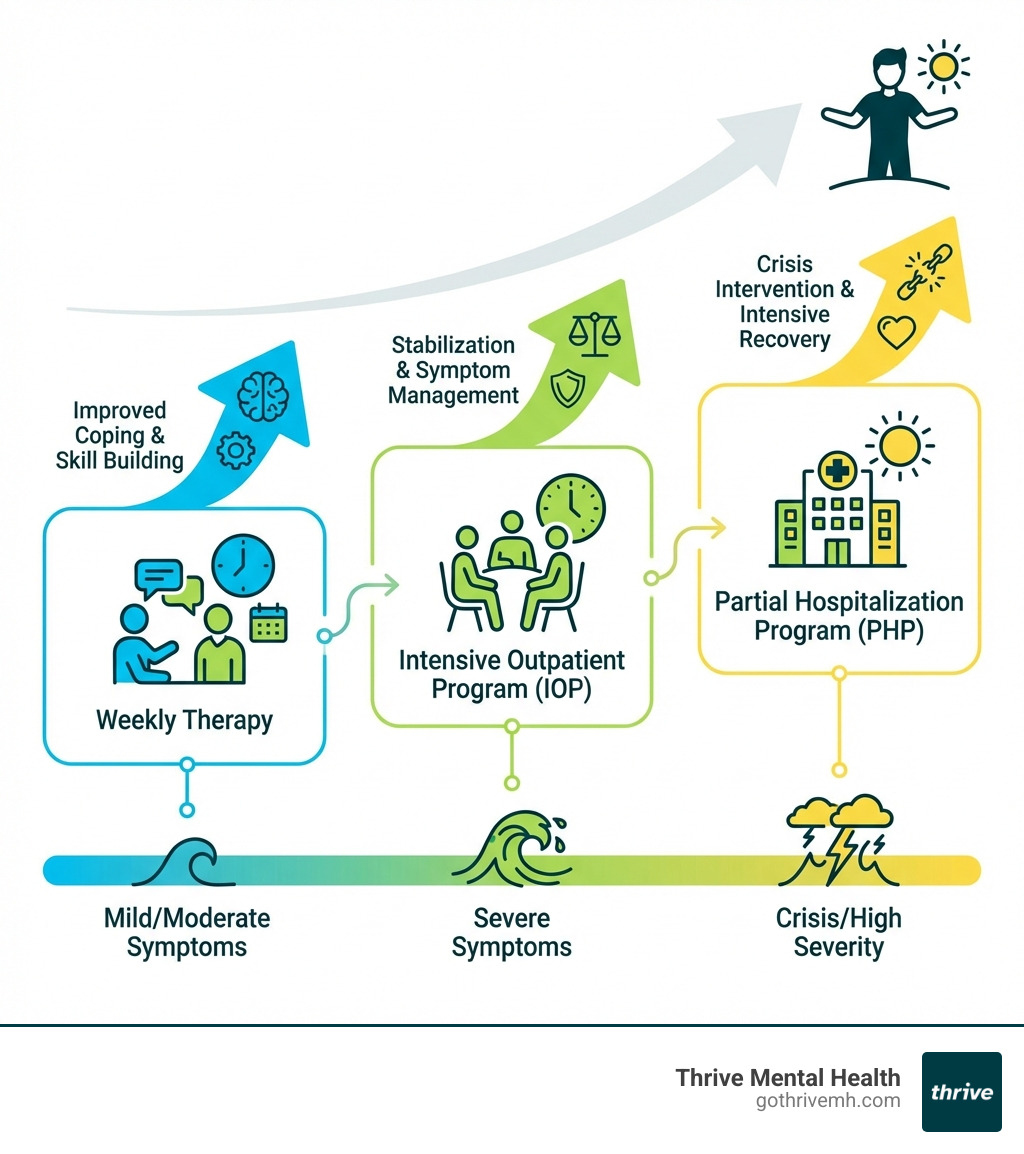
- Choose the right level of care – Weekly therapy, Intensive Outpatient (IOP), or Partial Hospitalization (PHP) based on severity
- Find a specialist – Look for licensed therapists (LCSW, LMHC, PsyD) with proven experience treating teen anxiety
- Consider virtual options – Evening sessions and telehealth make it easier for busy families
- Start now – Waiting makes it worse. Most teens see progress in 12-20 sessions with the right approach
If your teen is in crisis, call/text 988 right now. You are not alone.
Teen anxiety isn’t “just stress.” It’s a diagnosable condition that destroys grades, friendships, and your teen’s future if left untreated. The good news? Evidence-based therapy works—and it works fast when you choose the right provider and treatment approach.
This guide cuts through the confusion. You’ll learn how to spot serious anxiety symptoms, which therapy approaches actually work (backed by research, not guesswork), and how to find affordable, insurance-covered care in West Palm Beach—including virtual options that fit your family’s schedule.
I’m Nate Raine, CEO of Thrive Mental Health, and I’ve spent over a decade building behavioral health programs that deliver measurable results for teens and families across Florida. If you’re looking for anxiety therapy for teens in the West Palm Beach area, I’ll show you exactly how to get the right help—without wasting time or money on approaches that don’t work.
Is It Normal Stress or a Serious Anxiety Disorder? [Spot the Red Flags Before It’s Too Late]
Every parent knows the teenage years come with their share of ups and downs. But how do you tell the difference between typical adolescent stress and a serious anxiety disorder? The key is persistence, intensity, and impact on daily life. Normal stress fades; anxiety disorders often get worse without real help.
Anxiety disorders are among the most common mental health conditions in young adults, often developing during adolescence. An estimated 31.9% of adolescents experience an anxiety disorder, making it a prevalent challenge. These aren’t just “worries”; they are excessive, persistent, and can be debilitating.
Here are the critical signs and symptoms of anxiety in teenagers that demand attention:
- Emotional: Your teen might exhibit constant worry or feeling “on edge,” irritability, sudden outbursts of anger, a sense of impending danger, or frequent panic attacks (sudden, debilitating episodes with physical symptoms like a rapid heartbeat and dizziness). They might also express intense fear of social interactions, making it challenging to form relationships (Social Anxiety Disorder).
- Physical: Anxiety often manifests physically. Look for persistent headaches, stomachaches, nausea, sweating, shaking, fatigue, and sleep disturbances. These aren’t always “all in their head”; they are real physical reactions to overwhelming stress.
- Behavioral: A significant change in behavior is a major red flag. This can include school refusal, social withdrawal, losing interest in hobbies they once loved, avoiding social situations or responsibilities, excessive anger or irritability, substance use issues, or constantly asking the same questions over and over. Difficulty concentrating, restlessness, and problems making even simple decisions are also common indicators. Obsessive-Compulsive Disorder (OCD), for example, presents as intrusive thoughts and repetitive behaviors like excessive hand-washing or checking. Post-Traumatic Stress Disorder (PTSD) stems from trauma, leading to flashbacks and emotional distress.
These symptoms aren’t just a phase. They interfere with daily life, relationships, and long-term goals. If you’re seeing these signs, especially if they’re persistent and severe, your teen needs professional support.
When to Get Immediate Help for Teen Anxiety
If you’re in crisis, call/text 988 right now. You are not alone.
Some signs of anxiety in teens indicate an urgent need for professional intervention. Do not wait to seek help if you observe any of the following:
- Suicidal thoughts: Any mention of wanting to end their life, even if seemingly casual.
- Self-harm: Cutting, burning, or other behaviors intended to cause physical pain.
- Extreme panic attacks: Frequent, debilitating panic attacks that prevent them from functioning.
- Sudden withdrawal or aggression: A drastic change in personality, becoming extremely isolated or unexpectedly aggressive.
- Substance abuse: Using drugs or alcohol to cope with anxiety.
- Intense fear or phobias: An overwhelming fear that significantly impacts their ability to attend school, socialize, or engage in daily activities.
These are not signs to ignore. Early intervention is crucial, and professional help offers solace, understanding, and growth for teens.
What Therapy Options Actually Work for Teen Anxiety in West Palm Beach?
When seeking anxiety therapy for teens in West Palm Beach, understand that not all therapy is created equal. We believe in only evidence-based therapy—approaches proven by research to be effective, not guesswork. This ensures your teen receives the most impactful care possible.
The type of therapy and the level of care your teen needs will depend on the severity of their anxiety and their individual circumstances. Options range from weekly therapy to more intensive programs.
- Weekly therapy (Outpatient): This is suitable for mild to moderate anxiety, where symptoms are present but not completely disrupting daily life. It typically involves one session per week with a therapist.
- Intensive Outpatient Program (IOP): For moderate to severe anxiety, when weekly therapy isn isn’t enough, an IOP offers 9–12 hours of structured therapy per week. Our IOP programs at Thrive Mental Health combine clinical expertise, flexible scheduling (including evening options), and measurable results. They’re designed for people who need more than once-a-week therapy but less than inpatient care. IOP provides personalized support, custom treatment, and one-on-one focus on individual goals, while also fostering peer support and reducing isolation through group environments.
- Partial Hospitalization Program (PHP): This is the most intensive outpatient option, providing 20+ hours of therapy per week. PHP is often used for crisis stabilization or when symptoms are severe enough to require a highly structured environment, but without needing 24/7 inpatient care.
In-Person vs. Virtual Therapy: Which is best for your teen?
The choice between in-person and virtual therapy is a common one for families. Both have their advantages, and the “best” option often depends on your teen’s comfort, your family’s schedule, and the specific therapeutic needs.
| Feature | In-Person Therapy | Virtual Therapy (Telehealth) |
|---|---|---|
| Access | Limited by geography and therapist availability | Accessible from anywhere in Florida, wider choice of specialists |
| Cost | Can be higher due to overhead, travel time/cost | Often more affordable, saves on travel and time |
| Comfort | Traditional setting, direct physical presence | Familiar home environment, may feel less intimidating for some teens |
| Flexibility | Fixed appointments, travel required | Flexible scheduling (including evenings), no travel time |
| Engagement | Some teens prefer face-to-face interaction | Great for teens who are comfortable with technology; some feel safer opening up online |
| Results | Highly effective with the right therapist | Equally effective for many conditions when evidence-based approaches are used |
At Thrive Mental Health, we deliver virtual IOP and PHP programs across Florida, making evidence-based treatment accessible anywhere, anytime through expert-led virtual programs. This means if you’re looking for anxiety therapy for teens in the West Palm Beach area, you’re not limited to local providers who may have long waitlists or limited specialties.
Proven Therapy Models for Teen Anxiety—What Gets Results
Effective anxiety therapy for teens relies on specific, evidence-based modalities. These aren’t just “talk therapy”; they are structured approaches designed to teach concrete skills and change negative patterns.
- Cognitive Behavioral Therapy (CBT): This is a gold standard for anxiety treatment. CBT is fast, practical, and proven to help teens identify and challenge negative or unhelpful thought patterns that fuel anxiety. By focusing on the connection between thoughts, emotions, and behaviors, teens learn healthier coping strategies and make positive changes. Many children and adolescents can recover from anxiety with CBT without medication.
- Dialectical Behavior Therapy (DBT): Often used for teens with intense emotional dysregulation, self-harm, or suicidal ideation, DBT helps teens learn emotion regulation, distress tolerance, interpersonal effectiveness, and mindfulness skills.
- Exposure and Response Prevention (ERP): A specialized form of CBT, ERP is highly effective for Obsessive-Compulsive Disorder (OCD) and specific phobias. It involves gradually exposing teens to their fears while preventing their usual compulsive or avoidance responses, helping them learn that their fears are manageable.
- EMDR (Eye Movement Desensitization and Reprocessing): For trauma-related anxiety, EMDR helps teens reprocess distressing memories and alleviate associated emotional distress. Engaging in guided eye movements or bilateral stimulation can lead to symptom reduction and increased resilience.
Learn about Thrive’s evidence-based approach to teen anxiety therapy and how we integrate these powerful modalities into our programs.
How to Choose the Right Level of Care—Don’t Settle for “Just Talk”
Choosing the right level of care is critical for your teen’s success. If you’re exploring options for anxiety therapy for teens in the West Palm Beach area, understand that “just talk” might not be enough for significant anxiety.
- Weekly outpatient therapy: Ideal for mild to moderate anxiety where symptoms are manageable and don’t severely impact daily functioning. It provides consistent support and skill-building.
- Virtual IOP: If your teen’s anxiety is moderate to severe, affecting school attendance, social life, or family dynamics, a virtual IOP can be a game-changer. Offering 9–12 hours of therapy per week, it provides a more intensive, structured environment than weekly sessions, leading to faster progress. Our virtual programs allow your teen to receive this crucial support from the comfort of your West Palm Beach home.
- PHP (Partial Hospitalization Program): For teens facing acute, severe anxiety or who are stepping down from inpatient care, PHP provides a highly structured environment with 20+ hours of therapy per week. This level of care is designed for crisis stabilization and intensive skill acquisition.
If your teen needs more than once-a-week support, it’s time to step up their care. Our programs are designed for people who need more than once-a-week therapy but less than inpatient care, ensuring your teen gets the right amount of support for lasting change. Explore Thrive’s Virtual IOP and PHP Programs.
5 Steps to Find the Best Anxiety Therapy for Teens in West Palm Beach—No Time or Money Wasted
Finding the right anxiety therapist for your teenager in West Palm Beach can feel overwhelming, but these actionable steps will help you find effective care, whether locally or through virtual providers serving all of Florida.

Step 1: Check Your Insurance—Don’t Overpay for Therapy
Understanding your insurance coverage is the first crucial step. Many parents hesitate due to cost concerns, but most major Florida insurance plans cover mental health services, including anxiety therapy for teens.
- Florida insurance accepted: We work with a variety of providers, including Cigna, Aetna, Florida Blue, UnitedHealthcare, and Optum. Always verify your specific plan’s benefits.
- Self-pay and out-of-network options: If your plan doesn’t fully cover services, or if you prefer not to use insurance, self-pay options are available.
- Get a “superbill” for reimbursement: For out-of-network benefits, we can provide a “superbill” which you can submit to your insurance company for potential reimbursement.
Don’t let finances be a barrier to getting your teen the help they need. Verify your insurance in 2 minutes—no obligation to understand your coverage for our IOP and PHP programs.
Step 2: Choose Therapists Who Specialize in Teen Anxiety—Credentials Matter
Finding a therapist who genuinely understands adolescent anxiety is key. A general therapist might not have the specialized knowledge or approach needed for teens.
- Use trusted directories: Websites like Psychology Today are excellent resources for finding therapists in West Palm Beach who specialize in adolescent care. Remember that virtual therapy opens up options to specialists across Florida, not just your local area.
- Ask your pediatrician: Your child’s doctor can often provide referrals to trusted mental health professionals in the area.
- Look for specific credentials: Seek out Licensed Clinical Social Workers (LCSW), Licensed Mental Health Counselors (LMHC), or Psychologists (PsyD/PhD). These professionals have extensive training and are held to ethical standards through the American Psychological Association (APA).
- Experience with teens: Ensure the therapist has a proven track record and specific experience working with teenagers and anxiety. The unique challenges of adolescence require a nuanced approach.
- Ask about their results with anxiety: Don’t be afraid to ask about their therapeutic approach and what kind of outcomes they typically see with teen anxiety.
Step 3: Ask These Questions Before You Book—Don’t Settle for Less
Once you have a list of potential therapists, a brief consultation call is essential. This is your chance to vet them and ensure they are the right fit for your teen.
- What’s your approach to teen anxiety? Listen for specific modalities like CBT, DBT, or EMDR, and how they tailor it to adolescents.
- How do you involve parents? Parental involvement is crucial for long-term success. A good therapist will discuss their philosophy on family communication and support.
- What does a typical session look like? This helps set expectations for your teen and understand the therapeutic process. It should be interactive and goal-driven, not just passive listening.
- How do you measure progress? Effective therapy should have measurable goals and ways to track improvement, whether through client reports or anxiety assessments.
- Do you offer virtual or evening sessions? For busy families, flexibility can make all the difference in consistent attendance.
What Happens Next? How to Support Your Teen from Day One
Once you’ve found the right therapist and level of care, what should you expect? The journey of anxiety therapy for teens is a collaborative one, and your role as a parent is vital.
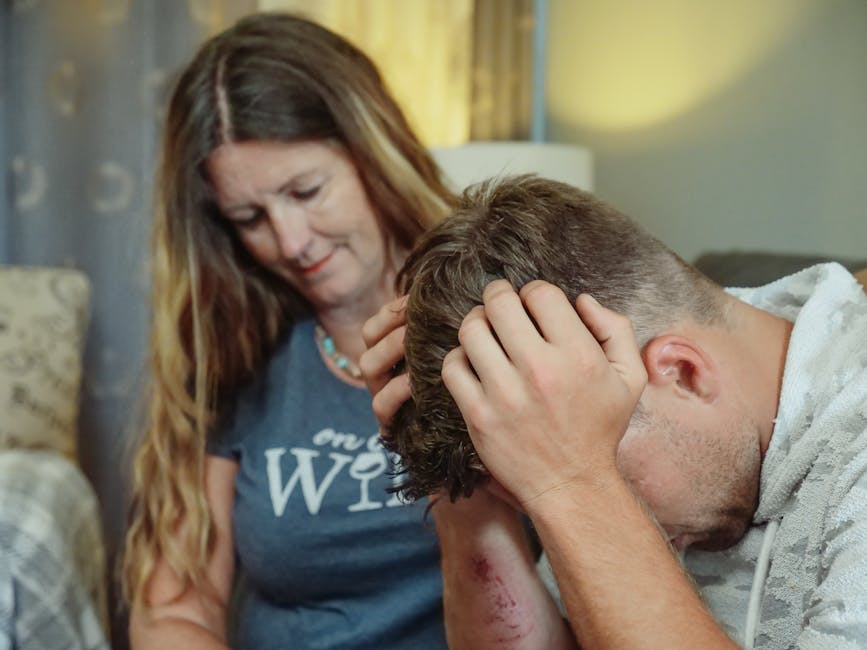
- First session: The initial stages often involve an intake assessment where the therapist gathers information about your teen’s history, symptoms, and goals. Building rapport and trust is paramount, as teens need to feel heard and understood in a safe, non-judgmental space.
- Therapy builds coping skills, resilience, and self-confidence: Therapy helps teens manage anxious thoughts, build real-world coping skills like emotion regulation and mindfulness, improve social confidence, and regain control over their lives. It equips them with tools to sustain their mental health long-term.
- Your role: As a parent, your support is invaluable. Maintain open communication with your teen, validate their feelings, and respect their privacy within the agreed-upon boundaries of confidentiality (except for safety risks, which therapists will explain upfront). Model healthy coping mechanisms yourself and actively participate in any family therapy components.
For more insights on how to foster a supportive environment, we encourage you to Read “How to Talk to Your Teen About Mental Health”.
How Therapy Transforms Teens—Real Results, Not Empty Promises
Therapy with a licensed counselor is effective and has the power to change individuals’ lives. It’s not about “fixing” your teen, but empowering them to become the best version of themselves.
- Manage anxious thoughts: Teens learn to identify and challenge negative thought patterns, reducing rumination and worry.
- Build real-world coping skills: They acquire practical strategies to handle stress, regulate emotions, and steer challenging situations.
- Improve social confidence: Therapy helps teens overcome social anxiety, build healthy boundaries, and foster lasting connections.
- Regain control over life: By developing resilience and self-confidence, teens feel more in control of their emotions and decisions, leading to a more abundant and fulfilling life.
At Thrive Mental Health, our clinical expertise, flexible scheduling, and measurable results are designed to help teens and young adults thrive. We adhere to the highest Thrive’s Ethical Standards for Teen Therapy to ensure the best possible outcomes.
FAQ: Teen Anxiety Therapy in Florida—What Parents Need to Know
How long does therapy for teen anxiety take?
Most teens see progress in 12–20 sessions, typically over five or more months, but it varies based on the type and severity of anxiety. The right program, especially an IOP, can significantly speed up results.
Is therapy confidential for my teen?
Yes, therapy is confidential for your teen, except for situations where there’s a risk of harm to themselves or others. Therapists are ethically and legally bound to explain all privacy rules and their limits upfront to both the teen and parents.
What if my teen refuses therapy?
It’s common for teens to resist. Start with an open, empathetic conversation, framing therapy as a tool to improve their life, not a punishment. Involve them in choosing a therapist. Sometimes, family therapy can help break the ice and improve communication before individual sessions begin.
Does insurance cover teen anxiety therapy?
Most Florida plans, including Cigna, Aetna, Florida Blue, UnitedHealthcare, and Optum, offer coverage for teen anxiety therapy. It’s always best to verify your specific plan’s benefits with the provider or directly with your insurance company before starting treatment.
What’s the difference between IOP and weekly therapy?
Weekly therapy involves one session per week and is suitable for mild to moderate anxiety. An Intensive Outpatient Program (IOP) is more intensive, offering 9–12 hours of structured therapy per week. IOP provides faster, more comprehensive results for moderate to severe anxiety, offering more support than weekly therapy but less than inpatient care.
Summary: Don’t Wait—Get Your Teen the Anxiety Help They Deserve in West Palm Beach
If you’re looking for anxiety therapy for teens in the West Palm Beach area, don’t gamble with your child’s future. Anxiety is treatable—and with virtual programs, fast, expert help is available across Florida. Recognizing the signs, understanding the effective treatment options, and taking proactive steps can transform your teen’s life. Our evidence-based programs are designed to empower teens to conquer anxiety and build a brighter future.
Thrive Mental Health offers virtual and hybrid IOP/PHP programs with evening options, covered by most major insurance providers in Florida. We combine clinical expertise, flexible scheduling, and measurable results to ensure your teen gets the support they need to build resilience, develop coping skills, and thrive. Learn more about Thrive’s Virtual Therapy for Teens and how we can support your family.
Ready for support? Thrive offers virtual and hybrid IOP/PHP programs with evening options. Verify your insurance in 2 minutes (no obligation) → Start benefits check or call 561-203-6085. If you’re in crisis, call/text 988.