
Connect to Care: Virtual IOP in Connecticut

Why Settle for Weekly Therapy When You Need More? Your Guide to Virtual IOP
Virtual Intensive Outpatient Programs (IOPs) offer structured mental health treatment for adults and teens who need more support than traditional weekly therapy—without requiring hospitalization or daily in-person visits. For those searching for a virtual IOP in Florida or elsewhere, this guide breaks down what you need to know.
Quick Answer: What You Need to Know
- Structured Support: Programs typically involve 3-5 sessions per week, with each session lasting about 3 hours, all delivered via secure, HIPAA-compliant video platforms.
- Evidence-Based Therapies: Treatment is built on proven methods like CBT, DBT, trauma-focused care, and medication management.
- Insurance Coverage: Most major insurance plans are accepted, supported by mental health parity laws that mandate fair coverage.
- Best Flexibility: Access care from anywhere while maintaining your work, school, and family commitments. No commute required.
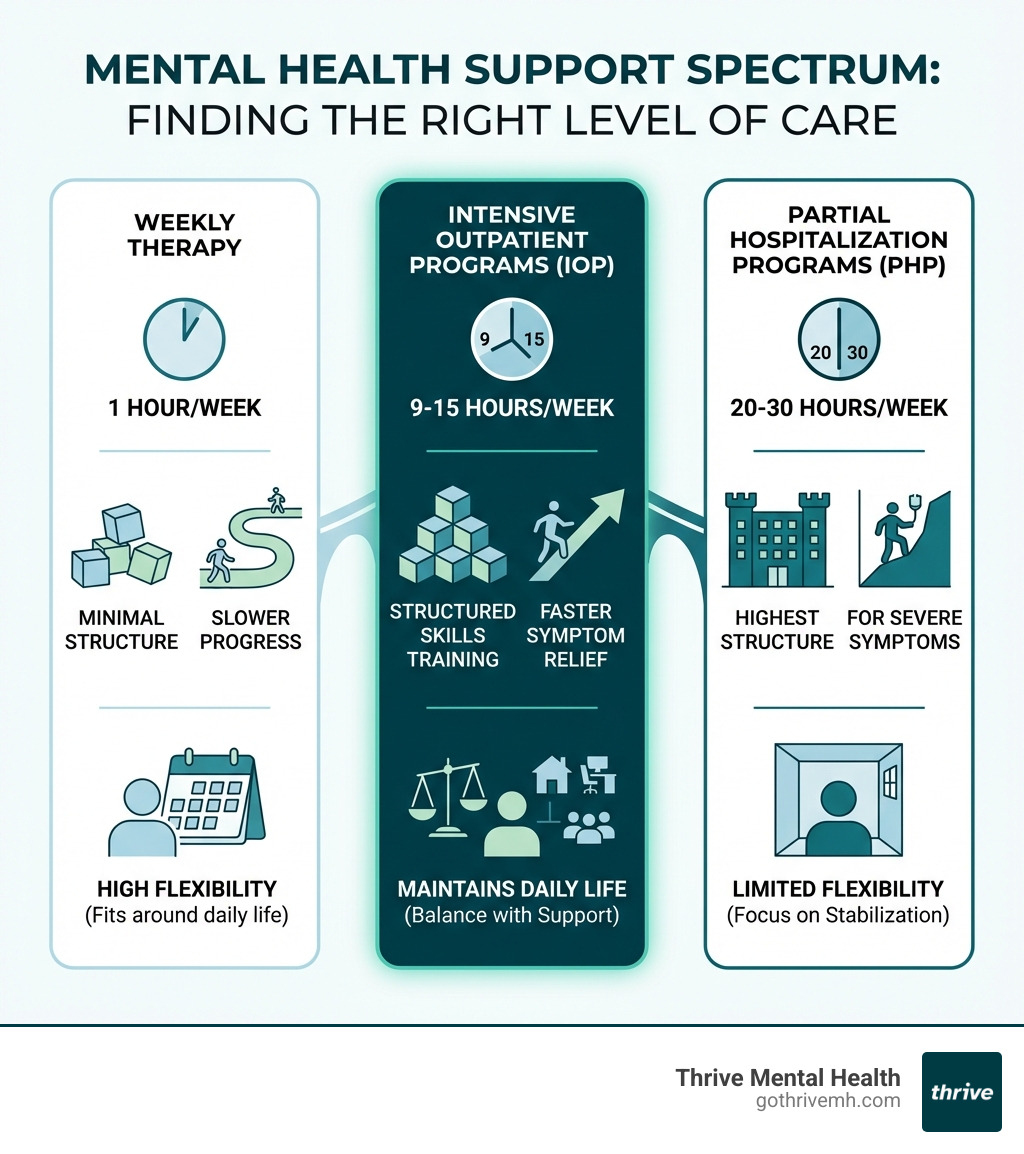
If you’ve been in weekly therapy for months without seeing enough progress, or you’re struggling with anxiety, depression, trauma, or substance use that’s disrupting your daily life—you’re not alone. Intensive Outpatient Programs bridge the gap between once-a-week sessions and full hospitalization. They provide the structure and frequency you need to make real progress, fast.
With virtual IOP, you can access these programs from the comfort of your home. You get group therapy, individual counseling, and skills training multiple times per week—without sacrificing your job, your privacy, or hours stuck in traffic.
I’m Nate Raine, CEO of Thrive Mental Health, and I’ve spent over a decade building behavioral health solutions that connect people to effective, accessible care. We’ve seen how powerful the virtual IOP model is for providing life-changing support. Thrive delivers these outcome-focused programs with evening options and insurance verification in under two minutes—because getting help shouldn’t feel harder than the problem you’re solving.
Relevant articles related to virtual iop florida:
What is a Virtual IOP? [And Why It’s a Lifeline for People Needing Flexible Care]
A Virtual Intensive Outpatient Program (IOP) is a structured mental health and substance use treatment program delivered entirely online through secure video conferencing platforms. Think of it as a bridge: it offers more support than traditional weekly therapy but less intensity than a Partial Hospitalization Program (PHP) or inpatient care. It’s designed for individuals who need consistent, evidence-based treatment to manage their symptoms, develop coping skills, and integrate healthier behaviors into their daily lives, all while remaining at home.
For those seeking a virtual IOP in Florida or any other state, this model means immediate access to high-quality care. Whether you’re in a busy city or a rural area, geographical barriers to treatment are eliminated. This is a game-changer for anyone whose location has previously limited their options.
We understand that seeking help can feel overwhelming, but virtual IOPs simplify the process. They remove the stress of commuting, finding childcare, or taking extensive time off work. You can receive therapy sessions from the comfort and privacy of your own home, making it easier to maintain your daily responsibilities and integrate new coping strategies directly into your real-world environment. It’s about meeting you where you are, literally and figuratively.
More info about virtual IOP services
How a Virtual IOP is Structured
Virtual IOPs are structured to provide comprehensive support without disrupting your life. While specific schedules can vary, a typical program at Thrive Mental Health involves:
- Frequency: Therapy sessions are generally held 3 to 5 days per week. This consistent engagement is crucial for making significant progress.
- Duration of Sessions: Each session typically lasts around 3 hours. This allows for in-depth therapeutic work and skill-building.
- Components: Programs usually combine various therapeutic elements:
- Group Therapy: This is often the cornerstone, providing a supportive community where you can share experiences, learn from others, and practice new skills in a safe environment.
- Individual Counseling: You’ll have dedicated one-on-one sessions with a licensed therapist to address personal challenges, set goals, and receive custom support.
- Skills-Based Learning: These sessions focus on teaching practical coping mechanisms and life skills, such as emotional regulation, distress tolerance, and interpersonal effectiveness. Common modalities include Cognitive Behavioral Therapy (CBT) and Dialectical Behavior Therapy (DBT).
This consistent, multi-faceted approach ensures you receive the intensive care needed to foster lasting change.
The Top 3 Benefits of Choosing a Virtual Program
Choosing a virtual IOP program offers distinct advantages:
- Unparalleled Accessibility: Location is no longer a barrier to expert care. Whether you’re in a major metro area like Los Angeles or a smaller community in South Carolina, you can connect with the right program from home. This broad reach ensures that more people can receive the help they need, when they need it.
- Significant Cost and Time Savings: Virtual programs eliminate the need for travel, saving money on gas and transportation. They also reduce the time commitment associated with commuting, allowing you to reintegrate therapy into your daily schedule more easily. This flexibility means less time away from work, school, or family, making treatment more sustainable.
- Immediate Integration of Skills into Real Life: One of the most powerful benefits of virtual IOP is the ability to apply newly learned coping mechanisms directly in your home and community. Unlike inpatient programs where you’re removed from daily triggers, virtual IOP allows you to practice skills in the very settings where they’re needed most, reinforcing healthy habits and building resilience in real-time.
The Virtual IOP Landscape: Finding a Program for Your Needs
Across the country, residents have access to a growing network of virtual Intensive Outpatient Programs. This includes both state-specific and national providers licensed to deliver care in states from California to Florida.
These programs are designed to address a variety of needs:
- Mental Health Programs: The majority of virtual IOPs focus on mental health, treating conditions such as major depressive disorder, generalized anxiety disorder, PTSD, bipolar disorder, and other mood disorders.
- Substance Use Programs: For those struggling with addiction, specialized virtual IOPs offer support for alcohol or drug dependence, focusing on recovery skills and relapse prevention.
- Dual Diagnosis Programs: Recognizing the frequent co-occurrence of mental health and substance use issues, many programs provide integrated care that addresses both conditions simultaneously.
Common conditions treated in virtual IOPs include: Major Depressive Disorder, Generalized Anxiety Disorder, PTSD, Bipolar Disorder, and Substance Use Disorder.
Find national treatment resources via SAMHSA
Finding a Program for Mental Health, Substance Use, or Dual Diagnosis
When seeking a virtual IOP, whether in Florida or elsewhere, understanding the primary focus areas can help you narrow down your options:
- Mental Health Focus: These programs are ideal if you’re primarily dealing with conditions like anxiety, depression, trauma, or mood disorders. They emphasize therapies like CBT, DBT, and mindfulness to help manage symptoms and build emotional resilience.
- Addiction Recovery Focus: If substance use is your main concern, look for programs that specialize in addiction treatment. These often incorporate relapse prevention, recovery coaching, and support for medication-assisted treatment (MAT) where appropriate.
- Co-occurring Disorders (Dual Diagnosis): Many individuals experience both mental health and substance use challenges. Integrated dual diagnosis programs, like those offered at Thrive Mental Health, provide comprehensive treatment plans that address both issues concurrently, recognizing how they influence each other.
Specialized Virtual IOP Programs [For Teens, Adults, and Specific Conditions]
The diverse range of virtual IOPs also includes programs designed for specific populations and conditions:
- Adolescent & Young Adult Programs: Leading providers offer specialized virtual IOPs for adolescents and young adults. These programs often include family-focused therapy and academic support, recognizing the unique developmental needs of younger clients.
- Adult & Young Professional Tracks: Programs like Thrive Mental Health cater specifically to adults and young professionals, offering flexible scheduling to accommodate busy careers and family lives.
- Trauma-Informed Care: Many virtual IOPs integrate trauma-informed approaches, recognizing the pervasive impact of trauma on mental health. These programs often use modalities like EMDR and Somatic Therapies.
- LGBTQIA+ Affirming Groups: To provide culturally competent and affirming care, some programs offer specialized tracks and groups for the LGBTQIA+ community.
- Eating Disorder Support: While Thrive Mental Health focuses on primary mental health and substance use, other specialized virtual IOPs are available for eating disorders. These programs typically feature multidisciplinary teams including therapists, dietitians, and medical staff.
What to Expect: Evidence-Based Therapy, Family Support, and Real Results
When you enroll in a virtual IOP, you’re not just signing up for a series of online meetings. You’re entering a structured, supportive environment designed to help you achieve lasting change. Effective programs combine clinical expertise with flexible scheduling and measurable results.
Our programs at Thrive Mental Health are built on evidence-based practices that have been proven effective in treating a wide range of mental health and substance use disorders. Beyond the sessions, we place a strong emphasis on aftercare planning and involving your support system to ensure long-term recovery.

Learn about our treatment modalities
The Therapies That Drive Success
Virtual IOPs use a range of therapeutic modalities to address the complex needs of individuals:
- Cognitive Behavioral Therapy (CBT): This therapy helps you identify and change unhelpful thinking patterns and behaviors that contribute to your symptoms. It’s highly effective for depression, anxiety, and other mood disorders.
- Dialectical Behavior Therapy (DBT): DBT focuses on emotional regulation, distress tolerance, mindfulness, and interpersonal effectiveness. It’s particularly beneficial for individuals struggling with intense emotions, impulsivity, and relational difficulties. Many leading programs integrate DBT into their core curriculum.
- Trauma-Focused Modalities: For those impacted by trauma, therapies like Eye Movement Desensitization and Reprocessing (EMDR) and Cognitive Processing Therapy (CPT) are often incorporated. These help process traumatic memories and reduce their emotional impact.
- Somatic Therapies: Some programs include somatic therapies, which focus on the mind-body connection to release stored trauma and stress from the body, moving beyond just talk therapy.
- Acceptance and Commitment Therapy (ACT): This modality helps you develop psychological flexibility by focusing on accepting difficult thoughts and feelings while committing to actions aligned with your values.
These evidence-based approaches, delivered by licensed professionals, provide the tools and strategies necessary for significant symptom reduction and improved quality of life.
Aftercare and Family Support: Your Keys to Lasting Recovery
Recovery is a journey, not a destination. That’s why effective virtual IOPs prioritize aftercare and family involvement:
- Relapse Prevention Planning: A crucial component of any IOP is developing a personalized aftercare plan. This plan outlines strategies and resources to maintain progress, manage potential triggers, and prevent relapse. It’s about empowering you with the tools to steer challenges independently.
- Alumni Support Groups: Many programs offer ongoing alumni support groups. These groups provide a continued sense of community, accountability, and encouragement from peers who understand your journey.
- Family Therapy Sessions: Family involvement can be vital for both adolescents and adults. Comprehensive programs often encourage family participation, inviting loved ones to attend sessions to learn skills and strategies. This helps strengthen at-home resources, repair relationships, and build a supportive environment crucial for long-term healing.
- Building a Support System: Virtual IOPs help you identify and cultivate a strong personal support network—whether it’s friends, family, or community resources—to sustain your recovery beyond the program.
How to Pay for Virtual IOP [Insurance, Parity Laws, and Choosing a Program]
Navigating the financial aspects of mental health treatment can be daunting, but there’s good news regarding insurance coverage for virtual IOP programs. Most providers accept major insurance plans, and federal mental health parity laws are in place to ensure fair coverage.
Does Insurance Cover Virtual IOP?
Yes, in most cases, insurance covers virtual IOP. This is largely thanks to the Mental Health Parity and Addiction Equity Act (MHPAEA).
- Mental Health Parity Explained: This federal law requires most health plans to cover mental health and substance use treatment at the same level as medical or surgical care. This means your plan shouldn’t have higher co-pays, separate deductibles, or more restrictive limits for mental health services like IOP compared to physical health services.
- How to Check Your Benefits: While parity laws are in place, it’s always wise to verify your specific coverage. We recommend contacting your insurance provider directly or using a provider’s online benefits check tool.
- Questions to Ask Your Insurance Provider:
- Do I have mental health and substance use benefits for intensive outpatient programs (IOPs)?
- Is virtual IOP (telehealth) covered?
- What is my deductible, and has it been met?
- What is my co-payment or co-insurance for these services?
- Do I need a referral or prior authorization?
- Are there any limitations on the number of sessions covered?
- Is Thrive Mental Health in-network with my plan?
- Common Insurers: Many providers accept major insurance plans, including Cigna, Optum, Aetna, Blue Cross Blue Shield, Magellan Health, Tricare, UMR, Anthem, and United Health Care.
Verify your insurance coverage in 2 minutes
7 Factors to Consider Before Choosing a Program
Choosing the right virtual IOP program is a personal decision that can significantly impact your recovery. Here are key factors to consider:
- State Licensure & Accreditation: Ensure the program is licensed to operate in your state and, ideally, holds accreditation from a reputable body like The Joint Commission. This indicates a commitment to high standards of care and safety.
- Clinical Specialization: Does the program specialize in your specific needs (e.g., mental health, substance use, dual diagnosis, trauma)? A specialized program will have staff with deeper expertise in your challenges.
- Schedule Flexibility (Day/Evening): Top virtual IOPs offer both day and evening options to accommodate work, school, or family commitments. Choose a schedule that you can consistently commit to.
- Therapeutic Approach: Research the evidence-based therapies offered (CBT, DBT, EMDR, etc.) and ensure they align with your treatment preferences. A holistic approach that blends traditional psychotherapy with wellness-based interventions can be very beneficial.
- Staff Credentials: Look for programs staffed by credentialed professionals experienced in virtual care delivery, including licensed therapists, psychiatrists, and other specialists. The expertise of the clinical team is paramount.
- Technology & Platform Ease-of-Use: A user-friendly, HIPAA-compliant virtual platform is essential for a smooth treatment experience. Ensure you have the necessary technology and a stable internet connection.
- Aftercare & Alumni Support: A strong aftercare plan and ongoing alumni support are vital for long-term recovery. Inquire about how the program supports you after you complete the core treatment.
In Crisis? Get Immediate Help in Florida
If you or a loved one is in immediate danger or experiencing a mental health crisis, please call or text 988 to connect with the Suicide & Crisis Lifeline. You are not alone.
If you are experiencing a mental health emergency, please don’t hesitate to reach out:
- 988 Suicide & Crisis Lifeline: Available 24/7, confidential, and free. Call or text 988 anywhere in the US.
- Crisis Text Line: Text HOME to 741741 from anywhere in the US, anytime, about any type of crisis.
- When to Call 911: If there is an immediate threat of harm to yourself or others, or if you require immediate medical attention, call 911.
- Emergency Room Protocol: You can also go to your nearest emergency room for immediate mental health support.
Frequently Asked Questions about Virtual IOP
How long does a virtual IOP program last?
The typical duration for a virtual IOP program is between 8 to 12 weeks. Most programs involve therapy sessions 3 to 5 days per week, with each session lasting around 3 hours. This consistent, structured engagement is key to making significant progress and developing lasting coping skills. Some programs may offer flexibility to extend treatment if needed.
Is virtual IOP as effective as in-person treatment?
Yes, a growing body of research and patient outcomes show that virtual IOP can be just as effective as in-person treatment for many individuals. Studies report high success rates, with the vast majority of patients feeling more hopeful and better equipped to handle their symptoms at discharge. The virtual format allows for greater accessibility, convenience, and the unique benefit of integrating learned skills directly into your daily life and environment.
What technology do I need for a virtual IOP?
To participate in a virtual IOP, you’ll generally need a few basic things:
- Stable Internet Connection: A reliable internet connection is crucial to ensure uninterrupted sessions.
- Private Space: A quiet, private space where you can speak openly without interruption or privacy concerns.
- Device with Camera and Microphone: This can be a smartphone, tablet, or computer. Most modern devices have built-in cameras and microphones that are sufficient for virtual sessions.
- Headphones (Optional but Recommended): Headphones can improve sound quality and further ensure your privacy during group and individual sessions.
Ready for Real Support? Here’s Your Next Step.
If you’re seeking more than weekly therapy but less than inpatient care, a virtual IOP program could be your pathway to lasting well-being. We’ve seen how these programs break down barriers, offering accessible, evidence-based treatment that fits into your life. Whether you’re dealing with mental health challenges, substance use, or co-occurring disorders, there’s a program designed to support your unique journey.
Thrive Mental Health is committed to delivering virtual and hybrid IOP/PHP programs with clinical expertise, flexible scheduling, and measurable results. We’re here to help you connect to the care you deserve.
Ready for support? Thrive offers virtual and hybrid IOP/PHP programs with evening options. Verify your insurance in 2 minutes (no obligation) → Start benefits check or call 561-203-6085. If you’re in crisis, call/text 988.