


Myrtle Beach therapy centers for intensive treatment: 10 Fast Results
Why Choosing the Right Miami Therapy Center for Intensive Treatment Can Save Your Life
Miami therapy centers for intensive treatment offer a critical lifeline for individuals struggling with mental health issues, addiction, or both. If weekly therapy isn’t enough but you’re not ready for inpatient care, intensive outpatient programs (IOP) and partial hospitalization programs (PHP) provide structured, evidence-based support while you maintain your daily life.
Quick Answer: Top Options for Intensive Treatment in Miami
| Center Type | Best For | Hours/Week | Key Features |
|---|---|---|---|
| IOP | Working professionals, students | 9-12 hours | Flexible scheduling, group + individual therapy, family services |
| PHP | Those needing more structure | 20-30 hours | Daily support, crisis stabilization, medication management |
| Virtual IOP | Remote access, busy schedules | 9-12 hours | Evening options, same-day start, insurance-friendly |
The reality is stark: Miami-Dade County reported over 1,300 accidental drug overdose deaths in 2022. Mental health crises are surging among young adults and professionals. Many people try weekly therapy for months without real progress, while others step down from inpatient care and relapse because they lack the right support.
The good news? Intensive treatment works. More than 90% of clients in quality IOP programs report measurable improvements in their most severe symptoms. The challenge is finding a center that offers personalized care, evidence-based therapies like CBT and DBT, flexible scheduling, and accepts your insurance.
I’m Nate Raine, CEO of Thrive Mental Health, and I’ve spent over a decade building innovative behavioral health solutions that integrate virtual and in-person care. At Thrive, we’ve helped thousands of individuals access Miami therapy centers for intensive treatment through our evidence-based IOP and PHP programs designed for real, measurable outcomes. Whether you’re in Miami or across Florida, finding the right intensive treatment program can be the difference between struggling alone and building lasting recovery.
Quick Miami therapy centers for intensive treatment definitions:
What Is Intensive Treatment? [IOP vs. PHP, Which Is Right for You?]
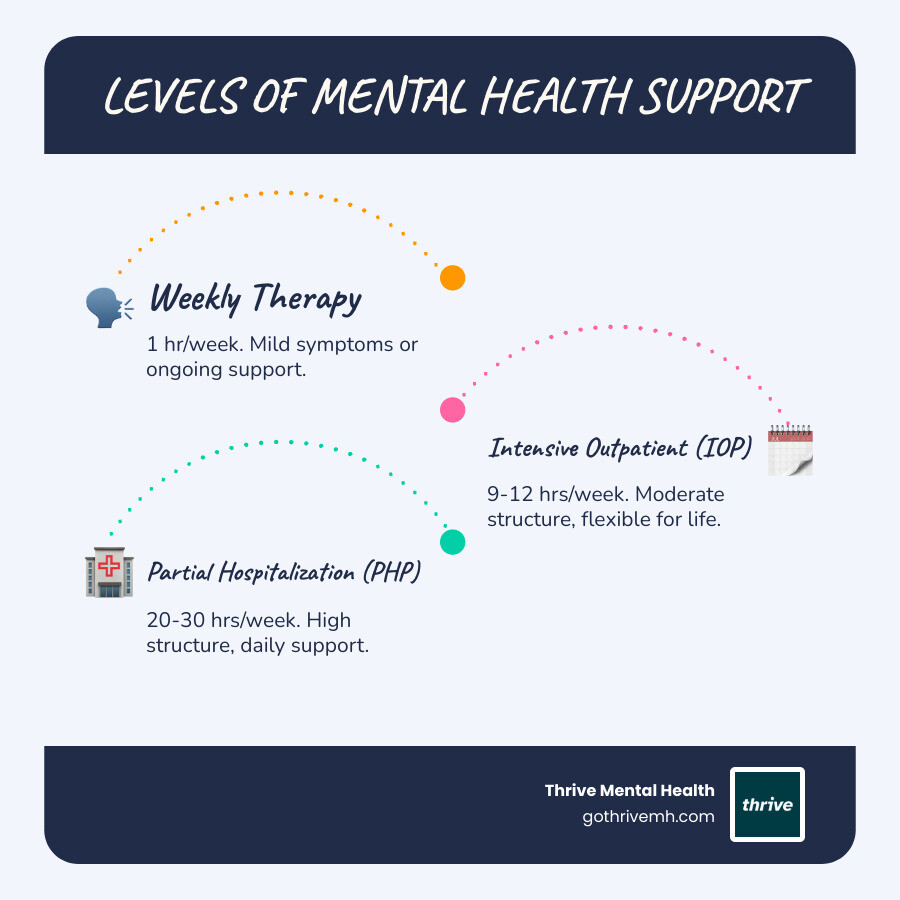
Intensive Outpatient Programs (IOP) and Partial Hospitalization Programs (PHP) offer more support than weekly therapy, without the disruption of inpatient care. Both are designed for individuals who need more structured care than traditional weekly therapy but don’t require 24/7 supervision. They act as a crucial bridge for those stepping down from inpatient care or for whom traditional outpatient therapy hasn’t been enough.
- IOP: Flexible, lets you keep working or caring for family. An Intensive Outpatient Program provides many of the same treatments and therapies as residential treatment but with the added benefit of being more flexible. It typically involves 9-12 hours of treatment per week, allowing individuals to participate in an aggressive treatment program while continuing with their day-to-day life, job, and family activities.
- PHP: More structure, daily support, ideal for those needing extra stability. A Partial Hospitalization Program offers a higher level of care than IOP but less than inpatient. It provides structured mental health treatment during the day, with individuals returning home in the evening. PHP is an intensive treatment program that supports patients who need structure without 24-hour supervision, often lasting up to 28 days, though duration depends on individual needs.
| Program Type | Hours Per Week | Structure Level | Who It’s For | Daily Schedule |
|---|---|---|---|---|
| IOP | 9-12 | Moderate | Maintain daily life, work, school | Group and individual sessions, 3-5 days/week |
| PHP | 20-30+ | High | Stepping down from inpatient, at risk of hospitalization | Daily programming, returning home evenings |
Why Choose IOP? [Top 5 Benefits]
Choosing an Intensive Outpatient Program (IOP) in Miami offers a unique blend of robust support and real-world integration. This level of care is ideal for those who need significant help but can’t put their lives completely on hold.
- Aggressive support without pausing your life: IOP allows you to participate in intensive therapy while maintaining your job, family responsibilities, and daily routines. This flexibility is a game-changer for many.
- Group and individual therapy: IOPs typically combine individual counseling with multiple group therapy sessions each week. This blend provides personalized attention alongside the powerful support and shared experience of peer groups.
- Lower cost than inpatient: Because you don’t reside at the facility, IOP is significantly more affordable than inpatient treatment, making it an accessible option for many seeking Miami therapy centers for intensive treatment.
- Flexible scheduling (including virtual options): Many IOPs offer morning, afternoon, and evening sessions, and virtual IOPs like ours at Thrive Mental Health provide treatment directly to you at home, accommodating even the busiest schedules.
- Proven results for mental health and addiction: IOPs are evidence-based and effective. Over 90% of clients in quality IOP programs report improvements in their most severe mental health symptoms, leading to lasting recovery.
When Is PHP the Smarter Choice?
Partial Hospitalization Programs (PHP) in Miami step up the intensity when more comprehensive daily support is required. PHP is a strategic choice in several situations:
- Need daily structure and medical oversight: If you require a high level of clinical support and daily monitoring without needing to stay overnight, PHP provides that crucial oversight.
- At risk of hospitalization: PHP can serve as a preventative measure, offering sufficient stabilization and intervention to avert the need for inpatient psychiatric care.
- Stepping down from inpatient: After an inpatient stay, PHP offers a structured transition back into daily life, providing continued intensive therapy and support to solidify gains made in inpatient care.
- Crisis stabilization: For individuals experiencing acute behavioral or emotional difficulties, PHP can provide the immediate, structured support needed for crisis stabilization.
10 Must-Have Features of Miami Therapy Centers for Intensive Treatment

When searching for Miami therapy centers for intensive treatment, it’s crucial to look beyond basic offerings. Don’t waste time or money on the wrong program. Here’s what the best centers deliver to ensure you get the effective, lasting care you deserve:
1. Evidence-Based Therapies That Work (CBT, DBT)
The foundation of any effective intensive treatment program is the use of therapies backed by scientific research. We prioritize these approaches because they yield measurable results.
- Cognitive Behavioral Therapy (CBT): This therapy helps individuals identify and change negative thought patterns and behaviors that contribute to mental health issues or addiction.
- Dialectical Behavior Therapy (DBT): Often used for intense emotional regulation challenges, DBT teaches skills in mindfulness, distress tolerance, emotion regulation, and interpersonal effectiveness.
- Back by science, not guesswork: Reputable Miami therapy centers for intensive treatment integrate the latest clinical research validated by organizations like the Substance Abuse and Mental Health Services Administration (SAMHSA) into their programs.
- Learn more about evidence-based care
2. Personalized Treatment Plans, Not Cookie-Cutter Care
You are unique, and your recovery journey should be too. Effective intensive treatment isn’t a one-size-fits-all solution.
- Full assessment: A comprehensive initial assessment helps determine your specific needs, challenges, and goals.
- Custom goals: Treatment plans are custom to your unique circumstances, focusing on what you need to heal and thrive.
- Regular progress checks: Your plan should be dynamic, with regular evaluations to ensure it remains effective and adjusts as you progress.
- You’re not just a number: Personalized care means designing each treatment plan with one primary goal in mind: helping you heal and refind hope.
3. Integrated Care for Co-Occurring Disorders
It’s common for mental health conditions and substance use disorders to occur together. In fact, addiction is seldom a “stand alone” illness.
- Treats mental health and substance use together: The best Miami therapy centers for intensive treatment address both conditions simultaneously, recognizing their interconnectedness.
- Holistic, whole-person focus: This approach ensures that all aspects of your well-being, mental, emotional, physical, and spiritual, are considered in your treatment.
- No more “one problem at a time” dead ends: Integrated care prevents the cycle of treating one issue only to have the other resurface.
4. Trauma and Addiction Expertise
Trauma often lies at the root of mental health struggles and addiction. Specialized care is essential.
- Trauma-informed care: Programs should understand and address the impact of trauma on your life and recovery.
- PTSD support: Specific therapies and approaches are needed for Post-Traumatic Stress Disorder (PTSD) and other trauma-related conditions.
- Medication management when needed: Access to board-certified psychiatrists for medication evaluation and management can be a critical component of treatment.
- Safe, non-judgmental environment: A supportive and understanding setting is paramount for healing from trauma.
5. Family Involvement That Heals, Not Hurts
Family support is a leading predictor of success in IOP. Addiction and mental health affect the entire family system.
- Family therapy: Many programs include family therapy sessions to improve communication and relationships.
- Communication skills: Learning healthy communication within the family unit is vital for creating a supportive home environment.
- Education for loved ones: Providing resources and education to family members helps them understand the recovery process and how to offer constructive support.
- Stronger support system: Engaging the family creates a more robust network of care that extends beyond the treatment center.
6. Licensed, Multidisciplinary Staff
The quality of your care hinges on the expertise of your treatment team.
- Therapists, psychiatrists, medical pros: Look for centers staffed by a diverse team of licensed professionals, including therapists, psychologists, psychiatrists, and medical personnel.
- Addiction and mental health specialists: Professionals specializing in substance use disorder and various mental health conditions ensure targeted, effective treatment.
- Real credentials, real experience: Our professionals are highly qualified and experienced, committed to providing the highest standard of care. The best programs are led by staff with decades of combined experience.
7. Aftercare and Relapse Prevention, So You Don’t Slip Back
Recovery is a journey, not a destination. Effective intensive treatment includes a robust plan for what comes next.
- Discharge planning: A comprehensive aftercare plan is a critical part of the treatment process, helping you transition smoothly out of intensive care.
- Ongoing support: This can include relationships with outside individual and group counseling, sober living support, and ongoing monitoring to help maintain sobriety and prevent relapse.
- Sober living and alumni resources: Connections to sober living environments and alumni networks provide continued community and accountability.
- Find community support through organizations like NAMI Miami-Dade County, which offers support groups, education programs, and family resources.
8. Flexible Scheduling, Including Virtual IOP


Life doesn’t stop for treatment, and it shouldn’t have to. Flexibility is key to accessing and completing intensive programs.
- Morning, afternoon, evening options: Many Miami therapy centers for intensive treatment offer varied schedules to accommodate work, school, or family commitments, including both afternoon and evening sessions.
- Telehealth for busy lives: Virtual IOP programs provide the same intensive support delivered directly to your home, making treatment accessible regardless of location or schedule. This is particularly beneficial for young professionals or parents.
- No more missed work or school: Flexible and virtual options ensure that you can prioritize your mental health without sacrificing other essential aspects of your life.
9. Age-Specific Programs (Teens, Young Adults, Adults)
Different age groups face unique challenges and respond best to peer-specific support.
- Peer groups for your stage of life: Programs customized for adolescents, young adults, or adults ensure that group therapy and discussions are relevant and relatable. Top centers offer distinct programs for teens (13-17) and adults 18+.
- Specialized support for teens, young adults, adults: This includes addressing specific developmental needs, social pressures, and life transitions pertinent to each age demographic.
10. Safe, Supportive Environment
The physical and emotional environment of a treatment center significantly impacts your healing.
- Modern, comfortable facilities: A state-of-the-art facility designed to offer a comfortable and supportive environment for group and private counseling sessions can improve the recovery experience.
- Peer support: Connecting with others who understand your struggles fosters a sense of community and reduces feelings of isolation.
- No judgment, just healing: A non-judgmental space is crucial for open communication and effective therapy.
How to Pay for Intensive Treatment in Miami [Insurance, Self-Pay, and More]
Worried about the cost of Miami therapy centers for intensive treatment? We understand. Financial concerns shouldn’t be a barrier to getting the help you need. The good news is, you have options.
Insurance Coverage for Miami Therapy Centers for Intensive Treatment
Health insurance typically covers behavioral health services, including intensive treatment programs. Laws in the U.S. require insurers to cover essential behavioral health care at the same level as other health care services.
- Most centers accept Cigna, Optum, BlueCross BlueShield, Medicaid, Medicare, TRICARE, and more: Many reputable Miami therapy centers for intensive treatment work with a wide range of insurance providers, including government plans like Medicaid, Medicare, and TRICARE, as well as most commercial insurance plans.
- In-network = lower out-of-pocket costs: When a provider is “in-network,” they have a contract with your insurer, meaning you’ll typically pay a co-pay and meet a deductible before benefits kick in.
- PPO and HMO plans accepted: PPO plans often cover both in- and out-of-network services (though out-of-network may cost more), while HMO plans generally only cover in-network services. Always confirm your plan’s specifics.
- Verify your insurance in 2 minutes to understand your benefits and coverage quickly.
Other Ways to Afford Care
Even without comprehensive insurance, there are still avenues to access vital intensive treatment.
- Self-pay and sliding scale: Some centers offer self-pay options or a sliding scale fee structure based on your income, making treatment more affordable. It’s also worth asking if grant funding is available to offset costs.
- Employee Assistance Programs (EAP): If you’re employed, your company’s EAP might provide initial therapy sessions free of charge or offer referrals. These benefits often apply to various types of therapy without requiring a medical diagnosis.
- Local grants and financial help: Organizations like the United Way of Miami-Dade can be a valuable resource for finding local assistance programs and financial aid for mental health and addiction services.
When Intensive Outpatient Isn’t Enough: Signs You Need More Support
For some, even the robust structure of IOP or PHP may not be enough. Recognizing when a higher level of care, such as inpatient psychiatric care, is necessary is critical.
If you’re in crisis or considering self-harm, call or text 988 now. You are not alone.
Here are signs that you may need a more intensive, 24/7 supervised environment:
- Suicidal thoughts: If you are actively planning suicide or experiencing persistent, overwhelming suicidal ideation.
- Can’t function day-to-day: If you are unable to care for yourself, maintain personal safety, or engage in basic daily activities due to severe mental health symptoms.
- At risk of harming self or others: If there’s an immediate and significant risk of harm to yourself or others.
- Need 24/7 medical supervision: For severe psychiatric conditions, acute withdrawal from substances, or complex medical needs that require constant professional oversight.
How to Get Emergency Help in Miami
If you or a loved one needs immediate, in-person crisis support in Miami-Dade and surrounding counties, resources are available:
- Mobile Crisis Response: Call 211 for immediate crisis support and connection to local mobile response teams.
- Local hospitals and crisis centers: Many local hospitals in the Miami area offer adult inpatient psychiatric treatment and crisis stabilization services.
- SAMHSA’s National Helpline: Call 1-800-662-HELP (1-800-662-4357) for confidential treatment referral and information.
- 988 Suicide & Crisis Lifeline: Text or call 988 for immediate support.
FAQs: Miami Therapy Centers for Intensive Treatment
How much does IOP or PHP cost in Miami?
Costs depend on your insurance coverage and the specific program. In-network plans (like Cigna, Optum, BlueCross BlueShield, Medicaid, Medicare, TRICARE) generally result in lower out-of-pocket expenses. Always verify your benefits directly with your provider or the treatment center.
How long do IOP and PHP programs last?
IOP programs typically last 9-12 weeks. PHP programs, being more intensive, might last up to 28 days. However, your individual needs and progress will ultimately determine the exact timeline, with regular assessments guiding your discharge.
Can I keep working or going to school during treatment?
Yes, IOP is specifically designed for flexibility, allowing you to continue with work, school, or family responsibilities. PHP is more intensive and may require you to take some time off, but you still return home each evening.
Does Thrive offer virtual or hybrid IOP/PHP in Miami?
Yes. We deliver virtual and in-person Intensive Outpatient (IOP) and Partial Hospitalization (PHP) programs for adults and young professionals across Florida, including Miami. Learn about Thrive’s virtual IOP programs with evening options.
What insurance does Thrive accept?
We work with most major insurance providers. For specific coverage details, Thrive accepts Cigna, Optum, BlueCross BlueShield, Medicaid, Medicare, and many more. Verify your insurance here quickly and confidentially.
Summary: Miami Therapy Centers for Intensive Treatment, Your Fastest Path to Recovery
The search for effective Miami therapy centers for intensive treatment can feel overwhelming, but it doesn’t have to be. By understanding the differences between IOP and PHP, knowing what features to look for, and exploring your payment options, you can find the right program to reclaim your life. Don’t gamble with your future. The right intensive treatment can help you recover faster, avoid relapse, and get your life back, without breaking the bank. Thrive Mental Health offers virtual and hybrid IOP, PHP, and virtual therapy options, plus fast insurance verification. Our programs combine clinical expertise, flexible scheduling, and measurable results, designed for those who need more than once-a-week therapy but less than inpatient care.
Want to know more about how virtual IOPs work? Read our guide to virtual IOPs in Florida.
Ready for support? Thrive offers virtual IOP programs with evening options. Verify your insurance in 2 minutes (no obligation) → Start benefits check or call 561-203-6085. If you’re in crisis, call/text 988.

This article is for informational purposes only and is not a substitute for individualized clinical advice or insurance verification.