
Guide to Behavioral Health Providers: Insights for 2026

If you’re experiencing burnout, anxiety, or simply feeling stuck, you’re not alone. Many in California, Florida, Indiana, Arizona, and South Carolina are searching for support from behavioral health providers who truly understand their needs.
The demand for accessible, effective behavioral health providers is growing quickly as we approach 2026. People want care that fits their lives, whether that means flexible options, privacy, or new approaches like virtual Intensive Outpatient Programs (IOP) in California.
This guide will help you understand the evolving world of behavioral health providers, explore how IOPs work, and address common concerns about time, insurance, and privacy. You’ll also learn how virtual IOP care can make a difference and how to choose the right provider for your needs.
Ready to take the next step? Discover practical solutions that fit your schedule and support your mental well-being with complete confidentiality.
Understanding Behavioral Health Providers in 2026
Feeling overwhelmed, anxious, or burned out is increasingly common for many individuals in California, Florida, Indiana, Arizona, and South Carolina. If you are searching for answers or support, understanding the evolving role of behavioral health providers is a crucial first step. In 2026, accessible, evidence-based care is more important than ever for those navigating mental health challenges.

Defining Behavioral Health Providers
Behavioral health providers are a diverse group of professionals dedicated to supporting mental, emotional, and behavioral well-being. This group includes psychiatrists, psychologists, therapists, licensed counselors, and clinical social workers.
While mental health care focuses on diagnosing and treating mental illnesses, behavioral health providers address a broader range of issues, including substance use, stress management, and family dynamics. These providers often work in multidisciplinary teams, combining their expertise to deliver integrated care models. For example, the Health Plan of San Mateo (HPSM) and national standards promote collaboration between medical and behavioral health providers to improve outcomes.
Evidence-based practice is the foundation of care in 2026. Behavioral health providers rely on proven therapies and continuous learning to deliver effective support tailored to each person's unique needs.
Types of Services Offered
Behavioral health providers offer a wide spectrum of services designed to meet various needs. Core services include:
- Comprehensive assessments and diagnostic evaluations
- Individual, group, and family therapy sessions
- Medication management for mental health conditions
- Crisis intervention and immediate support
- Care coordination with other healthcare professionals
Specialized services are also available, such as Intensive Outpatient Programs (IOP), Partial Hospitalization Programs (PHP), telehealth therapy, substance use treatment, and autism spectrum care. Providers follow current clinical guidelines and frequently refer to community resources to ensure holistic support for clients.
The Evolving Landscape: Trends for 2026
The landscape of behavioral health providers is rapidly changing. Virtual and hybrid care models have become mainstream, allowing more people to access care from the comfort of their own homes. Telehealth adoption soared after the pandemic, and current data shows sustained high usage, especially in California and Florida.
Integration of physical and behavioral health is now a priority, with providers working closely with primary care teams. Regulatory updates and insurance changes have also improved access, making it easier for individuals in Indiana, Arizona, and South Carolina to find timely support from behavioral health providers.
Provider Qualifications and Accreditation
Quality and safety are top priorities for behavioral health providers. Professionals must hold advanced degrees, state licenses, and participate in ongoing training, including cultural competency and evidence-based therapies.
Accreditation by organizations such as the Joint Commission Behavioral Health Accreditation ensures providers meet rigorous standards. Many reputable providers highlight their credentials and accreditations to help clients make informed choices about their care.
Access and Equity in Behavioral Health
Despite progress, access to behavioral health providers is not equal for everyone. Rural communities, low-income families, and minority groups still face significant barriers. Initiatives in California, Florida, Indiana, Arizona, and South Carolina aim to close these gaps by offering language assistance, culturally competent care, and expanded telehealth options.
Local and state programs are working to make behavioral health providers more accessible, ensuring that everyone has the opportunity to receive the support they need, regardless of background or location.
Intensive Outpatient Programs (IOP): A Modern Solution
Feeling burned out, anxious, or just stuck is more common than you might think, especially for those living in Florida, California, Indiana, Arizona, or South Carolina. Many people searching for help today want something more flexible than a hospital stay, but more support than weekly therapy. That is where behavioral health providers are stepping up with modern solutions like Intensive Outpatient Programs, or IOPs.
What is an IOP?
An Intensive Outpatient Program (IOP) is a structured mental health treatment option designed for people who need more support than traditional outpatient therapy, but do not require inpatient hospitalization. IOPs typically involve attending therapy sessions three to five days a week, for several hours each day. Sessions often include a mix of group therapy, individual counseling, and skill-building workshops.
Behavioral health providers use IOPs to help individuals manage conditions like depression, anxiety, and substance use, while allowing them to continue with daily responsibilities. For a detailed explanation of how these programs work, see this Intensive Outpatient Program overview. This approach bridges the gap between weekly therapy and residential care, offering intensive support in a flexible format.
Who is IOP For?
Intensive Outpatient Programs are ideal for adults, teens, and young professionals experiencing moderate to severe mental health symptoms. Behavioral health providers typically recommend IOP for those who:
- Struggle with anxiety, depression, or mood disorders
- Have a dual diagnosis, such as mental health and substance use concerns
- Need more support than weekly therapy, but do not require 24-hour supervision
Admission usually starts with a thorough clinical assessment to determine if IOP is the right fit. Referrals can come from primary care doctors, therapists, or even self-referral. Behavioral health providers in California, Florida, Indiana, Arizona, and South Carolina are equipped to guide you through these steps, ensuring you receive care tailored to your specific needs.
Virtual IOP in California and Beyond
Virtual IOP programs are transforming how behavioral health providers deliver care, especially for those in California. With secure video platforms, clients can join group and individual sessions from home, reducing travel time and improving access. Privacy is maintained through HIPAA-compliant technology, and sessions are structured much like in-person IOPs.
Recent research shows that virtual IOP can be just as effective as traditional models, particularly when programs follow evidence-based practices. California leads the way in telehealth adoption, but virtual IOP is also available in Florida, Indiana, Arizona, and South Carolina, making care more accessible across urban and rural areas.
Addressing Common Concerns: Time, Privacy, and Effectiveness
Many people worry about fitting IOP into their busy lives. Most programs offer flexible scheduling, including evenings or weekends, so you can keep up with work, school, or family. Behavioral health providers prioritize privacy, using secure platforms and strict confidentiality policies.
Is virtual IOP as effective as in-person care? Studies suggest that, when run by experienced behavioral health providers, virtual programs can lead to similar outcomes. You can expect regular progress reviews, supportive group environments, and access to licensed professionals—all from the comfort of your home.
Insurance, Accessibility, and Cost
Navigating insurance and costs is a major concern for many. Most behavioral health providers accept a range of insurance plans, including Medicaid, Medi-Cal, and private coverage in California, Florida, Indiana, Arizona, and South Carolina. Some programs also offer sliding scale fees or financial assistance for those who qualify.
Before starting, your provider will typically verify your insurance, explain any out-of-pocket expenses, and discuss payment options. Accessibility is a priority, with many virtual IOPs designed to reach people in underserved or rural communities, helping to close the care gap.
Thrive Mental Health: Personalized, Accredited IOP Care
Thrive Mental Health stands out among behavioral health providers in California, Florida, Indiana, Arizona, and South Carolina by offering both virtual and in-person IOP and PHP options. Their programs use evidence-based therapies like CBT and DBT, and they are accredited by the Joint Commission, ensuring high standards of care.
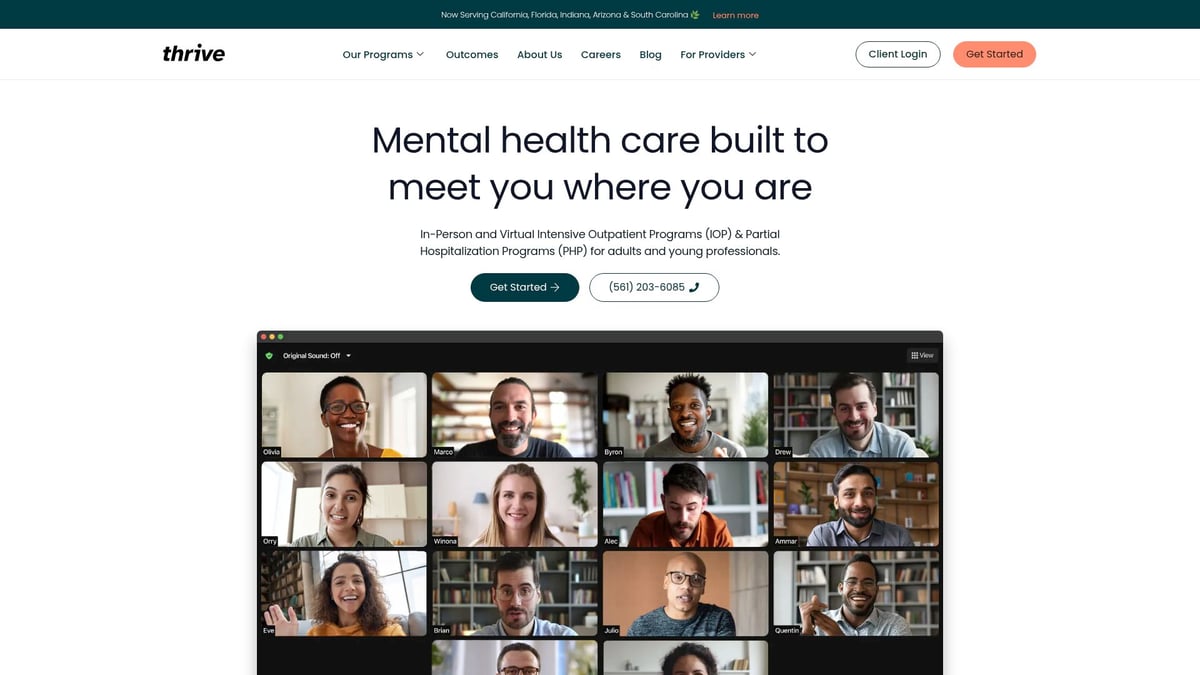
Key features include:
- Rapid access to care, often within 24 hours
- Personalized treatment plans and dedicated care coordinators
- Insurance navigation and support with authorizations
- Flexible scheduling and family involvement
- Strict confidentiality and privacy protections
If you are considering IOP, Thrive makes it easy to check your eligibility or connect with a care coordinator for a confidential, no-obligation conversation. Taking the first step toward better mental health is possible, and support is available when you are ready.
Navigating the Virtual IOP Experience: Step-by-Step Guide
If you are feeling overwhelmed by burnout, persistent anxiety, or simply stuck in your daily routine, you are not alone. Across California, Florida, Indiana, Arizona, and South Carolina, more people are reaching out to behavioral health providers for support. Intensive Outpatient Programs (IOPs), especially virtual options, offer a structured and flexible path to recovery. Here is a step-by-step guide to help you understand and navigate the virtual IOP experience.

Step 1: Recognizing the Need for Support
It can be difficult to admit when you need help. Signs that may indicate a virtual IOP is right for you include ongoing feelings of anxiety, depression, trouble focusing at work or school, and withdrawing from family or friends.
If daily tasks feel harder or you are struggling to manage stress, consider reaching out to behavioral health providers for guidance. Primary care doctors and mental health professionals can help assess if an IOP is appropriate for your situation. Self-assessment tools are also available online, helping you take the first step without pressure.
Remember, seeking support is a sign of strength, not weakness. Behavioral health providers are here to offer guidance and care without judgment.
Step 2: Finding the Right Provider
Selecting the right behavioral health providers is crucial for a positive IOP experience. Look for providers who are licensed, accredited, and have experience with intensive outpatient care in your state. Insurance compatibility is important, so confirm coverage before committing.
Use online provider directories, recommendations from your doctor, and reputable sources to compare options. The What are behavioral health IOPs? resource offers a clear explanation of IOPs and how to locate providers in regions like South Carolina. This can simplify your search and ensure you find a trusted fit for your needs.
Take time to ask questions and evaluate how each provider supports your recovery goals.
Step 3: The Intake and Assessment Process
Once you have selected behavioral health providers, the intake process begins. You will start with an initial consultation, where a licensed clinician will review your medical history, symptoms, and current challenges.
During this phase, you will learn about privacy safeguards, including HIPAA compliance and consent procedures. Insurance verification is also completed, so you understand any costs up front. Many virtual IOPs offer rapid access, sometimes allowing you to start care within 24 hours of your assessment.
This process is designed to be supportive and confidential, setting the stage for a personalized treatment plan.
Step 4: Participating in Virtual IOP Sessions
Virtual IOP sessions typically include a mix of group therapy, individual counseling, and sometimes family involvement. Sessions are scheduled throughout the week, often totaling 9 to 12 hours, allowing you to balance treatment with work, school, or family responsibilities.
You will need a device with internet access, but most behavioral health providers offer technical support to help you get started. Engagement is encouraged through interactive activities, regular check-ins, and strategies to reduce virtual fatigue.
Many people find virtual IOP just as effective as in-person care, with the added flexibility to join from home.
Step 5: Measuring Progress and Adjusting Care
Progress in a virtual IOP is monitored regularly by your care team. Behavioral health providers use outcome measures, patient feedback, and session reviews to track your improvement and adjust your treatment plan as needed.
You will have opportunities to discuss your goals, challenges, and successes during therapy sessions. Ongoing communication with your provider ensures your care remains effective and responsive to your needs.
When you are ready, your team will help transition you to less intensive support, continuing your journey toward wellness.
Overcoming Barriers: Equity, Cultural Competency, and Community Resources
Many people in California, Florida, Indiana, Arizona, and South Carolina feel overwhelmed by anxiety, burnout, or a sense of being stuck. For those searching for mental health IOP options, barriers like access, culture, and technology can make the process even more daunting. Understanding how behavioral health providers are working to remove these roadblocks is key to finding effective, compassionate care.

Addressing Health Disparities in Behavioral Health
Access to behavioral health providers is not equal for everyone. People in rural areas, low-income communities, and racial or ethnic minorities often face more obstacles to care. Data show that these groups experience higher rates of untreated mental health conditions and fewer opportunities for early intervention.
States like California and Florida have launched initiatives to bridge these gaps. Examples include expanding Medicaid coverage, investing in school-based mental health, and supporting local clinics. These efforts aim to make sure everyone, regardless of background or zip code, can connect with behavioral health providers when they need support.
Cultural Competency and Inclusive Care
Cultural competence is essential for behavioral health providers in 2026. Providers are now trained to recognize the unique experiences of each person, including language needs, religious beliefs, and family structures. Many offer services in multiple languages and provide LGBTQIA+ support and disability accommodations.
Accreditation bodies such as the NCQA Behavioral Health Accreditation set standards to ensure providers deliver inclusive, respectful care. Following these guidelines helps behavioral health providers create safer environments where every client feels understood.
Community and State Resources for Support
Connecting with community resources can make a big difference. In California, BrightLife Kids and Soluna offer virtual support for families and youth. Across Florida, Indiana, Arizona, and South Carolina, residents can access crisis lines, community mental health centers, and online peer groups.
Behavioral health providers often partner with these resources to offer wraparound support. This means clients can find help not only during IOP sessions but also in their day-to-day lives. Most state health departments maintain directories of local and virtual services to ensure no one feels alone.
The Role of Family and Social Support
Family involvement is a core part of many mental health IOP programs. Behavioral health providers encourage loved ones to join therapy sessions, attend educational workshops, and participate in support groups. This wraparound approach strengthens recovery and builds lasting resilience.
Support does not stop at the end of treatment. Many providers connect clients with ongoing community groups and resources, so the sense of connection and encouragement continues. These efforts help individuals maintain progress and reduce feelings of isolation.
Technology and Access: Closing the Digital Divide
As virtual IOP becomes more common, technology access is a growing concern. Not everyone has reliable internet or digital devices. To address this, behavioral health providers in California and other states offer telehealth training, loaner devices, and in-person alternatives for those who need them.
Programs in both urban and rural areas are working to close the digital divide. By removing technical barriers, behavioral health providers make sure that care is truly accessible to all, regardless of technical skill or resources. This commitment ensures that seeking help is possible for everyone, no matter where they are.
Choosing the Right Behavioral Health Provider for You
Feeling overwhelmed, anxious, or burned out can make searching for the right behavioral health providers feel daunting. If you are in Florida, California, Indiana, Arizona, or South Carolina and seeking a mental health IOP, clarity and support are within reach. This section walks you through key decision points, so you can confidently choose the best care for your needs.
Key Criteria for Provider Selection
Selecting behavioral health providers starts with looking for the right qualifications and approach. Choose providers with recognized accreditations, such as Joint Commission or CARF, and ensure their staff hold valid licenses and advanced training. Review their use of evidence-based treatment modalities, as these therapies show proven results in mental health IOP programs.
Consider the provider’s reputation through patient reviews and testimonials. Look for options that offer personalized care plans, rapid onboarding, and flexible scheduling. The best behavioral health providers focus on patient-provider fit, adapting their care to your unique needs for optimal support.
Comparing In-Person and Virtual IOP Options
Both in-person and virtual IOP models offer distinct benefits. In-person care allows for face-to-face interaction, which can foster immediate connections and hands-on support. However, virtual IOP is increasingly popular, especially in California, for its flexibility and accessibility.
When evaluating behavioral health providers, consider privacy, engagement, and outcomes. Virtual IOP platforms use secure technology and HIPAA-compliant systems to protect your information. Some individuals prefer the comfort of home, while others thrive in a physical group setting. Think about your daily routine and which model best supports your mental health IOP journey.
| Feature | In-Person IOP | Virtual IOP |
|---|---|---|
| Privacy | Private facility | Secure online platform |
| Flexibility | Fixed location/times | Attend from anywhere |
| Engagement | Face-to-face | Video, chat, digital tools |
Working with Your Insurance and Navigating Costs
Understanding insurance coverage is crucial when choosing behavioral health providers for a mental health IOP. Most major insurers, including Medicaid, Medi-Cal, and private plans in CA, FL, IN, AZ, and SC, offer coverage for IOP services. Start by reviewing your benefits and confirming that your provider is in-network.
Ask about authorizations, session limits, and out-of-pocket costs. If you need help, refer to this Virtual IOP insurance coverage guide for detailed steps. Many behavioral health providers offer financial assistance and sliding scale fees to ensure care remains accessible. Do not hesitate to appeal insurance denials or seek support with forms and paperwork.
Questions to Ask Potential Providers
Before committing to a program, prepare questions for behavioral health providers. Important topics include:
- What is your treatment approach and which therapies do you use?
- Are your therapists licensed and what are their qualifications?
- How do you handle emergencies or crisis situations?
- Is family involvement encouraged in the mental health IOP process?
- How do you protect my confidentiality and privacy?
During your initial consultation, ask these questions and listen closely to the responses. Use sample scripts such as, “Can you explain how you personalize care plans for each patient?” or “What support is available if I have a crisis outside session hours?” The best behavioral health providers will answer transparently and encourage your active participation.
Taking the Next Step: How to Get Started
Starting with behavioral health providers does not have to be complicated. Most offer a quick eligibility check, followed by a confidential, no-obligation consultation. You can often begin a mental health IOP within days of your first contact.
Rest assured, your privacy is a top priority at every stage. If you are ready to take the next step, reach out to a care coordinator who can answer your questions and guide you through the process. Exploring your options is a positive first move toward lasting mental health and well-being.
After learning about the different types of behavioral health providers and the innovative care models available in 2026, you might feel inspired to take the next step toward your own well-being. Whether you are considering a virtual or in-person Intensive Outpatient Program, finding the right support can make all the difference. At Thrive Mental Health, you can access expert-led, evidence-based care designed for your unique needs—with flexible options and insurance guidance every step of the way. If you are ready to explore your options or just want to see what support could look like for you, Get Started Now.