
Beyond the Canvas: Clinical Art Therapy Explained
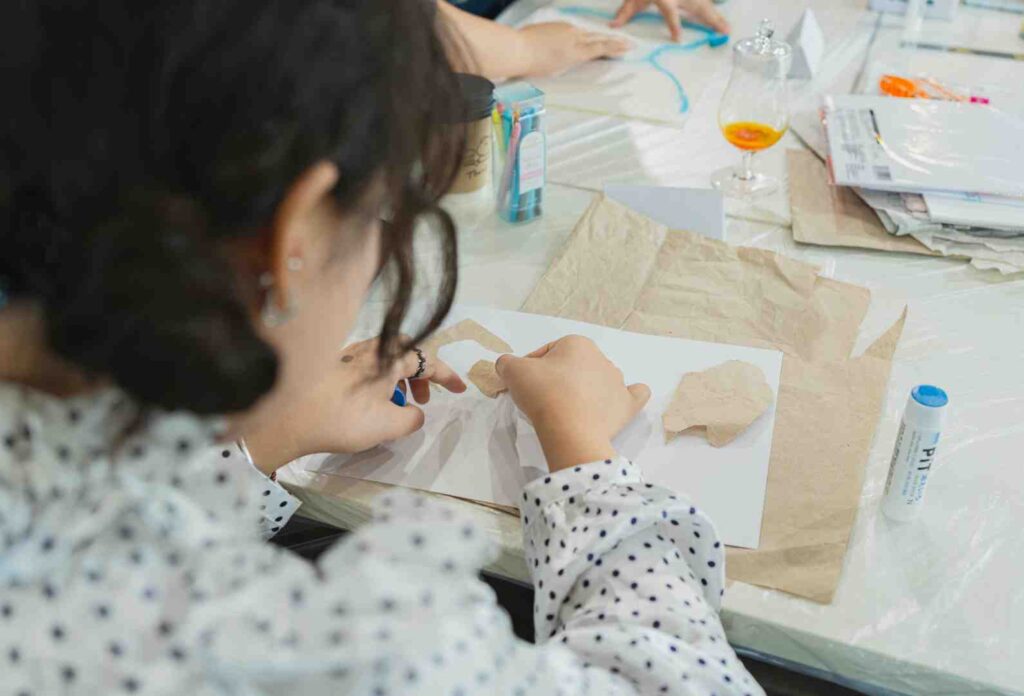
Beyond the Canvas: Clinical Art Therapy Explained [When Talk Therapy Isn’t Enough]
Clinical therapeutic activities art therapy is a licensed mental health treatment that combines psychotherapy with creative expression to help you process emotions, heal trauma, and break through barriers that traditional talk therapy can’t reach. It’s not about making “good” art—it’s about using guided, evidence-based activities to access feelings you can’t put into words and move recovery forward faster.
Quick Answer: What Is Clinical Art Therapy?
| What It Is | What It’s NOT |
|---|---|
| Licensed mental health treatment led by trained therapists | An art class or hobby |
| Uses creative activities to process emotions and trauma | About creating “good” or “pretty” art |
| Proven effective for anxiety, depression, PTSD, grief, family conflict | Recreation or self-help alone |
| Often covered by major insurance plans (Cigna, Optum, Florida Blue, Aetna, UnitedHealthcare) | Always out-of-pocket |
Who Benefits Most:
- People who struggle to express feelings verbally
- Trauma survivors who need non-verbal processing
- Families dealing with communication breakdowns
- Anyone stuck in traditional therapy without progress
Research shows that clinical therapeutic activities art therapy improves mental health symptoms in 7 out of 11 studies, reduces anxiety, strengthens family communication, and is cost-effective compared to standard care. You don’t need artistic talent—just a willingness to try something that works differently.
I’m Nate Raine, CEO of Thrive Mental Health, and I’ve spent over a decade leading innovation in behavioral health, including integrating evidence-based therapies like clinical therapeutic activities art therapy into our IOP and PHP programs across Florida. At Thrive, we’ve seen how guided art therapy accelerates healing for individuals and families who feel stuck in traditional treatment.
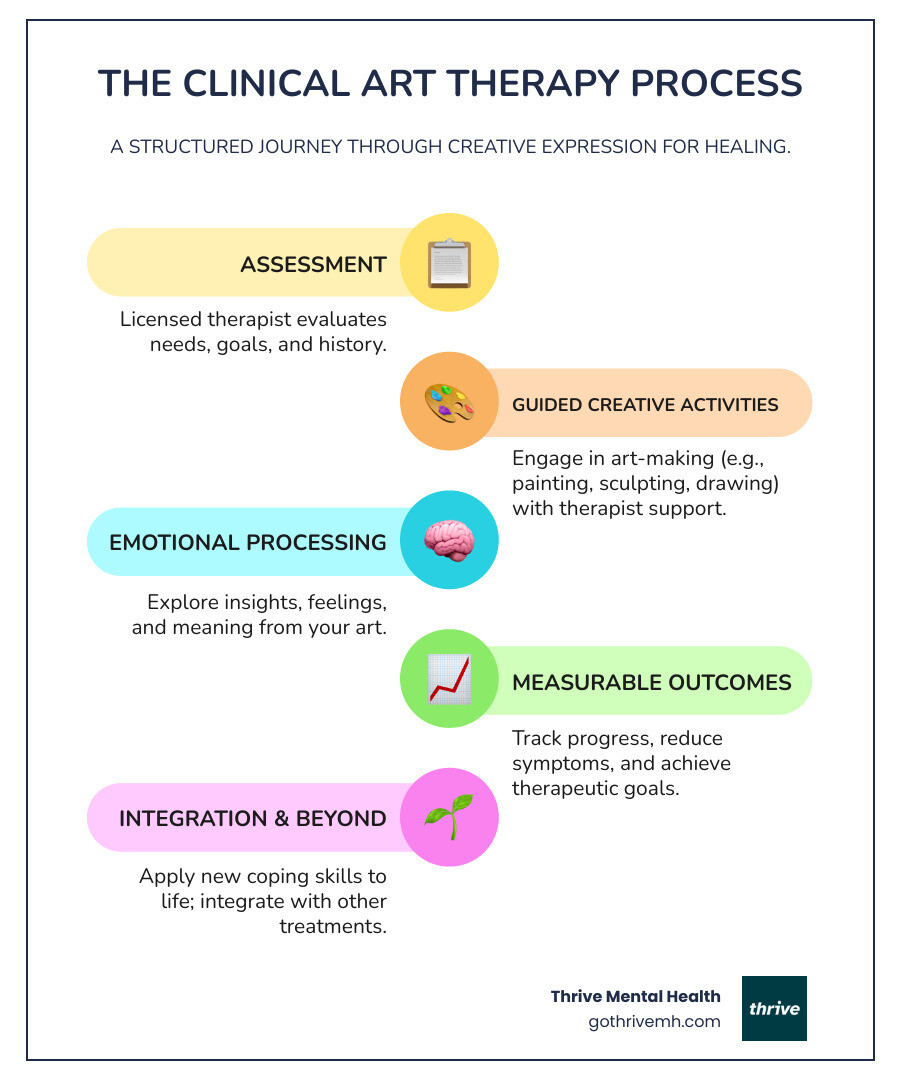
Clinical therapeutic activities art therapy terminology:
What Is Clinical Art Therapy? [How It Works & Why It’s Different]
Clinical art therapy is more than just making art. It’s a licensed mental health treatment that blends psychotherapy with creative expression. Unlike an art class, the focus is on your emotions—not your artistic skill. Sessions are led by a licensed art therapist in a safe, confidential space and can be integrated into structured levels of care like Intensive Outpatient Programs (IOP) and Partial Hospitalization Programs (PHP).
The American Art Therapy Association defines art therapy as a therapeutic modality that combines the creative process of making art with techniques used in traditional therapy. The term itself was coined by British artist Adrian Hill in 1942, who recognized the healing potential of creative expression. In a formal environment, a licensed art therapist guides individuals of all ages and backgrounds to heal from stress, trauma, and other challenges.
So, how does it differ from traditional psychotherapy? While traditional psychotherapy relies heavily on verbal conversations and analytical methods, art therapy focuses on using art as a tool for expression and communication. Both aim to help individuals work through emotional challenges, but art therapy offers a unique avenue for deep self-findy, especially when words fall short. This approach can be particularly beneficial for those who find it difficult to convey their experiences verbally.
How Art Therapy Breaks Down Verbal Barriers
Ever feel like words just aren’t enough? Clinical art therapy helps you express trauma, anxiety, and pain when talking fails. Through metaphor, symbolism, and non-verbal communication, you can access and process deep emotions—especially helpful for trauma, family conflict, or when you just can’t find the words.
For individuals and families struggling with verbal expression, art provides an alternative, non-threatening way to communicate. The creative process allows for the externalization of internal experiences, making complex emotions and thoughts tangible. This can be incredibly powerful for trauma survivors, children, or even adults who are resistant to traditional talk therapy. It helps lower emotional defenses, allowing individuals to express themselves without feeling the need to explain or defend their feelings. This non-verbal dialogue can illuminate underlying issues and facilitate a deeper understanding of personal and family dynamics.
At Thrive, we see this every day in our virtual therapy, IOP, and PHP programs across Florida. When people are struggling, facing a challenge, or even a health crisis, their own words or language can sometimes fail them. Art therapy taps into this power of non-verbal expression, providing a safe space where emotions can be freely expressed without the limitations of language or fear of judgment. This alternative communication channel can be transformative for individuals and families seeking healing.
Learn more about Thrive’s IOP and PHP programs
Core Principles: Growth, Self-Esteem, and Real Change
Clinical art therapy is client-centered. You set the pace. The therapeutic relationship builds trust, self-awareness, and real growth. Benefits go beyond mental health—improving self-esteem, relationships, and even physical well-being.
The core principles of art therapy revolve around the belief that the creative process involved in artistic self-expression helps people resolve conflicts, reduce stress, develop self-awareness, manage behavior, and increase self-esteem. Art therapy is not about diagnosing or interpreting the art itself, but rather about facilitating a process where individuals can explore their inner world and gain insight.
For families, art therapy can be particularly impactful. It strengthens communication by offering a common ground for shared experience and expression. When family members engage in creative activities together, they often find new ways to interact, listen, and empathize with each other. This shared process can promote emotional healing within families by:
- Bridging Communication Gaps: Visual expression can bypass verbal defenses, allowing unspoken feelings and perceptions to emerge.
- Fostering Empathy and Mutual Understanding: Seeing each other’s artistic creations can offer profound insights into family members’ perspectives and emotional states, leading to greater compassion.
- Validating Feelings: The act of creating and sharing art validates each family member’s experience, making them feel heard and understood.
- Creating Opportunities for Constructive Dialogue: The artwork serves as a catalyst for discussion, guiding conversations toward resolution and healing.
Art therapy also plays a significant role in fostering self-esteem and personal growth. Through the act of creation, clients experience a sense of accomplishment and mastery. This process helps individuals recognize their strengths, build confidence, and develop a more positive self-image. As the American Art Therapy Association notes, art therapy aims to improve cognitive and sensorimotor functions, foster self-esteem and self-awareness, cultivate emotional resilience, promote insight, improve social skills, reduce and resolve conflicts and distress, and advance societal and ecological change. Thrive’s programs are built around these principles, providing a safe space where emotions can be expressed freely, fostering personal growth and promoting mental wellness.
7 Clinical Therapeutic Activities in Art Therapy That Work [For Anxiety, Trauma & Depression]
These activities are proven to help with anxiety, trauma, depression, and more. No artistic talent needed—just a willingness to try. We offer these as part of our comprehensive IOP and PHP programs in Florida, customized for individuals, couples, and families, both in-person and through virtual therapy.
1. Mandala Drawing: Calm Anxiety in 20 Minutes
Drawing circular patterns reduces negative emotions and boosts focus. Mandalas are a mindfulness tool—backed by science—to help you ground yourself fast. A mandala is a 2D, circular drawing that can contain patterns, sketches, or additional drawings inside. There are no hard rules when it comes to creating them, making them accessible to everyone.
Scientific research supports the power of mandala drawing. A study by the National Library of Medicine found that mandala drawing has the power to reduce negative emotions in its creators. This activity can be used to help clients de-stress in the moment, offering a focused and meditative experience. We often incorporate this into our anxiety management plans within higher levels of care.
2. Clay Sculpting: Release Emotions You Can’t Say
Working with clay is a powerful, hands-on way to express and release tough feelings. It’s especially grounding for PTSD and trauma. The tactile nature of clay allows for a unique form of non-verbal expression. You can mold and shape it to represent your emotions or recreate something that brings you joy.
As noted by Spotted Rabbit Studio, “Sculpting with clay can become a powerful metaphor for personal growth and development.” The act of stretching, pummeling, and flattening clay can be a visceral way to express intense emotions like frustration or anger, providing a healthy outlet. This activity is excellent for individuals who struggle to articulate their feelings verbally, offering a physical manifestation of their internal landscape.
3. Mask Making: Find Your True Self
Mask making helps you explore your inner and outer identity—how you see yourself vs. how others see you. This is a go-to for social anxiety and self-esteem work. Clients can create a mask that represents different emotions or aspects of their personality.
A common tactic is painting how you think others see you on the exterior, while on the interior, you paint how you truly feel or see yourself. This process can bring subconscious thoughts and feelings to the surface, fostering self-awareness and understanding of identity. It’s particularly effective in group settings, such as group tracks within IOP or PHP, where sharing masks can lead to deeper discussions about self-perception and social interaction.
4. Family Sculpt or Collaborative Drawing: Heal Relationships
Visualize family roles, improve communication, and process grief or loss. These activities help families see and heal their dynamics—fast. In family art therapy, the focus is on the interactions and shared creations.
Family therapy art activities we often use include:
- Family Murals: Each family member contributes to a collective art piece, allowing for non-verbal communication about roles, boundaries, and shared experiences. This can reveal unspoken tensions or strengths within the family unit.
- “Bridge Drawing”: Family members draw a bridge together, representing their connections and challenges. This activity can highlight communication styles and areas needing improvement.
- Emotion Wheels/Family Collages: Families can create a shared emotion wheel using colors and symbols to represent feelings, or make a family collage using images that represent their collective experiences, feelings, and aspirations. This encourages empathy and understanding of each other’s emotional worlds.
- Story Stones (Family Version): Each family member paints images on stones, and then together, they create a collaborative story, allowing them to explore narratives and themes that are meaningful to their family unit.
These activities are especially potent for addressing issues like grief, trauma, or communication breakdowns within families. They offer a safe, creative space to explore complex dynamics and build stronger bonds.
5. Visual Journaling: Track and Tame Depression
Combine art and writing to explore emotions over time. No rules, no judgment—just a safe space to process and heal. An art journal is a personal, ongoing record of your thoughts, feelings, and experiences expressed through a combination of drawing, painting, collage, and writing.
Mindful Art Studio states that “It’s one of the most forgiving ways to make art because in an art journal, everything belongs.” This freedom from judgment allows for authentic self-expression and can be a powerful tool for self-reflection and emotional processing. It helps clients track their emotional progress, identify patterns, and gain insight into their mental state, making it highly effective for managing depression and fostering self-awareness.
6. Story Stones: Rewrite Your Story
Paint images on stones to create and share personal stories. This activity helps you explore themes, build resilience, and find meaning. Commonly used by educators and therapists, story stones allow individuals, especially children and teens, to use their imagination and narrative skills.
This technique is particularly useful for exploring difficult experiences or future aspirations in a less direct, more playful way. By arranging the stones and telling a story, clients can externalize their challenges, explore different outcomes, and reframe their narratives, which is crucial for building resilience and personal growth.
7. Body Mapping: Reconnect After Trauma
Outline your body, use colors to show where you feel emotions or trauma. This helps reconnect mind and body—crucial for PTSD recovery. Trauma often disconnects individuals from their physical sensations, leading to dissociation. Body mapping is a powerful somatic art therapy technique that helps clients visualize and locate emotions, physical sensations, and areas of tension or comfort within their bodies.
Using different colors, textures, or symbols, clients can draw how they experience their trauma or emotions physically. This externalization can lead to greater body awareness, emotional regulation, and a sense of integration, which is vital for healing from PTSD. At Thrive, body-based art interventions like this are often combined with evidence-based therapies such as CBT or DBT within our structured programs to create deeper, more sustainable change.
How to Find a Qualified Art Therapist [Credentials, Costs, and What to Expect]
To ensure you receive effective and ethical care, it’s crucial to work with a qualified art therapist. Look for a licensed art therapist with a master’s degree, supervised clinical hours, and strong ethical standards. Confidentiality is a must.
In the United States, professional art therapists typically hold a master’s degree in art therapy or a related field with an art therapy concentration, such as Antioch University’s MA in Clinical Mental Health Counseling with an Art Therapy Concentration. This training ensures they are well-versed in both counseling psychology and fine arts. Graduates are prepared to use innovative and inclusive methods to foster healing.
Key qualifications include:
- Master’s Degree: This is the minimum educational requirement.
- Supervised Clinical Practicum Hours: Extensive supervised clinical experience is essential for developing practical skills and ethical practice.
- Board Certification: Many art therapists pursue Board Certification (ATR-BC) through the Art Therapy Credentials Board, demonstrating advanced competence.
- Ethical Considerations: Art therapists adhere to a strict Code of Ethics and Standards of Practice, ensuring client safety, confidentiality, and professional conduct.
At Thrive Mental Health, our art therapists are highly trained professionals who integrate art therapy into our IOP, PHP, and virtual therapy programs. We prioritize ethical practice and client well-being, ensuring our team meets rigorous standards.
Learn more about the path to becoming a board-certified art therapist from the American Art Therapy Association.
Is Art Therapy Covered by Insurance in Florida?
Art therapy is often covered by major insurers—especially in Florida. Virtual and hybrid options make it more accessible than ever.
The cost of therapy is a common concern, but many insurance plans recognize art therapy as a legitimate and effective mental health treatment when it is part of an overall treatment plan. This means that if you have coverage from providers like Cigna, Optum, Florida Blue, Aetna, or UnitedHealthcare, your art therapy sessions within IOP or PHP may be partially or fully covered.
| Service | Typical Cost Range (Out-of-Pocket) | Insurance Coverage |
|---|---|---|
| Individual Therapy Session | $75 – $200+ per session | Often covered by major plans |
| Group Art Therapy Session | $30 – $80+ per session | Often covered as part of mental health benefits |
| Clinical Art Therapy | Comparable to individual/group therapy | Often covered by major plans (Cigna, Optum, Florida Blue, etc.) |
| Thrive’s Virtual IOP/PHP | Varies by program intensity | In-network with many major insurers |
We encourage you to verify your specific benefits, as coverage can vary based on your plan and deductible. Thrive Mental Health is committed to making evidence-based treatment accessible, and our team can help you steer your insurance benefits for our virtual and hybrid IOP/PHP programs across Florida.
Check your insurance coverage now
Explore Thrive’s Virtual Therapy options
Does Clinical Art Therapy Actually Work? [The Evidence]
Clinical art therapy delivers real results—especially for anxiety, depression, trauma, and family conflict. Studies show significant positive changes and cost-effectiveness for non-psychotic mental health disorders.
The effectiveness of art therapy is increasingly supported by research. A systematic review and cost-effectiveness analysis published in BMC Psychiatry found that art therapy was associated with significant positive changes relative to the control group in mental health symptoms in 7 of 11 studies. This review focused on people with non-psychotic mental health disorders (e.g., depression, anxiety, phobias). The study also noted that group art therapy appeared cost-effective compared with a wait-list control with high certainty.
Another comprehensive systematic review and meta-analysis on Active Visual Art Therapy (AVAT) and Health Outcomes found that AVAT was associated with an improvement in 18% of the 217 outcomes analyzed compared to controls (1%). Most outcome measures focused on depression, anxiety, self-esteem, social adjustment, and quality of life. While the overall quality of studies remains a challenge, the consistent positive findings across various conditions and populations are encouraging.
The American Art Therapy Association’s Research Outcome Bibliography provides further empirical evidence of its use and effectiveness across diverse populations, including individuals dealing with trauma, grief, and various mental health challenges. Art therapy offers a range of psychological, physical, and sociological benefits, contributing to overall well-being.
While some studies highlight limitations, such as the need for more high-quality randomized controlled trials and consistency in outcome measures, the existing evidence strongly suggests that clinical therapeutic activities art therapy is a valuable and effective intervention. It serves as a more acceptable alternative for individuals who find verbal expression difficult and can be integrated into comprehensive treatment plans to improve recovery.
Systematic review of effectiveness
Related Thrive blog: “How IOP Programs Speed Up Recovery”
Frequently Asked Questions about Clinical Art Therapy
Is clinical art therapy real therapy or just arts and crafts?
Clinical art therapy is a licensed mental health treatment, not a craft class. It is delivered by trained professionals and often combined with evidence-based approaches like CBT or DBT inside structured programs such as IOP and PHP.
What if I’m not artistic at all?
You don’t need art skills. It’s about expressing feelings, not making “good” art. Your therapist guides you—no judgment. The focus is always on the process and the insights gained, not the aesthetic quality of the artwork.
How is clinical art therapy different from doing art at home?
While making art at home can be therapeutic, clinical art therapy is led by a licensed therapist who uses proven, evidence-based activities specifically designed to target your mental health goals. It’s a structured, guided, and confidential process within a therapeutic framework, unlike recreational art.
What problems can art therapy help with?
Art therapy is supported by research for anxiety, depression, PTSD, grief, family conflict, and low self-esteem. It can also help with communication issues, emotional regulation, and personal growth. Thrive offers it within IOP, PHP, and virtual programs for adults and young professionals across Florida.
Is art therapy available virtually?
Yes—Thrive offers virtual and hybrid art therapy as part of IOP and PHP programs, with evening options for busy schedules. This makes high-quality, expert-led art therapy accessible from the comfort of your home within our service areas.
Will my insurance cover art therapy?
Many plans (Cigna, Optum, Florida Blue, Aetna, UnitedHealthcare, and more) cover art therapy when provided as part of a mental health treatment plan in Florida. We recommend checking your specific policy details or using our quick online tool to verify your coverage in 2 minutes.
Check your coverage in 2 minutes.
Your Next Step: Start Healing with Clinical Art Therapy
Clinical therapeutic activities art therapy can help you break through where words fail. You’ll gain new tools for anxiety, trauma, and depression—often faster and more deeply than talk therapy alone. Thrive Mental Health offers expert-led, insurance-friendly IOP and PHP programs (virtual and hybrid) throughout Florida, including major metros like Tampa Bay, Miami, Orlando, and Jacksonville.
Art therapy at Thrive is not a side activity—it is woven into comprehensive, outcomes-focused care that includes psychiatry, skills groups, and measurable progress tracking. If you feel stuck, overwhelmed, or like weekly therapy isn’t enough, a higher level of care that includes clinical art therapy may be the missing piece.
Ready for support? Thrive offers virtual and hybrid IOP/PHP programs with evening options. Verify your insurance in 2 minutes (no obligation) → Start benefits check or call 561-203-6085. If you’re in crisis, call/text 988.
If you’re in crisis, call/text 988 right now. You are not alone.