
An Essential Guide to Dangers of EMDR Therapy Side Effects

Dangers of EMDR therapy side effects: 1 Essential Guide
Understanding the Real Risks: What You Need to Know About EMDR Safety
Concerns about the dangers of EMDR therapy side effects are common, but most fears are based on myths, not medical reality. Here’s what you actually need to know.
Common EMDR Side Effects (Usually Temporary):
- Vivid dreams or nightmares (24-48 hours post-session)
- Emotional sensitivity or feeling “raw”
- Fatigue, headaches, or lightheadedness
- New memories surfacing
- Temporary increase in distress during processing
Serious Risks (Rare, But Manageable With a Qualified Therapist):
- Retraumatization if not properly paced
- Dissociation or feeling detached
- Emotional flooding without adequate coping skills
- Worsening symptoms if you have active psychosis, severe dissociation, or unmanaged substance use
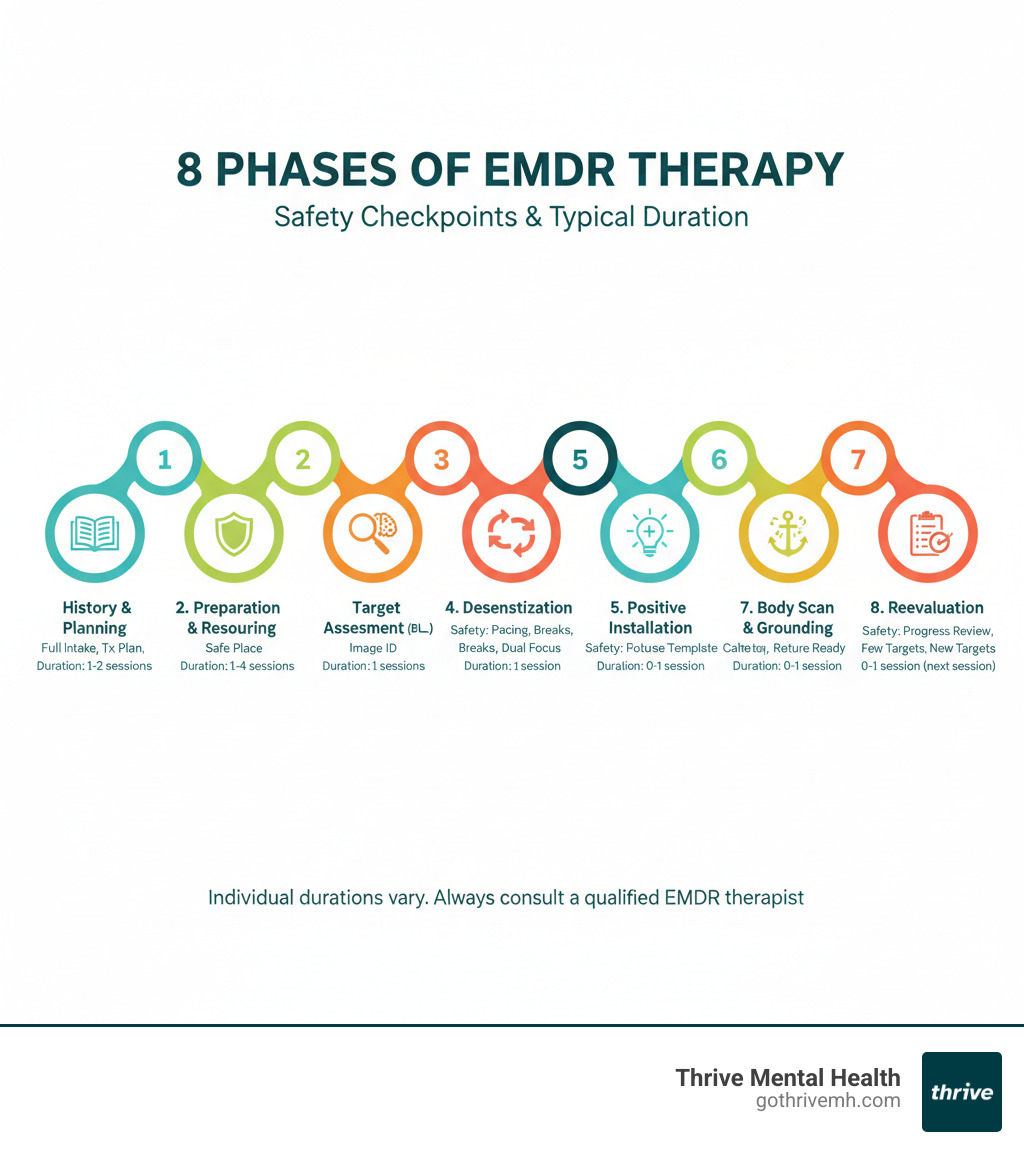
The Bottom Line: EMDR is recognized by the World Health Organization and the American Psychiatric Association as a safe, first-line treatment for PTSD. The key is working with a certified therapist who follows the proper 8-phase protocol and equips you with grounding techniques before reprocessing begins.
Developed by Dr. Francine Shapiro in 1989, Eye Movement Desensitization and Reprocessing (EMDR) has transformed trauma treatment. Research shows 91% of patients no longer meet PTSD criteria after treatment—far outpacing medication alone. The real danger isn’t EMDR itself; it’s misinformation or choosing an undertrained therapist who skips critical safety steps.
This guide separates evidence-based concerns from internet myths, so you can make an informed decision. I’m Nate Raine, CEO of Thrive Mental Health, where we’ve helped thousands of clients in Florida through evidence-based trauma therapies like EMDR. Understanding the dangers of EMDR therapy side effects is critical to ensuring safe, effective care.
Quick look at dangers of EMDR therapy side effects:
- EMDR: A Complete Guide
- bilateral stimulation
- Why EMDR Works: The Role of Eye Movements and Brain Connectivity
Is EMDR Actually Dangerous? Separating Fact from Fiction
When people search for the dangers of EMDR therapy side effects, they’re often worried about myths like false memories or hypnosis. The truth is, EMDR is one of the most researched trauma treatments available, endorsed as a first-line PTSD treatment by the World Health Organization and the American Psychiatric Association.
At Thrive Mental Health, we’ve used EMDR successfully with thousands of clients in our Florida-based IOP and PHP programs. Its success is built on the Adaptive Information Processing (AIP) model. Think of your brain as having a filing system; trauma jams this system, leaving memories stuck with their original intensity. EMDR uses bilateral stimulation (eye movements, sounds, or tapping) to help your brain unstick these memories and file them correctly. The memory remains, but it loses its power to hijack your nervous system. The process follows a strict eight-phase protocol, which you can learn more about here: What is EMDR and How Does it Work?
The Myth of “False Memories” and Hypnosis
One of the biggest misconceptions is that EMDR creates false memories or involves hypnosis. Neither is true. You are completely awake, in control, and can stop at any time. EMDR works with what’s already there; it doesn’t implant ideas. Research confirms that EMDR doesn’t compromise memory accuracy. You’re not creating a false narrative; you’re changing your relationship to a real event. A major benefit is that you don’t have to talk through every painful detail, which can be a relief for those who find verbalizing their trauma retraumatizing.
Why a Certified Therapist is Your #1 Safety Net
The single greatest risk with EMDR isn’t the therapy—it’s an undertrained therapist. You need someone with EMDRIA certification, the gold standard from the EMDR International Association. An undertrained therapist might skip the crucial preparation phase, leading to overwhelm and retraumatization. A properly trained therapist spends sessions preparing you with coping skills, grounding techniques, and a mental “safe place” before any reprocessing begins. This foundation is your safety net. When looking for a therapist, ask if they are EMDRIA-certified. For more guidance, visit our resource: Find Top EMDR Therapist.
The “EMDR Hangover”: What to Really Expect After a Session

Your brain continues processing long after an EMDR session ends. This is often called the “EMDR hangover,” and it’s not a sign something is wrong—it’s proof the therapy is working. As your brain reorganizes traumatic memories, you might feel a heightened awareness of your thoughts and emotions for a few hours to a couple of days. This is normal.
You might feel emotionally “raw” or more sensitive. This isn’t regression; it’s your emotional system recalibrating as it heals. The key is to stay in contact with your therapist to help you steer the experience.
Common, Manageable Side Effects
- Vivid dreams or nightmares: Your brain processes information during sleep, so dreams may intensify as you work through trauma.
- Lightheadedness or dizziness: This can occur from eye movements and is usually brief. Your therapist can switch to tapping or tones if it persists.
- Fatigue: Processing trauma is exhausting. Give yourself permission to rest.
- Headaches: Often from eye strain or muscle tension. Stay hydrated and talk to your therapist if they become a pattern.
- New memories surfacing: Processing one memory can trigger related ones that also need healing. These become targets for future sessions.
- Increased emotional sensitivity: You might cry or feel irritated more easily. This is temporary and shows your emotional system is becoming more responsive.
Severe Dangers of EMDR Therapy Side Effects: Retraumatization and Dissociation
If you feel overwhelmed or are in crisis, call or text 988 immediately. You are not alone.
While most side effects are manageable, serious risks like retraumatization and dissociation are why a qualified therapist is non-negotiable.
Retraumatization occurs when the process is rushed, forcing you to relive trauma in a way that re-injures you. A skilled therapist prevents this by carefully pacing the work, ensuring you have coping skills, and using a “safe place” technique to manage intensity.
Dissociation is a mental disconnect that can be a pre-existing coping mechanism for those with complex trauma. A competent therapist screens for dissociative symptoms and adjusts the approach to prevent triggering episodes, ensuring you remain stable and safe.
Emotional flooding is another risk, where emotions overwhelm your ability to cope. This is why the preparation phase, where you build grounding and self-soothing skills, is essential. At Thrive Mental Health, we integrate these strategies throughout our Florida-based programs and offer resources on Effective Strategies for Managing Trauma and Its Triggers. These severe risks are real but preventable with a certified therapist who prioritizes your stability.
Who Should Avoid EMDR? [Key Risk Factors & Contraindications]

EMDR is powerful, but it’s not right for everyone at every moment. Timing and readiness matter. Some conditions require building stability before starting deep trauma work. A thorough patient screening is your first line of defense against the potential dangers of EMDR therapy side effects.
At Thrive Mental Health, our comprehensive assessments ensure safety comes first. We work with providers like Cigna, Optum, and Florida Blue to help you verify benefits before starting treatment. Stability is crucial, especially for those with Complex Trauma, where a more gradual approach is needed.
Conditions Requiring Extreme Caution
- Severe dissociative disorders: EMDR requires a highly specialized approach with a long stabilization phase to prevent destabilization.
- Active psychosis: Hallucinations or delusions are a general contraindication. The intensity of EMDR could worsen symptoms. While some research is emerging, stabilization is the priority. A 2020 review on EMDR for psychosis highlights the need for caution.
- Unmanaged substance use: Alcohol and drugs interfere with the brain’s ability to process information, making EMDR less effective and potentially overwhelming. Most therapists require a period of sobriety or stabilized use.
- Acute suicidal ideation: This requires immediate crisis intervention. If you are in active crisis, call or text 988 immediately. Safety planning comes first; EMDR can be part of your long-term healing once you are stable.
- Certain physical health conditions: Discuss epilepsy or chronic migraines with your therapist. While EMDR is generally safe, they can switch from eye movements to tapping to avoid triggering symptoms.
Is EMDR Right For You? A Self-Check
Before starting, honestly assess your readiness with your therapist. Key questions to consider include:
- Emotional Stability: Can you tolerate uncomfortable feelings without spiraling? Or does distress feel constant?
- Support System: Who can you call if you have a rough night after a session? A strong support network is vital.
- Therapy Goals: Are you aiming to process specific memories and reduce their charge? Realistic expectations are important.
- Willingness for Discomfort: Are you prepared for things to feel worse before they get better? This mindset is crucial.
- Trust in Your Therapist: Do you feel safe and heard? The therapeutic relationship is the foundation for effective EMDR.
If you realize you need more support before starting EMDR, our IOP and PHP programs in Florida are designed to build the stability and skills required for safe and effective trauma work.
Your Safety Checklist: How to Minimize Risks and Prepare for EMDR

Minimizing the dangers of EMDR therapy side effects is about being proactive, not fearful. Taking the right steps beforehand sets you up for transformative healing. Open communication, a solid self-care plan, and asking the right questions are the tools that make EMDR safe and effective.
Finding a Qualified EMDR Therapist
The single biggest factor in your safety is the person delivering the therapy. Here’s what to do:
- Verify Credentials: Only work with a therapist who has EMDRIA-approved training. You can confirm their certification on the EMDRIA website.
- Ask Key Questions: During your consultation, ask: “What’s your experience with my specific type of trauma?” and “What safety measures do you use when sessions get intense?” A skilled therapist will clearly explain their preparation process and how they manage distress.
- Trust the Alliance: Beyond credentials, trust your gut. The quality of your relationship with your therapist is essential for effective EMDR. You must feel safe and heard. For more guidance, see our resource on finding an EMDR Therapist.
Managing the Dangers of EMDR Therapy Side Effects Post-Session
What you do between sessions significantly impacts your progress. Build a self-care toolkit:
- Practice Grounding: Use the 5-4-3-2-1 technique to anchor yourself in the present. Identify 5 things you see, 4 you can touch, 3 you can hear, 2 you can smell, and 1 you can taste.
- Keep a Journal: Note any thoughts, feelings, or dreams that surface. This helps you track your progress and provides valuable information for your therapist.
- Use Gentle Movement: A walk, yoga, or stretching can help your nervous system regulate and discharge stress.
- Prioritize Hydration and Rest: Processing trauma is exhausting. Drink plenty of water and get enough sleep, especially on session days.
- Communicate Openly: If side effects feel overwhelming or last more than a few days, contact your therapist immediately. They are your primary support and need to know how you’re doing.
Frequently Asked Questions about EMDR Risks
Here are answers to the most common questions we hear from clients in Florida considering EMDR at Thrive Mental Health.
How long do EMDR side effects last?
Most temporary side effects like vivid dreams or emotional sensitivity last for about 24-48 hours after a session as your brain continues to process. For some, these effects might linger for up to a week. The key is that they are temporary. If you feel overwhelmed for more than a couple of days, contact your therapist.
Can EMDR make PTSD or anxiety worse?
You might feel a temporary increase in distress as you begin accessing difficult memories. This is a normal part of the process, not a sign your condition is worsening. A skilled therapist manages this discomfort, which leads to long-term symptom reduction, not an increase in PTSD or anxiety.
Is EMDR safe to do virtually?
Yes. EMDRIA has confirmed that virtual EMDR therapy is safe and effective when delivered by a trained therapist. The key is having a private, secure space with a reliable internet connection. Many clients prefer processing in the comfort of their own home.
What are the physical side effects of EMDR?
It’s common to experience mild and short-lived physical side effects like headaches, dizziness, fatigue, and muscle tension. These usually resolve within a day or two. Staying hydrated and resting helps. If they persist, your therapist can switch to other forms of bilateral stimulation, like tapping.
Your Path to Safe and Effective Healing
EMDR is a powerful, evidence-based tool for trauma recovery, not a procedure to be feared. The dangers of EMDR therapy side effects are manageable risks that a qualified professional is trained to mitigate.
The difference between a safe, transformative experience and a risky one comes down to two things: choosing a certified therapist and actively participating in your safety plan. When you work with an EMDRIA-certified professional who prepares you with grounding techniques and respects your pace, you set yourself up for profound healing.
Yes, you might experience temporary discomfort, but these are signs that healing is happening. At Thrive Mental Health, we’ve seen countless clients in Florida find their way forward through carefully guided EMDR work integrated into our IOP and PHP programs.
You deserve trauma treatment that is both effective and safe. You deserve to know that the temporary challenges of EMDR are stepping stones on your path to lasting relief.
Ready for support? Thrive Mental Health offers virtual and hybrid IOP/PHP programs for Florida residents, with evening options designed to fit your life while delivering intensive, evidence-based care. Verify your insurance in 2 minutes (no obligation) → Start benefits check or call 561-203-6085. If you’re in crisis, call/text 988.