The Best Affordable Online Therapies for Severe Anxiety

Find affordable online therapy options for severe anxiety: Top 4
Why Severe Anxiety Shouldn’t Cost You Everything—Or Keep You Stuck
Find affordable online therapy options for severe anxiety if you’re tired of panic attacks controlling your life, can’t afford $200-per-session therapy, or live somewhere without decent mental health care nearby. Here’s what actually works:
Top affordable online therapy approaches for severe anxiety:
- Subscription-based platforms: Offer weekly or monthly plans that include sessions and messaging, with costs often ranging from $240–$360/month. Many provide financial aid.
- Pay-per-session directories: Allow you to find therapists with sessions starting as low as $30–$60, sometimes requiring a one-time membership fee.
- Community mental health centers: Provide services on a sliding scale, which can sometimes be free depending on your income.
Most major insurance plans (Cigna, Optum, Florida Blue, Aetna) cover online therapy. If you’re uninsured, low-cost directories and university clinics offer sessions starting at $30. For severe anxiety that needs more than weekly sessions, virtual Intensive Outpatient Programs (IOP) provide structured daily support—often fully covered by insurance.
Severe anxiety isn’t just “feeling stressed”—it’s panic attacks that disrupt your life and a constant sense of dread that keeps you up at night. When traditional therapy costs $100–$300 per session, real help can feel out of reach.
The good news? Online therapy makes expert care accessible and affordable. Research shows 70% of people see symptoms improve within 3 months, and 80% find it as effective as in-person care.
But not all online therapy is the same. Some platforms use unlicensed coaches, while others don’t take insurance. For severe anxiety—when you can’t leave the house or have daily panic attacks—standard weekly sessions may not be enough.
This guide breaks down exactly how to find affordable online therapy options for severe anxiety that actually work. We’ll cover insurance hacks, payment models, free resources, and when you need more intensive care than a standard weekly session can provide.
As the CEO of Thrive Mental Health, I’ve seen how structured, accessible care helps people overcome severe anxiety. Our virtual IOP and PHP programs are built to provide more support than traditional weekly therapy, leading to measurable, lasting recovery. This guide will show you how to find affordable online therapy options for severe anxiety that truly work.
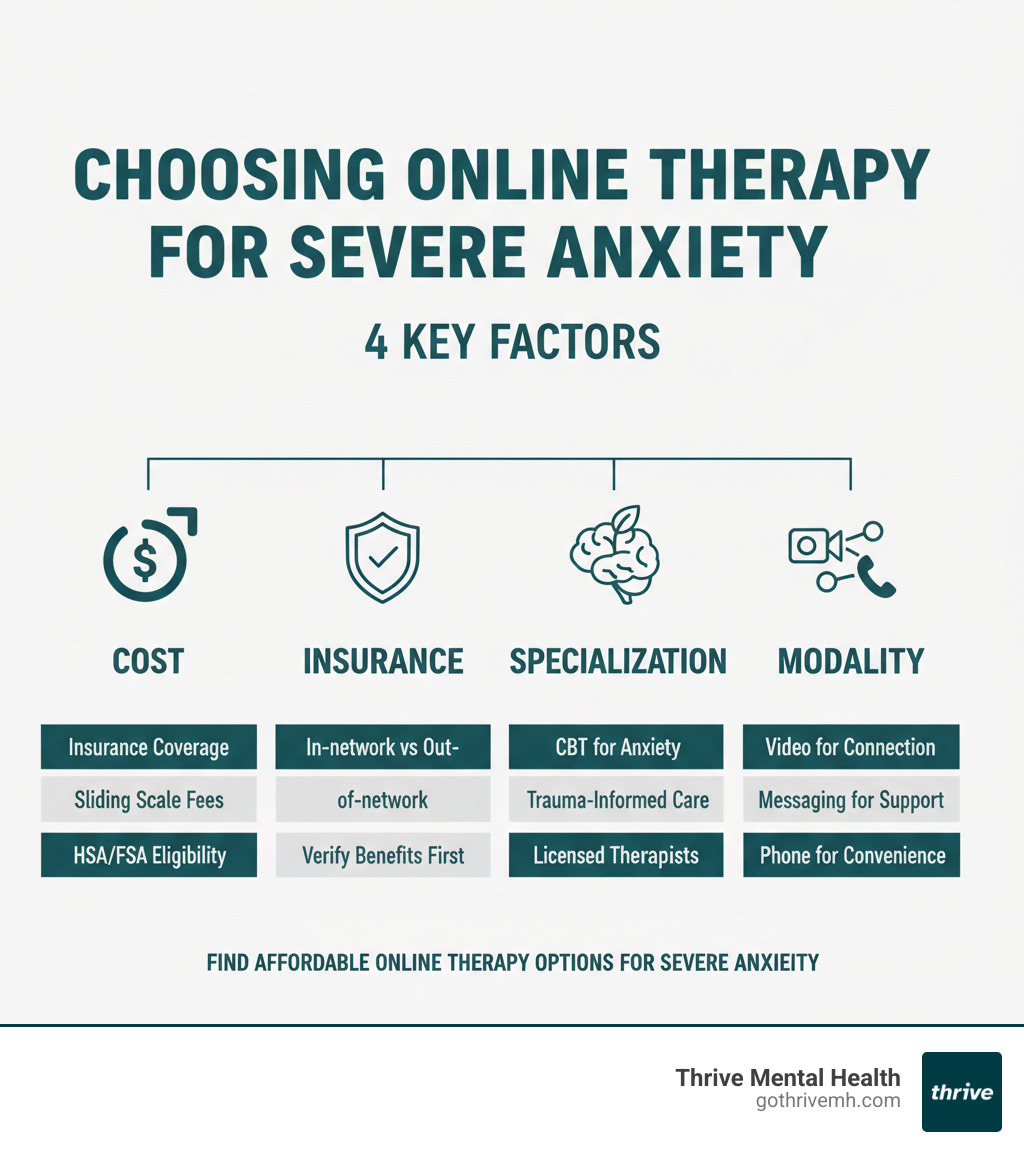
Find affordable online therapy options for severe anxiety. terms explained:
Why Online Therapy Can Be a Lifeline for Severe Anxiety (If You Choose Right)
When you’re dealing with severe anxiety, just leaving the house can trigger a panic attack. The idea of driving to an office and sitting in a waiting room can feel impossible.
That’s why online therapy is a game-changer. You can find affordable online therapy options for severe anxiety and access them from the one place you feel safe—your home. No commute, no waiting room, and no awkward explanations to your boss.
Accessibility from home removes barriers that keep people stuck. If you live in a rural part of Florida where the nearest specialist is hours away, online therapy makes expert care possible. It also offers reduced stigma, allowing you to seek support privately and making the first step less overwhelming.
But does it actually work? The research is clear: 70% of people see anxiety or depression symptoms improve within 3 months of starting online therapy. A striking 80% report it’s as effective—or more so—than in-person sessions. A study in the Journal of Telemedicine and e-Health confirmed online therapy delivers comparable results for anxiety disorders.
It works because of convenient scheduling that fits your life, making you more likely to stick with it. Consistency is critical for treating severe anxiety. Many platforms also offer messaging for support between sessions, which can be a lifeline during a panic attack.
The catch? Not all online therapy is equal. A texting app with unlicensed coaches isn’t the same as video sessions with a licensed therapist specializing in anxiety. If your anxiety is severe—causing daily panic attacks or preventing you from working—standard weekly sessions might not be enough.
This is where matching the level of care to your needs is critical. While weekly video sessions work for some, others need more intensive virtual programs that meet multiple times per week to build momentum.
The bottom line: Online therapy can be the most effective path forward, but only if you choose the right provider, format, and level of care for your specific needs.
How to Find Affordable Online Therapy Options for Severe Anxiety That Actually Work
Cost is a major barrier to mental health care, but finding affordable online therapy options for severe anxiety is about getting effective treatment without draining your bank account. Here’s how to make quality therapy accessible.

How to Pay: Breaking Down the Costs
Most online therapy platforms use either a subscription or pay-per-session model. Subscription models ($240–$360/month) often include weekly sessions and unlimited messaging, which is helpful for between-session support. Pay-per-session models offer more flexibility but can range from $55 to over $200 per session. Be aware of hidden fees for extra services.
Insurance coverage is the biggest factor in affordability. Major plans like Cigna, Optum, Florida Blue, and Aetna often cover online therapy, reducing your cost to a simple copay ($0–$25 per session). Always verify your benefits first to see if a provider is in-network to avoid high out-of-network costs. Thrive Mental Health offers a quick, no-obligation insurance check.
If you’re uninsured, look for providers with sliding scale fees based on income. You can also use tax-advantaged HSA or FSA funds to pay for therapy. While average weekly costs are $60–$150, insurance and other savings often make online therapy far cheaper than in-person options.
Finding Free or Low-Cost Support in Your Community
Even without insurance, you have options for real support:
- Community mental health centers: Located in most counties across Florida, these centers offer therapy on a sliding scale, sometimes for free.
- NAMI HelpLine: A free service that connects you to local low-cost clinics, support groups, and other resources.
- University training clinics: Offer low-cost sessions (often $5–$30) with graduate students supervised by licensed professionals.
- Employee Assistance Programs (EAP): Check with your employer; many offer a set number of free therapy sessions per year.
- SAMHSA National Helpline (1-800-662-4357): A 24/7 confidential service that refers you to local treatment facilities and support groups.
While these options may have waitlists, they provide vital support. Any professional help is better than facing severe anxiety alone.
What to Look For: Matching the Right Therapy to Your Needs
When you find affordable online therapy options for severe anxiety, the right fit is more important than the lowest price. Severe anxiety requires a specialist who understands its unique patterns—intrusive thoughts, physical symptoms, and avoidance—and uses proven methods to treat them.

Finding a Therapist Who Specializes in Severe Anxiety
Look for a licensed professional (LCSW, PhD) with specific experience in severe anxiety. The gold standard is Cognitive Behavioral Therapy (CBT), a structured approach that teaches you to challenge anxious thought patterns. If trauma is a factor, seek a therapist trained in trauma-informed care.
Specialization matters. A therapist experienced with panic attacks can teach grounding techniques, while one skilled in exposure therapy is best for phobias. Cultural fit is also crucial; as noted by PsychCentral, a therapist who understands your background can accelerate progress.
Choosing the Right Online Therapy Format for Severe Anxiety
Online therapy offers several formats. Choose the one that best suits your needs:
| Modality | Best For | Pros | Cons for Severe Anxiety |
|---|---|---|---|
| Video Sessions | Building connection | Face-to-face interaction, non-verbal cues, strong therapeutic alliance. | Requires privacy and stable internet. |
| Messaging | In-the-moment support | 24/7 access for crisis moments, continuity between sessions. | Lacks real-time feedback and emotional nuance. |
| Phone Sessions | Convenience | No video pressure, easy to do anywhere. | No visual cues for therapist to read distress. |
For severe anxiety, a hybrid approach often works best—like weekly video sessions supplemented with messaging for support between appointments.
When Weekly Therapy Isn’t Enough: Higher Levels of Care
If you’re in crisis or having thoughts of self-harm, call or text 988 right now. You are not alone.
Weekly therapy is great for maintenance, but it often isn’t enough for severe anxiety. If you’re having daily panic attacks, can’t leave the house, or feel overwhelmed between sessions, you may need a higher level of care.
Signs you need more support:
- Little to no improvement after several weeks of therapy.
- Your world is shrinking due to avoidance.
- You have thoughts of self-harm or suicide.
These aren’t signs of failure; they’re signals you need more structure. Intensive Outpatient Programs (IOP) and Partial Hospitalization Programs (PHP) provide that structure. These programs offer several hours of therapy, 3-5 days a week, including individual, group, and psychiatry sessions. This daily support helps you build skills and momentum for recovery.
Thrive Mental Health offers virtual and in-person IOP/PHP programs in Florida. Our flexible programs are designed for adults and are often covered by insurance plans like Cigna, Optum, and Florida Blue with minimal out-of-pocket costs.
Learn more about our virtual IOP/PHP programs that provide the intensive support severe anxiety requires. If weekly therapy isn’t working, it doesn’t mean you’re beyond help—it means you need a different level of care.
Is It Working? How to Track Your Progress with Online Therapy
How do you know if therapy is working? When you find affordable online therapy options for severe anxiety, tracking progress is key to staying motivated and ensuring you’re on the right path. Here’s how to measure success:
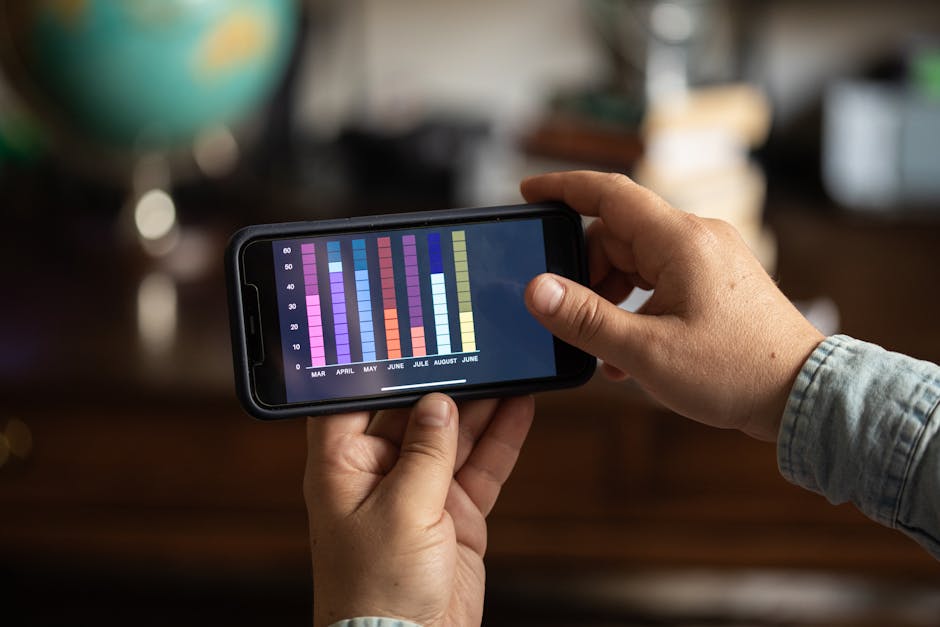
- Set Clear Goals: Work with your therapist to define specific, measurable goals beyond just “feeling less anxious.” Examples: reducing panic attacks per week or attending a social event without dread.
- Use Standardized Scales: Tools like the GAD-7 provide a numerical score for your anxiety level. Tracking this score over time offers objective proof of symptom reduction.
- Monitor Daily Functioning: Are you able to do things you were avoiding, like going to the grocery store or focusing at work? Real-world improvements are a powerful sign of progress.
- Apply Coping Skills: A key marker of success is using the techniques your therapist teaches you—like breathing exercises or cognitive restructuring—and finding that they help manage anxiety in the moment.
Quality programs, like Thrive’s virtual IOP and PHP, integrate proactive progress tracking with weekly check-ins and symptom questionnaires. This data-driven approach ensures your treatment plan is effective.
Most importantly, communicate openly with your provider. If something isn’t working, speak up. You are an active partner in your recovery, and your feedback is essential for making adjustments. At Thrive Mental Health, we prioritize transparent, data-driven progress to ensure you get measurable results.
Frequently Asked Questions about Affordable Online Therapy
Is online therapy really cheaper than in-person?
Yes, online therapy can be significantly more affordable than traditional in-person sessions, but it depends on your specific situation. Many online platforms have lower overhead costs—no office rent, no receptionist—which often translates to lower fees for you. You’ll also save money on gas, parking, and time off work for appointments.
The real game-changer? Insurance coverage. If you have a plan through Cigna, Optum, Florida Blue, Aetna, or similar providers, your online therapy sessions might cost you the same as (or even less than) in-person visits—sometimes just a $10–$25 copay. Some insured members pay nothing at all.
But here’s the catch: you must verify your benefits first. Not all online therapy platforms are in-network with all insurance plans. A service that costs $100 per session out-of-pocket might only cost you a copay if they’re in your network. Spending two minutes to check can save you hundreds of dollars per month.
For those without insurance, many online platforms offer subscription models that can be more predictable and manageable than paying $150–$300 per session. Plus, you can often use HSA or FSA funds to cover the cost.
Can online therapists prescribe medication for anxiety?
Yes, but only if they’re the right type of provider. Online therapists who are psychologists, counselors, or social workers (like LCSWs) cannot prescribe medication—they provide talk therapy. However, online psychiatrists and psychiatric mental health nurse practitioners (PMHNPs) can absolutely prescribe medication for anxiety, including SSRIs like Zoloft or Lexapro.
Here’s what you need to know: most online psychiatric providers will not prescribe controlled substances like benzodiazepines (Xanax, Klonopin, Ativan) via telehealth, especially for new patients. This is due to federal regulations and safety concerns around prescribing potentially addictive medications without in-person monitoring.
If you need medication management for severe anxiety, look for platforms that offer psychiatric services in addition to therapy. At Thrive Mental Health, our virtual and hybrid IOP/PHP programs include psychiatry as part of comprehensive care, so you get both therapy and medication management under one roof.
What if I don’t connect with my online therapist?
Don’t settle. The therapeutic relationship—what clinicians call the “therapeutic alliance”—is one of the strongest predictors of whether therapy will actually work for you. If you don’t feel heard, understood, or comfortable with your therapist after a few sessions, that’s not a failure on your part. It’s a sign you need a better fit.
Most reputable online therapy platforms make switching therapists easy. You shouldn’t have to jump through hoops or feel guilty about requesting a change. Many platforms let you switch with just a quick message or form submission. Some will even help match you with a new provider based on what didn’t work the first time.
Here’s the thing: finding the right therapist is worth the effort. Severe anxiety requires someone who really gets it—someone with the right training, the right approach, and the right personality for you. If your current therapist isn’t that person, speak up. You deserve care that actually helps.
If you’re looking for more structured support with a team approach, our virtual IOP and PHP programs at Thrive include multiple clinicians, so you benefit from diverse perspectives and expertise—not just one person’s approach.
Your Path to Recovery Starts Here
Find affordable online therapy options for severe anxiety is possible by leveraging insurance, exploring different payment models, and choosing a therapist who specializes in evidence-based care. For those in Florida needing more than weekly sessions, structured virtual programs can provide the intensive support required for lasting recovery. Thrive Mental Health offers expert-led virtual and hybrid programs designed for these exact needs.
Ready for support? Thrive offers virtual and hybrid IOP/PHP programs with evening options. Verify your insurance in 2 minutes (no obligation) → Start benefits check or call 561-203-6085. If you’re in crisis, call/text 988.