
From Wikipedia to Your Classroom: Unpacking the Concept of School
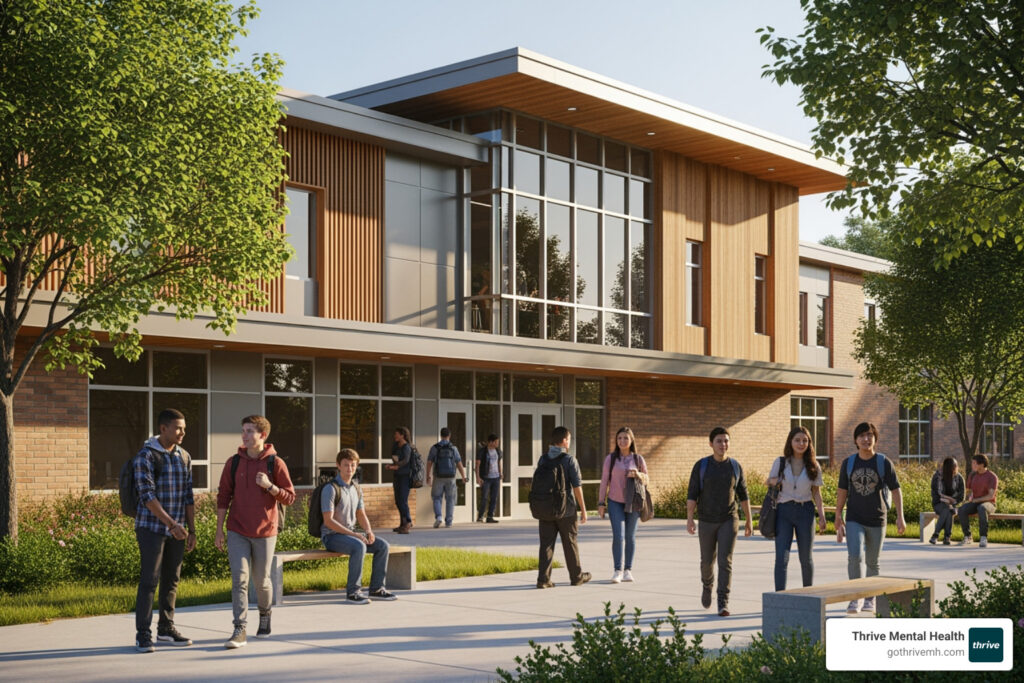
Beyond the Building: What School Really Means Today
School is more than a place where kids go for six hours a day. It’s an educational institution designed to provide structured learning environments where students acquire knowledge, develop skills, and prepare for their futures. But the word itself carries a surprising history—it comes from the Greek word scholē, which originally meant “leisure” or “free time,” a stark contrast to how many students experience it today.
Quick Definition of School:
- What it is: An institution for teaching and learning, typically involving classrooms, teachers, and students
- Historical roots: Formal schools have existed since ancient times, with a rich history of education stretching back to Greece, Rome, India, and China
- Modern purpose: To educate students academically, socially, and emotionally while preparing them for life beyond graduation
- Types: Public (government-funded), private (tuition-based), charter, vocational, online, and alternative schools
- Core components: Curriculum, teachers, facilities, extracurricular programs, and student support services
Why it matters now: Schools have evolved far beyond simple knowledge transfer. They’re now expected to address student Mental Health, ensure safety, promote equity, provide nutritious meals, and prepare young people for a rapidly changing world. For many families navigating anxiety, depression, or academic stress, understanding what schools offer—and what they can’t always provide—is critical.
I’m Nate Raine, CEO of Thrive Mental Health, and I’ve spent over a decade working at the intersection of behavioral health, data science, and systems that serve young people. Through our work with schools and families, particularly in Florida, I’ve seen how the demands of modern school environments can overwhelm students who need more than what traditional weekly counseling can offer.
The sections that follow will unpack the modern school’s mission, how it supports student well-being, what resources exist for families, and when it’s time to seek additional mental health support beyond what the school system can provide.
What Is the Core Mission of a Modern School?
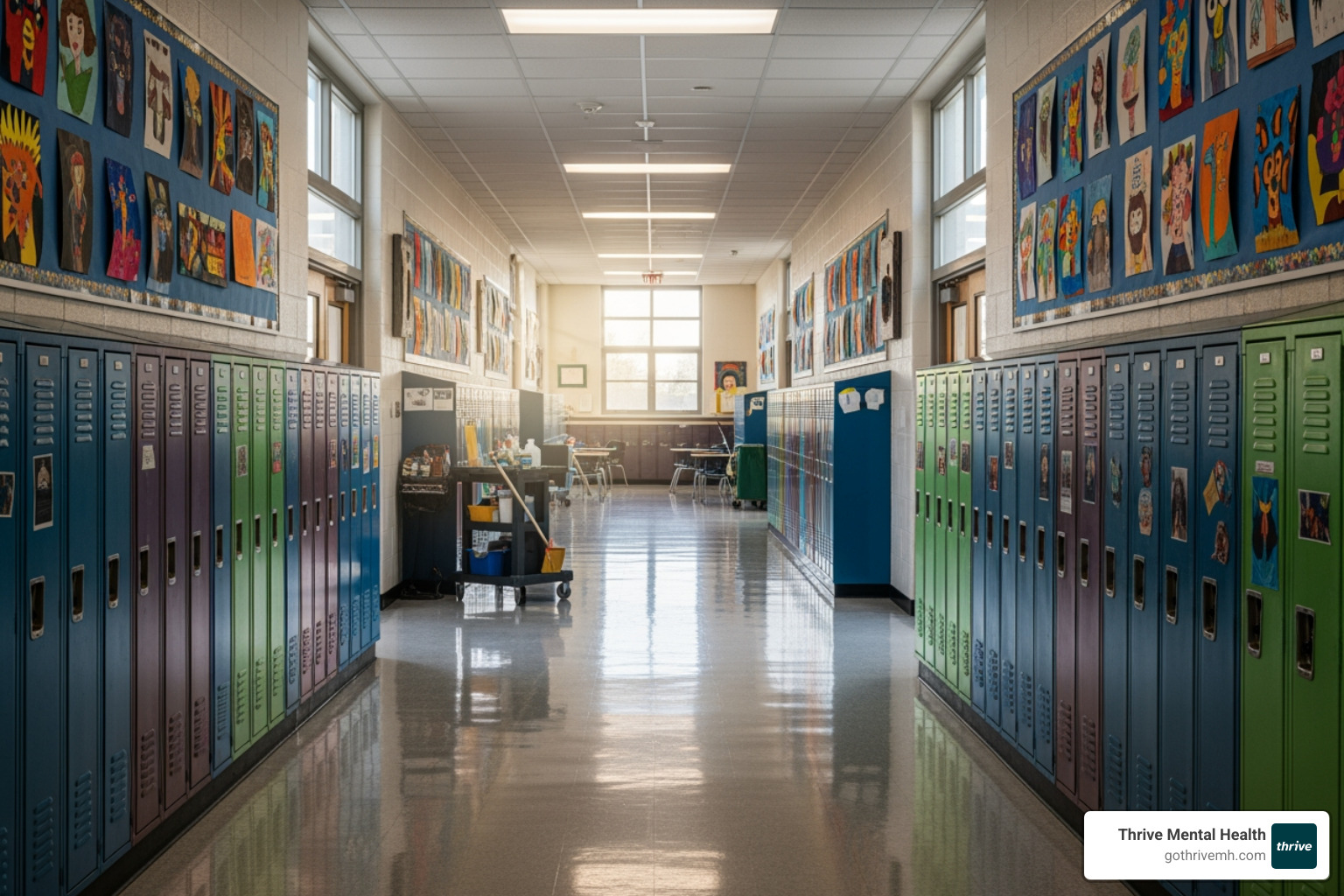
At its heart, a modern school is an institution dedicated to nurturing the intellectual, social, and emotional growth of its students. While the core purpose of education remains constant—to provide knowledge and skills—the vision has expanded significantly. For example, a large district like Miami-Dade County Public Schools focuses on providing a world-class education that prepares students for college and careers, reflecting a holistic approach to education.
Defining Academic Purpose and Vision
The mission and vision of a school district often revolve around preparing students for success in college, career, and life. This involves a carefully constructed curriculum development process and adherence to rigorous academic standards. Core subjects like mathematics, language arts, science, and social studies form the foundation, often complemented by specialized programs.
Curriculum development is a dynamic process, constantly evolving to meet the demands of a changing world. Schools are tasked with not just imparting facts but fostering critical thinking, problem-solving, and creativity. Academic standards, often set at state or national levels, guide what students are expected to know and be able to do at each grade level. Standardized testing is a common tool used to measure progress against these standards, though its role and effectiveness remain subjects of ongoing debate.
Looking at the broader picture, global education levels have seen significant advancements, with primary and secondary education becoming more widespread across the world. However, challenges persist, particularly in ensuring equitable access and quality. Data on global education levels highlights the continuous effort required to improve educational outcomes worldwide.
Key Programs That Shape Student Futures
Beyond the core curriculum, modern schools offer a diverse array of programs designed to cater to varied interests and prepare students for different pathways. These initiatives are crucial in shaping student futures:
- Advanced Placement (AP) and Dual Enrollment Programs: These rigorous courses allow high school students to earn college credit, providing a head start on higher education and exposing them to college-level academics.
- Career and Technical Education (CTE): Programs like those in many Florida school districts, focusing on practical skills and career readiness in fields such as healthcare, technology, and trades.
- Arts and Music Programs: Essential for fostering creativity, self-expression, and cultural appreciation.
- Athletics: Promotes physical health, teamwork, discipline, and sportsmanship.
- Extracurricular Clubs and Activities: Offers opportunities for students to explore interests, develop leadership skills, and build a sense of community outside of academics.
- STEM Initiatives: Focuses on science, technology, engineering, and mathematics, crucial for innovation and future workforce needs. Many Florida school districts, for instance, highlight STEM initiatives and family engagement events, indicating a commitment to these areas.
How Equity and Inclusion Are Built into the School System
Ensuring that every student has an equal opportunity to succeed, regardless of background, is a cornerstone of modern education. Schools strive to build equity and inclusion through comprehensive policies and programs.
Non-discrimination policies are fundamental. For example, Florida school districts like Broward County Public Schools have comprehensive non-discrimination policies that prohibit bullying and harassment based on race, color, religion, national origin, sex, gender identity, gender expression, sexual orientation, and other protected classes. These policies ensure a welcoming and fair environment for all.
Furthermore, federal mandates like the Individuals with Disabilities Education Act (IDEA) and Section 504 of the Rehabilitation Act ensure that students with disabilities receive appropriate accommodations and support. These legal frameworks are critical in providing access to education for diverse learners. School districts across Florida have dedicated personnel, such as Section 504 Coordinators, to ensure compliance.
Efforts also extend to supporting diverse learners, including those with different linguistic backgrounds. Florida districts like Orange County Public Schools, for instance, provide robust Multilingual Services and dual language programs, highlighting a commitment to serving a diverse student population. Policies around gender identity and expression are also becoming increasingly common, ensuring that all students feel safe and respected.
More Than Grades: How Schools Tackle Student Well-being and Safety

A truly effective school environment goes far beyond academic instruction. It prioritizes the holistic well-being of students, recognizing that learning thrives when students feel safe, supported, and mentally healthy. This focus is particularly vital in our increasingly complex world.
Creating a Safe and Supportive Environment
Student safety is paramount. Schools implement a range of protocols to protect students, staff, and visitors. These include:
- Anti-bullying Policies: Comprehensive policies are in place to prevent and address bullying, both in-person and online. As reported by
stopbullying.gov, about one in five high school students report being bullied at public school, and one in six online. Schools emphasize that bullying is serious and can have long-term negative impacts, providing clear guidelines on what to do about bullying and how students can report incidents and seek help. - Emergency Preparedness: Schools conduct regular drills for fire, active threats, and other emergencies. Many facilities use advanced security measures such as CCTV surveillance, metal detectors, and ID card systems to improve safety. Numbering doors can also help emergency services respond faster.
- Digital Citizenship and Online Safety: With the rise of online learning and social media, schools educate students on responsible digital behavior, privacy, and the dangers of cyberbullying.
- Physical Campus Security: This includes controlled access points, visitor management systems, and staff training to respond to various safety concerns. The UN Sustainable Development Goal 4 advocates for upgrading education facilities to provide a safe, non-violent learning environment.
The Unspoken Curriculum: Managing Stress and Mental Health in School
The pressures of modern school life can be immense, leading to significant stress and anxiety for many students. This “unspoken curriculum” of managing mental health is now a critical area of focus. We understand that intense and prolonged stress during childhood and adolescence can have lasting effects on brain development, increasing the risk of anxiety and mood disorders.
Students often face stress from heavy workloads, tight deadlines, academic competition, and high expectations. Research indicates that when students are stressed, it can be challenging to focus, retain information, and perform well academically. This is why managing school stress is crucial for both mental and physical health. Chronic stress can manifest in physical symptoms like muscle tension, headaches, panic attacks, and stomach aches.
Schools are addressing this by:
- Providing Access to Counselors: Most schools have guidance counselors or school psychologists who offer support, coping strategies, and referrals.
- Implementing Wellness Programs: These programs often focus on social-emotional learning, mindfulness, and stress reduction techniques.
- Connecting with External Mental Health Services: For students in Florida who need more than weekly therapy, schools often partner with organizations like Thrive Mental Health. We offer programs designed for teens and young adults struggling with challenges that require more intensive care, such as our Personalized Therapy for Teens or Virtual Counseling for Teens. We know that online and in-person therapy can offer similar benefits, allowing families to choose the best fit.
It’s important to recognize when stress becomes overwhelming. A 2008 mental health study by the Associated Press and mtvU found that eight in 10 U.S. college students reported experiencing stress sometimes or frequently, with 34% feeling depressed and 9% seriously considering suicide. If you or someone you know is experiencing severe distress or suicidal thoughts, please reach out for immediate help.
If you’re in crisis, call/text 988 right now. You are not alone.
Fueling the Body and Mind: Nutrition in Schools
Children spend a significant portion of their day in school, making it a critical setting for shaping lifelong dietary habits and reducing health and nutrition inequities. Unfortunately, the foods often available, served, sold, or promoted in and around many schools can be high in saturated fats, trans-fatty acids, free sugars, and salt, not aligning with national dietary guidance.
The World Health Organization (WHO) provides evidence-based recommendations and implementation considerations on policies to improve school food environments. These guidelines aim to increase the availability, purchase, and consumption of foods that contribute to a healthy diet, while reducing unhealthy options. Foods and beverages provided in schools should be safe and support healthy diets, aligning with children’s rights and public health goals.
For families in need, Florida’s Supplemental Nutrition Assistance Program (SNAP) is a vital resource. This program helps ensure students have access to nutritious food both in and out of school, supporting their ability to learn and thrive.
The School Ecosystem: Connecting Families, Staff, and the Community
A thriving school is not an isolated entity; it’s a vibrant ecosystem deeply connected to its families, staff, and the wider community. These connections are essential for student success and for the school to truly serve as an anchor institution in its neighborhood.
How to Join a School: Enrollment and Registration
For families looking to enroll their children, understanding the process is key. Most Florida districts, such as Hillsborough County Public Schools, offer comprehensive information on enrollment and registration.
The process typically involves:
- Determining Eligibility: Age requirements, residency verification, and any specific program criteria.
- Gathering Documentation: Birth certificates, immunization records, proof of address, and previous school records.
- Completing Applications: For public schools, this usually involves a straightforward registration. For private schools, it might include applications, interviews, and entrance exams.
- School Selection: Florida is known for its robust school choice options. Many districts, for instance, have school selection processes to help families navigate magnet, charter, and other public school options to find the best educational environment for their child.
- Deadlines and Timelines: Specific dates for Pre-K, Kindergarten, and K-12 registration are crucial to adhere to.
Whether choosing a public or private school, the goal is to find an environment where a child can flourish. Public schools, funded by the government, offer free education, while private schools rely on tuition and private funding, often providing specialized programs or religious instruction.
Building Bridges: Family and Community Engagement
Active family and community engagement significantly contributes to a student’s educational journey. Schools foster these connections through various initiatives:
- Parent-Teacher Communication: Regular conferences, online portals, and direct communication channels ensure parents are informed about their child’s progress and school activities.
- Family Newsletters: Family newsletters, common in Florida school districts, keep families updated on important dates, events, and resources.
- Volunteer Opportunities: Parents and community members can volunteer in classrooms, at school events, or on advisory committees, directly contributing to the school community.
- Community Partnerships: Florida schools often collaborate with local businesses, non-profits, and universities to provide resources and enrichment. For example, districts may partner with local health systems or universities to offer students real-world learning opportunities and expanded support.
- Parent University Programs: Initiatives like Miami-Dade County Public Schools’ ‘The Parent Academy’ offer free resources, courses, and support to empower families to be active partners in their children’s education.
Behind the Scenes: Careers and Facilities in a School
A school operates thanks to a dedicated team and well-maintained infrastructure. For those passionate about education, there are numerous career and employment opportunities within school districts.
These roles include:
- Teaching Staff: From elementary to high school, across all subjects, teachers are the heart of the educational process.
- Support Staff: This includes teaching assistants, special education aides, administrative staff, librarians, and counselors.
- Operations and Facilities Staff: Essential personnel like custodians, maintenance crews, food service workers, and transportation staff ensure the smooth daily functioning of the school. Florida school districts are always seeking passionate individuals for roles in teaching, support, and operations. Districts like Orange County Public Schools actively recruit, inviting people to make a difference in their local schools.
Beyond personnel, the physical environment of a school is critical. Schools are continually engaged in facilities and infrastructure development. Florida school districts are continually engaged in facilities planning and development. For example, some districts are investing in modern, sustainable infrastructure, including energy-efficient buildings and technology upgrades to support 21st-century learning. Educational architecture plays a vital role, as the design of school buildings can significantly influence the learning experience.
Frequently Asked Questions about School
What is the primary purpose of school?
The primary purpose of school is to provide a structured environment for students to acquire knowledge, develop critical thinking skills, and socialize. It aims to prepare them for higher education, the workforce, and active citizenship while fostering personal growth.
How are schools addressing student mental health?
In Florida, schools are increasingly addressing mental health through on-site counselors, wellness programs, social-emotional learning (SEL) curricula, and partnerships with external providers. They aim to create a supportive atmosphere, reduce stigma, and connect students who need more intensive care with services like Virtual Counseling for Teens.
What is the difference between public, private, and charter schools?
Public schools are funded by the government and are free to attend. Private schools are funded by tuition fees and private sources, often offering specialized programs. Charter schools are publicly funded but operate independently of the traditional public school system, allowing for more flexibility in their curriculum and teaching methods. Florida has a large and growing number of charter schools, offering families another public school option.
Your Path Forward in Education and Well-being
Modern schools are complex institutions focused on both academic achievement and holistic student development. Understanding their structure, mission, and the resources they offer is the first step for families and students to steer the educational journey successfully, especially in a diverse state like Florida. When academic or social pressures become overwhelming, it’s crucial to know that specialized support is available. Thrive Mental Health offers virtual and hybrid programs across Florida for teens and young adults who need more than once-a-week therapy. We accept insurance from major providers like Cigna, Optum, and Florida Blue, making care more accessible.
Ready for support? Thrive offers virtual and hybrid IOP/PHP programs with evening options. Verify your insurance in 2 minutes (no obligation) → Start benefits check or call 561-203-6085. If you’re in crisis, call/text 988.