
Mental Health Awareness Month Explained: Join the Conversation

Mental Health Is in Crisis. Awareness Isn’t Enough.
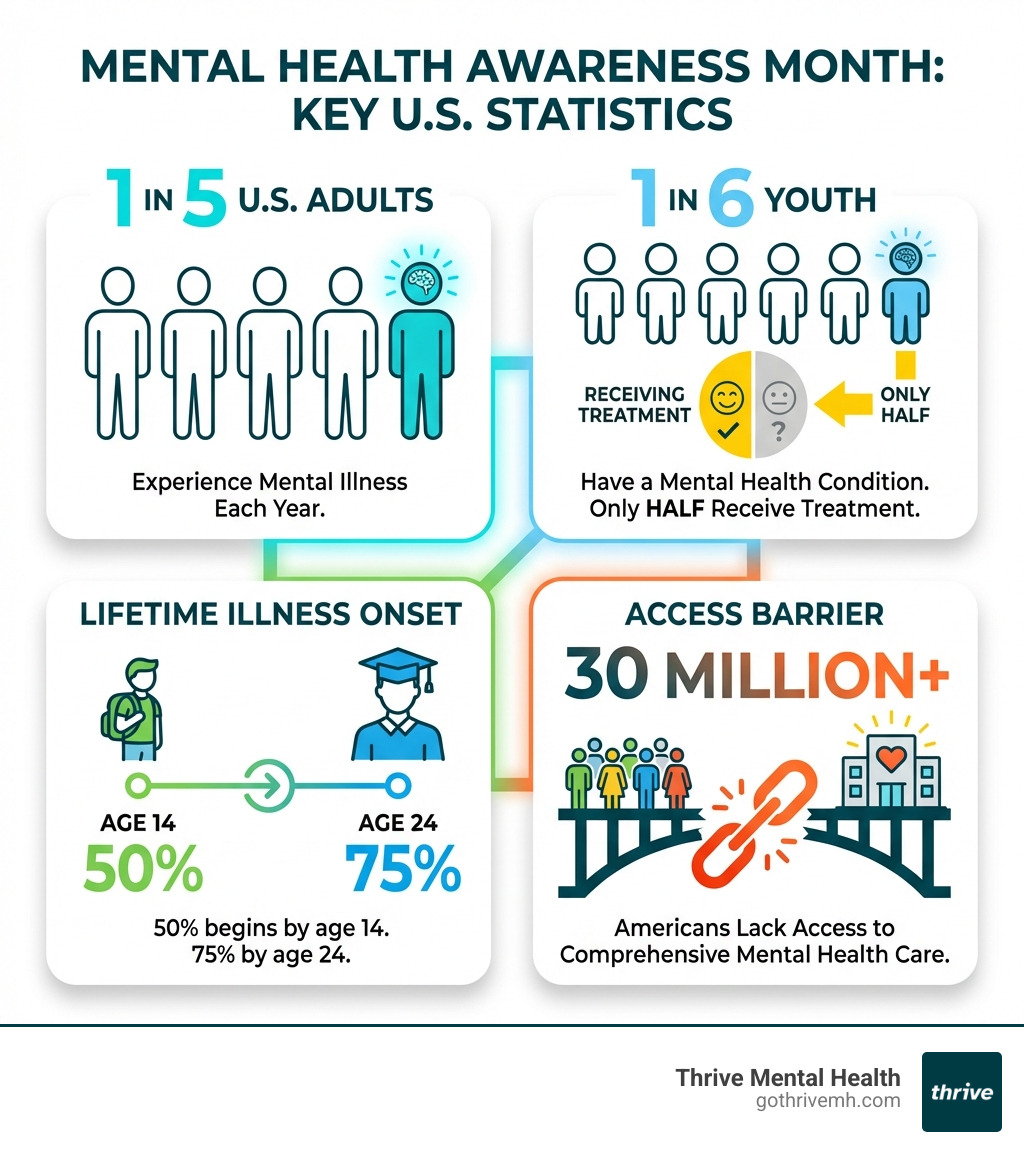
For 75 years, Mental Health Awareness Month has been a time to talk about mental health. But with 1 in 5 U.S. adults experiencing mental illness and over 30 million Americans lacking access to care, talking is no longer enough. This isn’t just about awareness—it’s about action.
This May, the goal is to dismantle stigma, connect people to life-changing treatment, and demand better access to care. The numbers show why this is a full-blown crisis: half of all lifetime mental illness begins by age 14, yet only half of the youth who need help ever receive it.
Quick Facts:
- When: Every May since 1949
- Founded by: Mental Health America (MHA)
- Symbol: The green ribbon (representing hope, strength, and support)
- Purpose: To move beyond awareness to action—educating the public, reducing stigma, and advocating for accessible, high-quality mental health care.
- Key Stats: 1 in 5 U.S. adults experience mental illness annually; 1 in 6 youth have a mental health condition, but only half receive treatment.
Mental Health Awareness Month is a rallying cry to normalize conversations and connect people to real solutions. It’s a reminder that mental health is health, and recovery is possible when people get the right support at the right time. Every story shared, every resource passed along, and every call for policy change chips away at the silence that lets people suffer.
I’m Nate Raine, CEO of Thrive Mental Health. After a decade in healthcare innovation, I’ve seen how this month can spark life-saving conversations. I’ve also seen how evidence-based programs, like flexible virtual intensive outpatient programs, can deliver critical support to those who need more than weekly therapy without putting their lives on hold.
The 75-Year Fight: How Mental Health Awareness Month Began
Mental Health Awareness Month has a rich, impactful history spanning over seven decades. It was first observed in the United States in May 1949, thanks to the pioneering efforts of Mental Health America (MHA), then known as the National Association for Mental Health. The original purpose was clear and urgent: to educate the public about mental illness, raise awareness surrounding research and treatments, and, crucially, to reduce the pervasive stigma associated with mental health conditions.
This initiative was born from a broader movement sparked by figures like Clifford Beers, who, after his own experiences with mental illness and the inhumane conditions in asylums, founded the Connecticut Society for Mental Hygiene in 1908. His advocacy laid the groundwork for a national effort to improve mental health care and public understanding. MHA has since led the charge every May to promote mental wellness nationwide, providing resources and guidance to individuals and organizations alike.
Today, the significance of Mental Health Awareness Month has only grown. In our current societal context, marked by the lingering effects of a global pandemic, increased digital stressors, and a growing recognition of mental health as an integral part of overall well-being, this month serves as a vital anchor. It’s a time when presidential proclamations affirm the nation’s commitment to mental health, urging citizens, government agencies, businesses, and non-profits to join in strengthening our communities.

From Asylum Reform to National Movement
The origins of Mental Health America, the organization behind Mental Health Awareness Month, are deeply rooted in the early 20th-century movement for mental health reform. Inspired by Clifford Beers’s 1908 autobiography, “A Mind That Found Itself,” which chronicled his institutionalization and advocated for more humane treatment, the National Committee for Mental Hygiene was formed. This committee eventually evolved into Mental Health America.
Their initial goals were for their time: challenging the systemic abuses within mental asylums, advocating for better psychiatric care, and educating the public to shift perceptions away from fear and ignorance toward understanding and compassion. This foundational work paved the way for the establishment of Mental Health Awareness Month in 1949, changing a nascent reform effort into a national conversation.
A powerful symbol in this movement is the green ribbon, which has become the international emblem of mental health awareness. It represents hope, strength, support, and encouragement for people living with mental health conditions, reminding us that no one should face their struggles alone. By fostering open dialogue and providing resources, we continue the legacy of MHA’s early efforts to promote understanding and reduce stigma. You can learn more on the importance of mental health awareness and how it shapes our collective well-being.
Why It’s More Critical Than Ever in 2025
As we look towards Mental Health Awareness Month in 2025 and beyond, its importance is undeniably amplified by several pressing societal challenges. We are struggling with a significant youth mental health crisis, where factors like social media pressures, academic stress, and global uncertainties contribute to rising rates of anxiety, depression, and even suicidal ideation among young people. The demand for mental health services has surged, often outstripping available resources.
The Bipartisan Safer Communities Act, for instance, represents the largest investment in youth mental health ever, pouring $1 billion into helping schools hire and train new mental health counselors. This highlights a critical need that extends across all age groups. Economic stressors, the increasing complexity of modern life, and the persistent impact of the post-pandemic mental health crisis all underscore the urgent need for continued awareness, accessible care, and robust support systems.
This makes the month-long focus on mental health more critical than ever. It’s a call to action to address these challenges head-on, promoting solutions like integrated care models and accessible options such as virtual intensive outpatient programs. These programs are designed to provide the structured support many need, fitting into busy lives while delivering evidence-based treatment for mental health conditions.
The Sobering Stats: Why This Awareness Month Is Not Just a Hashtag
The need for Mental Health Awareness Month isn’t abstract; it’s grounded in stark realities reflected in national statistics. These numbers underscore the widespread impact of mental health conditions and the critical gaps in our current support systems.
Consider these key statistics related to mental health in the U.S., which highlight the urgent need for this annual observance:
- Nearly one in five adults in the US has a mental health condition each year. That’s millions of people navigating daily life with significant challenges.
- One in 20 U.S. adults experience serious mental illness each year, conditions that significantly impair daily functioning.
- One in six U.S. youth have a mental health condition, but only half receive treatment. This alarming gap means millions of young people are not getting the help they desperately need.
- More than 30 million people in the U.S. still lack access to comprehensive, high-quality mental health care. This can be due to cost, stigma, lack of providers, or geographic barriers.
- 50% of all lifetime mental illness begins by age 14, and 75% by age 24. This emphasizes the critical importance of early intervention and support during formative years.
- Tragically, in 2023, 20% of all high school students seriously considered suicide. This statistic alone reveals the depth of the crisis facing our youth.
These figures, many sourced from organizations like the National Institute of Mental Health (NIMH) and SAMHSA, paint a clear picture: mental health challenges are prevalent, treatment access is insufficient, and the impact on individuals and communities is profound. Mental Health Awareness Month serves as a crucial platform to address these issues head-on, driving conversations and actions that can lead to meaningful change. You can find more comprehensive NIMH statistics on mental illness to understand the full scope of these challenges.

The Reality of Common Conditions in the U.S.
The statistics aren’t just numbers; they represent individuals and families impacted by a range of mental health conditions. Within the broader “1 in 5” statistic, we see specific disorders affecting millions:
- Anxiety Disorders: A staggering 48 million Americans live with an anxiety disorder, making it one of the most common mental health conditions.
- Major Depression: Approximately 21 million adults in the U.S. experience major depression annually, a condition that can severely impact mood, thought, and daily functioning. We offer specialized support for major depression through our programs.
- Post-Traumatic Stress Disorder (PTSD): Around 9 million people are affected by PTSD, often following exposure to traumatic events. Understanding and treating post-traumatic stress disorder (PTSD) is a key focus for many mental health providers.
- Bipolar Disorder: About 7 million adults contend with bipolar disorder, characterized by significant mood swings.
- Obsessive-Compulsive Disorder (OCD): 3 million Americans live with OCD, experiencing intrusive thoughts and compulsive behaviors.
- Schizophrenia: While less common, 1.5 million individuals live with schizophrenia, a serious mental illness affecting perception, thought, and behavior.
These conditions highlight the human element behind the numbers—the daily struggles, the search for effective treatment, and the profound need for understanding and support. Mental Health Awareness Month aims to put a face to these statistics, reminding us that these are not abstract problems but real experiences that demand our attention and compassion.
The Youth Mental Health Emergency
If you or someone you know is struggling or in crisis, help is available. Call or text 988 anytime in the US and Canada. You are not alone.
The data on youth mental health is particularly alarming and underscores why early intervention is not just important, but critical. As we mentioned, 50% of all lifetime mental illness begins by age 14, and 75% by age 24. This means that many mental health conditions manifest during adolescence and young adulthood, a period of significant development and vulnerability.
The high school suicide consideration rates—with 20% of high school students seriously considering suicide in 2023—are a stark reminder of the immense pressure and despair many young people face. This crisis is fueled by a complex mix of social, environmental, and biological factors, including the pervasive influence of social media, which can contribute to feelings of inadequacy, isolation, and cyberbullying.
Addressing this emergency requires a multi-faceted approach:
- Early Detection: Educating parents, teachers, and young people themselves on the signs and symptoms of mental health conditions.
- Accessible Care: Ensuring that mental health services are readily available and affordable, especially for youth.
- Supportive Environments: Creating school and community environments that foster psychological safety and encourage open conversations about mental well-being.
Our programs are specifically designed to support teens and young adults in Florida, providing evidence-based care that can intervene early and set them on a path to lasting wellness.
If you’re in crisis, call/text 988 right now. You are not alone.
The Goal Isn’t Just Awareness—It’s Action. Here’s the Mission.
The mission of Mental Health Awareness Month is simple but urgent: to tear down the walls of stigma and build a system of genuine support. It’s a movement focused on creating a world where mental health is openly discussed, deeply understood, and readily supported.
These core goals are to:
- Normalize Conversation: Make talking about mental health as comfortable as talking about physical health.
- Reduce Stigma: Dismantle the prejudice and fear that stop people from seeking help.
- Encourage Help-Seeking: Empower people to recognize symptoms and get professional support without shame.
- Promote Recovery: Show that recovery is possible and that people can lead fulfilling lives with the right treatment.
- Foster Community and Connection: Emphasize the power of supportive relationships in promoting mental well-being and resilience.
- Highlight the Mind-Body Connection: Educate the public on how mental and physical health are linked, and advocate for integrated care.
This month is a collective effort to shift narratives, build empathy, and ensure that everyone has the opportunity to thrive.
Breaking Down Barriers: How to Reduce Stigma
Reducing the stigma surrounding mental illness is one of the most crucial objectives of Mental Health Awareness Month. Stigma creates significant barriers, making individuals feel ashamed, isolated, and reluctant to seek the help they need. Here’s how we can actively break down these barriers:
- Language Matters: Be mindful of the words we use. Avoid derogatory terms or language that sensationalizes mental illness. Instead, use person-first language (e.g., “a person with schizophrenia” instead of “a schizophrenic”).
- Share Personal Stories: When comfortable, sharing lived experiences with mental health challenges can be incredibly powerful. It humanizes the experience, demonstrates resilience, and helps others feel less alone.
- Educate Others: Correct misinformation and challenge stereotypes when you hear them. Providing accurate information about mental health conditions and treatments can dispel myths.
- Practice Empathy: Seek to understand and validate the experiences of others. A compassionate and non-judgmental approach can make a profound difference.
- Advocate for Parity: Support policies that ensure mental health care is treated with the same importance and coverage as physical health care.
The connection between mental and physical health is undeniable. Chronic stress, for example, can lead to high blood pressure, heart disease, and digestive issues. Conversely, good physical habits like regular exercise can significantly boost mental well-being. Understanding this holistic link is key to reducing stigma and promoting integrated care. You can learn about the connection between mental and physical health to better advocate for yourself and others.
Evolving Conversations: A Look at Recent Mental Health Awareness Month Themes
Each year, Mental Health Awareness Month adopts specific themes to focus and amplify its message, reflecting evolving understandings and current societal needs. These themes serve as a powerful lens through which we can explore different facets of mental well-being and encourage targeted conversations.
Here are some themes from recent years and what they signify:
- “Tools 2 Thrive”: This theme, used by MHA, focused on providing practical resources and actionable steps for individuals to improve their mental health, resilience, and overall well-being. It emphasized everyday tools and strategies.
- “4MIND4BODY”: This theme highlighted the crucial connection between our minds and bodies, promoting holistic approaches to mental health that integrate physical activity, nutrition, and mindfulness.
- “B4Stage4”: A proactive theme, “B4Stage4” urged early intervention, advocating for addressing mental health symptoms before they reach a critical stage, much like we would with physical illnesses.
- “Unmasking Mental Health” (2025): For Mental Health Week 2025, the theme is “Unmasking Mental Health.” This powerful message encourages individuals to look beyond the surface, accept honesty and vulnerability, and challenge the stigma that often forces people to hide their struggles. It aims to create deeper connections and a ripple effect of courage and understanding.
These themes, often developed by organizations like Mental Health America and SAMHSA, provide a structured approach to awareness. SAMHSA, for instance, sometimes outlines specific weekly themes or focuses throughout May, covering topics like supporting older adults’ mental health, building strong foundations for children’s mental health, hope for serious mental illness, the mental-physical health connection, and the power of community. This detailed approach ensures comprehensive coverage of diverse mental health needs and challenges.
How You Can Make a Real Impact This May [And Beyond]
Mental Health Awareness Month is a pivotal time, but its impact shouldn’t be confined to just 31 days. We believe that sustained action, whether individual, organizational, or through advocacy, creates lasting change. Here’s how you can make a tangible difference:
For Individuals: Practical Ways to Get Involved
You don’t need to be an expert to contribute to Mental Health Awareness Month. Every small action adds up to a significant impact. Here are some practical ways you can get involved:
- Wear Green: The green ribbon is the international symbol of mental health awareness. Wearing green or displaying a green ribbon can spark conversations and show solidarity.
- Share Resources on Social Media: Use your online platforms to share accurate information, helpful resources, and positive messages about mental health. Organizations like MHA and SAMHSA provide shareable graphics and content.
- Take a Free Mental Health Screening: Understanding your own mental health is a powerful first step. Confidential online screenings can help you identify symptoms and determine if professional support might be beneficial. Take a free, confidential screening to learn more.
- Start Conversations with Loved Ones: Reach out to friends, family, and colleagues. Ask how they’re doing, and genuinely listen. Sometimes, simply knowing someone cares can make a world of difference.
- Volunteer for a Local Organization: Many mental health non-profits rely on volunteers. Contributing your time can directly support local initiatives and services in your community in Florida.
- Participate in a NAMIWalk: Join a NAMIWalk event to raise funds and awareness for the National Alliance on Mental Illness. It’s a great way to show support and connect with others who care about mental health. You can find more information and participate in a NAMIWalk near you.
For Organizations: Creating a Supportive Workplace
Workplaces play a crucial role in fostering mental well-being. During Mental Health Awareness Month and throughout the year, organizations can implement strategies to create supportive environments:
- Host Workshops and Training: Organize sessions on stress management, mindfulness, or mental health first aid. Training employees and leaders in Mental Health First Aid (MHFA) can equip them to identify, understand, and respond to signs of mental illness and substance use challenges.
- Share Internal Resources: Ensure employees are aware of available mental health benefits, Employee Assistance Programs (EAPs), and other support services.
- Promote Work-Life Balance: Encourage healthy boundaries, adequate time off, and flexible work arrangements to reduce burnout and chronic stress.
- Offer Flexible Care Options: Provide access to diverse mental health services, including confidential virtual therapy and virtual intensive outpatient programs (IOPs). These options offer flexibility and accessibility, especially for employees in Florida. Many major insurers like Cigna, Optum, Florida Blue, and Aetna often provide coverage for these types of programs, making care more accessible.
Using Your Voice: Advocacy and Policy Change
Individual actions are powerful, but collective advocacy can drive systemic change. Mental Health Awareness Month is an opportune time to amplify your voice and advocate for better mental health care access and policies.
- Contact Your Representatives: Reach out to your local, state, and federal lawmakers. Share your concerns and urge them to support legislation that prioritizes mental health. This can include advocating for increased funding for mental health services or supporting mental health parity laws that ensure mental health care is covered equally to physical health care.
- Support Mental Health Parity Laws: These laws aim to prevent insurance companies from imposing more restrictive limits on mental health benefits than on medical/surgical benefits. Advocating for their enforcement and expansion is critical to ensuring equitable access to care.
- Advocate for Increased Funding: Mental health services are often underfunded. Speak up for greater investment in research, prevention programs, and treatment options at all levels of government.
- Share Your Story: Personal narratives can be incredibly influential in shaping policy. If you’re comfortable, share your experiences with lawmakers or in public forums to illustrate the real-world impact of mental health policies and access to care. Many organizations provide platforms for sharing your story to influence policy.
Frequently Asked Questions about Mental Health Awareness Month
What is the official color for Mental Health Awareness Month?
The official color is green. The green ribbon is the international symbol of mental health awareness, representing hope, strength, support, and encouragement for people living with mental health conditions.
What is the main goal of Mental Health Awareness Month?
The primary goal is to raise awareness about mental health, fight stigma, provide support, educate the public, and advocate for policies that support people with mental illness and their families. It’s about normalizing mental health as a part of overall health.
How can I find mental health support?
You can start by talking to your primary care doctor, using online resources like the 988 Suicide & Crisis Lifeline, or contacting a mental health provider directly. Many organizations offer free screening tools to help you understand your symptoms and find the right level of care, from online therapy to more structured programs like IOPs and PHPs available in Florida.
Take the Next Step: Find Support That Fits Your Life
Mental Health Awareness Month is more than a 31-day event; it’s a catalyst for year-round action and support. It’s a reminder that seeking help is a sign of strength and that recovery is possible. Whether for yourself or a loved one, understanding the available options is the first step toward wellness. Thrive Mental Health provides flexible, evidence-based care designed for real life, with programs available in Florida.
Ready for support? Thrive offers virtual and hybrid IOP/PHP programs with evening options. Verify your insurance in 2 minutes (no obligation) → Start benefits check or call 561-203-6085. If you’re in crisis, call/text 988.