
Mindful Art: Easy Activities for Stress Relief and Focus
Introduction: Ditch the Stress, Find Your Flow
Mindfulness art is a simple practice that combines creative activities like drawing, painting, or sculpting with present-moment awareness. It’s not about making museum-worthy pieces—it’s about using the creative process to calm your mind, manage stress, and reconnect with yourself.
What You Need to Know About Mindfulness Art:
- The Process Matters, Not the Product – Focus on the act of creating, not the final result
- No Artistic Skill Required – These activities work for anyone, regardless of experience
- Simple Materials – Paper, colored pencils, clay, or even your phone camera
- Immediate Benefits – Reduces stress, improves focus, and helps regulate emotions
- Works Anywhere – Practice at home, during breaks, or as part of your self-care routine
Studies show that people who practice mindfulness-based art therapy (MBAT) experience less stress and find relief from symptoms related to trauma and anxiety. The act of making art reduces the emotional intensity of difficult feelings by externalizing them into something you can observe, touch, and change.
You don’t need to be an artist. You don’t need expensive supplies. You just need to show up and let yourself create without judgment.
I’m Nate Raine, CEO of Thrive Mental Health, and I’ve spent over a decade integrating evidence-based mental health care with innovative approaches that help people heal. Throughout my work in behavioral health, I’ve seen how mindfulness art helps clients break through emotional barriers and build resilience when traditional talk therapy alone isn’t enough.
If you’re feeling overwhelmed, burned out, or stuck in your head, mindfulness art offers a way out. It’s a tool that meets you where you are—whether you’re managing everyday stress or working through deeper emotional pain.
Simple mindfulness art word guide:
How Mindfulness Art Rewires Your Brain for Calm and Focus
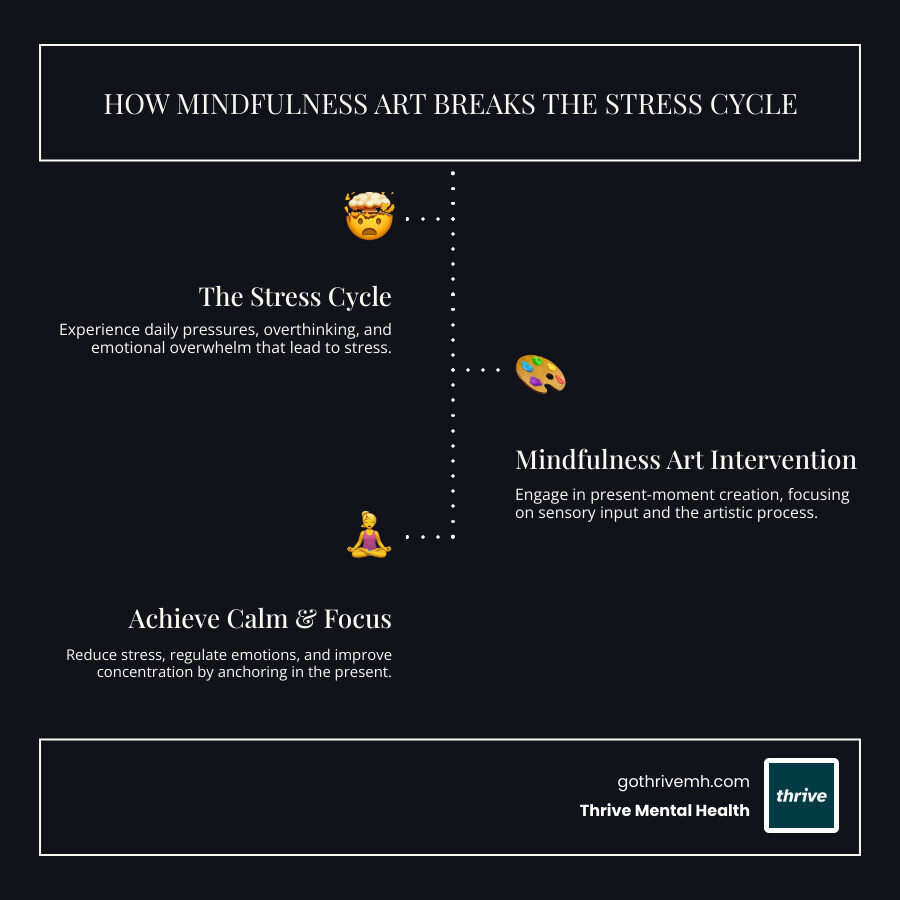
At its core, mindfulness is about cultivating a non-judgmental awareness of the present moment – your body, breath, thoughts, and surroundings. When we combine this with artistic expression, we open up a powerful pathway to mental well-being. Mindfulness art helps us stay connected to the moment, freeing our minds from worries and allowing us to process feelings and express what’s inside in a safe, non-judgmental way.
The benefits of engaging in mindfulness art are profound and backed by research. Studies suggest that people who practice MBAT (Mindfulness-Based Art Therapy) experience less stress and even find relief from symptoms related to trauma and anxiety. This isn’t just about feeling good; it’s about tangible improvements in our mental and emotional health.
Here’s how mindfulness art can transform your inner landscape:
- Stress Reduction and Emotional Regulation: Focusing on the creative process occupies our thoughts with the present, leaving less room for worry. The act of making art provides a safe outlet to express emotions we might struggle to put into words, which is incredibly soothing when managing strong feelings or coping with trauma.
- Improved Focus and Relaxation: Taking a break from everyday stressors by mindfully engaging with art can significantly improve our ability to focus. Whether it’s painting, drawing, or sculpting, art has a grounding effect, cultivating a sense of calm.
- Boosted Self-Esteem and Self-Awareness: As we work creatively and mindfully observe our process, we gain deeper emotional awareness. This helps us understand our thought patterns and behaviors better, fostering self-acceptance and growth.
- Fostering Creativity and Self-Expression: By allowing ourselves to create without judgment, we tap into our innate creativity. This process of self-expression can be deeply empowering, reminding us that everyone is creative in their own way.

The Science of Stress Reduction Through Art
Chronic stress can have devastating effects on our mental and physical health, leading to issues like anxiety disorders, depression, and even changes in brain structure. But there’s good news: mindfulness art actively counters these effects.
When we engage in mindful art, we’re not just doodling; we’re actively regulating our physiological responses. The process can help balance the HPA axis (hypothalamic-pituitary-adrenal axis), which is our central stress response system. This means reduced levels of stress hormones like cortisol, and often, an increase in mood-boosting neurotransmitters like dopamine.
The sensory engagement inherent in art – the feel of the brush on canvas, the smell of clay, the vibrant colors – acts as a powerful grounding mechanism. It pulls our attention away from distressing thoughts and anchors us firmly in the present moment. This body-mind connection, cultivated through mindful art practices, is a potent tool for calming the nervous system and improving overall well-being. Research on mindfulness and health benefits suggests that mindful practices can lead to improved sleep, reduced symptoms of anxiety and depression, a stronger immune system, and an improved mood.
Taming Your Inner Critic
“I’m not good enough.” “This looks terrible.” “What’s the point?” Sound familiar? That’s your inner critic, and it’s a common barrier, especially when it comes to creative pursuits. Many of us have strong inner critics that stop us from creating and expressing ourselves freely.
In mindfulness art, we consciously give ourselves “permission to play.” The goal isn’t perfection; it’s presence. We accept imperfection, viewing every mark, every color, every shape as part of an authentic journey, not a final product to be judged. This approach cultivates self-compassion, allowing us to observe thoughts and feelings without attachment or judgment. By shifting our focus from the outcome to the experience, we can quiet that critical voice and simply be with our art.
7 Simple Mindfulness Art Activities You Can Try Today [No Skills Needed]
Getting started with mindfulness art doesn’t require a studio or expensive supplies. All you need are a few basic materials and a willingness to explore. The beauty is in the process, not the product.
Simple Materials You Might Need:
- Paper (any kind!)
- Pencils, pens, or markers
- Colored pencils or crayons
- Watercolors or tempera paint
- Air-dry clay
- Old magazines for collage
- Your smartphone camera
1. Mindful Doodling & Zentangle
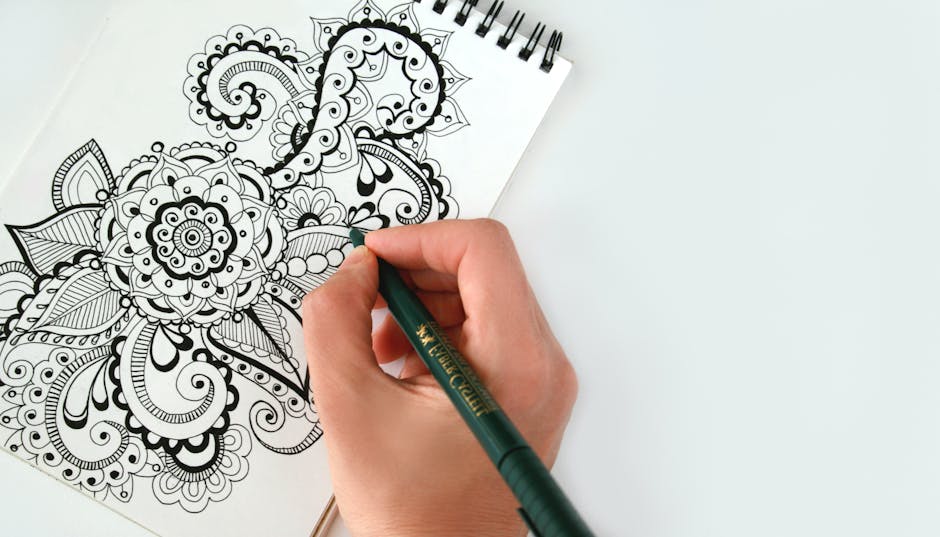
Doodling is one of the simplest ways to start with mindfulness art. It requires no artistic know-how, just a pencil and paper. Focus on the patterns you’re creating, noticing each line and shape.
Zentangle art takes doodling a step further. It’s a method of creating structured, repetitive patterns. The focus is entirely on the “stroke-by-stroke” process, leading to a meditative state. It’s not about planning a picture; it’s about enjoying the creation of each individual line. Want a deeper dive? Learn the Zentangle Method and find the power of deliberate mark-making.
2. Painting Your Emotions
Pick a color that resonates with how you’re feeling and begin painting. Let your emotions guide your brush, moving freely without worrying about what the final piece will look like. This abstract approach allows for visual expression of complex feelings, which can be particularly helpful for processing intense emotions. The act of making art reduces the emotional intensity of a subject, changing feelings into an image that can be observed and changed.
3. Grounding with Clay Sculpting
Working with clay is a wonderfully tactile and grounding activity. The sensation of the clay in your hands helps you focus on the present moment, reducing anxiety and increasing awareness. Knead, pinch, roll, and shape the clay without a specific goal in mind. Feel its texture, its coolness or warmth. Let the physical act of creation release tension and connect you to your body.
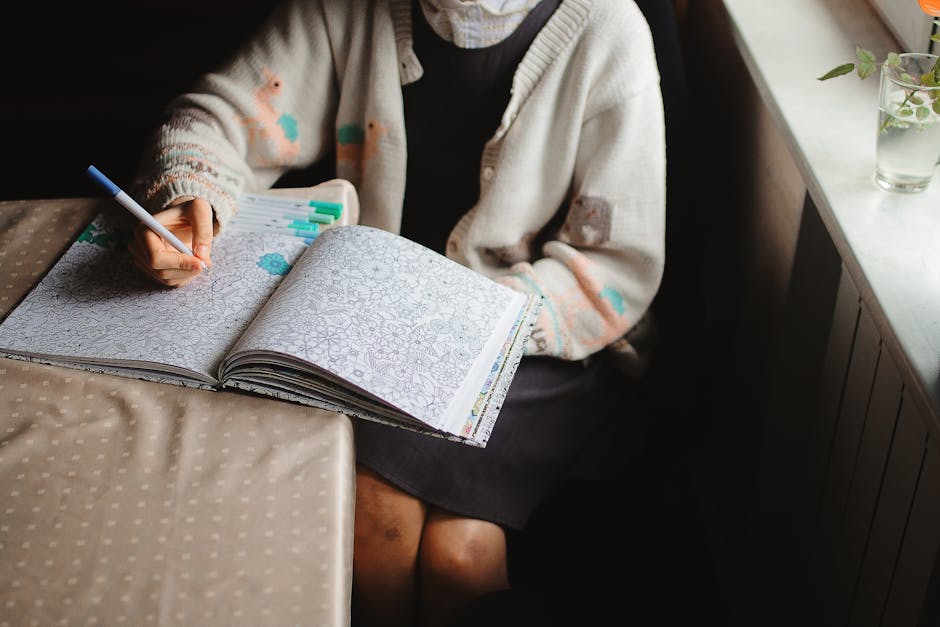
4. Mindful Coloring & Mandalas
Remember the joy of coloring as a child? Mindful coloring brings that back, with a purpose. Choose a calming color and begin shading slowly. As you breathe in, focus on the color, imagining it bringing peace. As you breathe out, release tension.
Mandalas, circular designs often used in spiritual practices, are perfect for contemplative coloring. The repetitive nature of filling in patterns can induce a meditative state. You can find free, printable mandala coloring pages online or in workbooks.
5. Nature-Inspired Art
Head outdoors and collect natural items like leaves, stones, twigs, or flowers. In Florida, this could mean gathering seashells along the coast, unique leaves from a palm tree, or vibrant flowers from your garden. Then, mindfully arrange these elements into patterns or designs. Observe the colors, shapes, and textures. This activity connects you with nature twice: once during collection and again during creation. It’s a beautiful way to appreciate the simple wonders of the world around us.
6. Mindful Photography
You don’t need professional skills for mindful photography, just a phone or simple camera. Go on a short walk, bringing your attention to small details: the way light falls on a surface, the shape of a flower, or the color of the sky. Snap photos of things that catch your eye, not for a perfect shot, but to practice present-moment awareness and find beauty in the mundane. This is a form of walking meditation, sharpening your observational skills.
7. Expressive Art Journaling
An art journal is a private space where you can combine words and images to process thoughts and feelings. There are no rules – it can be a mix of drawing, painting, collage, and writing. Use it as a visual diary to explore your inner world, document your emotions, and reflect on your experiences without any pressure for aesthetic perfection. It’s a powerful tool for self-findy and ongoing reflection.
Mindfulness Art vs. Art Therapy: When Is It Time for Professional Help?
While mindfulness art is a fantastic self-care tool, it’s important to understand how it differs from traditional art therapy and when professional guidance might be beneficial.
| Feature | Mindfulness Art (Self-Guided) | Art Therapy (Therapist-Led) |
|---|---|---|
| Goal | Stress reduction, relaxation, self-awareness, personal growth | Clinical goals, emotional processing, trauma recovery, skill development |
| Facilitator | Yourself | Licensed Art Therapist |
| Focus | Process, present moment, sensory experience, non-judgment | Expression, communication, underlying meaning, therapeutic insights |
| Setting | Home, personal space | Clinical setting (virtual or in-person) |
| Structure | Flexible, informal | Structured sessions, treatment plans |
| Interpretation | Personal reflection | Therapist-guided interpretation and processing |
Mindfulness art can absolutely be practiced at home without a therapist. It’s a personalized, soothing space you can use whenever you need it, and even a few minutes of mindful doodling can help you feel more grounded and relaxed. However, while self-practice offers incredible benefits for general well-being and stress management, it has limitations.
When to Consider Professional Art Therapy
If you’re dealing with more complex emotions or specific mental health challenges, such as trauma or PTSD, severe depression, or anxiety, working with a licensed art therapist is invaluable. Art therapy is an integrative mental health profession that uses art-making, applied psychological theory, and the human experience to support and enrich lives.
A professional art therapist can provide personalized support, guiding you through exercises that match your specific needs, helping you process emotions, and offering coping strategies. For instance, art therapy has been shown to be an effective way to treat depression by helping people express and process emotions nonverbally. It’s also a valuable treatment for people with PTSD, providing a non-verbal way to express and process difficult experiences and helping to alleviate symptoms.
Our virtual art therapy programs, like those offered at Thrive Mental Health, integrate these powerful techniques into a structured, supportive environment. These programs are designed for individuals who need more than once-a-week therapy but less than inpatient care. Explore virtual art therapy programs to see how a clinical approach can amplify your healing journey.
How to Access Higher Levels of Care
For those in Florida seeking more intensive support, Thrive Mental Health offers virtual and in-person Intensive Outpatient Programs (IOP) and Partial Hospitalization Programs (PHP), with services also available in California, Indiana, Arizona, and South Carolina. These programs provide comprehensive care, often incorporating modalities like art therapy alongside Cognitive Behavioral Therapy (CBT) and other evidence-based practices. They are ideal for managing conditions like depression, anxiety, and trauma that require structured treatment while allowing you to maintain daily responsibilities.
We work with many major insurance providers, including Cigna, Optum, and Florida Blue, to make treatment accessible. You can easily Verify your insurance for treatment in just a few minutes.
Frequently Asked Questions about Mindfulness Art
What if I’m not artistic at all?
This is the most common question, and the answer is simple: mindfulness art is not about talent or producing a masterpiece. It’s about the process, the experience, and the present moment. Activities like mindful doodling, coloring, or clay sculpting require absolutely no artistic skill. The goal is awareness and self-compassion, not a gallery-worthy piece. Give yourself permission to experiment and simply enjoy the act of creating.
How is practicing mindfulness art different from just a hobby?
While both can be enjoyable, the key difference lies in intention. When you practice mindfulness art, you consciously bring your attention to your senses, your breath, and your emotions throughout the creative process. It’s an active meditation, a deliberate way to ground yourself and observe your inner world without judgment. A hobby might be done on autopilot, but mindfulness art is a focused exercise in present-moment awareness.
How can mindfulness art help with anxiety or PTSD?
Mindfulness art can be incredibly beneficial for individuals experiencing anxiety, PTSD, or trauma-related symptoms. The mindful aspect helps anchor you in the present, which is crucial for reducing anxiety spirals and helping you feel safe in your body. It offers a gentle, non-verbal way to process difficult emotions without having to rehash or relive painful memories. Art becomes a safe container for these feelings, allowing you to express what you might struggle to put into words. This can significantly reduce emotional distress and foster a sense of control. For those dealing with high-acuity mental health challenges, art therapy is a powerful tool in high-acuity care when guided by a professional. Thrive Mental Health offers these guided programs to residents across Florida, providing a safe and structured path to healing.
Ready for Support?
Mindfulness art is a powerful self-care tool that can bring calm, focus, and self-awareness into your daily life. It’s an accessible way to manage stress, regulate emotions, and foster creativity, regardless of your artistic background.
However, for deeper healing from anxiety, depression, trauma, or other complex mental health challenges, professional support is crucial. At Thrive Mental Health, we offer expert-led virtual and hybrid Intensive Outpatient (IOP) and Partial Hospitalization (PHP) programs across Florida, designed to provide comprehensive care. Our approach combines clinical expertise with innovative modalities like art therapy, ensuring you receive the personalized support you need to thrive.
Ready for support in Florida? Thrive offers virtual and hybrid IOP/PHP programs with evening options. Verify your insurance in 2 minutes (no obligation) -> Start benefits check or call 561-203-6085. If you’re in crisis, call/text 988.