
The Great Debate: Virtual Therapy vs. In-Person – What the Science Says

Your Therapy, Your Choice: Why This Decision Matters More Than You Think
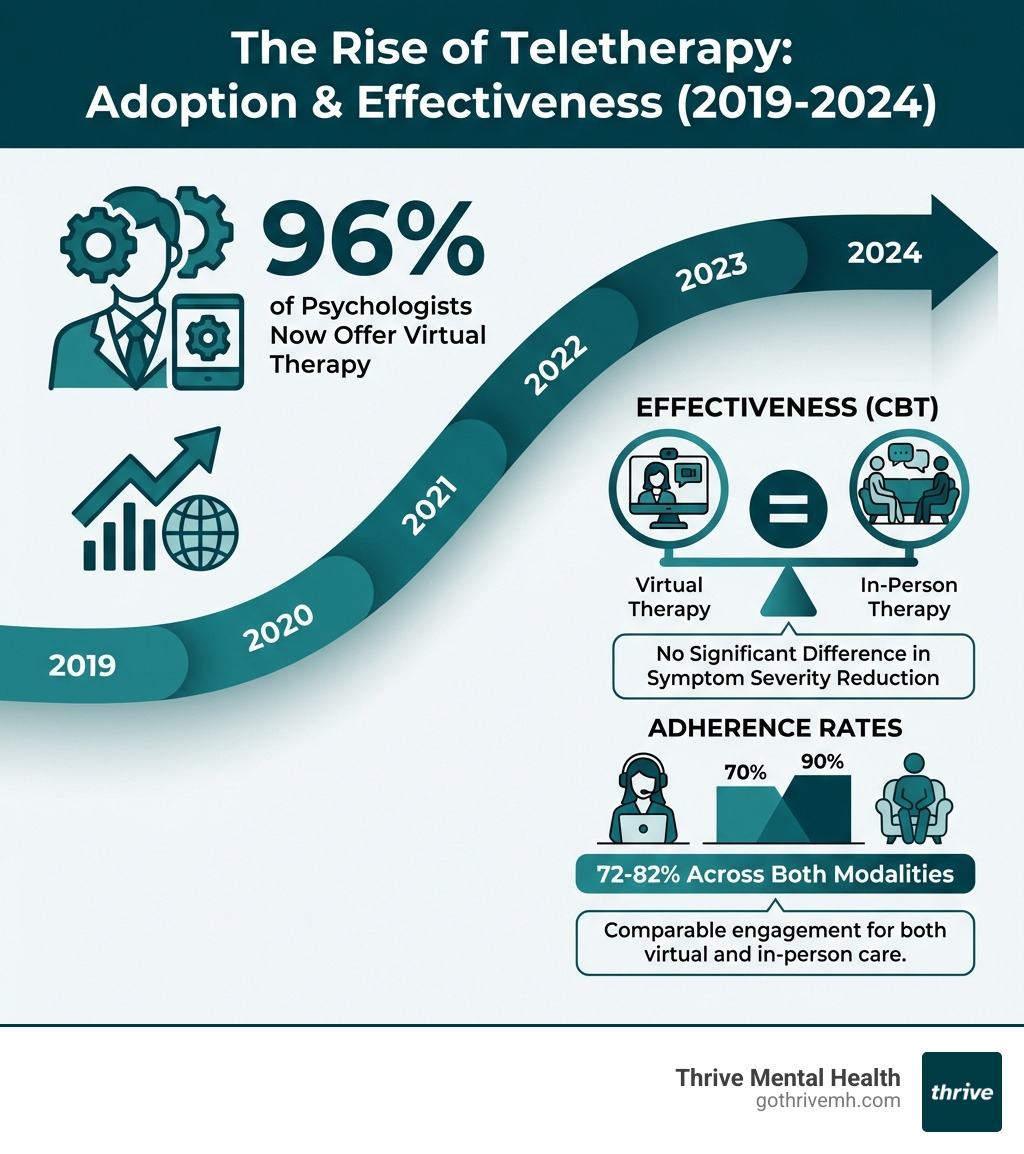
Is virtual therapy as effective as in person? According to dozens of peer-reviewed studies, yes—for most people, virtual therapy delivers outcomes nearly identical to traditional face-to-face sessions. Here’s what the research shows:
| Factor | Virtual Therapy | In-Person Therapy |
|---|---|---|
| Effectiveness for depression/anxiety | Just as effective | Just as effective |
| Client satisfaction | No significant difference | No significant difference |
| Therapeutic alliance (bond with therapist) | Comparable | Comparable |
| Accessibility | Higher (no travel, flexible scheduling) | Lower (requires commute, fixed hours) |
| Best for severe crises | Not recommended | Recommended |
The mental health landscape changed forever during the pandemic. What started as a stopgap measure became a permanent shift—and the data is clear: remote therapy works. A 2024 systematic review in the Canadian Medical Association Journal analyzed 54 randomized controlled trials and found “little to no difference” in effectiveness between remote and in-person Cognitive Behavioral Therapy (CBT) for conditions like depression, anxiety, chronic pain, and insomnia.
But effectiveness isn’t the whole story. The right choice depends on your life, your needs, and what actually fits your schedule. Some people thrive in the comfort of their own space. Others need the structure of an office visit. Some want both.
This guide breaks down the science and practical realities—so you can make a decision based on evidence, not guesswork.
I’m Nate Raine, CEO of Thrive Mental Health. We’ve helped thousands of clients find the right therapy fit through our flexible programs across Florida. This guide gives you the evidence-based facts you need to decide.
Easy is virtual therapy as effective as in person glossary:
- Which virtual therapy platforms provide the most personalized care?
- online therapy
- remote mental health support
Does Virtual Therapy Actually Work? A Look at the Hard Data
The question of whether is virtual therapy as effective as in person is one we hear often. It’s natural to wonder if a screen can replicate the depth of a face-to-face connection. The overwhelming scientific consensus, however, is a resounding “yes” for a broad range of conditions.
Research consistently shows that teletherapy can be just as effective as in-person counseling. For common challenges like depression, anxiety disorders, and PTSD, virtual therapy has proven its mettle. A comprehensive systematic review in the Canadian Medical Association Journal found “moderate-certainty evidence” showing little to no difference in the effectiveness of in-person and therapist-guided remote Cognitive Behavioral Therapy (CBT). This included not only mental health issues but also somatic disorders (physical symptoms exacerbated by psychological factors).
Cognitive Behavioral Therapy (CBT), a highly effective psychotherapy, helps individuals change detrimental thought patterns. Studies focusing on remote CBT report comparable success rates to in-person sessions for conditions like chronic pain, insomnia, and even certain eating disorders.
Beyond symptom reduction, studies show client satisfaction and the therapeutic alliance—the bond between you and your therapist—are just as strong in virtual settings. Patients report equal satisfaction and feel just as connected, suggesting the modality doesn’t hinder the relationship.
So, is virtual therapy as effective as in person for most people?
Yes, for the vast majority of individuals, the answer is definitive. Dozens of studies have affirmed that online therapy is as effective as in-person therapy, with no significant differences in outcomes. This includes:
- Symptom Severity Reduction: Virtual therapy leads to comparable reductions in the intensity of depression, anxiety, and PTSD symptoms.
- Functioning Improvements: Clients experience similar improvements in daily functioning, relationships, and overall quality of life, regardless of modality.
- Long-Term Results: A study on teletherapy effectiveness found no significant differences in outcomes immediately after treatment or at follow-up, suggesting the benefits are sustainable over time.
This evidence underpins our commitment at Thrive Mental Health to offering high-quality virtual programs that deliver real results to our clients across Florida.
What About the Client-Therapist Connection?
A common concern is whether you can truly connect with a therapist through a screen. The therapeutic relationship, or “working alliance,” is a cornerstone of effective treatment. The good news is that research consistently shows a strong alliance can be built and maintained in virtual settings.
While some non-verbal cues (like posture or subtle gestures) are less visible on video, therapists are trained to adapt by focusing more on facial expressions and tone of voice. Many clients, especially those with social anxiety, find it easier to open up from the comfort of their own home. The convenience and accessibility often lead to more consistent engagement, strengthening the therapeutic bond over time.
Virtual vs. In-Person: A Head-to-Head Comparison
Choosing between virtual and in-person therapy isn’t about one being inherently “better.” It’s about finding the best fit for your unique needs. Here’s a head-to-head comparison:
| Factor | Virtual Therapy | In-Person Therapy |
|---|---|---|
| Accessibility | High: Overcomes geographical barriers, ideal for rural areas, physical disabilities, lack of transportation. | Moderate: Limited by location, transportation, mobility. |
| Cost | Potentially lower overall due to savings on travel, childcare. Session fees often comparable. | Potentially higher overall due to travel, parking, childcare. |
| Convenience | Very High: Flexible scheduling, sessions from home, no commute. | Moderate: Requires travel, fixed office hours. |
| Anonymity/Privacy | High: Sessions from private space, reduced public exposure. Requires client to ensure privacy at home. | Moderate: Potential for being seen entering/leaving office. Dedicated private office space. |
| Technology | Requires stable internet, device. Potential for technical glitches. | No tech reliance for session, but scheduling/communication may use tech. |
| Non-Verbal Cues | Partially limited (camera angle, lag). Focus on facial expressions, tone. | Full range of body language, subtle physical cues. |
| Environment | Client’s chosen space (home, office). | Neutral, professional, dedicated therapeutic space. |
| Crisis Support | Limited for acute crises; emergency protocol needed. | Immediate, direct intervention possible for acute crises. |
The Best Convenience of Virtual Therapy

The convenience of virtual therapy is a game-changer, making treatment accessible to individuals across Florida.
- Overcomes Geographical and Physical Barriers: Connect to expert care from anywhere, eliminating challenges related to rural locations, physical disabilities, or lack of transportation.
- Fits Your Life: Flexible scheduling, including evening options, and no need for childcare or a commute make it easier for busy parents and professionals to prioritize their mental health.
- Reduces Social Anxiety: For many, attending therapy from a familiar, private space alleviates the stress associated with in-person appointments, fostering greater openness.
The ability to access consistent support without logistical headaches means higher attendance and better outcomes. It’s about making therapy work for your life.
The Unique Benefits of In-Person Sessions
While virtual therapy offers unparalleled convenience, in-person sessions have powerful, unique benefits.
- Dedicated, Distraction-Free Space: A therapist’s office provides a neutral, professional environment free from the interruptions of home or work, signaling a clear boundary for your therapeutic work.
- Full Non-Verbal Communication: In-person sessions allow therapists to observe the full spectrum of body language—posture, gestures, and other subtle cues—offering deeper insights into your emotional state.
- Tangible Commitment & Connection: The physical act of attending a session can reinforce your commitment to the process, while the shared physical presence can improve feelings of connection and empathy.
At Thrive Mental Health, our in-person centers across Florida are designed to provide this warm, grounded environment for those who prefer the traditional experience.
Practical Realities: Cost, Insurance, and Technology
Beyond effectiveness and preference, practical realities like cost, insurance, and technology determine if is virtual therapy as effective as in person for you. We aim to make mental healthcare accessible by addressing these realities head-on.
Financial Implications and Insurance Coverage
The financial aspect is a major concern for many. Historically, insurance coverage for virtual therapy was a problem, but this has changed dramatically. Many insurance companies now cover virtual mental health services at rates comparable to in-person visits.
At Thrive Mental Health, we work with a wide range of insurance providers, including Cigna, Optum, and Florida Blue, to ensure our programs are accessible. You can easily verify your insurance on our website in just 2 minutes, with no obligation. This quick check helps you understand your coverage, co-pays, and deductibles.
Virtual therapy often leads to overall cost savings. While the session fee may be similar, you eliminate expenses like gas, public transportation, parking, and childcare. For our clients in sprawling areas like Miami or the busy cities across Florida, these savings can be substantial.
For those without insurance, many providers offer out-of-pocket rates or sliding scale options. It’s always worth discussing these possibilities.
Technological Requirements and Potential Challenges
Virtual therapy requires a few key things for a smooth, private session:
- Stable Internet Connection: A reliable connection is paramount to avoid disruptions.
- Appropriate Device: A smartphone, tablet, or computer with a camera and microphone.
- Private Space: A quiet, undisturbed space is crucial for confidentiality. Using headphones can further improve privacy.
- HIPAA-Compliant Platforms: Reputable providers like Thrive Mental Health use secure, encrypted platforms to protect your health information.
While technology is an asset, technical glitches can happen. Our therapists are trained to manage these disruptions. It’s also vital for clients to ensure their own privacy by using a private room and headphones.
Is virtual therapy as effective as in person when considering cost and access?
When considering cost and access, the answer to is virtual therapy as effective as in person becomes clear: for many, it’s the only accessible option. Virtual therapy eliminates major barriers by:
- Reducing Overall Costs: It cuts expenses for travel, parking, and childcare, making treatment more affordable.
- Expanding Access to Specialists: It connects you with the right therapist regardless of your location, from the Florida Panhandle to bustling South Florida.
- Offering Insurance Parity: Major insurers like Cigna, Optum, and Florida Blue now cover virtual therapy at rates comparable to in-person care.
By removing these financial and logistical problems, virtual therapy makes high-quality mental healthcare a reality for more people across Florida.
Who Should (and Shouldn’t) Use Virtual Therapy?
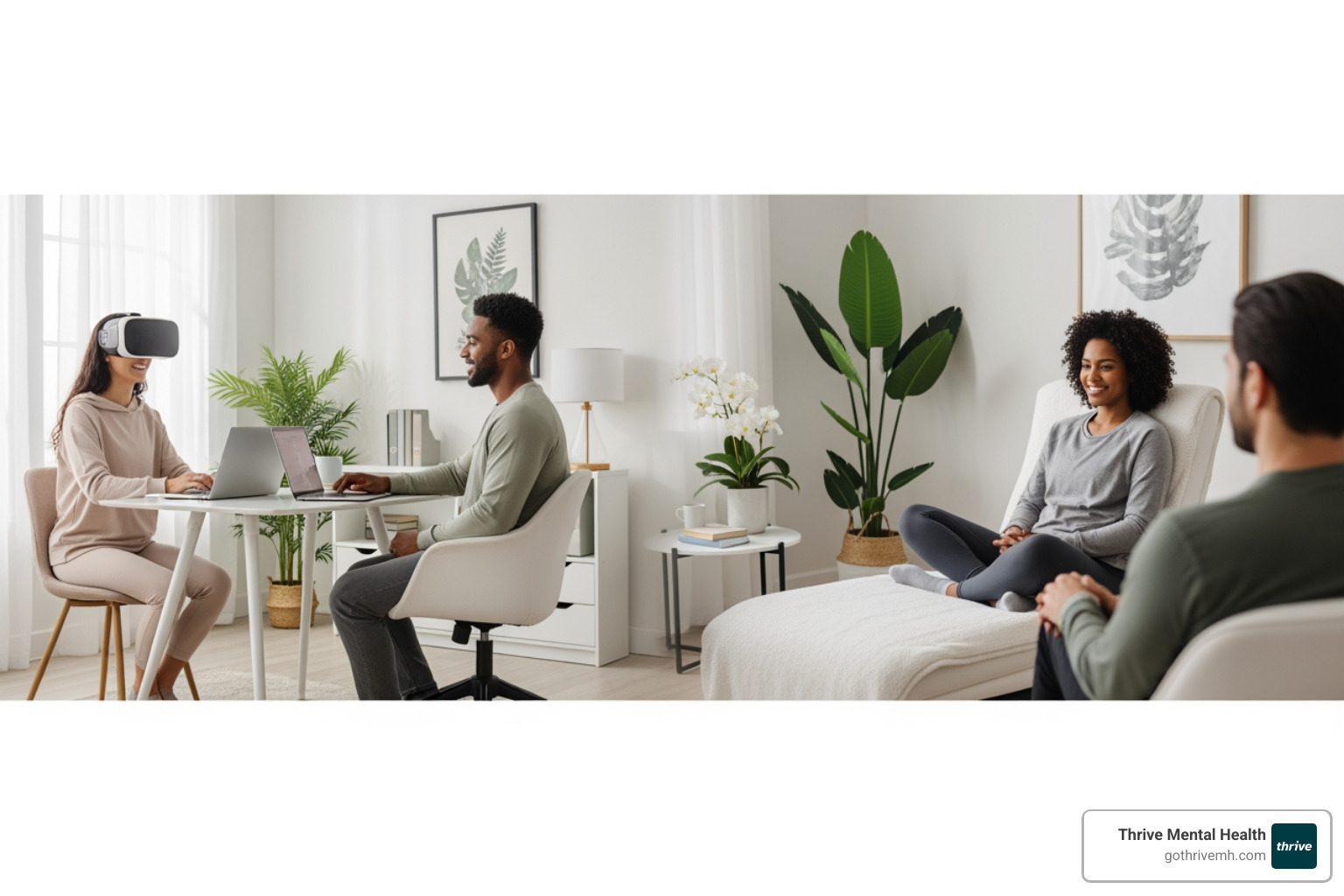
While the evidence is clear that is virtual therapy as effective as in person for many, it’s not a one-size-fits-all solution. The choice depends on your individual needs, condition severity, and personal circumstances. We believe in empowering you with choice, offering both virtual and hybrid programs to ensure you receive the most appropriate care.
Ideal Candidates for Virtual Therapy
Virtual therapy shines for individuals who value flexibility, accessibility, and discretion. It’s particularly well-suited for:
- Managing Mild to Moderate Conditions: Highly effective for challenges like general anxiety, mild depression, and stress, especially using approaches like CBT.
- Needing Flexibility and Convenience: Ideal for busy professionals, parents, and those with mobility issues who need to fit therapy into a demanding schedule.
- Living in Remote Areas: Connects individuals in rural parts of Florida to a wide network of qualified specialists.
- Valuing Privacy and Comfort: Appeals to tech-savvy clients and those who feel more open when speaking from a private, familiar space.
When In-Person Therapy is the Better Choice
Despite its advantages, there are situations where in-person therapy is strongly recommended.
- Severe Mental Health Conditions: In-person care is often better for severe depression, complex trauma, or psychosis, where intensive, hands-on support is needed.
- Risk of Harm: If you are experiencing suicidal thoughts or urges to self-harm, immediate in-person support is critical. Virtual platforms cannot provide the same level of crisis intervention.
- Unsafe or Non-Private Home Environment: An office provides a necessary sanctuary if your home is not private, safe, or conducive to therapy.
- Technology Barriers: If you lack reliable internet or feel significant anxiety about using technology, in-person therapy avoids added stress.
- Need for Higher Levels of Care: Intensive treatments like our Partial Hospitalization Programs (PHP) often require the structured environment of an in-person setting for stabilization and recovery.
If you’re in crisis, call/text 988 right now. You are not alone.
Frequently Asked Questions about Therapy Effectiveness
We know you have questions, and we’re here to provide clear, evidence-based answers.
Is online CBT as good as face-to-face?
Yes, absolutely. Multiple large-scale studies, including a major review in the Canadian Medical Association Journal, have consistently found that therapist-guided remote Cognitive Behavioral Therapy (CBT) is just as effective as in-person CBT for conditions like depression, anxiety, PTSD, and even chronic pain.
Can you really build a strong relationship with a therapist online?
Yes. The “working alliance”—the bond between you and your therapist—is critical for success. Research confirms this connection can be just as strong online as in person. The focused nature of video calls, combined with the comfort of your own space, often helps clients feel more open and vulnerable, fostering a deep and effective therapeutic relationship.
Is virtual therapy cheaper than in-person?
Often, yes. While session fees may be similar, you save significantly on indirect costs like gas, parking, public transit, and childcare. For clients in cities like Miami, Tampa, or Orlando, these savings add up. Plus, major insurance plans (including Cigna, Optum, and Florida Blue) typically cover virtual therapy at the same rate as in-person care, making it a highly cost-effective option.
The Future is Hybrid: Getting the Best of Both Worlds
The science is clear: for most people, virtual therapy is just as effective as in-person care. The debate is over. There is little to no difference in outcomes, symptom reduction, or client satisfaction. The right choice now comes down to your personal needs, lifestyle, and preference.
The future of mental healthcare is about choice. At Thrive Mental Health, we accept this by offering flexible, evidence-based programs that fit your life. This often means a hybrid approach, combining the convenience of virtual sessions with the structure of in-person care. Whether you need a Partial Hospitalization Program (PHP) or a flexible Intensive Outpatient Program (IOP), we design treatment for your unique journey.
We make proven treatment accessible through our expert-led virtual programs and in-person centers across Florida. Your well-being is our priority.
Learn about our Virtual IOP programs and see how our flexible, effective treatment can work for you.
Ready for support? Thrive offers virtual and hybrid IOP/PHP programs with evening options. Verify your insurance in 2 minutes (no obligation) -> Start benefits check or call 561-203-6085. If you’re in crisis, call/text 988.