
Experts Reveal Best Treatment Strategies for HCPs

What Treatment Strategies Work Best for Healthcare Professionals? [2025 Guide]
Burned out, exhausted, and thinking, “I can’t keep doing this”? You’re not the problem. The system is.
What treatment strategies work best for healthcare professionals? The strongest results come from two things at once:
- Individual tools you can use today (mindfulness, stress management, peer support, intensive programs like IOP/PHP)
- Organizational changes that fix the workload, schedule, and culture that are burning you out
When you combine both, you see lower burnout, fewer errors, and faster recovery. When you rely on just “resilience” or just “policy changes,” gains are small and short-lived.
Fast Snapshot: What Actually Works for Healthcare Professionals
| Strategy Type | Most Effective Interventions | What You Gain | What You Risk If You Ignore It |
|---|---|---|---|
| Individual-Level | Mindfulness, stress management, small groups, professional development, IOP/PHP | Better sleep, focus, mood | Burnout that quietly worsens for years |
| Organizational-Level | Duty hour limits, adequate staffing, flexible scheduling, reduced admin burden | Fewer errors, safer care, more energy | Ongoing turnover, chronic exhaustion, higher risk of mistakes |
| Leadership & Culture | Supportive leadership, peer support, psychological safety, destigmatizing help-seeking | Safer to speak up, easier to get help | Silence, isolation, and unreported distress |
| Combined Approach | Individual resilience tools + systemic reform + structured care (IOP/PHP) | Fastest and most durable recovery | Staying stuck in survival mode instead of actually getting better |
Between 30–50% of healthcare professionals are burned out. That means:
- More medical errors
- Lower patient satisfaction
- Higher turnover and personal health risks
Burnout scores often stay high for up to three years without targeted intervention. It rarely “just gets better” on its own.
You don’t need to be tougher. You need:
- A smarter treatment plan tailored to healthcare work
- A workplace that stops fighting your mental health
As Nate Raine, CEO of Thrive Mental Health, I’ve spent over a decade building programs that fit the reality of high-pressure careers. Our evidence-based IOP and personalized intensive treatment are designed for professionals who:
- Can’t disappear into inpatient care
- Need evening, virtual, or hybrid options
- Want measurable changes, not vague “self-care” tips
We work with major insurers like Cigna, Optum, and Florida Blue, and serve healthcare professionals across Florida.
Summary: What Treatment Strategies Work Best for Healthcare Professionals?
The best approach to what treatment strategies work best for healthcare professionals is a combined, no-nonsense strategy:
- Use evidence-based individual tools (therapy, IOP/PHP, mindfulness, skills training)
- Push for organizational fixes (staffing, schedules, admin load, leadership)
When both are in place, burnout goes down, recovery speeds up, and you get your life back—without walking away from a career you’ve invested everything in.
Quick look at What treatment strategies work best for healthcare professionals?:
The Burnout Epidemic: Why Healthcare Professionals Are At a Breaking Point
The healthcare sector, built on compassion and expertise, is paradoxically a breeding ground for immense stress and burnout. This psychological response to chronic workplace stress leads to feelings of exhaustion, increased mental distance from one’s job, negativism, cynicism, and reduced professional efficacy. It’s not just a bad day; it’s a sustained erosion of well-being.
So, what are the primary causes pushing our dedicated healthcare professionals to this breaking point?
- Excessive Workload & Long Duty Hours: The sheer volume of patients, coupled with inadequate staffing, means healthcare professionals are constantly stretched thin. Long shifts, often exceeding 12 hours, and limited duty hours being ineffective or poorly enforced, contribute significantly to physical and mental fatigue. A systematic review (of randomized controlled trials and observational studies) shows that the limitation of duty hours is an effective intervention, yet it remains a persistent challenge in many settings.
- Administrative Burdens: Mountains of paperwork, electronic health record (EHR) demands, and bureaucratic tasks often consume valuable time that could be spent on patient care or much-needed rest. This administrative overload detracts from the core mission of healing and adds to feelings of inefficiency and frustration.
- Emotional Exhaustion & Depersonalization: Healthcare professionals are continuously exposed to suffering, trauma, and ethical dilemmas. This emotional toll, when unaddressed, leads to deep exhaustion and a sense of detachment (depersonalization) from both patients and their work.
- Moral Injury: This often-overlooked factor stems from situations where healthcare professionals feel they cannot provide the care they know their patients need due to systemic limitations, resource scarcity, or conflicting priorities. The inability to uphold one’s ethical obligations or meet patient demands, a form of moral injury, profoundly contributes to burnout.
- Inadequate Support & Lack of Control/Autonomy: A lack of support from management, insufficient resources, and limited control over their work environment can leave professionals feeling powerless. When coupled with a stressful work environment, this accelerates burnout.
The consequences of this epidemic are far-reaching, impacting both the individual and the very fabric of patient care:
- Reduced Patient Satisfaction and Increased Medical Errors: Burnout directly correlates with a decline in the quality and safety of care. High Maslach Burnout Inventory (MBI) scores, often regarded as the gold standard assessment, are associated with worsened performance. Studies have shown that burnout can lead to reduced patient satisfaction and an increase in medical errors.
- Decreased Quality of Care: The emotional and physical toll of burnout can lead to less attentive care, rushed decisions, and a general decline in the overall quality of services provided.
- Increased Absenteeism and Reduced Productivity: Exhausted professionals are more likely to take sick days or struggle with focus, leading to decreased productivity and further strain on already understaffed teams.
- Physical and Mental Health Problems: Chronic stress manifests as physical ailments (e.g., cardiovascular issues, weakened immune systems) and severe mental health challenges, including anxiety, depression, and even substance use disorders.
- Poor Social Relationships & Reduced Job Satisfaction: The impact extends beyond the workplace, affecting personal lives and leading to isolation. This erodes the joy and purpose that initially drew professionals to healthcare.
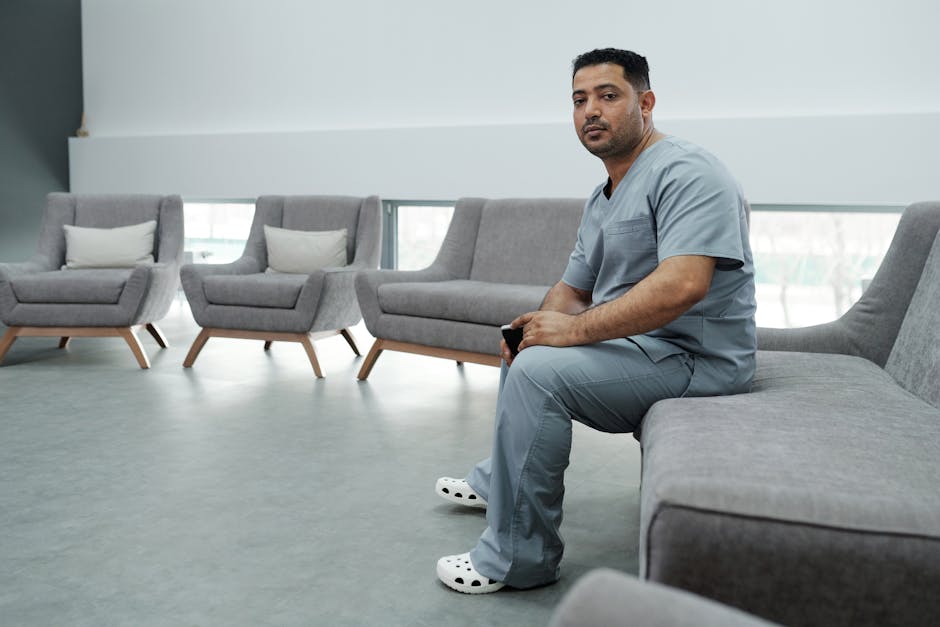
Individual-Level Defenses: Building Your Personal Resilience Toolkit
While systemic changes are paramount, individual-level strategies remain a crucial part of the solution for what treatment strategies work best for healthcare professionals. We believe that self-care is not selfish; it’s a professional imperative. Building personal resilience helps steer the unavoidable stresses of healthcare, but recognize its limitations.
Resilience training, while beneficial, only has a modest impact on reducing burnout among healthcare professionals when used in isolation. Relying solely on individual resilience can inadvertently foster a culture of blame, suggesting that if a professional is burned out, it’s their fault for not being “resilient enough.” This detracts from the urgent need for systemic support programs that address wider workplace issues.

What are the most effective individual-level strategies for healthcare professionals?
For those working in Florida’s demanding healthcare environments, here are some actionable strategies we advocate for:
- Mindfulness Practices: Even a few minutes of mindfulness or meditation can significantly reduce stress. These practices help ground you in the present moment, increasing self-awareness and emotional regulation.
- Stress Management Techniques: Learning and regularly applying techniques such as deep breathing, progressive muscle relaxation, or guided imagery can interrupt the stress response and promote calm.
- Communication Skills Training: Effective communication with colleagues and patients can reduce misunderstandings and emotional strain. This includes assertive communication and conflict resolution skills.
- Healthy Habit Formation: Incorporating routines like regular exercise, balanced nutrition, sufficient sleep, and limiting screen time can significantly bolster physical and mental health. Evidence suggests that between 30 and 50% of people’s everyday behaviors are repetitive and performed in the same physical location. Deliberately forming positive habits can create automatic, beneficial actions.
- Professional Development & Continuous Learning: Engaging in learning opportunities can renew a sense of purpose and competence, mitigating feelings of stagnation.
- Seeking Mentorship: Connecting with experienced professionals provides guidance, support, and a sounding board for challenges, fostering a sense of belonging and reducing isolation.
5-Minute Stress-Reduction Exercises for Busy Shifts
- Box Breathing: Inhale for 4 counts, hold for 4, exhale for 4, hold for 4. Repeat 3-5 times.
- Progressive Muscle Relaxation (Quick Scan): Tense and then relax a few major muscle groups (shoulders, hands, jaw) for 10-15 seconds each.
- Mindful Observation: Pick an object in your environment and observe it with all your senses for 1-2 minutes, noticing details you usually miss.
- Gratitude Pause: Think of 3 things you are grateful for, no matter how small.
- Hydration Break: Step away, get a glass of water, and mindfully drink it, focusing on the sensation.
System Fix: What Treatment Strategies Actually Work for Healthcare Professionals?
While personal resilience matters, the biggest wins come from fixing the system around you. If your workload, schedule, and culture stay toxic, no amount of deep breathing will save you.
The real answer to what treatment strategies work best for healthcare professionals? is a systemic overhaul plus access to structured care like virtual IOP and PHP programs that fit a healthcare schedule.
A multi-pronged approach using both individual and organizational strategies is consistently the most effective.
Fixing Workload and Autonomy So Recovery Is Actually Possible
If you’re working 12–16 hour days with impossible patient loads, your nervous system is in constant overdrive. Recovery requires hard changes, not just mindset shifts:
- Workload Management & Duty Hour Limits:
- Enforce realistic caps on duty hours and patient volume
- Protect off-time so your brain and body can reset
- Adequate Staffing Ratios:
- More staff = fewer errors and fewer nights you go home feeling like a failure when the system set you up to lose
- Flexible Scheduling:
- Rotations, part-time blocks, or evening-shift options so you can actually attend therapy, IOP, or PHP
- Real Autonomy, Less Clerical Drag:
- Cut low-value documentation and busywork
- Delegate non-clinical tasks to admin support
- Let clinicians make clinical decisions without constant second-guessing
At Thrive Mental Health, we’ve built flexible Virtual IOP programs with evening options so healthcare professionals in Florida can get intensive support without walking away from their job.
Leadership, Peer Support, and Culture: The Hidden Lever
You can feel the difference between a unit with supportive leadership and one without it.
- Supportive Leadership:
- Leaders who listen, advocate, and protect staff time directly improve well-being
- Psychological Safety:
- Teams where people can speak up, debrief, and admit mistakes without punishment have better learning and lower burnout
- Peer Support & Mentorship:
- Formal peer support programs and mentorship reduce isolation and provide real-time, practical coping tools
- Team-Based Culture:
- Shared responsibility and wins reduce the “it all falls on me” pressure that fuels burnout
How Can a Culture of Openness Make It Easier to Get Help?
Stigma and fear about licensing, reputation, or job security stop many clinicians from reaching out until things are dangerous.
A strong culture of openness:
- Destigmatizes Mental Health:
- Leaders openly endorse therapy, IOP/PHP, and time off as professional maintenance, not personal failure
- Normalizes Help-Seeking:
- When senior staff share their own experiences getting support, it gives others permission to do the same
- Guarantees Confidential Access:
- Clear policies that protect privacy and clarify what is—and isn’t—reported
- Easy access to virtual therapy and online IOP options
- Removes Practical Barriers:
- Evening groups, telehealth, and insurance-friendly care (Cigna, Optum, Florida Blue, and more)
When systems and culture line up, healthcare professionals are far more likely to use effective treatments early—long before they’re thinking about quitting medicine altogether.
Beyond the Clinic: The Untapped Power of Community and Shared Experience
Combating the isolation that often accompanies demanding healthcare roles requires fostering strong community and shared experiences. Redirecting resources from solely individual resilience training to shared activities and community-building can be profoundly effective.
- Combating Isolation: Many healthcare professionals feel isolated by the unique pressures of their work. Group activities can bridge this gap.
- Community-Building Activities: Organized events, social gatherings, or even informal get-togethers can foster camaraderie and a sense of belonging.
- Shared Experiences & Debriefing Sessions: Providing structured opportunities for professionals to debrief after challenging cases or experiences allows for emotional processing and validation. A pilot study on the role of shared experience on healthcare workers’ well-being found that a virtual book club, for example, can be a beneficial community activity. Research on a book club for healthcare workers during the COVID-19 pandemic highlighted the positive impact of such initiatives.
- Fostering a Sense of Belonging: When professionals feel connected to their team and organization, it improves their job satisfaction and reduces feelings of alienation.
Frequently Asked Questions About Burnout Treatment for Healthcare Professionals
What treatment works best for burned-out doctors and nurses?
The best results come from combining organizational fixes (workload, staffing, schedule, leadership) with evidence-based treatment like therapy, coaching, and intensive programs such as IOP or PHP. Used together, they lower burnout, reduce errors, and speed recovery.
Can virtual IOP or PHP fit a healthcare schedule?
Yes. Thrive offers virtual and hybrid IOP/PHP with evening options, designed specifically for busy professionals in Florida. You can get intensive support without leaving your job or residency.
Is burnout a sign I should quit healthcare entirely?
Not necessarily. Burnout is usually a sign that the way you’re working is unsustainable, not that you chose the wrong career. With the right mix of systemic changes and targeted treatment, many clinicians rebuild energy, boundaries, and purpose without walking away from medicine.
Does insurance cover IOP or PHP for healthcare professionals?
Often, yes. Many commercial plans—including Cigna, Optum, and Florida Blue—cover IOP/PHP when clinically appropriate. You can verify your benefits in minutes using Thrive’s health insurance with mental health coverage page.
Where can I learn more about intensive treatment options?
You can dive deeper into how structured care works in our guide to evidence-based IOP, which explains levels of care, outcomes, and what to expect session by session.
Your Path to Recovery Starts Here
The fastest way forward is not “be more resilient.” It’s a clear plan and the right level of support.
For healthcare professionals in Florida, Thrive offers:
- Virtual and hybrid IOP/PHP tailored to high-stress careers
- Evening options so treatment fits around shifts
- Clinicians who understand burnout, moral injury, and trauma in healthcare
- Insurance-friendly care with Cigna, Optum, Florida Blue, and other major plans
You don’t have to wait until things fall apart to get help that actually moves the needle.
Ready for support? Thrive offers virtual and hybrid IOP/PHP programs with evening options. Verify your insurance in 2 minutes (no obligation) → Start benefits check or call 561-203-6085. If you’re in crisis, call/text 988.