
3 Simple Steps to Find Top IOPs for Gender Identity Challenges

Struggling to Find Real Gender-Affirming Support? Here’s Where to Start
If you or someone you know is in crisis or needs immediate support, call or text the 988 Suicide & Crisis Lifeline. You are not alone.
Which top-rated intensive outpatient programs address gender identity challenges? The answer lies in finding programs that offer more than just tolerance—they provide true, affirming care that centers who you are.
A top-rated gender-affirming IOP should have:
- Joint Commission or CARF accreditation, signaling a commitment to high-quality care.
- LGBTQIA+-trained clinical staff who understand the nuances of gender identity.
- Gender-affirming care policies, including respect for pronouns and inclusive intake processes.
- Evidence-based therapies like CBT, DBT, and trauma-informed care.
- Proven client outcomes, such as significant improvement in depression, anxiety, and self-harm.
- Insurance coverage with major providers (like Cigna, Optum, Florida Blue, Medicaid plans, and others) to ensure accessibility.
For example, Thrive Mental Health offers virtual and in-person IOPs across Florida with evening options and broad insurance coverage, delivering measurable results like 90% depression improvement and 85% anxiety improvement in our LGBTQIA+-specific groups.
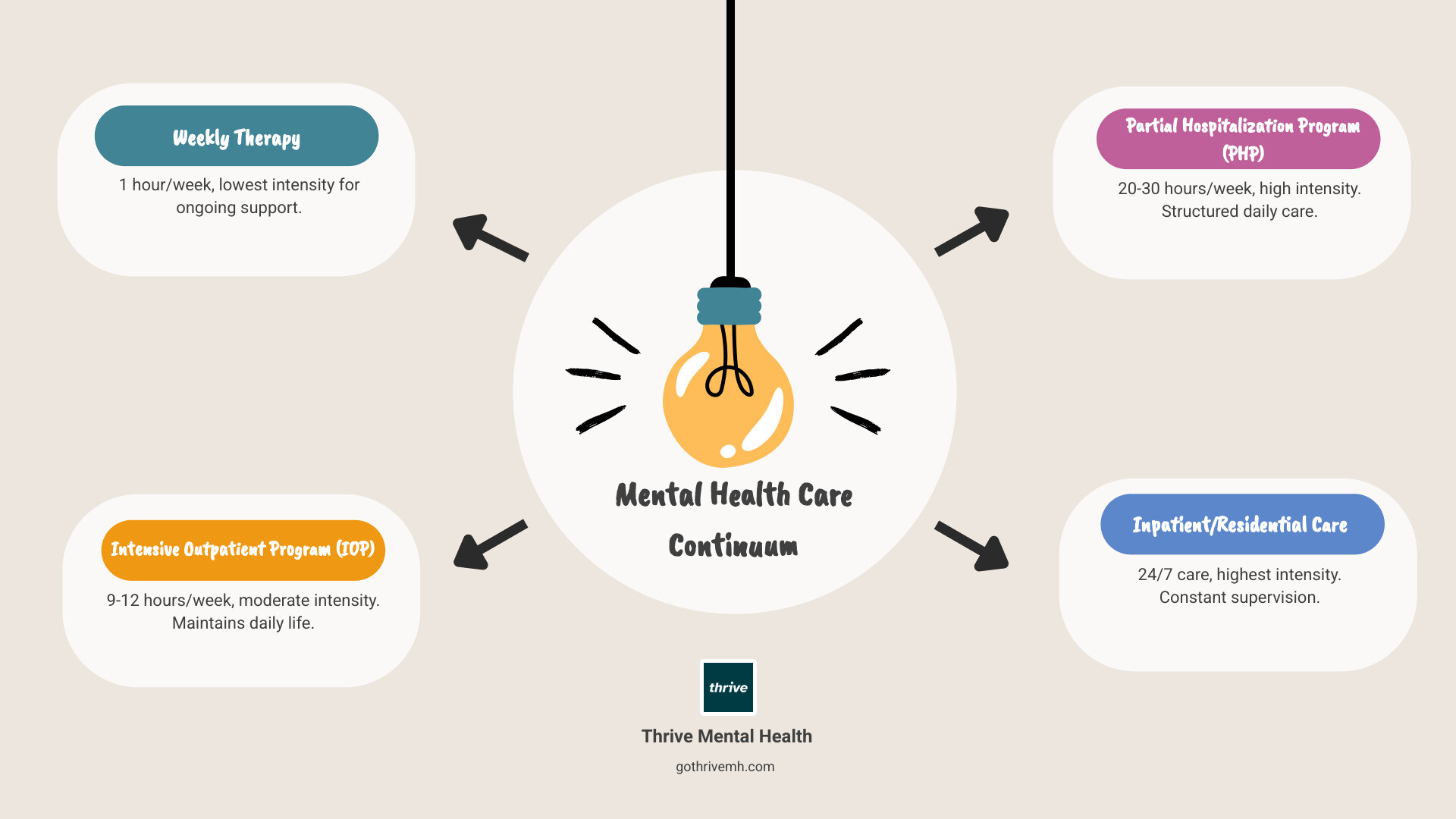
If you’re seeking more support than weekly therapy but don’t need 24/7 care, an IOP offers 9-12 hours per week of structured treatment while you maintain work, school, or family responsibilities. The best programs don’t just tolerate your identity—they center it in your healing.
I’m Nate Raine, CEO of Thrive Mental Health, and I’ve spent over a decade building behavioral health programs that deliver measurable outcomes. Which top-rated intensive outpatient programs address gender identity challenges? starts with understanding what affirming care actually looks like—and this guide will show you exactly how to find it.
Glossary for Which top-rated intensive outpatient programs address gender identity challenges?:
- intensive outpatient mental health program near me
- dbt intensive outpatient programs near me
- intensive outpatient programs for depression and anxiety near me
Step 1: What Makes an IOP “Top-Rated” for Gender Identity?
When you’re searching for an Intensive Outpatient Program (IOP) that truly understands and supports gender identity challenges, “top-rated” means much more than just a high star count. It signifies a program deeply committed to affirming care, clinical excellence, and measurable results for the LGBTQIA+ community. So, which top-rated intensive outpatient programs address gender identity challenges? It’s all about finding providers that integrate specialized knowledge with proven therapeutic practices.
Here’s what we look for in a top-rated gender-affirming IOP:
- Program Quality & Accreditation: A foundational sign of quality is accreditation from bodies like The Joint Commission. This certification reflects a dedication to delivering high-quality client care and maintaining a culture of clinical excellence. For instance, a program that is proudly certified by The Joint Commission demonstrates a commitment to rigorous national standards for safety and quality, giving you peace of mind.

-
Specialized Staff & Training: An IOP is only as good as its team. For gender identity challenges, this means therapists, counselors, and medical staff aren’t just generally competent; they’re specifically trained in LGBTQIA+ mental health. They understand the nuances of gender dysphoria, identity exploration, and the unique stressors (like discrimination or family rejection) that impact the community. This includes training on inclusive language, pronoun respect, and creating a safe space where every individual feels seen and valued. Our clinicians at Thrive Mental Health, serving Florida, receive ongoing training to ensure the highest level of affirming care.
-
Affirming & Inclusive Environment: A top-rated program goes beyond mere tolerance; it actively fosters an affirming and inclusive environment. This means:
- Inclusive Policies: Explicit non-discrimination policies that protect and celebrate gender diversity.
- Pronoun Respect: Consistent use of affirmed names and pronouns across all interactions and documentation.
- Gender-Neutral Spaces: Ensuring physical and virtual spaces are welcoming to all gender identities.
- LGBTQIA+ Specific Groups: Offering dedicated group therapy sessions where individuals can connect with peers who share similar lived experiences, discussing topics like coming out, navigating social transitions, and building resilience.
-
Client Outcomes & Testimonials: While difficult to standardize across all programs, a truly top-rated IOP should be able to demonstrate positive client outcomes. Look for programs that track improvements in mental health symptoms (like depression, anxiety, and self-harm) and client satisfaction. Real testimonials from individuals who have found healing and growth within the program offer invaluable insight into its effectiveness and affirming nature.
A top-rated gender-affirming IOP doesn’t just treat symptoms; it supports the whole person, celebrating their identity as a core part of their healing journey.
Step 2: What Should a Gender-Affirming IOP Actually Offer?
A top-tier Intensive Outpatient Program for gender identity challenges isn’t just a place to talk; it’s a dynamic environment offering a comprehensive suite of therapeutic approaches designed to foster deep healing and self-acceptance. So, what specific features should you expect from these programs?
First and foremost, a gender-affirming IOP integrates both individual and group therapy. Individual sessions provide a safe, confidential space to explore personal experiences, gender identity, and any co-occurring mental health concerns with a dedicated, affirming therapist. Group therapy, however, is often where the magic happens. In these settings, individuals connect with peers who share similar journeys, reducing isolation and building a powerful sense of community and belonging. These groups can focus on identity exploration, navigating social transitions, managing gender dysphoria, and developing healthy coping mechanisms.

The therapeutic modalities employed are crucial. Look for programs that use evidence-based therapies such as:
- Cognitive Behavioral Therapy (CBT): Helps identify and challenge negative thought patterns and behaviors related to gender identity, anxiety, or depression.
- Dialectical Behavior Therapy (DBT): Focuses on emotional regulation, distress tolerance, mindfulness, and interpersonal effectiveness—skills vital for navigating complex emotions and social interactions.
- Compassion-Focused Therapy (CFT): Cultivates self-compassion and understanding, particularly important for individuals who have experienced stigma or marginalization.
- Experiential Therapy: Incorporates creative and activity-based approaches like art, music, or mindfulness to help process emotions and experiences in a non-verbal way.
Beyond these, a robust gender-affirming IOP will address the intersection of gender identity with other mental health concerns, including anxiety, depression, trauma, and substance use. At Thrive Mental Health, our programs explicitly address these intersections, using CBT and DBT to help individuals with identity exploration, self-acceptance, and stress management. You can learn more about how our programming works on our Intensive Outpatient Program (IOP) services page.
Family involvement is another cornerstone of effective treatment. Many top programs recognize that a client’s support network plays a critical role in their healing. This often includes family therapy sessions, educational workshops for family members, and communication skill-building exercises. The goal is to create a more understanding and supportive home environment, fostering open dialogue and acceptance.
Here are some common group topics you might find in a gender-affirming IOP:
- Gender Identity 101: Understanding terms, concepts, and personal identity.
- Navigating Social Transition: Coming out, changing names/pronouns, social support.
- Coping with Gender Dysphoria: Strategies for managing distress and building resilience.
- Building Self-Acceptance & Self-Compassion: Cultivating a positive relationship with oneself.
- Advocacy & Empowerment: Learning to advocate for oneself and connect with community resources.
- Managing Stigma & Discrimination: Developing coping skills for external challenges.
- Healthy Relationships & Communication: Building supportive connections with family and friends.
- Mindfulness & Emotional Regulation: Tools for managing stress and intense emotions.
At Thrive Mental Health, we design each LGBTQIA+-affirming treatment plan with one primary goal in mind: helping people heal and refind hope. We focus on providing a structured, supportive environment where individuals can explore their identity and address co-occurring mental health conditions. For those needing a higher level of support, our Partial Hospitalization Program (PHP) offers a step up in intensity while staying rooted in the same affirming approach.
How Thrive Tackles Gender Identity and Mental Health—With Results
If you’re in crisis, call/text 988 right now. You are not alone.
The journey of gender identity can often intersect with significant mental health challenges. Discrimination, societal pressure, and the internal process of self-findy can contribute to heightened rates of anxiety, depression, trauma, and even self-harm within the LGBTQIA+ community. A top-rated IOP specifically designed for gender identity challenges doesn’t shy away from these complexities; it addresses them head-on with integrated, trauma-informed care.
At Thrive Mental Health, we understand that healing means addressing the whole person. Our programs, available across Florida, are built to tackle these interconnected issues. We provide a supportive, affirming environment where individuals can safely explore their gender identity while simultaneously working through mental health concerns. Our approach includes:
- Trauma-Informed Care: Recognizing the prevalence of trauma in the LGBTQIA+ community, our therapies are designed to be sensitive and healing, helping individuals process past experiences without retraumatization.
- Integrated Treatment for Co-occurring Conditions: Many individuals facing gender identity challenges also struggle with depression, anxiety, or substance use. Our programs offer comprehensive support that treats these conditions simultaneously, ensuring a holistic path to wellness.
- Building Resilience and Coping Skills: We equip clients with practical tools to steer daily stressors, manage difficult emotions, and build a strong sense of self-worth and resilience.
We’re proud to share that our approach yields measurable outcomes. For instance, in our LGBTQIA+ programs:
- 90% of clients reported improvements in their depression.
- 85% of clients reported improvements in their anxiety.
- 84% of clients reported improvements in self-harm.
These statistics aren’t just numbers; they represent real people finding real healing and refinding hope. To see how our approach compares to other levels of care, you can also read our guide on IOP vs. PHP—Which Is Right for You? Our commitment is to provide a space where you can not only survive but truly thrive, embracing your authentic self.
Step 3: Virtual vs. In-Person IOP—Which Gets You Better Results?
The question of virtual versus in-person IOP is a hot topic, especially for individuals navigating gender identity challenges. Both formats have their strengths, and the “best” choice often depends on your personal circumstances, location, and comfort level. The good news? Studies, such as one published in the International Journal of Eating Disorders, indicate that virtual IOPs can be highly effective, with outcomes comparable to in-person programs.
Virtual IOPs offer unparalleled flexibility and accessibility. For individuals living in areas without local gender-affirming resources, or those with demanding work, school, or family commitments, virtual programs are a lifeline. They allow you to receive intensive, structured support from the comfort and privacy of your own home, eliminating travel time and logistical problems. This can be particularly beneficial for those who might feel more comfortable exploring their identity in a familiar setting. Leading providers now offer virtual LGBTQIA+-specific IOPs, making specialized care accessible across many states.
In-person IOPs, on the other hand, provide a tangible sense of community and connection that some individuals prefer. The physical presence in a dedicated therapeutic space, the casual interactions during breaks, and the non-verbal cues in a group setting can be deeply impactful. For some, stepping outside their daily environment into a structured program can be a powerful catalyst for change.
The typical structure and duration of IOPs, whether virtual or in-person, are designed to provide more support than traditional weekly therapy without requiring an overnight stay. Most IOPs involve 9-12 hours of treatment per week, typically spread across 3-5 days. Sessions usually last around 3 hours each, allowing you to participate in therapy while still accommodating daily life responsibilities. This balance is key to integrating new coping skills into your routine.
Here’s a quick comparison to help you weigh your options:
| Feature | Virtual IOP | In-Person IOP | Best Fit For |
|---|---|---|---|
| Flexibility | High; fits around work/school, eliminates commute. | Moderate; requires dedicated time away from home. | Individuals with busy schedules, limited local resources, or preference for home-based comfort. |
| Accessibility | High; available from anywhere with internet, broadens access to specialists. | Moderate; limited by geographic location, may require travel. | Individuals in remote areas, those with mobility issues, or seeking highly specialized care not available locally. |
| Community | Strong; virtual group connections, shared healing, often across wider geographical areas. | Very strong; direct physical interaction, shared physical space, immediate peer support. | Individuals who thrive on direct physical interaction and a distinct separation between their home and therapeutic environment. |
| Comfort | High; familiar home environment, privacy, reduced social anxiety for some. | Varies; dedicated therapeutic space, may feel more “official” or less distracting for some. | Those who value privacy and comfort of home, or experience social anxiety. |
| Cost | Often similar to in-person, but saves on travel/childcare. | Can incur additional costs for travel, parking. | Both offer cost-effective alternatives to inpatient care, but virtual may have hidden savings. |
| Program Duration | Typically 8-12 weeks, 3-5 days/week, 3 hours/session. | Typically 8-12 weeks, 3-5 days/week, 3 hours/session. | Both offer similar durations and intensity, allowing for consistent progress. |
| Accommodating Daily Life | Excellent; maintain work, school, and family obligations with minimal disruption. | Good; structured schedule allows for planning, but requires more logistical coordination. | Those needing to seamlessly integrate intensive therapy into their existing life structure. |
At Thrive Mental Health, we offer both virtual and in-person IOPs across Florida, ensuring you can choose the option that best fits your needs without compromising on quality or affirming care. Our virtual programs provide the same expert-led, evidence-based treatment as our in-person centers. You can explore Thrive’s virtual therapy options to see how flexible care can fit your life, or learn how our IOP and PHP levels of care compare if you’re unsure which intensity you need.
Step 4: Admissions, Insurance, and Cost—Don’t Get Stuck with Surprise Bills
Navigating the admissions process and understanding insurance coverage can feel like a daunting task, especially when you’re already facing mental health challenges. But don’t let it be a barrier to finding the support you deserve. Top-rated IOPs for gender identity challenges strive for transparency and ease in these areas.
Admission Steps: Your Path to Support
Generally, the admission process for an IOP involves a few key steps:
- Initial Contact: This is usually a phone call or online inquiry to the program’s admissions team. For Thrive, you can reach out to our Admissions Team to get started quickly.
- Assessment: An initial consultation or assessment will be conducted to understand your mental health needs, discuss your symptoms, and review your treatment history. This helps the team determine if an IOP is the right level of care for you. While some programs require a referral from a mental health professional, many, including ours at Thrive, accept self-referrals in Florida, removing an extra hurdle.
- Treatment Plan Development: If the IOP is a good fit, a personalized treatment plan will be developed, custom to your specific goals and challenges, including those related to gender identity.
- Logistics & Onboarding: This includes discussing scheduling, program expectations, and completing any necessary paperwork.
Insurance Coverage: Maximize Your Benefits
Understanding your insurance benefits is crucial to avoid unexpected costs. Most top-rated IOPs work with a variety of insurance providers, including commercial plans and Medicaid in certain states.
Here’s what you need to know:
- In-Network Providers: If a program is in-network with your insurance, your out-of-pocket costs will typically be lower. At Thrive Mental Health, we are in-network with major providers like Cigna, Optum, and Florida Blue, as well as various Medicaid plans in Florida.
- Out-of-Network Benefits: Even if a program isn’t directly in-network, your plan might offer out-of-network benefits that cover a portion of the costs. It’s always worth checking.
- Verifying Your Benefits: The best way to understand your specific coverage is to contact your insurance provider directly or, even easier, let the admissions team at the program help you. They often have dedicated staff who can verify your benefits and explain your financial obligations. At Thrive, we make this simple: Verify your insurance with Thrive in just a few minutes.
Cost & Financial Planning: No Surprise Bills
The cost of an IOP can vary based on the services provided, the intensity of the program, and whether it includes medication management or additional therapies. Many programs offer private pay options if insurance coverage is limited.
Our goal at Thrive Mental Health is to make evidence-based treatment accessible. We work diligently with insurance providers and offer transparent pricing. We believe that financial concerns shouldn’t stand in the way of vital mental health support. If you need a referral to get started, you can start your referral online through our platform.
Don’t let the paperwork intimidate you. A top-rated gender-affirming IOP will guide you through each step, ensuring you understand your options and can focus on your healing journey.
Step 5: Your Checklist—How to Spot the Best Gender-Affirming IOP
Finding the right intensive outpatient program that truly understands and supports gender identity challenges can feel like searching for a needle in a haystack. But with the right questions and a clear checklist, you can confidently identify a program that will empower your healing.
Here’s your essential checklist for spotting the best gender-affirming IOP:
- Is the Program Explicitly LGBTQIA+-Affirming? Look for programs that proudly state their commitment to the LGBTQIA+ community, not just those that are generally “inclusive.” This means their mission, values, and marketing materials reflect a deep understanding and celebration of gender diversity.
- Are Staff Members Specifically Trained in Gender Identity? Ask about the clinical team’s training and experience with gender dysphoria, identity exploration, and the unique mental health needs of trans and non-binary individuals. Are they knowledgeable about gender-affirming care models?
- Are There Specific Groups for Trans/Non-Binary Clients? While general LGBTQIA+ groups are good, dedicated groups for trans, non-binary, or gender-diverse individuals can provide a more focused and validating experience. Ask about specific group topics related to gender identity.
- How Do They Handle Pronouns and Chosen Names? A truly affirming program will have clear policies and practices for respecting pronouns and chosen names from the very first interaction. This signals a fundamental respect for identity.
- What Therapeutic Modalities Do They Use for Gender Identity Issues? Look for evidence-based therapies like CBT, DBT, and experiential therapies, specifically custom to address gender dysphoria, body image concerns, social anxiety related to transition, and building self-acceptance.
- Do They Offer Family Programs and Education? A comprehensive program will involve family (with client consent) to foster understanding and support, which is vital for many individuals navigating gender identity.
- Can They Provide LGBTQIA+ Success Rates or Outcomes? While not always readily available, ask if they track outcomes for their LGBTQIA+ clients, especially regarding improvements in depression, anxiety, and self-harm.
- How Do They Coordinate with Medical Providers? If you are considering or undergoing medical transition, inquire about how the IOP coordinates care with endocrinologists, surgeons, or other medical specialists.
- What Are Their Policies on Inclusivity and Safety? Ensure the program has clear anti-discrimination policies and a commitment to creating a safe space free from judgment or prejudice.
- Is the Program Accessible and Flexible? Consider if they offer virtual options (like our programs at Thrive Mental Health) or evening sessions to accommodate your daily life, making treatment sustainable.
Here are some essential questions to ask a Thrive admissions coordinator before enrolling:
- “What specific training do your therapists have in gender-affirming care?”
- “Can you describe the types of gender identity-focused groups offered in your IOP?”
- “How does Thrive ensure a respectful and inclusive environment for trans and non-binary clients?”
- “What support is available for families of individuals exploring their gender identity?”
- “Can you share any outcome data for your LGBTQIA+ clients?”
- “How does Thrive’s IOP model accommodate my work/school schedule?”
By asking these targeted questions, you empower yourself to make an informed decision and find an IOP that not only meets your clinical needs but also celebrates and affirms your authentic self.
FAQs: Intensive Outpatient Programs for Gender Identity—What You Need to Know
How long does a gender-affirming IOP last?
Most IOPs run 8–12 weeks, 3–5 days a week, 3 hours per session—intensive support that fits your life. The duration can be adjusted based on individual progress and needs.
Can an IOP help with gender dysphoria?
Yes. Thrive’s IOPs offer a safe space to explore identity, build coping skills, manage anxiety and depression, and connect with peers. Our evidence-based therapies and affirming environment are specifically designed to support individuals navigating gender dysphoria and other gender identity-related issues.
Do I need a doctor’s referral to join?
Not always. Thrive accepts self-referrals in Florida. You can simply contact our admissions team directly. Contact Thrive admissions to confirm the specific requirements for your location and situation.
Does insurance cover Thrive’s IOP?
Thrive is in-network with Cigna, Optum, Florida Blue, Medicaid, and more. We work with many major insurance providers to make our programs accessible. Check your insurance in 2 minutes on our website to understand your specific coverage.
What’s the difference between IOP and PHP?
Read our guide: IOP vs. PHP—Which Is Right for You? In short, an IOP (Intensive Outpatient Program) typically involves 9-12 hours of treatment per week, allowing you to live at home and maintain daily responsibilities. A PHP (Partial Hospitalization Program) is more intensive, offering 20-30 hours of treatment per week, often functioning as a step-down from inpatient care or a step-up from IOP.
Summary: 5 Simple Steps to Find Top-Rated IOPs for Gender Identity Challenges
Finding a truly affirming IOP is the difference between surviving and thriving. It means locating a program with accredited quality, specialized LGBTQIA+-trained staff, inclusive policies, and a proven track record of positive client outcomes. These programs offer a comprehensive blend of individual, group, and family therapies, utilizing evidence-based approaches like CBT and DBT, specifically custom to support identity exploration, manage gender dysphoria, and address co-occurring mental health challenges like depression and anxiety.
Whether you opt for the flexibility and accessibility of a virtual IOP or the direct connection of an in-person program, the key is finding a provider that centers your identity in your healing. Thrive Mental Health delivers expert-led, evidence-based virtual and in-person IOPs for gender identity challenges—backed by real results and in-network with most major insurance providers, including Cigna, Optum, Florida Blue, and Medicaid options where available. Serving Florida, we are committed to providing a safe, affirming, and effective path to wellness. To explore levels of care, visit our IOP services page, learn about our higher-intensity PHP programs, or see how virtual therapy can fit into your life.