





Sick of Anxiety Controlling Your Life? Here’s How IOPs Deliver Fast, Lasting Relief
What are the top intensive outpatient programs for anxiety treatment? The best anxiety IOPs combine evidence-based therapies (CBT, DBT, exposure therapy), personalized care plans, flexible scheduling (including virtual options), licensed clinicians, integrated treatment for co-occurring conditions, and strong aftercare support. Top programs typically run 9-15 hours per week for 6-12 weeks and accept major insurance plans.
Key features to look for:
- Evidence-based therapies: Cognitive Behavioral Therapy (CBT), Dialectical Behavior Therapy (DBT), Exposure Response Prevention (ERP)
- Personalized treatment plans: Individual therapy, customized goals, progress tracking
- Flexible formats: Virtual, hybrid, and in-person options with evening/morning sessions
- Integrated care: Treatment for anxiety plus depression, substance use, or trauma
- Licensed and accredited: Joint Commission or state certification
- Family involvement: Parent coaching, family therapy, SPACE program support
- Aftercare planning: Alumni groups, step-down care, relapse prevention
If your anxiety is disrupting work, school, or relationships, and weekly therapy isn’t cutting it, an IOP gives you structured, intensive support without requiring you to put your life on hold. Research shows 96% of clients report reduced anxiety levels post-treatment, with 90% successfully reintegrating into work or school.
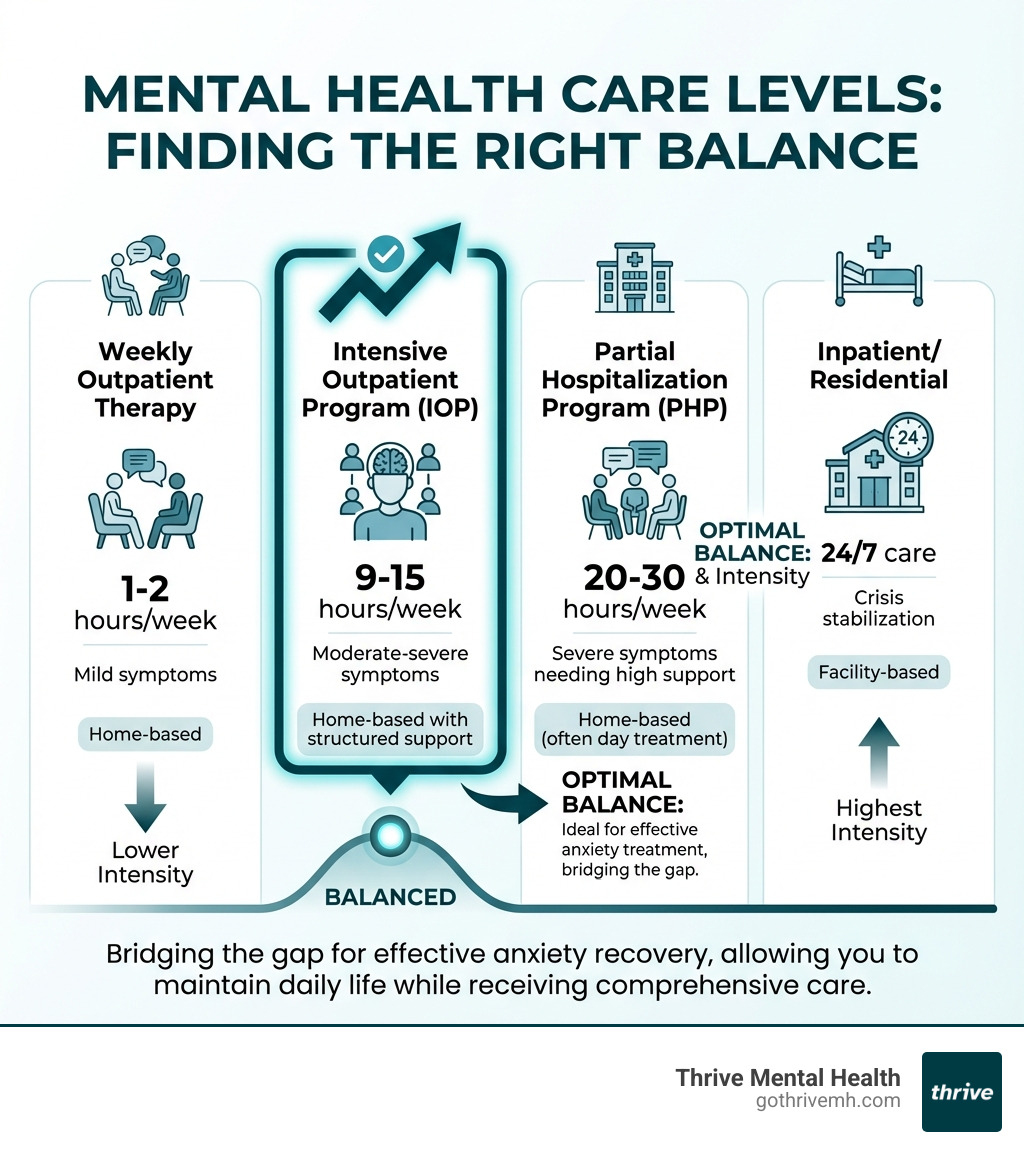
Here’s the reality: anxiety disorders affect over 300 million people worldwide, yet traditional once-a-week therapy often isn’t enough for moderate to severe cases. IOPs bridge the gap between standard outpatient care and inpatient hospitalization, offering multiple therapeutic sessions per week while you continue living at home.
Most programs run 9-15 hours weekly over 6-12 weeks, combining individual counseling, group therapy, psychoeducation, and skills training. You’ll learn real coping strategies, practice them in a safe environment, and build connections with others facing similar struggles, all while maintaining your daily routine.
The best IOPs don’t just treat symptoms. They address root causes, teach lifelong skills, and create personalized paths to recovery. Whether you’re dealing with generalized anxiety, panic disorder, social anxiety, or OCD, the right program can transform how you experience and manage anxiety.
I’m Nate Raine, CEO of Thrive Mental Health, and I’ve spent over a decade building behavioral health programs that integrate clinical excellence with measurable outcomes. Through my work guiding what are the top intensive outpatient programs for anxiety treatment, I’ve seen how structured, evidence-based IOPs help people reclaim their lives when traditional therapy falls short.
Related Terms at a Glance:
- intensive outpatient mental health program near me
- dbt intensive outpatient programs near me
- adolescent intensive outpatient programs near me
Why Intensive Outpatient Programs (IOPs) Outperform Weekly Therapy for Severe Anxiety
If you’re struggling with anxiety that feels overwhelming, you might be asking yourself: “Why isn’t weekly therapy making enough of a difference?” For many, traditional outpatient therapy, while valuable, simply doesn’t provide the intensity or comprehensive support needed to break free from severe anxiety’s grip. This is where Intensive Outpatient Programs (IOPs) shine, offering a crucial middle ground that delivers faster, more sustainable relief.
IOPs provide a structured, intensive environment that’s more comprehensive than traditional weekly sessions but less restrictive than residential care. This higher level of support is designed for individuals who need to develop robust coping skills and practice them in real-world settings. The goal is rapid progress and lasting change.
We’ve seen the transformative power of this approach. Our research shows that 96% of clients report reduced anxiety or depression levels post-treatment, and an impressive 90% successfully reintegrate into academics or work post-IOP, with 95% maintaining participation six months later. These aren’t just numbers; they represent lives reclaimed and futures rebuilt. An IOP provides you with the tools, the practice, and the unwavering support to achieve these kinds of measurable outcomes.
For a deeper dive into the advantages, explore Understanding the Benefits of an Intensive Outpatient Program.
The Real Benefits of Intensive Anxiety Treatment
An IOP isn’t just about more therapy; it’s about smarter, more effective therapy. Here’s why an intensive approach can be a game-changer for your anxiety:
- Flexible Scheduling: Unlike inpatient programs that require you to live at a facility, IOPs allow you to receive intensive treatment while continuing to live at home. Many programs, including ours at Thrive Mental Health, offer virtual and hybrid options with evening and morning sessions. This means you can fit treatment around your work, school, or family commitments.
- Cost Savings: Compared to residential programs, IOPs are significantly more cost-effective. They deliver intensive care without the hefty expenses associated with 24/7 facility stays, making high-quality treatment more accessible.
- Maintain Your Daily Routine: The ability to stay home means you can integrate new coping skills directly into your daily life. You’re not stepping away from your responsibilities; you’re learning to manage them more effectively with new strategies.
- Build Life Skills: IOPs are highly practical. You’ll learn essential life skills for managing stress, regulating emotions, improving communication, and building resilience. These aren’t just theoretical lessons; they’re practiced and refined within the program.
- Peer Accountability and Support: Group therapy is a cornerstone of IOPs, offering a powerful community where you can share experiences, receive empathetic support, and practice new social skills in a safe, non-judgmental environment. This peer connection fosters a sense of belonging and mutual accountability that significantly aids recovery.
For more on the convenience and efficacy of remote options, see The Benefits of a Virtual Intensive Outpatient Program (VIOP).
Is an IOP Right for You?
Deciding on the right level of care can feel overwhelming, but an Intensive Outpatient Program for anxiety is typically recommended for individuals who meet certain criteria. It’s a powerful step forward if:
- You have moderate to severe anxiety: Your anxiety symptoms are significantly impacting your daily functioning, relationships, work, or school, and you’re struggling to manage them on your own.
- Weekly therapy isn’t enough: You’ve tried traditional therapy, but it hasn’t provided the consistent progress or intensive support you need to feel better.
- You’re stepping down from higher care: You might be transitioning from a Partial Hospitalization Program (PHP) or residential treatment and need continued, structured support to solidify your recovery.
- You’re dealing with co-occurring conditions: Many people experience anxiety alongside other mental health challenges like depression or substance use. IOPs are equipped to address these complex needs simultaneously.
- You’re ready for change: You’re motivated to commit to a more intensive treatment schedule and actively engage in the therapeutic process to achieve lasting well-being.
An IOP offers a chance to gain deeper insight and develop practical strategies for managing your mental health. Learn more about what makes this level of care so effective at Intensive Outpatient Program Mental Health.
7 Must-Have Features of the Best Anxiety IOPs
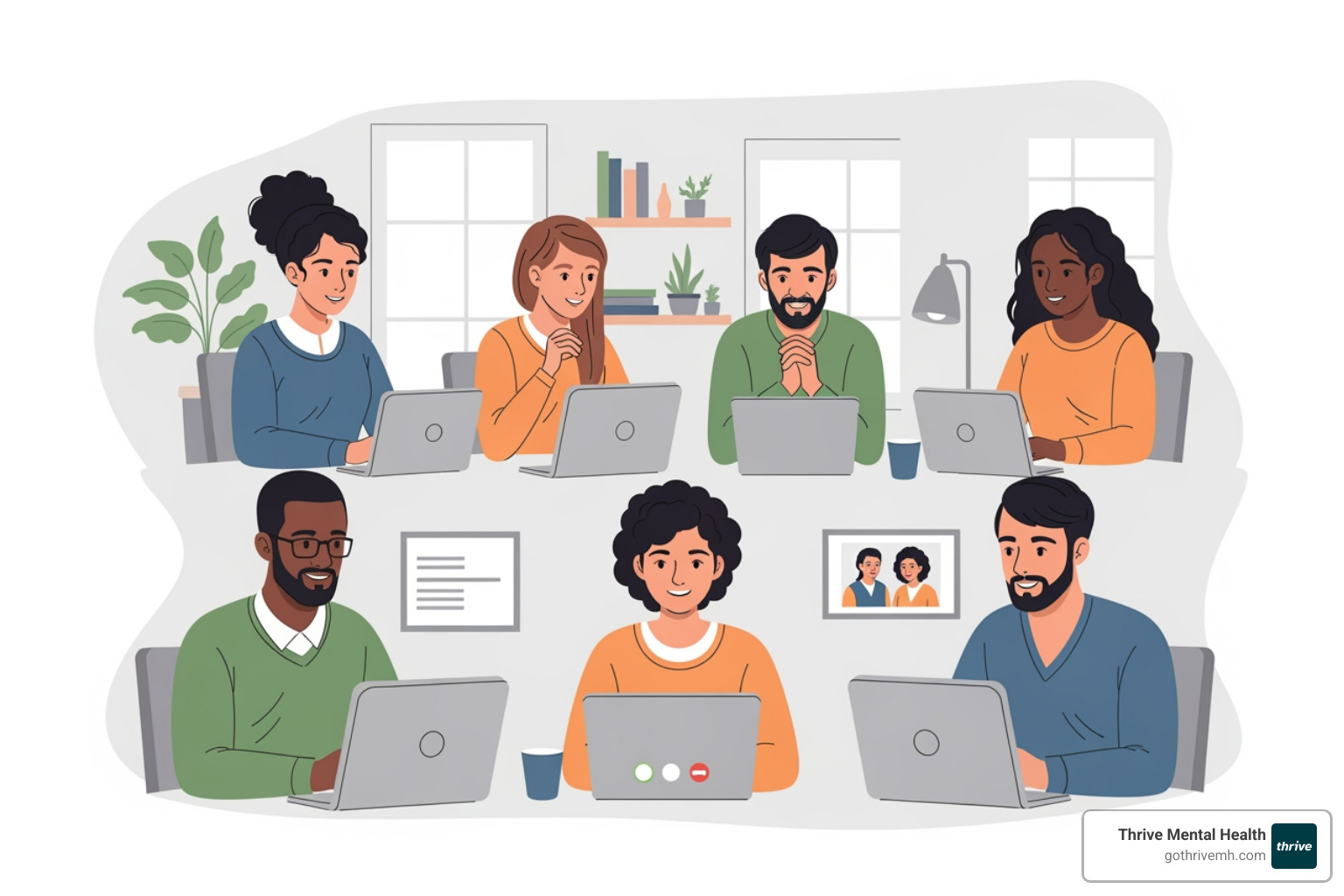
When searching for what are the top intensive outpatient programs for anxiety treatment, it’s essential to know what truly defines quality care. Not all IOPs are created equal. We believe that the best programs are built on a foundation of proven methods, personalized attention, and comprehensive support. Here’s a checklist of 7 critical features to look for:
Spotting quality care means looking beyond surface-level descriptions. It means finding a program that genuinely invests in your recovery journey. To help you steer your options, check out Finding Quality IOP Programs Near Me: A Guide.
1. Evidence-Based Therapies Only
The cornerstone of any effective anxiety treatment is the use of therapeutic approaches backed by scientific research. We prioritize therapies that are proven to work, ensuring you receive the most effective care possible. Look for programs that prominently feature:
- Cognitive Behavioral Therapy (CBT): A highly effective therapy that helps you identify and change negative thought patterns and behaviors contributing to your anxiety. CBT teaches practical skills to manage symptoms and improve daily functioning. Dive deeper into its mechanisms with The Ultimate Guide to Understanding Cognitive Behavioral Therapy (CBT).
- Dialectical Behavior Therapy (DBT): Often used for emotional regulation difficulties, DBT teaches mindfulness, distress tolerance, interpersonal effectiveness, and emotion regulation skills, which are invaluable for managing intense anxiety. Understand its power at How Does Dialectical Behavioral Therapy Work?.
- Eye Movement Desensitization and Reprocessing (EMDR): While often associated with trauma, EMDR can be highly effective for anxiety disorders, especially when anxiety stems from distressing past experiences. It helps process traumatic memories and reduce their emotional impact. Learn more in our EMDR Complete Guide.
- Exposure Therapy: A critical component for many anxiety disorders, particularly phobias and OCD. It involves gradually exposing you to feared situations or objects in a safe, controlled environment, helping you reduce avoidance and build confidence.
2. Personalized Treatment, No Cookie-Cutter Programs
Your anxiety is unique, and your treatment should be too. The best IOPs understand that a one-size-fits-all approach simply doesn’t work. We believe in crafting individualized care plans that cater to your specific needs, challenges, and goals. This includes:
- Individualized Care: One-on-one counseling sessions are crucial. These allow you to dig into personal issues, process emotions, and receive custom guidance from a dedicated therapist.
- Goal Setting: Collaborative goal-setting ensures your treatment aligns with what you want to achieve. Clear, measurable goals provide a roadmap for your recovery.
- Progress Tracking: Effective programs continuously monitor your progress, using client-reported measures and data to guide treatment decisions and ensure you’re moving forward. This data-driven approach helps us make real-time adjustments to your plan.
- One-on-One Counseling: Beyond group sessions, dedicated individual therapy provides a confidential space to explore complex feelings and develop personalized coping strategies.
Even for young adults, personalized approaches are key, as discussed in Personalized Therapy for Teens.
3. Integrated Care for Co-Occurring Conditions
Anxiety rarely travels alone. It often co-occurs with other mental health challenges like depression or substance use. The top IOPs recognize this complexity and offer integrated care that addresses all your conditions simultaneously. Research has shown that effectively treating one condition often requires adequately addressing the other, especially when anxiety and substance use co-occur.
This “dual diagnosis” or “whole-person approach” means:
- Comprehensive Assessment: A thorough evaluation to identify all presenting issues, not just anxiety.
- Coordinated Treatment: Therapists and medical professionals work together to create a cohesive treatment plan that manages all your symptoms.
- Specialized Modalities: Access to therapies and support groups specifically designed for depression, substance use, or trauma, integrated into your anxiety treatment.
Explore more about this holistic approach at Areas of Care: Virtual IOP/Dual Diagnosis.
4. Flexible Scheduling (Virtual & Hybrid Options)
Life doesn’t stop for treatment. The best IOPs are designed to fit into your life, not disrupt it. This is particularly true for adults and young professionals who need to balance recovery with work, school, or family responsibilities. We offer:
- Virtual IOP: Our virtual Intensive Outpatient Programs bring expert-led therapy directly to your home, making treatment accessible to anyone throughout Florida. This eliminates geographical barriers and travel time. Our services are also available in California, Indiana, Arizona, and South Carolina.
- Evening and Morning Sessions: Many of our programs provide flexible scheduling options, including sessions in the evenings or mornings, so you can attend treatment without sacrificing your job or education.
- Hybrid Models: We also offer hybrid options that combine in-person sessions with virtual components, giving you the best of both worlds.
The rise of virtual behavioral health has revolutionized access to care, especially in a large state like Florida. For those in the southern part of the state, our Virtual IOP South Florida Guide offers localized insights. Learn more about the general benefits in our guide to Virtual Intensive Outpatient Programs.
5. Licensed, Accredited, and Safe
Your safety and the quality of your care should never be compromised. The top-tier IOPs are not only licensed by state regulatory bodies but also seek additional accreditation from reputable organizations. This demonstrates a commitment to the highest standards of clinical excellence and patient safety.
- State Licensure: Ensures the program meets state-mandated requirements for mental health services. As a licensed provider in Florida, Thrive Mental Health adheres to all regulations set by the state’s health care authorities, guaranteeing a high standard of care.
- Joint Commission Accreditation: A gold standard in healthcare, Joint Commission accreditation signifies that an organization has met rigorous performance standards for quality and safety. We are proud to be accredited by The Joint Commission for Behavioral Health Care and Human Services, as we discuss in Celebrating Our Joint Commission Accreditation. This accreditation means you’re receiving care that adheres to the highest benchmarks in the industry.
6. Aftercare and Relapse Prevention Built In
True recovery extends beyond the intensive phase of an IOP. A superior program will equip you with a robust aftercare plan to sustain your progress and prevent relapse. This forward-thinking approach ensures you have continued support as you transition back to a less structured environment. Key elements include:
- Discharge Planning: A personalized plan developed with your therapist to outline your next steps, including ongoing individual therapy, support groups, or medication management.
- Alumni Support: Access to a community of peers who have completed the program, offering continued connection and encouragement.
- Step-Down Care: Recommendations for lower levels of care, such as weekly outpatient therapy or virtual support groups, to provide a gradual transition.
- Relapse Prevention Strategies: Learning to identify triggers, develop coping mechanisms, and implement healthy routines to maintain long-term well-being.
Building resilience is a continuous journey, and our programs focus on providing you with online coping strategies for long-term mental health, as detailed in Building Resilience: Online Coping Strategies for Long-Term Mental Health.
7. Family Involvement and Support
Anxiety doesn’t just affect the individual; it impacts the entire family system. The most effective IOPs recognize the crucial role family plays in recovery and actively involve them in the treatment process. This support can transform the home environment into a powerful ally in your healing journey. Look for programs that offer:
 Where to Find Exposure and Response Prevention Therapy for AdultsMental Health
- Family Therapy: Sessions designed to improve communication, address family dynamics, and help family members understand and respond to anxiety in supportive ways.
- Parent Coaching: Guidance and education for parents (or significant others) on how to best support their loved one without enabling anxious behaviors.
- Psychoeducation: Informing family members about anxiety disorders, treatment strategies, and how to create a supportive home environment.
- SPACE Program: Some programs, like the SPACE (Supportive Parenting for Anxious Childhood Emotions) program, specifically empower parents to respond supportively while encouraging independence and resilience. You can learn more about this approach at the SPACE program.
What Are the Top Intensive Outpatient Programs for Anxiety Treatment? [Comparison Table]
Understanding where an IOP fits into the broader landscape of mental health care can help you make an informed decision. Here’s how IOPs compare to other common treatment options:
| Level of Care | Hours/Week | Living Situation | Cost | Best For |
|---|---|---|---|---|
| Intensive Outpatient (IOP) | 9-15 | Home | $$ | Moderate-severe, flexible care |
| Partial Hospitalization (PHP) | 20-30 | Home | $$$ | Step-down, high support |
| Weekly Outpatient | 1-2 | Home | $ | Mild, maintenance |
For a comprehensive breakdown of these levels of care, refer to our guide on IOP vs PHP.
How IOPs Stack Up Against Other Anxiety Treatments
IOPs offer a unique balance of intensity and autonomy, making them ideal for many people struggling with anxiety.
- Intensity: IOPs provide several hours of treatment daily, several days a week, often for at least 9 hours a week. This intensive schedule allows for deeper therapeutic work and more rapid skill acquisition compared to traditional weekly therapy.
- Time Commitment: While significant, the time commitment is designed to be manageable, allowing you to continue with key life responsibilities. This is a key differentiator from inpatient or residential programs, which require 24/7 care.
- Autonomy: You maintain your independence, living at home and applying what you learn in real-time. This real-world practice is crucial for building lasting coping mechanisms.
- Step-Down from Inpatient: IOPs are often a critical step-down for individuals transitioning from more restrictive environments like inpatient hospitalization or PHP. They provide the necessary support to bridge the gap back to full autonomy, as detailed in A Comprehensive Guide to Intensive Outpatient Programs.
What Therapies Are Used in Anxiety IOPs?
A well-rounded anxiety IOP integrates a variety of evidence-based therapies and support services to ensure comprehensive care. The exact mix will depend on your personalized treatment plan, but commonly includes:
- Group therapy: Provides a supportive environment, fosters a sense of community, and promotes skill-building through shared experiences. This is a core component, often involving daily sessions.
- Individual therapy: One-on-one sessions with a dedicated therapist to address specific concerns, process emotions, and develop personalized strategies.
- Psychoeducation: Learning about anxiety disorders, their causes, symptoms, and effective management techniques. Understanding your condition is empowering.
- Case management: Coordination of care, help with practical challenges, and connecting you with additional resources as needed.
- Experiential therapies: May include elements like art therapy, mindfulness, yoga, or biofeedback to complement traditional talk therapies and strengthen the mind-body connection.
At Thrive Mental Health, our treatment services are designed to be comprehensive and custom to your needs. Learn more about them at Treatment services at Thrive.
The Bottom Line: Cost, Duration, and How to Get Started
Understanding the practicalities of an Intensive Outpatient Program for anxiety, how long it lasts, what it costs, and how to get started, is crucial for making an informed decision about your mental health journey.

How Long Does an Anxiety IOP Last? What Does It Cost?
- Duration: IOPs typically involve several hours of treatment daily, several days a week. The duration can vary, but it usually ranges from a few weeks to a few months. Most IOPs run for 6-12 weeks, with sessions totaling 9-15 hours per week. This timeframe allows for significant progress and skill development without being an indefinite commitment.
- Cost: While the exact cost of an IOP can vary based on the provider, location, and specific services included, IOPs tend to be more cost-effective than residential programs. Many programs, including ours, accept insurance, which can significantly reduce your out-of-pocket expenses. We work with most major insurance plans, including Aetna, Cigna, Florida Blue, UnitedHealthcare, and Optum. It’s always best to verify your coverage directly with your provider. Understanding your benefits can be complex, so our guide on How to Read Mental Health Insurance Benefits can be a helpful resource.
- Insurance Coverage: We understand that navigating insurance can be daunting. Many programs will accept insurance, and we encourage you to verify your benefits upfront. You can quickly Start benefits check with us to understand your coverage without obligation.
How to Find the Best IOP for Anxiety in Florida or Online
Finding the right IOP for your specific anxiety needs can feel like a big task, but with the right approach, it’s entirely achievable. Here’s how to narrow down your options:
- Find a Florida Location: If in-person treatment is your preference, Thrive Mental Health has trusted centers across Florida. You can find us in major areas including Miami, Fort Lauderdale, Boca Raton, West Palm Beach, Orlando, Tampa, St. Petersburg, Jacksonville, Naples, and Sarasota. Our IOPs Near Me guide can help you find the closest program.
- Explore Virtual IOP in Florida: Virtual IOPs offer incredible flexibility, bringing expert care to you anywhere in the Sunshine State. Whether you’re in a bustling city or a more remote area, you can access our full program online. For residents in South Florida, our Virtual IOP South Florida Guide provides detailed information on how our online programs work.
- Check for Specializations: Look for programs that specialize in anxiety treatment or have a strong track record with your specific type of anxiety (e.g., OCD, panic disorder).
- Inquire About Fast Admissions: When you’re ready for help, you shouldn’t have to wait. Ask about the intake process and how quickly you can get started.
FAQs: Intensive Outpatient Programs for Anxiety
How many hours a week is an IOP for anxiety?
Most IOPs require 9-15 hours per week, split over 3-5 days, providing a robust treatment schedule that allows for significant progress.
Can I work or go to school while in an IOP?
Yes. Many IOPs, especially virtual and hybrid programs, offer evening or morning sessions specifically designed to fit around your work, school, or family commitments.
Does insurance cover IOP for anxiety?
Most major health insurance plans, including Aetna, Cigna, UnitedHealthcare, Florida Blue, and Optum, provide coverage for IOPs. However, it’s always crucial to verify your specific benefits with your insurance provider before starting treatment.
How do I know if I need an IOP instead of weekly therapy?
If your anxiety is significantly disrupting your daily life, and traditional weekly therapy hasn’t provided sufficient relief, an IOP offers a more intensive and structured level of support without requiring you to put your life on hold.
What happens after I finish an IOP?
Upon completing an IOP, you’ll receive a personalized aftercare plan. This typically includes recommendations for step-down therapy (e.g., less frequent individual sessions), alumni support groups, and ongoing resources to help you maintain your progress and prevent relapse.
Is a virtual IOP for anxiety as effective as in-person?
Early research says it can be. One 2024 study of an IOP found anxiety improved about the same online and in person. Virtual care also removes the commute, which helps people keep coming. It is not right if you need detox or 24/7 care.
Can I get IOP for anxiety outside Florida?
Yes. Thrive’s virtual IOP serves adults in Florida, Indiana, Arizona, California, North Carolina, South Carolina and Texas. You join from home, so where you live in those states does not matter.
Take Back Control, Start Your Recovery Now
Anxiety doesn’t have to win. It might feel like it’s dictating your life, but with the right support, you can reclaim your peace and build a future free from its grip. Thrive Mental Health’s expert-led, evidence-based IOPs (virtual and in-person) are designed to help you build real skills for real recovery, fast.
We’re here to help you steer your anxiety and emerge stronger. Our expert-led programs are available across Florida, with both in-person and virtual options to fit your life. We offer flexible scheduling, accept most major insurance plans, and have seen countless individuals in the Florida community transform their lives. We’re confident we can help you too.
Ready for support? Thrive offers virtual IOP programs with evening options. Verify your insurance in 2 minutes (no obligation) → Start benefits check or call 561-203-6085. If you’re in crisis, call/text 988.

This article is for informational purposes only and is not a substitute for individualized clinical advice or insurance verification.