


Feeling overwhelmed by burnout, anxiety, or that sense of being stuck is all too common, especially in fast-paced places like California, Florida, Indiana, Arizona, and South Carolina. If you’re searching for real support, iop services can offer a structured path forward without disrupting your daily life.
This guide will help you understand what Intensive Outpatient Programs are, who they help, and how modern virtual IOP options in California and beyond work. We’ll address concerns about time, privacy, effectiveness, and insurance. Ready to explore your options? Discover how personalized, evidence-based care can help you move forward, confidentially and at your own pace.
Understanding Intensive Outpatient Programs (IOP)
If you’re feeling overwhelmed by burnout, anxiety, or stuck in a rut, especially in fast-paced states like California, Florida, Indiana, Arizona, or South Carolina, you’re not alone. Many people search for effective, flexible mental health support that fits their demanding lives. Intensive outpatient program (IOP) services are a structured, evidence-based solution designed to help you regain control, whether you need in-person or virtual care.

What Is an IOP?
An intensive outpatient program (IOP) is a structured mental health treatment that provides therapy several days each week, without requiring full hospitalization. IOP services typically include both group and individual therapy sessions, offering flexibility for those who need more support than standard outpatient care but don’t require 24/7 supervision.
IOP services bridge the gap between weekly therapy and inpatient treatment. A typical IOP schedule involves 9 to 12 hours of therapy per week, often split across three to five days. This structure allows you to keep up with work, school, or family responsibilities while prioritizing your mental health.
The use of IOP services is growing, especially for conditions like depression, anxiety, and other mood disorders. This model empowers individuals to build coping skills and resilience in a supportive setting, making recovery more accessible and sustainable.
Who Is IOP For?
IOP services are designed for adults, young professionals, and teens who need more intensive support than weekly therapy offers, but who do not require round-the-clock care. These programs treat a range of conditions, including anxiety, depression, trauma, mood disorders, and dual diagnoses.
IOP services are especially suited for people managing work, school, or family commitments. For example, a working professional in California struggling with burnout might choose IOP to access structured support without stepping away from their job.
Since the pandemic, demand for flexible mental health IOP options has surged. Many now seek care that adapts to their schedules and unique needs, making IOP services a preferred choice for those seeking effective, accessible help.
How IOP Differs from Other Levels of Care
Understanding the differences between IOP services, partial hospitalization programs (PHP), and traditional outpatient therapy is key to finding the right fit. Unlike PHP, which usually requires daily attendance for most of the day, IOP services offer a less intensive time commitment, often three to five days per week for a few hours at a time.
IOP services provide a step-down approach for those leaving inpatient care, or a step-up for those who need more than weekly sessions. This flexibility supports lasting recovery and relapse prevention. For a detailed comparison, see Partial Hospitalization Program vs IOP.
Research shows that IOP services can be highly effective for maintaining progress and preventing relapse, especially when transitioning between levels of care.
The Rise of Virtual IOP in California and Beyond
Virtual IOP services are transforming mental health care in California, Florida, Indiana, Arizona, and South Carolina. Through secure video platforms, individuals can access group and individual therapy from the comfort of home, making care more accessible for those in remote or busy environments.
Privacy and technology concerns are common, but most virtual IOP services use HIPAA-compliant systems and offer guidance for setting up a secure space. Studies show that virtual IOP services deliver outcomes comparable to in-person programs, with high satisfaction among participants.
A typical virtual group session includes structured discussion, skills practice, and real-time support, mirroring the benefits of in-person care. If you’re exploring your options, consider checking eligibility or speaking with a care coordinator to see if virtual IOP services fit your needs.
What to Expect from IOP Services in 2026
Feeling overwhelmed, burned out, or stuck is all too common, especially in fast-paced states like California, Florida, Indiana, Arizona, and South Carolina. If you are searching for mental health solutions, understanding what modern iop services look like in 2026 can help you make confident, informed decisions. Here is what you can expect from today’s intensive outpatient care.

Core Components of Modern IOP
Modern iop services blend structure with flexibility, offering a comprehensive blend of support. Clients typically participate in individual therapy, group sessions, and family meetings. Evidence-based approaches like cognitive behavioral therapy (CBT), dialectical behavior therapy (DBT), and experiential therapies form the foundation.
Medication management and psychiatric oversight are included for holistic care. A typical week might involve three to five sessions, totaling about 9 to 12 hours, designed to fit around your existing commitments. Personalized care is central, as data shows programs with tailored plans see higher engagement and better outcomes.
Whether you need support for anxiety, depression, or mood disorders, iop services provide a step-up from weekly therapy without requiring full hospitalization.
Advances in Virtual IOP Delivery
The rise of virtual iop services in California and beyond has transformed mental health care. Secure, user-friendly telehealth platforms now allow you to attend therapy from the privacy of your home, making care accessible even in remote or rural areas.
Mobile apps and digital tools support homework, mood tracking, and progress dashboards, letting you stay engaged between sessions. Hybrid models, combining in-person and virtual options, offer even more flexibility for those balancing work, school, or family.
Recent telehealth statistics show that mental health iop services delivered virtually are just as effective as traditional in-person care, with high rates of client satisfaction and participation.
Personalized, Data-Driven Treatment Plans
In 2026, iop services rely on digital assessments and real-time outcome tracking to guide your care. AI-assisted planning helps clinicians customize your treatment to your unique goals, diagnosis, and schedule.
For example, if you are managing anxiety, your care journey may include a personalized mix of CBT, mindfulness, and practical skills that adjust as you progress. Regular feedback ensures your plan evolves with your needs.
This data-driven approach leads to higher engagement and satisfaction, clients feel seen, heard, and supported every step of the way.
Enhanced Privacy, Confidentiality, and Compliance
Privacy is a top concern for many considering virtual iop services, especially in states like California with strict regulations. Providers use HIPAA-compliant platforms and encrypted communication to protect your information.
You will receive tips for maintaining privacy, such as setting up a quiet, secure space for sessions. Providers also follow state-specific confidentiality laws, ensuring your personal data remains protected.
Recent surveys show that most clients are satisfied with the privacy of virtual iop services, and many report feeling more comfortable engaging in care from home.
Insurance, Accessibility, and Cost Trends
Accessing iop services is more affordable and straightforward in 2026, thanks to expanded insurance coverage and in-network provider networks in California, Florida, Indiana, Arizona, and South Carolina. Many programs offer sliding scale fees and financial assistance to keep care within reach.
Navigating insurance can still feel daunting, but providers now offer dedicated support for pre-authorizations, copays, and benefit checks. For more information on coverage and access, see this resource on Virtual IOP insurance and access.
Recent data shows insurance adoption for mental health iop services is at an all-time high, while out-of-pocket costs continue to decrease, making care more accessible than ever.
Step-by-Step: The IOP Journey from Assessment to Graduation
Feeling overwhelmed by anxiety, burnout, or feeling stuck in your daily life? Whether you are in California, Florida, Indiana, Arizona, or South Carolina, the journey through iop services can offer clarity and support. Understanding each step helps you feel more confident about what is ahead, especially if you are new to mental health IOP or considering a virtual option.

Step 1: Initial Assessment & Eligibility
The first step in iop services is a confidential assessment. This process is designed to understand your unique needs, symptoms, and goals. You will answer questions about your mental health history, daily challenges, and what you hope to achieve.
Assessments can be completed in person or virtually, depending on your preference and location. Many providers in California and beyond now offer secure video assessments, making it easier to start from home. Expect a supportive conversation, not a test. Most people complete this intake within a few days of reaching out.
Your eligibility for iop services is determined by your current symptoms and level of need. If you require more than weekly therapy but do not need 24/7 care, IOP may be a great fit.
Step 2: Personalized Treatment Planning
Once you are admitted, your care team works with you to design a plan tailored to your life and diagnosis. This is where iop services become truly individualized. You will discuss therapy types, scheduling needs, and any specific concerns, such as work or family commitments.
 Guide to PHP in Mental Health: Understanding CareBlog
Treatment modalities may include CBT, DBT, experiential therapies, or medication management. For those seeking support for depression, programs like the Intensive Outpatient Program for Depression offer specialized tracks within broader iop services. Your care plan will outline session frequency, therapy format (in-person or virtual), and clear goals.
Regular check-ins ensure your plan adapts as your needs evolve, keeping you engaged and motivated.
Step 3: Starting IOP Sessions
Orientation marks the beginning of your active participation in iop services. You will receive information on how to join sessions, what to bring, and tips for balancing IOP with work, school, or family. Virtual IOP in California and other states allows you to log in securely from home, making attendance flexible.
A typical week includes three to five days of group and individual therapy, totaling 9-12 hours. There is often a mix of educational workshops, skill-building, and peer support. If you have never attended group therapy before, facilitators guide you through the process, helping you feel comfortable.
Many clients find that virtual sessions reduce barriers and make it easier to stay consistent with iop services.
Step 4: Active Participation & Progress Monitoring
Engagement is at the heart of iop services. You will participate in group discussions, individual therapy, and complete practical assignments between sessions. Digital tools, such as mood tracking apps or secure messaging, help you monitor progress and stay connected with your care team.
Regular reviews allow you and your clinicians to track achievements, address setbacks, and adjust your plan as needed. These check-ins keep you accountable and ensure you are moving toward your goals.
Many providers report higher retention rates when clients feel actively involved in their iop services journey.
Step 5: Family Involvement and Support
Family support can be a vital part of iop services, especially for teens and young adults. Many programs offer family therapy sessions or education groups to help loved ones understand mental health challenges, set boundaries, and provide encouragement.
Virtual family sessions are increasingly common, making it easier for relatives across different locations to join. Providers emphasize the importance of confidentiality and will guide families on how to support recovery without overstepping.
Data shows that family involvement in iop services can improve long-term outcomes and reduce relapse risk.
Step 6: Graduation, Aftercare, and Relapse Prevention
Completing iop services is a significant achievement. Graduation is based on meeting your treatment goals and demonstrating the skills needed to thrive independently. Your care team will work with you to create an aftercare plan, which might include step-down therapy, alumni groups, or ongoing check-ins.
Many programs offer virtual alumni support, helping you stay connected and motivated after graduation. Relapse prevention strategies are reviewed, equipping you with tools for future challenges.
The journey through iop services does not end at graduation. Ongoing support helps maintain your progress and builds resilience for a healthier future.
Overcoming Common Concerns About IOP
If you are feeling overwhelmed, anxious, or stuck, you are not alone. Many people across California, Florida, Indiana, Arizona, and South Carolina struggle to fit mental health care into busy lives. Below, we address the most common worries about iop services, so you can make informed choices with confidence.
Time Commitment and Flexibility
One of the biggest concerns about iop services is finding the time to participate. Many people worry that their work, school, or family responsibilities will make attendance difficult. Modern IOPs are designed with flexibility in mind, offering sessions during evenings and weekends, along with virtual options. This makes it easier for professionals, students, and parents to fit treatment into their schedule. Providers work with you to build a plan that balances your commitments, so you can prioritize your mental health without sacrificing other areas of your life. Flexible scheduling helps more people access support when they need it most.
Effectiveness of Virtual IOP
Some individuals question whether virtual iop services are as effective as in-person care. Research shows that virtual IOP can deliver comparable outcomes, building real connection and accountability through secure video sessions. Many clients report strong progress in remote settings, especially when platforms are tailored for engagement and privacy. If you are curious about how online programs are structured, visit How Virtual IOP Works for a closer look at session formats and support features. Virtual care has helped expand access to high-quality therapy, especially in regions like California.
Privacy, Stigma, and Confidentiality
Privacy is a valid concern when considering iop services, particularly in a virtual format. Leading providers use HIPAA-compliant technology and secure communication to protect your information. You can also create a private, comfortable space at home for sessions, using headphones or white noise for added discretion. Addressing stigma is part of the journey, more people are seeking mental health support, and attitudes are shifting. Providers offer guidance on maintaining confidentiality and help you navigate conversations with employers or loved ones, so you can focus on your recovery with peace of mind.
Insurance Coverage and Financial Concerns
Navigating insurance and financial questions around iop services can feel overwhelming. The good news is that more insurance plans now cover both in-person and virtual IOP, thanks to recent policy expansions. For example, the CMS expands access to behavioral health care, increasing affordability for many families. Providers often have financial counselors to help you understand in-network benefits, copays, and payment plans. Sliding scale options and free consultations are available, so you can explore care without financial pressure.
Thrive Mental Health: A Modern Approach to IOP Care
If you are feeling overwhelmed by burnout, anxiety, or just stuck in your routine, you are not alone. Many people across California, Florida, Indiana, Arizona, and South Carolina are searching for flexible, effective iop services that fit their busy lives. Thrive Mental Health understands these struggles and offers both virtual and in-person options so you can access care wherever you are most comfortable. With rapid access, Joint Commission Accreditation, and compassionate clinicians, Thrive makes it possible to blend both virtual and in-person sessions for maximum flexibility. Whether you are a working professional or a parent, you can find iop services tailored to your needs.
Why Choose Thrive for Virtual and In-Person IOP?
Thrive Mental Health delivers iop services that are structured, personalized, and evidence-based. Clients in California and other supported states benefit from fully virtual or in-person programs, designed to fit around work, school, or family obligations. Whether you need evening sessions, weekend access, or a hybrid model, Thrive adapts to your schedule. Each care plan is developed by licensed clinicians, using proven therapies like CBT and DBT. With Joint Commission Accreditation, Thrive ensures high standards and safety for every client. Many find that combining virtual and in-person sessions provides the right balance for their recovery journey.
What Sets Thrive Apart in 2026?
In 2026, Thrive continues to lead in iop services by offering a seamless experience from assessment to ongoing care. All programs are supported by experienced, licensed clinicians who use evidence-based therapies and medication management. Family involvement and support groups are encouraged, ensuring your loved ones are part of the healing process. Thrive’s insurance navigation team helps you understand your benefits and find in-network options, reducing stress around costs. The transition from your first conversation to active participation is smooth and guided every step of the way, making iop services more accessible than ever.
Get Started with Thrive Mental Health
Ready to take the first step? Thrive offers a confidential, no-obligation eligibility check to help you explore iop services that fit your needs. You can speak directly with a care coordinator who will answer your questions, explain the process, and walk you through your options. Privacy and compassion are at the heart of every interaction. Many clients report high satisfaction with virtual IOP programs, as supported by the Virtual IOP patient satisfaction study. Reach out today to discover how simple and supportive starting iop services can be.
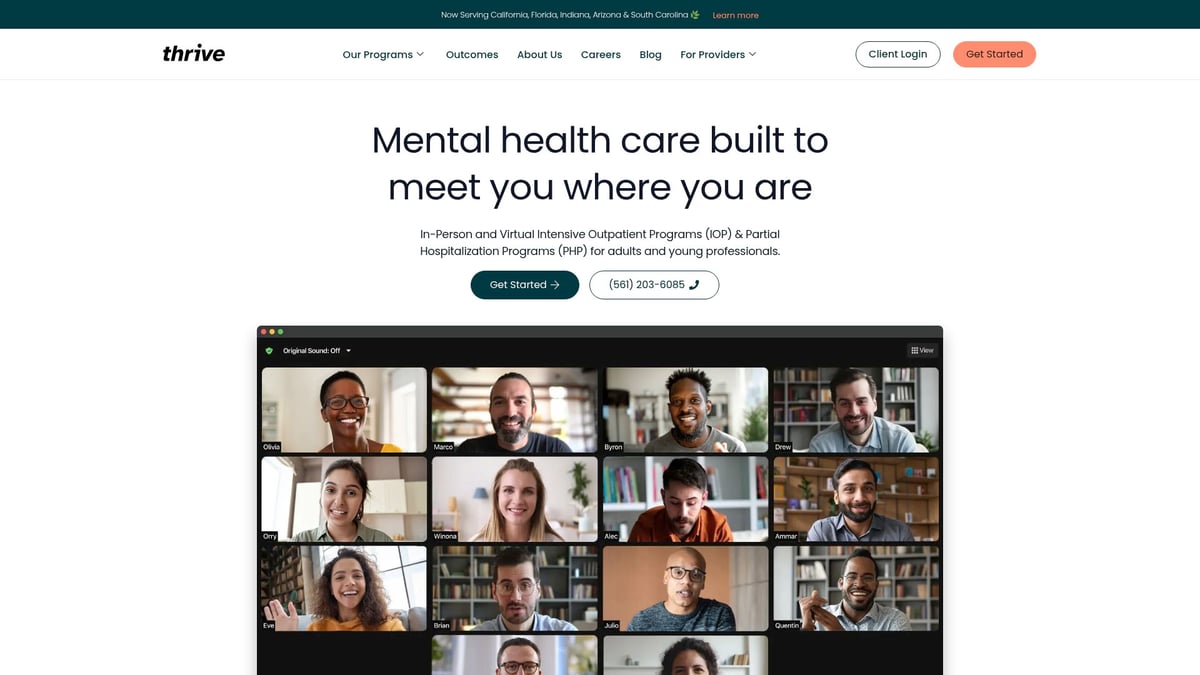
If you’re ready to take the next step toward better mental health, whether you need structure, flexibility, or expert support, Thrive Mental Health is here to guide you. You deserve care that meets you where you are, with compassionate clinicians, personalized treatment, and options for both virtual and in person support. If you’ve been wondering what recovery could look like for you in 2026, there’s no better time to explore your options and get the answers you need. Start your journey with confidence and clarity, Get Started Now.

This article is for informational purposes only and is not a substitute for individualized clinical advice or insurance verification.