






Campus Calm: Creative Art Activities for Students’ Mental Wellness
Drowning in Deadlines? How 10 Minutes of Art Can Save Your Semester
Mental health art activities students can use are more than just a creative hobby, they’re powerful, evidence-based tools for managing stress, anxiety, and burnout. Whether you’re cramming for finals, navigating social pressure, or just feeling overwhelmed, simple art activities like mandala drawing, journaling with doodles, or clay sculpting can help you regulate emotions, reduce cortisol, and refocus your mind, all in just 10 to 20 minutes.
Quick Answer: Top Mental Health Art Activities for Students
| Activity | What It Does | Best For |
|---|---|---|
| Mandala Drawing | Reduces anxiety through repetitive patterns | Exam stress, racing thoughts |
| Emotion Color Wheel | Helps identify and visualize feelings | Building emotional vocabulary |
| Clay Sculpting | Provides sensory release and grounding | Processing frustration, anger |
| Mindful Doodling (Zentangle) | Calms the mind with structured patterns | Pre-test nerves, focus |
| Gratitude Collage | Shifts perspective to positivity | Low mood, burnout |
| Abstract Painting to Music | Non-verbal emotional expression | When words feel impossible |
The stakes are high. Up to 40% of U.S. high school students report persistent sadness or hopelessness, and 20% have seriously considered suicide in the past year. College students face similar battles, impaired mental health in the first semester is one of the top predictors of poor academic performance throughout college. Traditional weekly therapy can help, but many students need faster, more accessible coping strategies that fit into their chaotic schedules.
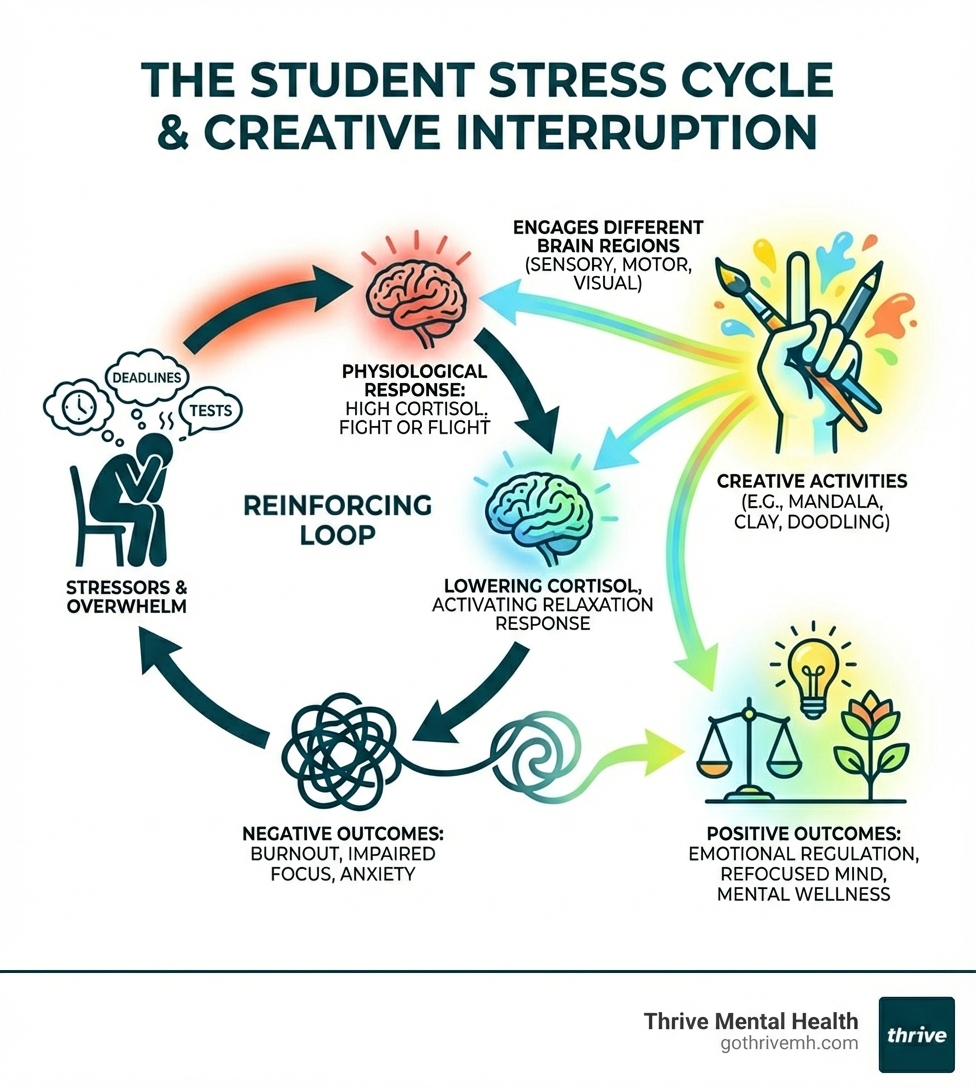
Art activities work because they bypass the need for words. They engage different parts of your brain, interrupt stress cycles, and give you a tangible way to process what you’re feeling. Whether you’re dealing with daily academic pressure or deeper mental health challenges, these activities can serve as a first line of defense, or as a complement to professional treatment like therapy or intensive outpatient programs (IOP).
I’m Nate Raine, CEO of Thrive Mental Health, and I’ve spent over a decade building evidence-based behavioral health programs that integrate creative therapies, including mental health art activities students can use, into structured treatment for young adults and professionals. At Thrive, we’ve seen how art therapy, when paired with clinical support, helps students rebuild resilience, improve focus, and take control of their mental wellness.
Must-know mental health art activities students terms:
- Are there any programs that use art and mental health techniques for young professionals?
- art and mental health
- mental health awareness art projects
Art Therapy vs. Art Class: Why This Isn’t Just Doodling
When we talk about mental health art activities students can engage in, it’s crucial to understand the distinction between casual art-making and formal art therapy. While both involve creativity, their intent, structure, and outcomes differ significantly.
What is Art Therapy?
Art therapy is a specialized mental health approach that integrates psychotherapeutic techniques with the creative process of art-making. In a formal setting, a licensed art therapist guides individuals of all ages and backgrounds through art-making to help them:
- Explore emotions
- Improve self-esteem
- Manage addictions
- Relieve stress
- Improve symptoms of anxiety and depression
- Cope with physical illness or trauma
The key here is the therapeutic process, not the artistic outcome. We don’t need to be skilled artists; the focus is on what we express and find through the act of creation. The art itself becomes a non-verbal language, a safe emotional outlet for thoughts and feelings that might be too complex or painful to articulate verbally. This is especially vital for students, who might struggle to communicate their internal struggles amidst academic pressures and social expectations.
To see how Thrive integrates this into real-world care, explore our virtual IOP art therapy track here: More info about Art Therapy in our programs.
How does it differ from general art activities?
General art activities, like painting a landscape or sketching a still life, are often focused on the aesthetic result, skill development, or simply enjoyment. They offer inherent benefits such as relaxation and creative expression, but they typically lack the structured therapeutic framework and the guidance of a trained professional to interpret the artwork and facilitate psychological insight.
Art therapy, on the other hand, uses art-making as a tool for self-findy and healing within a clinical context. A licensed art therapist provides prompts, observes the creative process, and helps us process the emotions and insights that emerge from our artwork. It’s a powerful way to complement other forms of professional mental health treatment, offering a unique pathway to understanding ourselves.
The Science-Backed Benefits for Your Brain
The benefits of engaging in mental health art activities students can use are far-reaching, especially for young people navigating the complexities of academic life and personal growth. Research consistently shows that art is more than just a pastime; it’s a potent tool for mental wellness.
Here’s how art activities can transform a student’s mental landscape:
- Stress Reduction and Anxiety Relief: Art activities can help regulate emotions, reduce anxiety, and improve focus. Engaging in visual tasks or repetitive actions, like coloring or sculpting, provides a rhythmic, calming effect that soothes the nervous system. Studies, such as one from the National Library of Medicine, have even shown that mandala drawing specifically can reduce negative emotions in its creators. This non-verbal communication fosters well-being, reduces stress, and builds emotional resilience.
- Improved Focus and Attention: Calming activities like painting or modeling clay help reduce anxiety, which in turn allows for better concentration. Structured tasks, such as step-by-step drawing or Zentangle art, strengthen executive functioning skills, patience, and sustained attention, all crucial for academic success.
- Improved Emotional Regulation: Art bypasses the pressure of words, giving us a way to express what’s inside through colors, shapes, and movement. This “emotional labeling” helps us build awareness and language around our inner world. Emotion regulation skills are directly linked to academic success; students with healthier emotional management have stronger social skills and fewer behavioral challenges.
- Boosted Self-Esteem and Confidence: Successfully completing an art project, regardless of artistic skill, can provide a significant sense of accomplishment. Art therapy can help teenagers manage mental health conditions such as stress, anxiety, low self-esteem, depression, and trauma by offering a safe space for self-expression and validation.
- Processing Difficult Experiences: Some traumatic experiences can feel impossible to talk about. Art therapy provides a safe outlet for teenagers to uncover hidden and painful emotions or make sense of things that may not be easy to express verbally. Visual storytelling, for instance, can help process and organize difficult memories in a safe, manageable way.
These benefits contribute to what we call “neuroplasticity”, our brain’s ability to reorganize itself by forming new neural connections. Engaging in creative processes can literally reshape our brains, fostering healthier coping mechanisms and a more resilient mindset. For a deeper dive into how art improves mental health, check out our guide on Unveiling the Canvas of Mind: How Art Therapy Enhances Mental Health.
When to Use Art vs. When to Seek Professional Help
Mental health art activities students can easily integrate into their daily lives serve as powerful proactive coping tools. Think of them as mental health “snacks”, quick, accessible ways to manage daily stressors, wind down after a long day, or process minor frustrations. They can be incredibly effective for:
- Daily Stress Management: When you’re feeling overwhelmed by deadlines, a simple doodle or a few minutes of mindful coloring can help you reset.
- Emotional Check-ins: Using an emotion color wheel can help you quickly identify and acknowledge what you’re feeling before it escalates.
- Pre-emptive Calm: Engaging in a creative activity before a stressful event, like an exam, can help calm nerves and improve focus.
- Between Therapy Sessions: If you’re already in therapy, art activities can reinforce therapy goals and provide a practical way to continue self-exploration and emotional processing at home.
However, recognize that while art activities are immensely beneficial, they are not a substitute for professional mental health care, especially when dealing with persistent or severe issues.
When to seek professional help:
We should consider seeking professional support when we notice signs of more significant mental health challenges. These might include:
- Persistent Anxiety or Depression: If feelings of sadness, hopelessness, or worry last for more than a few weeks and interfere with daily functioning, it’s time to reach out.
- Trauma Processing: While art can help express trauma, processing deep-seated traumatic experiences often requires the guidance of a licensed therapist who can provide a safe and structured environment for healing.
- Significant Behavioral Changes: Noticeable shifts in sleep patterns, appetite, energy levels, or social withdrawal that impact academic performance or relationships.
- Self-harm or Suicidal Thoughts: If you or someone you know is experiencing thoughts of self-harm or suicide, seek immediate professional help. (If you’re in crisis, call/text 988 right now. You are not alone.)
Art therapy, led by a qualified professional, can be a cornerstone of treatment for these deeper issues. It provides a structured space to work through complex emotions and experiences that might be too difficult to address through words alone. For a comprehensive understanding of art therapy and its role in healing, explore our guide on Exploring the Healing Power of Art Therapy: A Comprehensive Guide. Art activities and formal art therapy are powerful allies in mental wellness; knowing when to use each is key to effective self-care.
12 Powerful Mental Health Art Activities for Students to Try Today
We believe that accessible materials and low-cost supplies are essential for mental health art activities students can realistically incorporate into their busy lives. You don’t need a fancy art studio; a sketchbook, some pens, pencils, or even recycled magazines can be enough to get started. Many of these activities are perfect for individual reflection, while others can be adapted for group settings, fostering connection and shared experience.
Here are some powerful activities we recommend:
Mindfulness and Stress-Reduction: Simple mental health art activities students can use before an exam
When the pressure mounts, and your mind races before an exam or presentation, these activities can help you ground yourself, reduce stress, and improve focus.
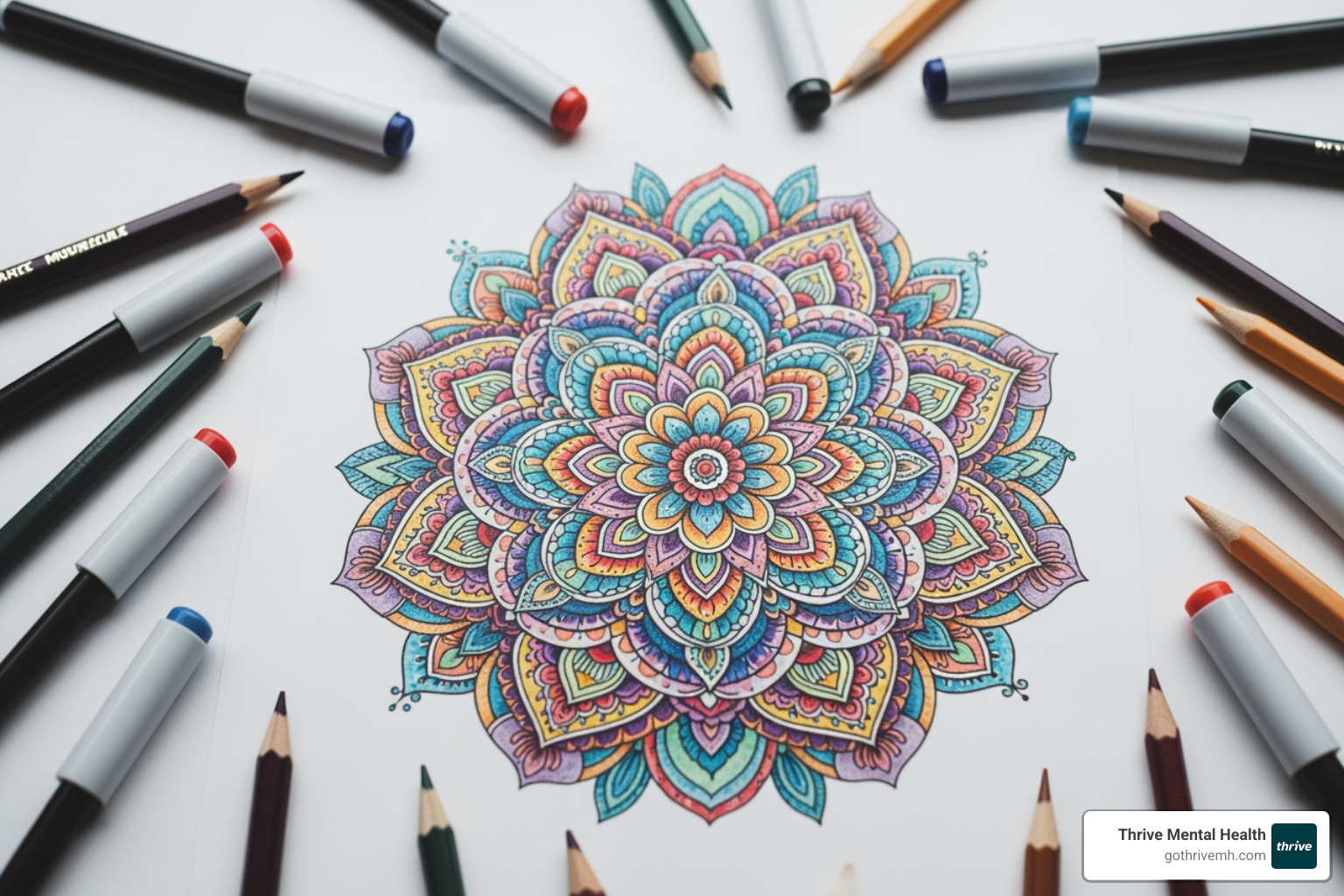
- Mandala Drawing: A mandala is a circular design, often intricate and symmetrical, that has been used for centuries in various cultures for meditation and spiritual growth. The act of creating or coloring a mandala is incredibly calming. Carl Gustav Jung, the renowned psychiatrist, called mandalas a “safe refuge of inner reconciliation and Wholeness,” noting their calming and focusing effect. A study published in the National Library of Medicine found that mandala drawing has the power to reduce negative emotions in its creators. We just need paper and something to draw or color with.
 Tech Industry Mental Health Treatments 101Mental Health
- Mindful Doodling (Zentangle): This involves creating structured patterns within a specific space, often a small square. The beauty of Zentangle is that there are no expectations to create a cohesive drawing; it’s about the meditative process of repetitive strokes. Mindful doodling can help reduce overwhelm and achieve a flow state, similar to meditation, making it a fantastic tool for pre-test nerves or when we need to quiet a busy mind. All we need is a pen and paper.
- Nature-Inspired Art: This activity connects us with the natural world, which is inherently grounding. We can collect leaves, small stones, or twigs and arrange them into a collage, or simply draw or paint what we see outdoors. This sensory engagement helps shift our focus from internal stressors to the external environment, promoting a sense of peace. For students in Florida, inspiration is everywhere. Whether you’re near our locations in Tampa, Miami, Orlando, or Jacksonville, you can draw inspiration from the state’s unique natural landscapes, from serene beaches to lush state parks.
- Worry Beads/Mindfulness Beads: Creating and using worry beads involves stringing small beads onto a cord. The tactile sensation and repetitive motion of moving the beads through our fingers can be a powerful coping tool, similar to fidgeting but with a mindful purpose. It helps manage anxiety by providing a physical outlet for nervous energy and redirecting focus. We can use store-bought beads or even make our own from oven-bake clay. For more ways to integrate creativity into your routine, see our Simple Art Mental Health Tips.
Emotional Regulation & Expression: Activities for When Words Fail
Sometimes, words just aren’t enough. These mental health art activities students can use provide non-verbal avenues for expressing complex emotions, helping us understand and regulate our feelings.
- Emotion Color Wheel: This activity helps build emotional vocabulary and visualize our emotional state. We draw a circle and divide it into sections, assigning a different color to various emotions (e.g., blue for sadness, yellow for joy, red for anger). Then, we can fill in a smaller circle or a “scribbly squiggle” with the colors that represent how we’re feeling at a particular moment. This type of emotional labeling helps us build awareness and language around our inner world.
- Clay Sculpting: Working with clay is incredibly tactile and can be a profound way to represent feelings physically. We can mold and shape the clay to express emotions, creating an abstract form of anger, a smooth shape of calm, or a jagged representation of frustration. This sensory release can be very therapeutic, acting as a metaphor for personal growth as we shape and transform our feelings. As Spotted Rabbit Studio notes, “Sculpting with clay can become a powerful metaphor for personal growth and development.”
- Abstract Painting to Music: This activity encourages non-judgmental expression. We put on music that reflects our current mood or the mood we want to achieve, and then paint freely, allowing colors and movements to emerge without trying to create anything specific. Watercolors or acrylics work well for their fluidity. It’s a fantastic way to channel mood into color and movement, providing emotional release.
- “Draw Your Anxiety” Monster: Externalizing anxiety can make it feel more manageable. We can draw or paint our anxiety as a monster, a shape, or an abstract concept. What color is it? What texture? Does it have teeth? Giving it a visual form helps us develop strategies to recognize it when it arises and deal with it appropriately, rather than letting it consume us. This activity allows us to confront our fears in a safe, creative space. For more on how art can aid emotional healing, visit our page on Art Therapy Emotional Healing Growth Thrive.

Building Self-Esteem: How mental health art activities students can practice build confidence
Developing a strong sense of self and confidence is crucial for student well-being. These mental health art activities students can engage in are designed to help explore identity, foster positive self-perception, and build resilience.
- “Words to Live By” Collage: This activity helps us visualize our core values and aspirations. We can gather old magazines, newspapers, and printed words, then cut out images and words that resonate with our personal values, strengths, and goals. Arranging them into a collage creates a powerful visual representation of who we are and who we aspire to be. It’s a fantastic tool for identity exploration and positive affirmations. Our Art Therapy Activities Self Esteem Guide offers more ideas for boosting self-esteem.
- Self-Portrait (Symbolic): Instead of focusing on realistic representation, this activity encourages us to create a symbolic self-portrait. We can use colors, shapes, and symbols to express how we feel about ourselves, how we perceive our inner world, or even how we think others see us versus how we truly are. This isn’t about artistic skill; it’s about exploring self-perception and fostering self-acceptance.
- Gratitude Banner/Box: Focusing on gratitude can significantly shift our perspective and boost positivity. We can decorate a small box or create a banner where we write or draw things we are grateful for. This tangible reminder of our blessings and strengths provides affirmation and inspiration, especially during challenging times. It helps us cultivate an appreciative mindset and recognize the good in our lives.
- “My Safe Place” Drawing: This activity involves inviting ourselves to draw a place where we feel calm, safe, and secure. This can be a real place, an imagined sanctuary, or a metaphorical space. Using a variety of materials, we can bring this place to life on paper. The act of visualizing and creating this safe space provides a mental refuge, a resource we can return to in our minds when we need to calm down or find inner peace.
How to Create a Personal Art-for-Wellness Routine (That Actually Sticks)
Integrating mental health art activities students can use into a weekly routine doesn’t have to be complicated. The key is consistency, a supportive environment, and a focus on the process rather than perfection.
1. Create Your Art Space (Even in a Dorm!): We don’t need a dedicated studio. A corner of a desk, a small table, or even a lap desk can become our creative sanctuary. The goal is to make it predictable, calm, and comfortable.
- Minimalist Setup: Keep essential supplies organized and easily accessible. A small box or drawer for paper, pens, and a few colors is perfect.
- Calm Visuals: Clear clutter. Soft lighting (a small lamp or natural light) helps.
- Comfort: Ensure we’re comfortable, whether sitting on the floor or at a desk.
2. Schedule “Creative Breaks”: Just 15-20 minutes, two or three times a week, can make a huge difference. Treat these like non-negotiable appointments for our mental well-being. We can integrate them:
- Proactively: Before a stressful study session, during a mid-day slump, or as a wind-down routine before bed.
- Responsively: When we feel overwhelmed, anxious, or need a mental reset.
3. Accept the Process, Not Perfection: This is perhaps the most important rule. Art for mental wellness is not about creating a masterpiece. It’s about the act of creating, expressing, and exploring. There’s no “right” or “wrong” way to do it. Allow yourself to experiment, make mistakes, and simply enjoy the sensation of putting color to paper or molding clay. This no-pressure environment is where true therapeutic benefits emerge.
4. Keep a “Student Art Therapy Starter Kit”: Having these items on hand makes starting an activity effortless.
- Sketchbook or Notebook: For journaling, doodling, or drawing.
- Colored Pencils or Crayons: Versatile and easy to use.
- Pens (fine-tip and broad): For Zentangle, doodling, or writing.
- Air-Dry Clay: Great for sensory expression without needing a kiln.
- Old Magazines/Newspapers: For collages and “Words to Live By” activities.
- Construction Paper: For various projects, including emotion color wheels.
- A “Calm Down” Jar (DIY): A simple jar with glitter and water can be a visual aid for mindfulness.
By making these small adjustments and committing to a consistent routine, we can harness the power of mental health art activities students can use to build resilience, manage stress, and thrive academically and personally.
Frequently Asked Questions about Art Activities for Student Mental Health
Do I need to be “good at art” for these activities to work?
Absolutely not! The primary focus of these activities is on the process of creation and self-expression, not the final artistic product. We don’t need any special skills or talent. The benefits come from engaging in the act of making, exploring emotions, and gaining insights, not from creating a masterpiece.
How can art activities help with exam stress or performance anxiety?
Engaging in a short, mindful art activity like drawing a mandala or doodling can be incredibly effective for managing exam stress and performance anxiety. These activities help lower cortisol (the stress hormone), improve focus, and calm a racing mind by engaging different parts of your brain. It acts as a mental reset, allowing you to approach studying or exams with a clearer, more relaxed head.
Can I do these activities with my friends or roommates?
Yes, many of these activities are fantastic for group settings! Collaborating on a mural, creating collages together, or even just sitting side-by-side while drawing mandalas can foster social connections, build a supportive environment, and normalize conversations about mental health. It’s a wonderful way to reduce feelings of isolation and share a calming experience.
You Don’t Have to Steer Student Stress Alone
We’ve explored how mental health art activities students can use are powerful, accessible tools for managing stress, regulating emotions, and building self-esteem. From mindful doodling to expressive clay sculpting, these creative outlets offer immediate relief and long-term benefits for mental wellness.
However, we also recognize that sometimes, the challenges students face run deeper than what art activities alone can address. Persistent anxiety, depression, trauma, or significant academic burnout may require more structured and intensive support. That’s where professional mental health treatment, such as the programs we offer at Thrive Mental Health, becomes essential.
Our virtual Intensive Outpatient (IOP) program is specifically designed for adults and young professionals, including students, who need more than once-a-week therapy but less than inpatient care. We combine clinical expertise, flexible scheduling (with evening options!), and measurable results to help you regain control and thrive. Our programs are accessible to students across the Sunshine State. We proudly serve communities throughout Florida, including Tampa Bay, St. Petersburg, Miami, Orlando, Boca Raton, West Palm Beach, Jacksonville, Fort Lauderdale, Naples, and Sarasota.
We work with major insurance providers like Cigna, Optum, and Florida Blue to make our evidence-based treatment accessible.
Ready for support? Thrive offers virtual IOP programs with evening options. Verify your insurance in 2 minutes (no obligation) → Start benefits check or call 561-203-6085. If you’re in crisis, call/text 988.

This article is for informational purposes only and is not a substitute for individualized clinical advice or insurance verification.