


Mental Health Awareness Art Projects: 10 Inspiring
If youre in crisis, call/text 988 right now. You are not alone.
Mental Health Awareness Art Projects [2025]: 10 Therapist-Backed Ways to Cut Anxiety in 20 Minutes
Summary: Discover how mental health awareness art projects reduce stress and anxiety fast with simple, low-cost activities you can start today. Learn what works, why it helps, and how to begin in minutes.
Mental health awareness art projects offer a powerful way to express emotions when words feel impossible. Whether for stress relief, emotional healing, or a creative outlet, these activities provide accessible paths to better mental health.
Popular Mental Health Awareness Art Projects:
- Mandala Drawing, Circular designs that promote mindfulness and reduce anxiety
- Visual Journaling, Combining art and writing to process daily experiences
- Clay Sculpting, Tactile creation that helps externalize internal emotions
- Mask Making, Exploring different aspects of identity and personality
- Story Stones, Using painted rocks to create narratives about personal experiences
- Vision Boards, Collaging dreams and goals for motivation and hope
The beauty of these projects is their accessibility, no artistic training or expensive supplies are needed. As one social worker found, even simple paint-by-numbers helped process pandemic-related anxiety when words weren’t enough.
Research confirms this: 81% of studies show significant stress reduction from creative activities like painting. The process matters more than the product, making these projects ideal for busy professionals seeking flexible self-care.
I’m Anna Green, LMHC, LPC. In my years integrating art therapy into treatment, I’ve seen how mental health awareness art projects can break through barriers that talk therapy sometimes can’t.
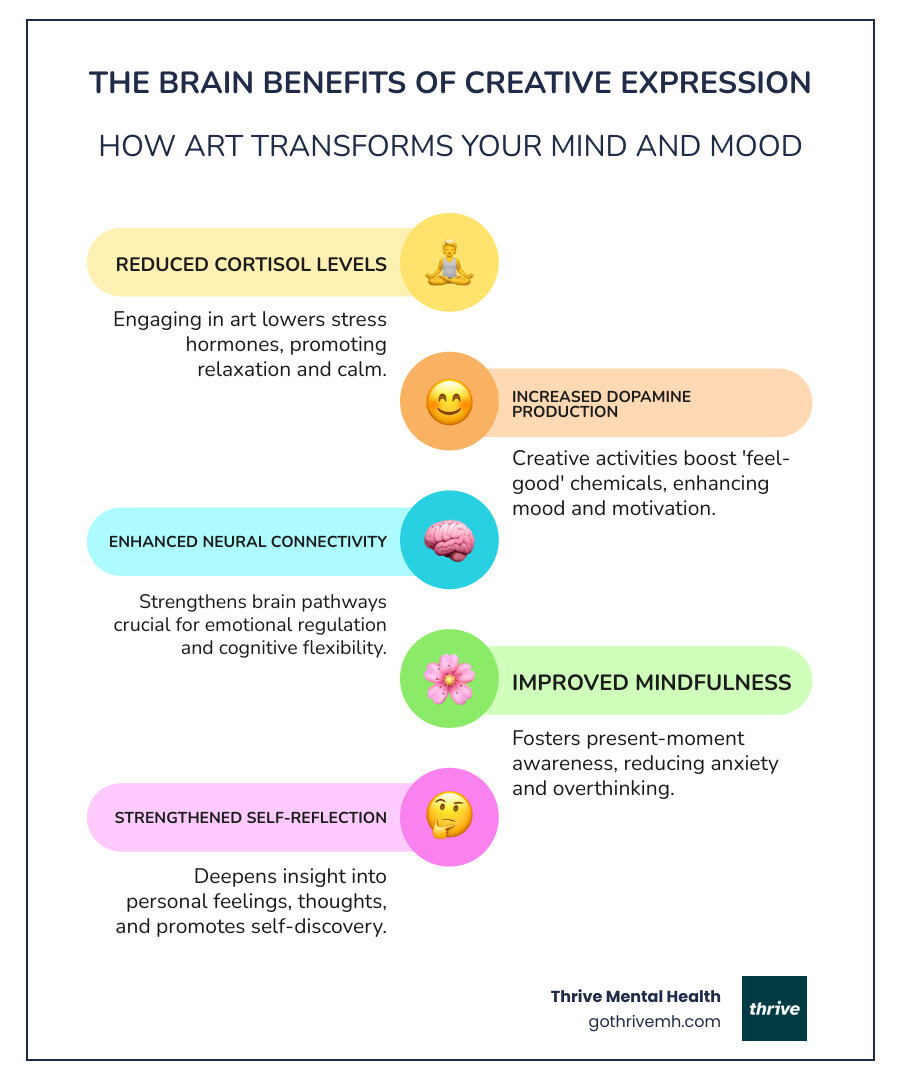
Common mental health awareness art projects vocab:
The Healing Canvas: Understanding Art Therapy vs. Art Making
When exploring mental health awareness art projects, it’s helpful to know the difference between making art alone and working with an art therapist. Both are healing, but they serve different purposes.
Art therapy is a specialized mental health profession. Trained therapists use creative activities to help you process emotions, guided by psychological theory. According to The American Art Therapy Association’s definition of art therapy, it combines art-making and psychotherapy to enrich lives.
General art-making is any creative activity you do for personal enjoyment or stress relief. While it lacks a clinical framework, it still offers powerful mental health benefits. As The Healing Power of Art: How Art Therapy Can Transform Mental Health explains, the healing is in the doing, not in creating a perfect product.
The Science-Backed Benefits of Art for Mental Health
Research shows creative expression changes your brain and body for the better.
Reduced anxiety is one of the most documented benefits. A study on coloring mandalas reducing anxiety found significant anxiety reduction after one session, as the meditative patterns calm the nervous system.
Lower stress symptoms show up consistently across research. One review found that 81% of studies showed stress reduction after painting and drawing, which can lower cortisol levels.
Improved mood happens because art-making triggers dopamine, the “feel-good” neurotransmitter that lifts your spirits.
Improved self-awareness develops as you externalize your inner world through art, helping you find new things about yourself.
Better emotional regulation emerges as you give form to difficult feelings, which helps you contain and examine them safely, bridging your emotional and rational minds.
Key Principles for Therapeutic Art
Whether creating with a therapist or on your own, these principles maximize the healing potential of your mental health awareness art projects.
Focus on the process, not the product. The goal is to engage with the materials, not to create a masterpiece.
Practice no judgment. Silence your inner critic. This is about authentic expression, not performance.
Accept self-compassion. Treat yourself with kindness, especially if you feel frustrated or stuck.
Stay open to exploration. Try new materials and techniques. Breakthroughs often happen outside your comfort zone.
Honor authenticity. Let your true feelings guide your art. The most healing work is the most honest.
10 Inspiring Mental Health Awareness Art Projects to Start Today
The beauty of mental health awareness art projects is their simplicity. You don’t need expensive supplies to start; materials like paper, markers, clay, old magazines, scissors, and glue are often enough. Even stones and yarn can become art supplies. These projects are accessible to all skill levels, focusing on the process and emotional release, not the final product.
Mandala Drawing: A Mindful Mental Health Awareness Art Project
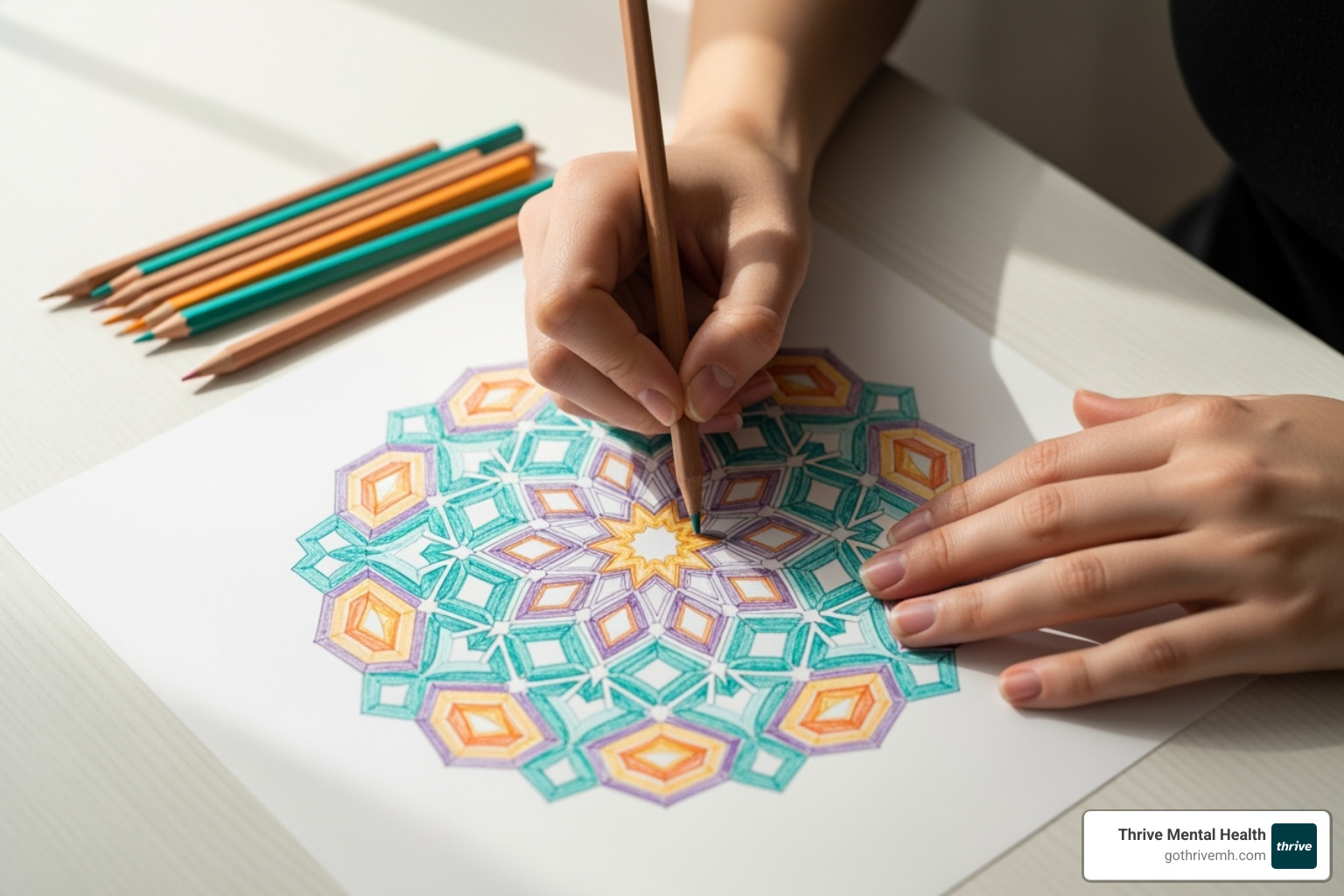
The circular symmetry of a mandala naturally quiets the mind. These circular designs are powerful tools for meditation and emotional regulation. Creating them promotes a meditative state and helps reduce negative emotions by absorbing your focus in a rhythmic, calming process.
Clay Sculpting: Molding Your Emotions
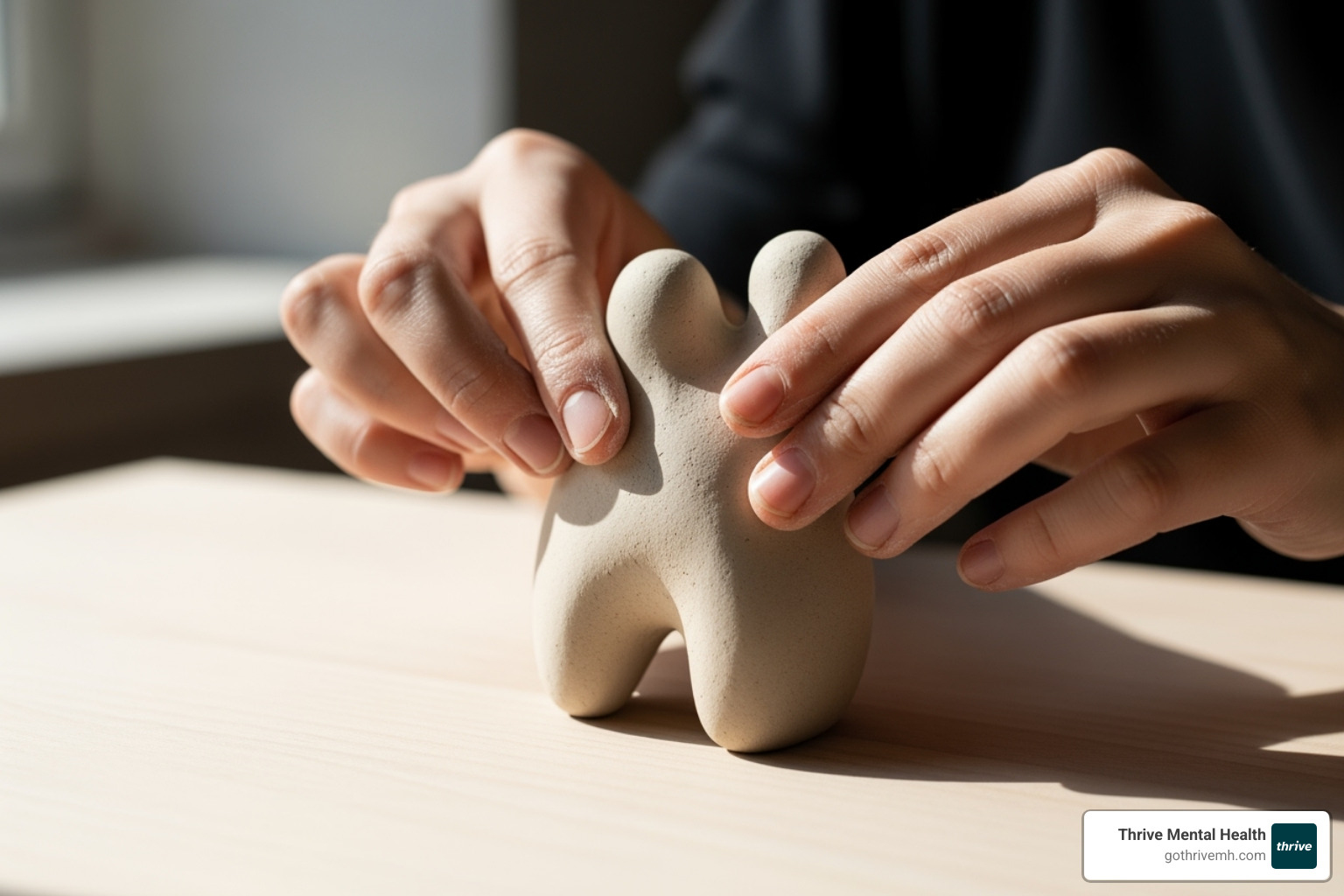
Working with clay offers a unique tactile experience. The sensory engagement of shaping the material is a perfect way of representing feelings that are hard to verbalize. As Spotted Rabbit Studio notes, it’s “a powerful metaphor for personal growth,” mirroring our own journey of healing and self-findy.
Visual Journaling: A Personal Mental Health Awareness Art Project
Visual journaling combines art and writing, using drawings, paintings, or collage to capture experiences. It’s a forgiving practice; as Mindful Art Studio says, “in an art journal, everything is good.” It’s a safe space to process daily emotions without judgment, making it a great self-care tool for adults. For more ideas, see our guide to Art Therapy Activities for Adults.
Mask Making: Exploring Your Inner and Outer Self
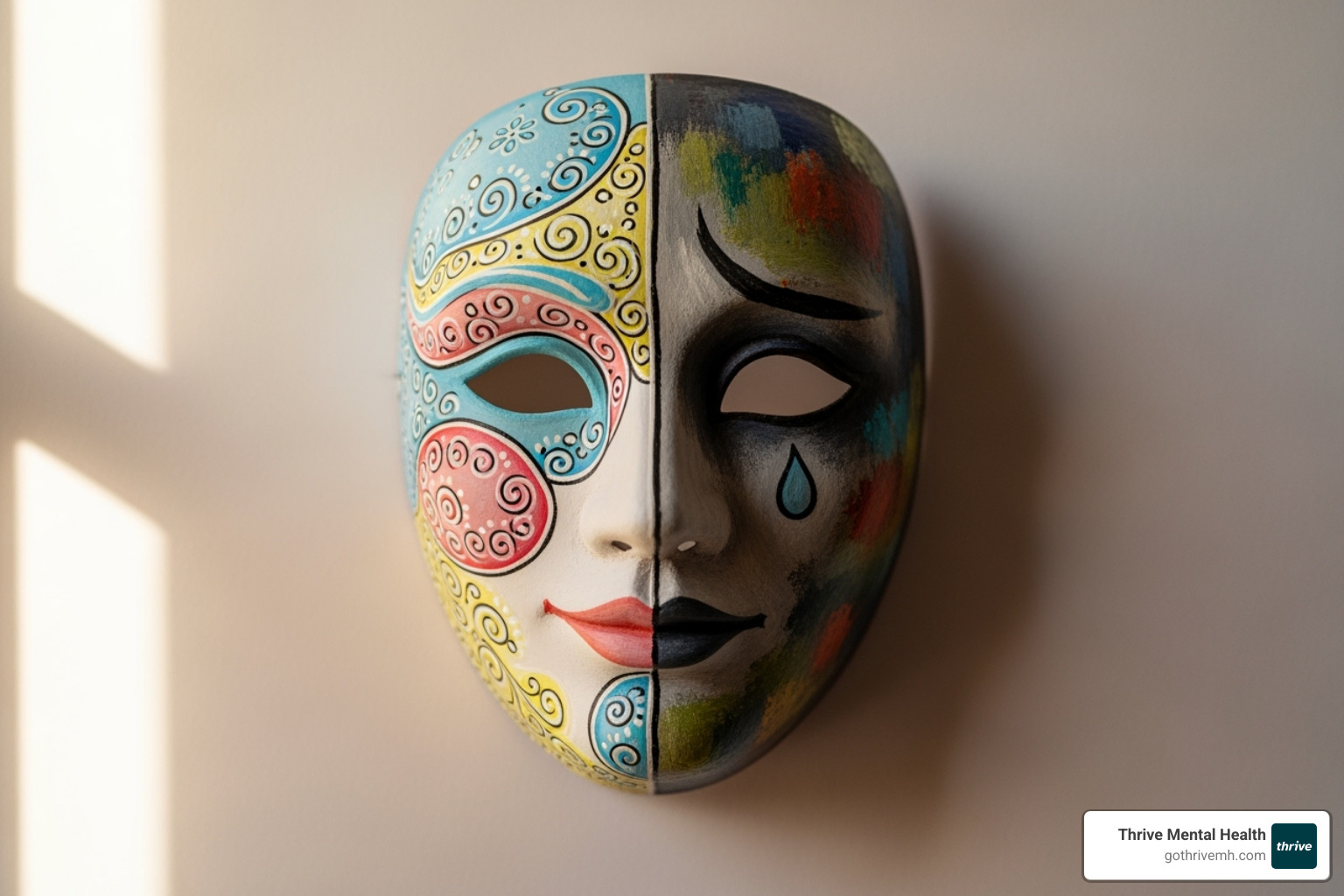
Mask making invites deep self-exploration by examining the faces we show the world. This project helps explore identity by creating two sides: one for your outer persona and one for your inner self. A common approach is to paint the exterior to show how others see you and the interior to reflect your true feelings. This contrast is a powerful tool for self-awareness.
 Eye Movements or Mind Shifts? Picking EMDR or CBT for PTSDMental Health
More Project Ideas for All Ages
The world of mental health awareness art projects is vast. Here are a few more ideas:
- Story Stones: Paint smooth rocks to use as prompts for storytelling, exploring personal themes and life journeys.
- Mindful Doodling: Let your hand move intuitively across the paper without a goal, which is great for stress relief.
- Dream Catcher Weaving: The rhythmic process provides stress relief while creating a symbolic object for your hopes and dreams.
- Vision Boards: Collage images and words that represent your goals, serving as a daily source of motivation.
- Painting to Music: Let melodies and rhythms guide your brushstrokes for a unique form of emotional release.
- Nature Art: Create art outdoors using natural materials, combining the benefits of nature and creativity.
Creating Your Sanctuary: Preparing for Therapeutic Art
The space where you create is as healing as the art itself. Preparing your environment for mental health awareness art projects helps you connect more deeply with the creative process.
Your sanctuary doesn’t need to be perfect, just yours. Find a quiet spot where you can minimize interruptions. Comfort is everything, so choose a favorite chair or cushions on the floor, whatever feels right for your body.
Good lighting transforms the experience. Natural light is ideal, but a warm lamp can create a cozy, safe atmosphere. Avoid harsh overhead lighting.
Before you begin, gather all your supplies. Having everything ready prevents breaks in your creative flow and signals that this time is sacred.
Finally, set an intention. Take a few slow breaths and ask yourself what you need from this time, whether it’s understanding a feeling or simply letting go of stress. This gentle direction guides your heart and hands.
This thoughtful preparation tells your nervous system it’s safe to explore. It’s a powerful practice, especially for anxiety, as discussed in our guide to Art Therapy Activities for Anxiety. Your sanctuary becomes a container strong enough to hold whatever emerges through your art.
When Professional Guidance Can Help
While self-guided mental health awareness art projects are powerful, there are times when professional guidance can deepen your healing. This is especially true when dealing with complex trauma, persistent anxiety, or other mental health challenges.
A board-certified art therapist (ATR-BC) is trained in both art and psychology. They can help you interpret the symbolism in your art and safely process emotions that might be too overwhelming to face alone. This guidance is invaluable for working through difficult experiences that may arise during the creative process.
Research supports the effectiveness of art therapy in mental health care, especially when integrated into a comprehensive treatment plan. This approach is particularly powerful, as we explore in our article on the role of art in enhancing therapy outcomes. For the 1 in 5 adults who experience mental illness annually, professional art therapy can be transformative.
Finding the Right Support
If you feel ready for more structured support, Thrive Mental Health offers flexible, expert-led care. Our virtual and in-person intensive outpatient (IOP) and partial hospitalization (PHP) programs are designed for adults and young professionals who need more than weekly therapy.
We make care accessible by working with major insurance providers, including Cigna, Optum, and Florida Blue. For those in Florida, our programs are available both in-person and virtually, offering flexible, expert-led care. We also serve clients in Indiana, California, South Carolina, and Arizona, making our services widely accessible.
You can verify your insurance in just two minutes to see your coverage options for our virtual IOP programs. Prefer to check benefits first? Start benefits check (no obligation).
Frequently Asked Questions about Mental Health Art
What are the best mental health awareness art projects for anxiety?
Mandala coloring, visual journaling, mindful doodling, and clay sculpting are quick wins that calm the nervous system and reduce racing thoughts.
How fast can these projects reduce stress?
Benefits can start in a single 15-20 minute session. Studies show immediate drops in anxiety after focused coloring or drawing.
Do I need to be good at art for this to work?
No. The benefit comes from the process, not the product. Skill doesn’t matter, consistency does.
Does insurance cover art therapy or IOP/PHP?
Often, yes. Many plans (Cigna, Optum, Florida Blue, and more) cover IOP/PHP and therapy services. Coverage varies, Start benefits check to confirm your plan.
Is support available in Florida?
Yes. Thrive offers both virtual and in-person options in Florida. We also provide care in Indiana, California, South Carolina, and Arizona. See our IOP programs.
Suggested JSON-LD FAQ schema
{
“@context”: “https://schema.org”,
“@type”: “FAQPage”,
“mainEntity”: [
{
“@type”: “Question”,
“name”: “What are the best mental health awareness art projects for anxiety?”,
“acceptedAnswer”: {
“@type”: “Answer”,
“text”: “Mandala coloring, visual journaling, mindful doodling, and clay sculpting quickly calm the nervous system and reduce racing thoughts.”
}
},
{
“@type”: “Question”,
“name”: “How fast can these projects reduce stress?”,
“acceptedAnswer”: {
“@type”: “Answer”,
“text”: “Benefits can begin in a single 15-20 minute session, with immediate drops in anxiety reported after focused coloring or drawing.”
}
},
{
“@type”: “Question”,
“name”: “Do I need to be good at art for this to work?”,
“acceptedAnswer”: {
“@type”: “Answer”,
“text”: “No. The healing comes from the process, not the final product. Skill level doesn’t matter.”
}
},
{
“@type”: “Question”,
“name”: “Does insurance cover art therapy or IOP/PHP?”,
“acceptedAnswer”: {
“@type”: “Answer”,
“text”: “Many plans (including Cigna, Optum, Florida Blue) cover IOP/PHP and therapy services. Use Thrive’s benefits check to confirm coverage.”
}
},
{
“@type”: “Question”,
“name”: “Is support available in Florida?”,
“acceptedAnswer”: {
“@type”: “Answer”,
“text”: “Yes. Thrive offers virtual and in-person care in Florida, as well as in Indiana, California, South Carolina, and Arizona.”
}
}
]
}
Start Your Creative Journey to Wellness
Art is a powerful tool for self-findy and healing, offering a voice when words are hard to find. Whether you’re sketching during a coffee break or molding clay on a Sunday, mental health awareness art projects create space for your emotions.
These projects are more than hobbies; they are authentic pathways to emotional processing. Integrating them into your routine can be a vital part of your self-care, helping you manage stress and connect more deeply with yourself. The goal isn’t perfection, it’s authentic expression and the therapeutic process.
Ready for support? For residents in Florida and beyond, Thrive offers virtual IOP with evening options. Verify your insurance in 2 minutes (no obligation) Start benefits check or call 561-203-6085. If you’re in crisis, call/text 988.

This article is for informational purposes only and is not a substitute for individualized clinical advice or insurance verification.