






Your Guide to Autism Medication: What You Need to Know First
Autism medication doesn’t cure autism, and that’s the first thing you need to understand. If you’re searching for medication options for yourself or a loved one with autism spectrum disorder (ASD), you’re likely facing confusing information, conflicting opinions, and high stakes decisions. Here’s what matters most:
Key Facts About Autism Medication:
- No medications treat the core symptoms of autism (social communication challenges, repetitive behaviors)
- Only 2 FDA-approved drugs exist for autism-related symptoms: risperidone and aripiprazole (both for severe irritability only)
- Most autism medications are “off-label”, prescribed for co-occurring conditions like ADHD, anxiety, sleep problems, or aggression
- Medication works best alongside therapy, behavioral interventions like ABA remain the primary treatment
- 1 in 36 children now meet criteria for ASD, yet medication guidelines remain limited
The truth is harder than most parents want to hear: there’s no pill that will “fix” autism. But the right medication, used carefully as part of a comprehensive treatment plan, can reduce symptoms that interfere with learning, safety, and quality of life.
Why families seek autism medication:
- Severe aggression or self-injury that poses safety risks
- Co-occurring ADHD that prevents focus in school or therapy
- Debilitating anxiety that limits daily activities
- Sleep disturbances affecting the whole family
- Seizure disorders (present in nearly one-third of individuals with ASD)
The decision to use medication is deeply personal and should never be made in isolation. It requires a team approach: a psychiatrist experienced in autism, a behavioral therapist, your pediatrician, and most importantly, you and your family.
I’m Nate Raine, CEO of Thrive Mental Health, and over my decade in behavioral health leadership, I’ve seen how critical it is to separate evidence-based autism medication options from false promises. At Thrive, we integrate medication management with intensive therapeutic programs to create real, measurable outcomes for individuals and families across Florida navigating autism and co-occurring conditions.

Our approach to autism diagnosis and treatment in Florida includes a full range of autism behavioral health services and specialized care for co-occurring conditions like autism and depression.
The Hard Truth: Why There’s No “Cure” Pill for Autism
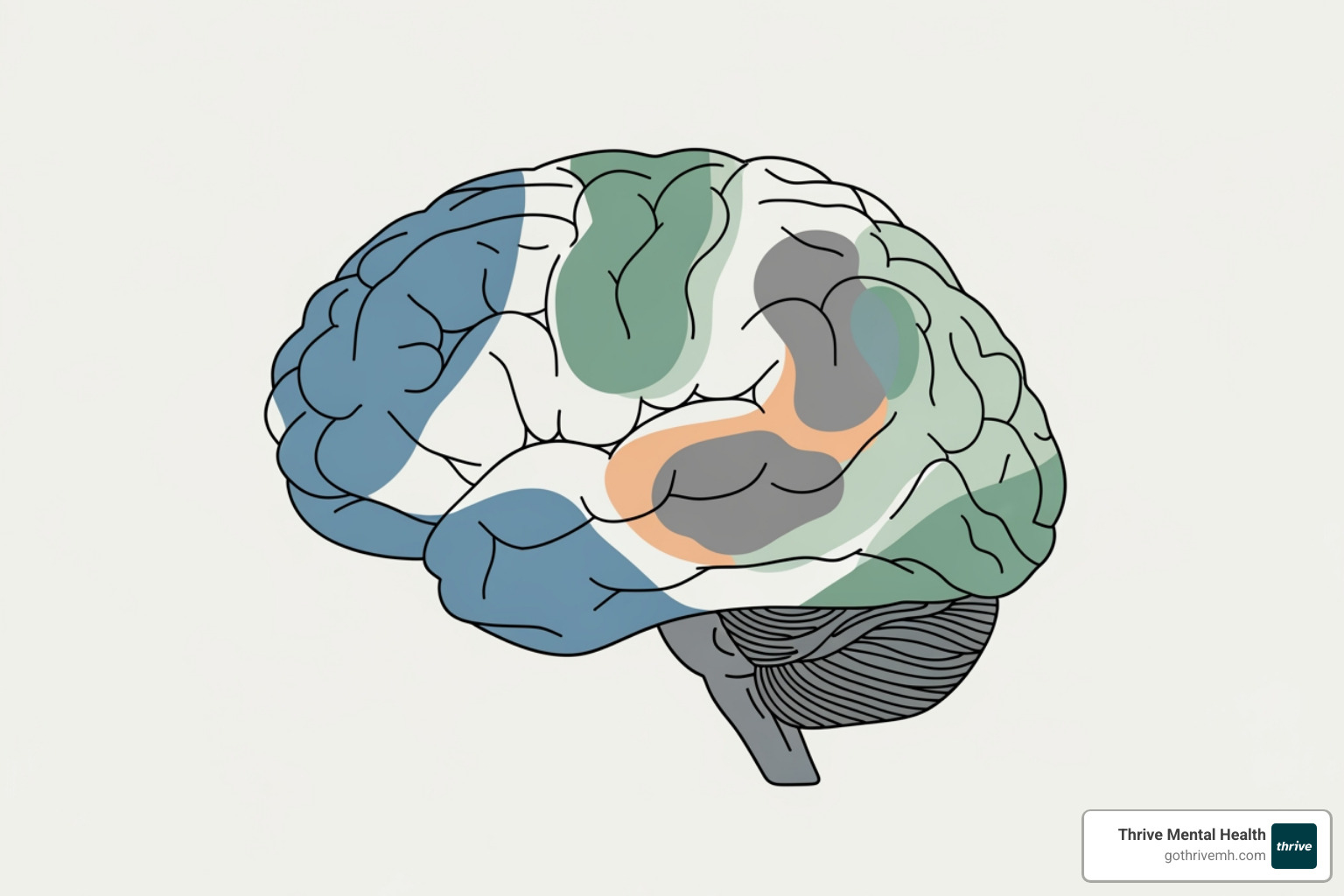
Let’s be clear upfront: there is currently no medication that can cure Autism Spectrum Disorder (ASD) or all of its symptoms. This is a critical point that often gets lost in the search for effective treatments. The core symptoms of autism, persistent deficits in social communication and interaction, and restricted, repetitive patterns of behavior, interests, or activities, are not directly treated by any existing medications.
This fact is consistently highlighted by health organizations worldwide. For instance, Health Canada has not approved any medications for the treatment of autism itself. Similarly, while the U.S. Food and Drug Administration (FDA) has approved two drugs for specific associated symptoms, it has yet to approve a medicine for treating autism’s three core characteristics.
So, if medication doesn’t treat the core features, what is its role? For many individuals with ASD, medication becomes a vital tool for managing co-occurring symptoms or behaviors that can significantly impact daily life, learning, and overall well-being. These associated challenges can include:
- Irritability and Aggression: Severe tantrums, aggression toward others, or self-injurious behaviors can be incredibly distressing and dangerous.
- Anxiety: High levels of anxiety can hinder social interaction and participation in activities.
- ADHD Symptoms: Inattention, hyperactivity, and impulsivity often co-occur with ASD, making focus and learning difficult.
- Sleep Problems: Difficulty falling asleep, staying asleep, or irregular sleep patterns are common in autistic individuals.
- Seizures: Nearly one-third of people with autism experience seizures or seizure disorders.
Medication, when used thoughtfully and under expert guidance, can help reduce the intensity of these co-occurring symptoms. This reduction can then create a pathway for individuals to engage more effectively in behavioral therapies, improve their communication skills, improve social interactions, and ultimately lead to a higher quality of life. It’s not about changing who they are, but about alleviating the distress caused by these challenging symptoms.
What Medications Are Used for Autism? [FDA-Approved & Off-Label]
When we discuss autism medication, it’s crucial to distinguish between FDA-approved treatments for specific symptoms and those used “off-label” for co-occurring conditions.
FDA-Approved Autism Medication for Irritability
Currently, only two medications have received FDA approval specifically for use in the ASD population:
- Risperidone (Risperdal): Approved for treating irritability associated with ASD in children and adolescents aged 5 to 16.
- Aripiprazole (Abilify): Approved for treating irritability associated with ASD in children and adolescents aged 6 to 17.
These medications are classified as atypical antipsychotics. Their primary target symptom is severe irritability, which can manifest as aggression, severe tantrums, and self-injurious behaviors. While they don’t treat the core features of autism, managing this irritability can lead to significant improvements in a child’s ability to participate in therapy, learn, and interact with their environment more safely.
However, using these medications comes with potential risks, including weight gain, sedation, and metabolic changes, which require careful monitoring by a healthcare provider. We emphasize that these approvals are specifically for irritability and not for autism itself.
The body of scientific research on antipsychotics for ASD is continually evolving, and it is vital to stay informed about the latest findings.
Stimulants for Co-occurring ADHD
Attention-Deficit/Hyperactivity Disorder (ADHD) is one of the most common co-occurring diagnoses in individuals with ASD, with prevalence estimates ranging from 40-70%. For individuals with AuDHD (autism and ADHD comorbidly), stimulant medications are often considered to address symptoms like inattention, hyperactivity, and impulsivity.
Common stimulants include:
- Methylphenidate (Ritalin, Concerta, Daytrana, etc.)
- Amphetamines (Adderall, Vyvanse, etc.)
While effective for ADHD in the general population, stimulants can sometimes have lower effectiveness and a higher rate of side effects in individuals with ASD. Side effects can include decreased appetite, sleep problems, and increased irritability or anxiety. Due to these potential challenges, careful monitoring by a healthcare provider is essential to determine if the benefits outweigh the risks. In some cases, non-stimulant medications for ADHD, such as alpha2-adrenergic agonists, may be considered first.
Antidepressants (SSRIs) for Anxiety and Repetitive Behaviors
Anxiety disorders are highly prevalent in individuals with ASD, with studies indicating that nearly 40% of youth with ASD have at least one co-occurring anxiety disorder. Depression is also significantly more common in autistic individuals, who are four times more likely to experience it in their lifetime than their neurotypical peers.
Selective serotonin reuptake inhibitors (SSRIs) are a class of antidepressants often prescribed “off-label” to manage these co-occurring conditions in individuals with ASD. Examples include:
- Fluoxetine (Prozac)
- Sertraline (Zoloft)
SSRIs might be used to help with symptoms such as:
- Generalized anxiety
- Obsessive-compulsive behaviors
- Repetitive behaviors
- Depression
However, research on the efficacy of SSRIs in ASD has yielded mixed results, and there’s a notable concern about potential side effects like behavioral activation (increased energy, impulsiveness, agitation) in this population. For this reason, some guidelines suggest considering other medications like buspirone or mirtazapine as first-line treatments for anxiety in ASD, and duloxetine, mirtazapine, bupropion, or vortioxetine for depression, before turning to SSRIs.
Before starting treatment, discuss these considerations with your prescribing doctor and review safety information, such as the FDA’s guidance on the SSRI drug class.
Other Common Off-Label Autism Medication Options
Beyond the categories above, several other medication classes are used off-label to manage specific symptoms associated with ASD:
- Anti-anxiety Medications:
- Buspirone: Often preferred for anxiety in ASD due to a lower risk of behavioral activation compared to SSRIs.
- Mirtazapine: Also shows promise for anxiety and sleep disturbances.
- Benzodiazepines (e.g., Xanax) are used with extreme caution due to risks of paradoxical reactions and dependence.
- Anticonvulsants: For individuals with ASD who experience seizures or seizure disorders (which can affect almost one-third of this population), anticonvulsants like Valproic Acid are prescribed to manage seizure activity.
- Alpha-2 Adrenergic Agonists:
- Guanfacine (Intuniv)
- Clonidine (Kapvay)
These medications are commonly used to treat hyperactivity, impulsivity, and attention issues, particularly when stimulants are not well-tolerated or effective. They can also help with sleep regulation.
- Melatonin: Widely used as a sleep aid, especially given that sleep disturbances affect 50-80% of children with ASD. Melatonin is often recommended as a first-line pharmacological approach for sleep problems, alongside good sleep hygiene practices. Long-acting formulations are being developed.
We are also seeing exciting developments in targeted treatments. For example, the FDA is initiating approval for leucovorin calcium tablets for Cerebral Folate Deficiency (CFD). CFD is a neurological condition affecting folate transport into the brain, and it can present with developmental delays, seizures, and autistic features. This represents a unique opportunity to treat a root cause of certain autism-related symptoms.
Is It Worth It? The Real Benefits vs. Risks of Medication

The decision to use autism medication is a careful balancing act, weighing potential benefits against known risks. Here at Thrive Mental Health in Florida, we believe that informed choices lead to the best outcomes.
Potential Benefits of Medication:
- Improved Quality of Life: By reducing distressing symptoms like severe irritability, anxiety, or sleep disturbances, medication can significantly improve an individual’s daily experience and overall well-being.
- Better Focus for Therapy: When symptoms like hyperactivity or aggression are lessened, individuals can engage more effectively in behavioral therapies, educational programs, and social skills training, maximizing their potential for learning and development.
- Reduced Dangerous Behaviors: Medications can help manage aggression and self-injurious behaviors, improving safety for the individual and those around them.
- Improved Functioning: Alleviating co-occurring symptoms can lead to better school performance, improved social interactions, and increased independence.
Potential Risks and Side Effects:
 How Leading Platforms Offer Comprehensive Mental Health Care: What to Look ForMental Health
Individuals with ASD may sometimes respond differently to medications than the general population, or have difficulty communicating side effects due to their unique communication styles. This necessitates a cautious approach:
- Weight Gain: A common side effect of atypical antipsychotics like risperidone and aripiprazole, which can lead to metabolic health concerns.
- Sedation/Drowsiness: Can be a side effect of several medications, potentially impacting alertness and learning.
- Metabolic Changes: Antipsychotics can sometimes affect blood sugar and cholesterol levels.
- Behavioral Activation/Agitation: Paradoxically, some medications (especially SSRIs in certain individuals with ASD) can increase restlessness, irritability, or impulsivity.
- Sleep Disturbances: While some medications aid sleep, others (like stimulants) can disrupt it.
- Gastrointestinal Issues: Nausea, constipation, or diarrhea can occur.
- Cardiac Effects: Some medications require monitoring for heart-related side effects.
Given these considerations, healthcare providers often adhere to principles like “Start Low and Go Slow” when prescribing for individuals with ASD. This means beginning with the lowest possible dose and gradually increasing it while carefully monitoring for both efficacy and side effects. The principle of “Monitoring Matters” is also paramount, as regular check-ups and open communication are vital to ensure the medication plan remains safe and beneficial.
Medication Isn’t Magic: Why Therapy Is the Foundation
It’s a common misconception that autism medication is a standalone solution. We want to be clear: medication is a supportive tool, not the primary treatment for autism. The foundation of effective care for ASD is almost always behavioral and developmental therapies.
Think of it this way: medication can help calm the storm, but therapy teaches you how to sail the boat. By reducing challenging symptoms, medication can make it possible for an individual to engage more fully in therapies that build essential skills.
Key therapies that form this foundation include:
- Applied Behavior Analysis (ABA): Often considered the most evidence-based approach, ABA focuses on teaching desired behaviors and reducing challenging ones through structured interventions.
- Speech and Language Therapy: Essential for improving communication skills, both verbal and non-verbal.
- Occupational Therapy: Helps individuals develop skills for daily living, sensory integration, and fine and gross motor skills.
- Social Skills Training: Directly teaches appropriate social interactions and understanding social cues.
- Cognitive Behavioral Therapy (CBT): Modified CBT can be highly effective for addressing anxiety and depression in autistic individuals, teaching coping mechanisms and thought restructuring.
In Florida, we offer comprehensive virtual Intensive Outpatient Programs (IOP) that integrate these therapeutic approaches, providing structured support for individuals navigating autism and co-occurring conditions. These programs are designed for people who need more than once-a-week therapy but less than inpatient care, offering flexible scheduling including evening options.
Complementary and Alternative Treatments
Beyond conventional medication and therapy, many families explore complementary and alternative treatments (CAMs). These can range from dietary changes and supplements to specialized therapies. When considering CAMs, it’s crucial to:
- Consult your doctor: Always discuss any CAMs with your healthcare provider to ensure they are safe and won’t interact negatively with existing medications or health conditions.
- Be Skeptical: Unfortunately, the autism community is often targeted by fraudulent claims. The FDA has issued strong warnings about potentially dangerous products and therapies that claim to treat autism, often without scientific evidence. For more information, see the FDA warning on fraudulent autism treatments.
- Focus on Evidence: Prioritize treatments with scientific backing. For example, Melatonin for sleep is a widely accepted and often effective complementary treatment, with studies supporting its use in ASD.
The key is to build a comprehensive, individualized plan that combines evidence-based therapies with carefully considered medication (if needed) and safe, doctor-approved complementary approaches.
Your Action Plan: How to Make Smart, Safe Medication Decisions
Navigating autism medication requires a proactive, informed, and collaborative approach. This isn’t a journey you should start on alone.
Building Your Care Team
The first step is assembling a skilled and empathetic team of healthcare professionals experienced in treating individuals with ASD. This team typically includes:
- Child and Adolescent Psychiatrist (or Adult Psychiatrist): They specialize in mental health conditions and medication management, crucial for prescribing and monitoring psychiatric medications.
- Developmental Pediatrician or Neurologist: These specialists can provide overarching guidance on ASD and co-occurring medical conditions.
- Therapist/Behavioral Specialist: They implement behavioral therapies and provide valuable insights into behavioral changes and medication effectiveness.
- Your Primary Care Provider: Your pediatrician or family doctor plays a central role in coordinating care and monitoring overall health.
When considering medication, your team should work together, and with you, to establish clear guidelines. This collaborative approach is vital, especially since healthcare providers often report uncertainty and knowledge gaps regarding ASD treatment. We understand that finding autism-competent providers in Florida can be a challenge, and we are committed to making evidence-based treatment accessible through our virtual and in-person programs across the state.
Defining Target Symptoms & Setting Goals
Before starting any medication, you and your care team should clearly define the specific symptoms you are hoping to address. This isn’t about “fixing autism,” but about targeting measurable behaviors that impact quality of life. For example:
- Instead of: “Reduce autism symptoms.”
- Try: “Decrease the frequency of aggressive outbursts from 5 times a day to 1-2 times a week.”
- Or: “Improve ability to sustain attention during 15-minute therapy sessions.”
Setting clear, measurable goals allows you to objectively track whether the medication is working.
Tracking Progress and Side Effects
Once a medication is started, meticulous tracking is non-negotiable. This involves:
- Daily Logs: Keep a record of the target symptoms (e.g., number of aggressive incidents, duration of sleep, level of anxiety).
- Side Effect Monitoring: Note any new or worsening behaviors, physical symptoms (e.g., changes in appetite, sleep, mood), or unusual reactions. Individuals with ASD may have difficulty verbalizing side effects, so keen observation is key.
- Regular Check-ins: Schedule frequent follow-up appointments with your prescribing doctor to discuss observations and make necessary adjustments.
We encourage families to use resources like the Medication Decision Guide from Autism Speaks to help structure these conversations and tracking efforts. Finding the right medication and dosage can be a trial-and-error process, potentially taking several weeks or requiring different combinations.
Insurance Coverage for Services
Understanding your insurance coverage is a critical part of making informed decisions about care. Many major insurance providers, including Cigna, Optum, Florida Blue, and Aetna, offer benefits that can help cover the cost of psychiatric services, medication management, and therapeutic programs like those we offer at Thrive Mental Health. Our programs are available to residents throughout Florida.
Verify your insurance coverage now to understand your options. We make the process simple and obligation-free.
Frequently Asked Questions about Autism Medication
Is there a pill that cures autism?
No. There is currently no medication that cures the core symptoms of autism. The FDA has approved two medications, risperidone and aripiprazole, to treat severe irritability, aggression, and self-injury associated with autism. Other medications are used “off-label” to manage co-occurring conditions like ADHD, anxiety, or sleep disorders.
What are the most common side effects of autism medications?
Side effects vary by medication but can be more pronounced in individuals with ASD. For antipsychotics like risperidone, common side effects include weight gain, drowsiness, and metabolic changes. For stimulants used for ADHD, side effects can include decreased appetite, sleep problems, and increased irritability. It is crucial to monitor for side effects closely with a doctor.
Does my child have to take medication for autism?
No. Medication is a tool, not a requirement. The decision to use medication should be made carefully with your family and a team of healthcare professionals. It should always be part of a comprehensive treatment plan that includes behavioral therapies, which are considered the primary treatment for autism.
Take the Next Step with Confidence
Here in Florida, Thrive Mental Health provides structured therapeutic programs like virtual IOP that form the foundation of effective treatment, helping individuals build skills for life.
Ready for support? Thrive offers virtual IOP programs for Florida residents, with evening options. Verify your insurance in 2 minutes (no obligation) → Start benefits check or call 561-203-6085. If you’re in crisis, call/text 988.
If you’re in crisis, call/text 988 right now. You are not alone.

This article is for informational purposes only and is not a substitute for individualized clinical advice or insurance verification.