





When Weekly Therapy Isn’t Enough
Virtual intensive outpatient program depression treatment offers a structured middle ground for individuals who need more than traditional therapy but don’t require 24/7 hospitalization.
Quick Answer: What is a Virtual IOP for Depression?
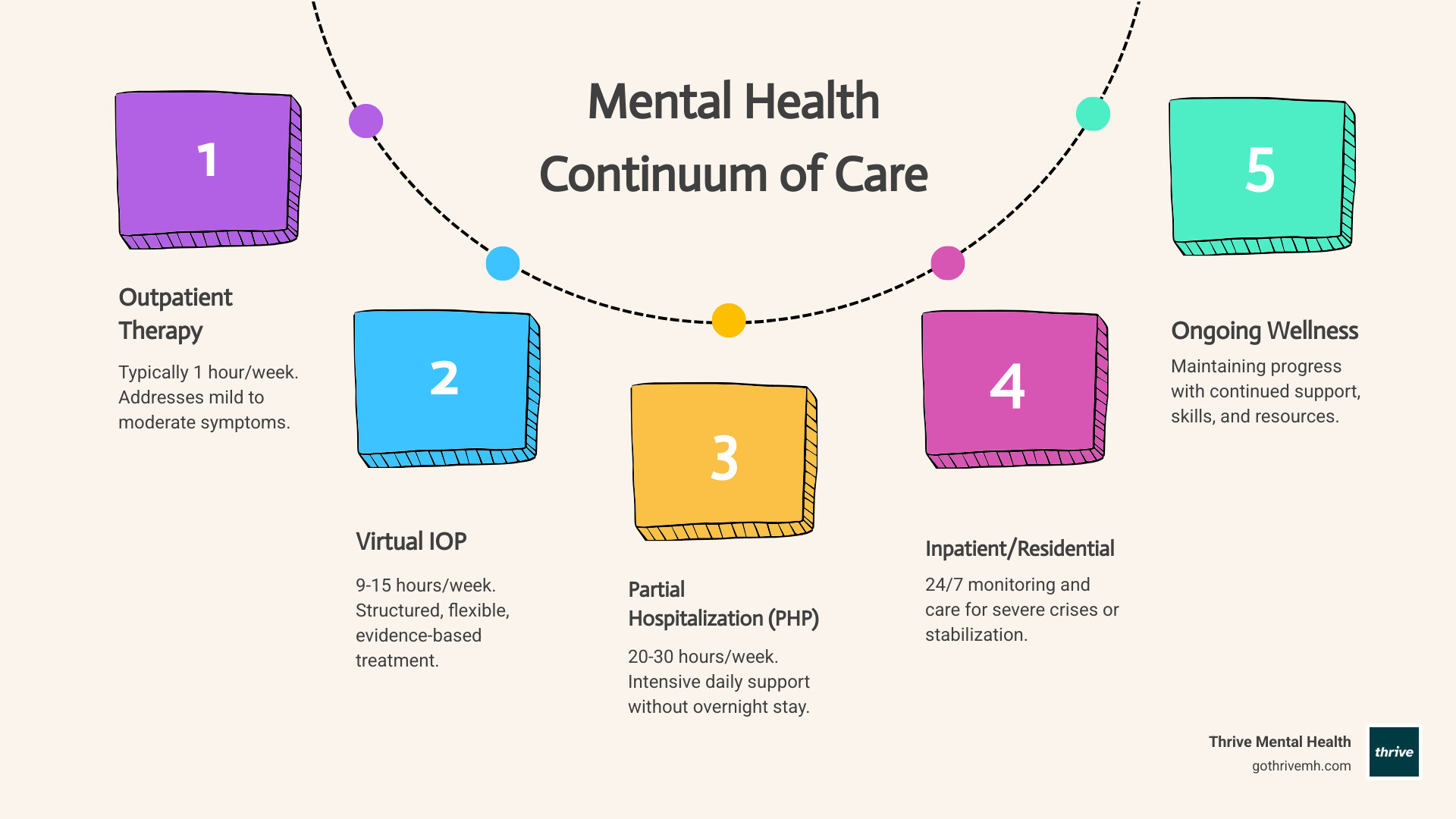
- Structure: 9-15 hours of treatment per week, delivered via secure video platforms
- Components: Group therapy, individual counseling, psychiatric care, and skills training
- Best For: Those stepping down from inpatient care or needing more support than weekly therapy
- Schedule: Flexible day or evening sessions that work around your job, school, or family
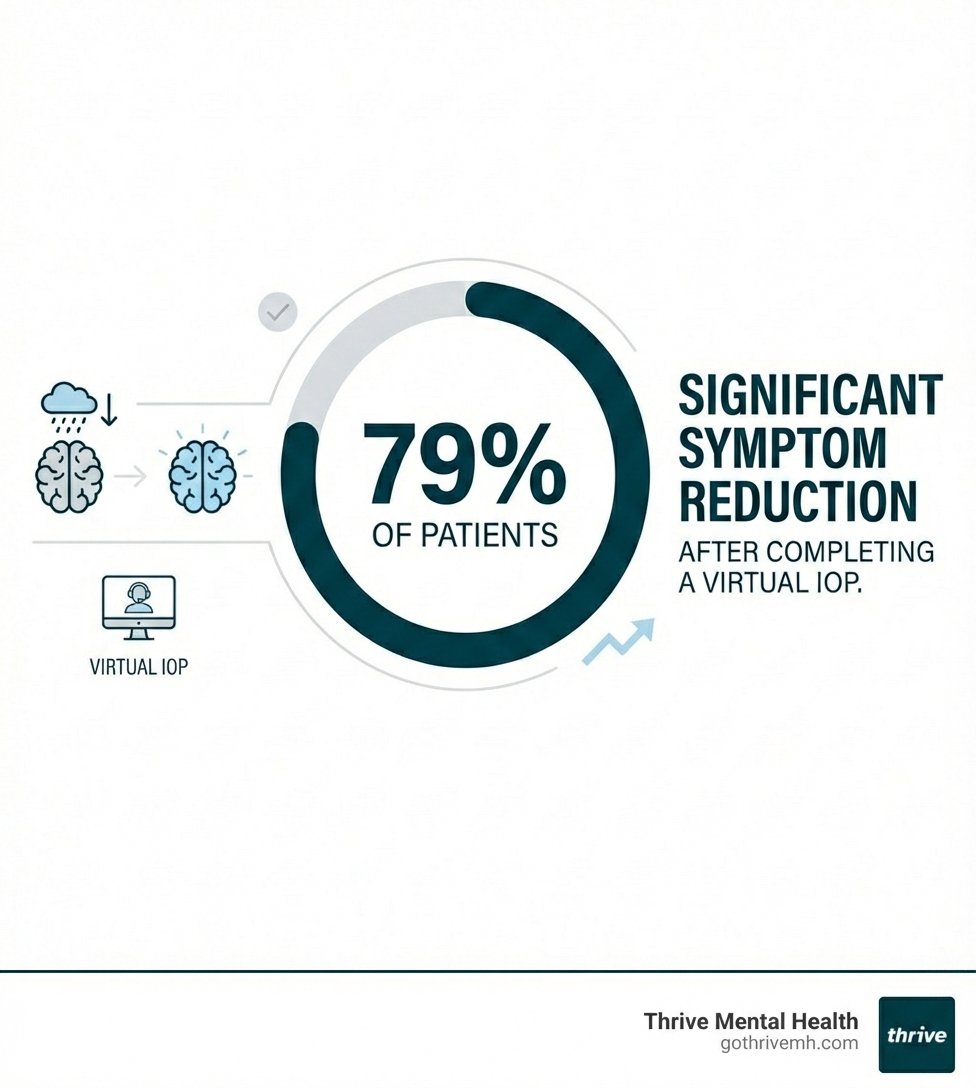
- Effectiveness: Research shows comparable outcomes to in-person IOPs, with 79% of patients reporting significant symptom reduction
- Coverage: Most major insurance plans cover virtual mental health treatment
If you’ve been showing up to weekly therapy but still feel stuck, if depression still clouds your mornings, anxiety still hijacks your afternoons, or you’re just barely getting through each day, you’re alone. Many high-functioning professionals and students hit a wall where once-a-week sessions simply aren’t enough to create lasting change.
That’s the gap virtual intensive outpatient programs fill.
You don’t have to choose between getting better and keeping your life moving forward. Virtual IOPs bring structured, evidence-based treatment directly to you, from home, your office, or anywhere you have privacy and Wi-Fi. You get multiple therapy sessions each week, psychiatric support, and a community of peers walking the same path, all without the disruption of residential treatment or daily commutes to a clinic.
This isn’t “therapy lite.” It’s a step-up level of care designed for people ready to do the work but who need the flexibility to maintain their responsibilities. Whether you’re transitioning out of higher-level care or escalating from traditional outpatient therapy, virtual IOP meets you where you are, literally and clinically.
As Nate Raine, CEO of Thrive Mental Health, I’ve spent over a decade building systems that bridge clinical excellence and real-world accessibility, including scaling virtual intensive outpatient program depression treatment to serve residents across the state of Florida and beyond. At Thrive, we’ve seen how the right structure, delivered virtually, transforms outcomes for people who thought they had to choose between recovery and their careers, education, or family life.
Find more about virtual intensive outpatient program depression:
What is a Virtual Intensive Outpatient Program (IOP) for Depression?
A Virtual Intensive Outpatient Program (IOP) for depression is a structured, comprehensive treatment option designed to provide a higher level of care than traditional weekly therapy sessions, but without requiring an overnight stay like inpatient or residential treatment. Think of it as a robust support system that integrates seamlessly into your daily life.
At its core, a virtual intensive outpatient program depression involves multiple therapy sessions each week, typically ranging from 9 to 15 hours. These sessions are delivered entirely through secure, HIPAA-compliant telehealth platforms, allowing you to participate from the comfort and privacy of your own home or another safe space. This innovative approach ensures that geographical barriers, transportation issues, or busy schedules don’t stand in the way of getting the intensive support you need to manage your depression.
Our multidisciplinary team at Thrive Mental Health, for example, includes experienced psychiatrists, therapists, and case managers who collaborate to create a personalized treatment plan for each individual. This team-based approach ensures that all aspects of your well-being are addressed, from medication management to developing coping skills and processing emotional challenges. It’s a holistic pathway to healing, custom to your unique journey.
Key Components of a Virtual IOP
What exactly goes into a virtual intensive outpatient program depression? It’s far more than just talking to someone online. These programs are carefully designed with several core elements to provide comprehensive and effective treatment:
- Group Therapy (3-5x/week): This is often the cornerstone of an IOP. You’ll engage in interactive group sessions with peers who are also navigating similar challenges. These groups provide a powerful sense of community, reduce feelings of isolation, and offer diverse perspectives and support. It’s a space to practice new skills, share experiences, and realize you’re truly not alone.
- Individual Therapy (1-2x/week): Alongside group work, you’ll have dedicated one-on-one sessions with a licensed therapist. This is where you can dive deeper into personal issues, process trauma, develop individualized coping strategies, and receive custom guidance.
- Family Therapy & Education: Depression doesn’t just affect the individual; it impacts the entire family system. Many virtual IOPs, including ours at Thrive, offer family therapy sessions and educational resources. This helps loved ones understand depression, learn how to provide effective support, and improve communication dynamics. It’s about healing together.
- Psychiatric Care & Medication Management: For many experiencing depression, medication can be a crucial part of their treatment plan. Virtual IOPs often include access to psychiatric evaluations and ongoing medication management with a psychiatrist or psychiatric nurse practitioner, ensuring your treatment is medically informed and monitored.
- Skills-Based Training: A significant focus of IOPs is equipping you with practical tools to manage your depression in daily life. This includes learning and practicing skills such as mindfulness, emotion regulation, distress tolerance, and interpersonal effectiveness. These aren’t just theoretical concepts; they are tangible techniques you can immediately apply.
How Virtual IOP Differs from In-Person Treatment
While both virtual and in-person IOPs share the goal of providing intensive, structured care, the virtual format introduces several distinct differences that make it a compelling choice for many.
Here’s a quick look at how they compare:
| Feature | Virtual IOP | In-Person IOP |
|---|---|---|
| Accessibility & Reach | Fully accessible to all residents across Florida, from Miami to the Panhandle. We also provide services in California, Indiana, Arizona, and South Carolina. | Limited to physical location, requiring travel. |
| Convenience | Eliminates commute time and costs, fitting into busy schedules. | Requires daily travel to a facility, adding time and expense. |
| Cost & Travel Savings | Reduces expenses related to transportation, parking, and potentially childcare. | Incurs costs for travel, parking, and sometimes additional childcare. |
| Schedule Flexibility | Offers varied session times (day/evening) to accommodate work, school, or family commitments. | Often has fixed schedules, which can be challenging to integrate with daily responsibilities. |
| Peer Environment | Connects you with a diverse group of peers who may be geographically dispersed, fostering broader community. | Connects you with local peers, fostering in-person connections. |
| Anonymity & Comfort | Provides treatment from your own safe, private space, which can reduce stigma and increase comfort. | Requires attending a facility, which might feel less private for some individuals. |
| Integration into Life | Allows you to practice new skills in real-time within your home environment, supporting seamless integration. | Skills are learned in a clinical setting and then must be applied to the home environment. |
The flexibility and accessibility of virtual care mean that you can receive high-quality treatment without putting your life on hold. This is particularly appealing for students, working professionals, and parents who need to maintain their daily routines while actively engaging in their recovery journey.
The Real Deal: Are Virtual IOPs Actually Effective for Depression?
It’s a fair question to ask: can online therapy truly deliver the same impact as sitting in a room with a therapist? The answer is a resounding yes, especially when it comes to virtual intensive outpatient program depression treatment. We understand that skepticism might exist, but the data consistently shows that virtual IOPs are not just a convenient alternative, but a highly effective one.
Studies have determined that virtual IOPs can have positive outcomes for substance use disorder treatment, and crucially, compared to in-person care, virtual IOPs can provide equal outcomes. This isn’t just anecdotal; it’s backed by research demonstrating comparable results to traditional in-person programs. For instance, some providers report that up to 79% of their patients achieve significant symptom reduction after completing a virtual IOP. This statistic highlights the tangible, positive changes individuals experience in their mental well-being.
One of the key reasons for this effectiveness is the improved engagement that often occurs in a virtual setting. Participating from your own safe space, whether that’s your living room, a quiet office, or even your car during a break, can make you feel more comfortable and open. This comfort can lead to deeper participation and a stronger willingness to engage with the therapeutic process. Our programs at Thrive Mental Health are purposefully designed with a virtual curriculum, ensuring that the content and delivery are optimized for the online environment, not just a replicated in-person program. This thoughtful design leverages technology to maintain consistent treatment delivery and impact.
The Unique Benefits of a Virtual Program
Choosing a virtual intensive outpatient program depression offers a wealth of advantages that go beyond mere convenience. These unique benefits directly contribute to its effectiveness and accessibility:
- Accessibility for Rural or Underserved Areas: For individuals living in areas with limited mental health resources, virtual IOPs are a game-changer. They remove geographical barriers, allowing access to expert care regardless of proximity to a physical clinic. This means someone in a smaller community in the Florida Panhandle or a rural area in Central Florida can receive the same high-quality treatment as someone in a major city like Miami, Tampa, or Orlando.
- Flexibility for Students and Professionals: Life doesn’t stop for depression. Virtual IOPs are ideal for those balancing work, school, or family obligations. The flexible scheduling, often with day and evening tracks, means you can integrate treatment into your life rather than disrupting it. This is a huge relief for many who previously felt they had to choose between their career or education and their mental health.
- Reduced Travel Burden: Imagine reclaiming hours each week that would otherwise be spent commuting to appointments. This reduced travel burden saves time, money, and stress, making it easier to commit to and complete the program.
- Maintaining Daily Routines: Unlike inpatient care, virtual IOPs allow you to stay in your home environment, maintain your daily routines, and apply new coping skills directly to your real-world challenges. This seamless integration can significantly improve long-term outcomes.
- Privacy and Reduced Stigma: For some, the idea of walking into a mental health clinic can feel daunting or stigmatizing. Virtual treatment offers a discreet way to receive intensive care from the privacy of your chosen space, fostering a sense of safety and reducing barriers to seeking help.
To learn more about how this flexibility and accessibility can transform your recovery journey, check out more info about virtual IOP programs.
Potential Challenges and How to Overcome Them
While the benefits of a virtual intensive outpatient program depression are substantial, it’s also important to acknowledge and address potential challenges. We believe in transparency and empowering you with solutions:
- Tech Issues: A dropped internet connection or an unfamiliar platform can be frustrating.
- Solution: Ensure you have a reliable internet connection and a fully charged device before sessions. Most reputable programs, like Thrive, use user-friendly, HIPAA-compliant platforms and offer technical support to help you get comfortable.
- Finding a Private Space: It can be tricky to find a quiet, private spot at home, especially with family or roommates around.
- Solution: Plan ahead. Use headphones, communicate your need for uninterrupted time to household members, or even consider a quiet corner in your car if necessary. Designate a specific “therapy zone” in your home.
- Combating “Zoom Fatigue”: Staring at a screen for extended periods can be tiring.
- Solution: Our virtual IOPs incorporate breaks, engaging activities, and varied session formats to keep you stimulated. Take advantage of breaks to stretch, get water, or look away from the screen.
- Building Therapeutic Relationships Online: Some individuals worry about forming strong connections with therapists and peers through a screen.
- Solution: Our clinicians are specifically trained for virtual treatment delivery and excel at creating a warm, engaging, and supportive online environment. Active participation, using your camera, and engaging in discussions will naturally foster these connections. A compassionate voice and a listening ear can transcend physical distance.
Are You a Good Candidate for a Virtual IOP for Depression?
Disclaimer: If you are in crisis or having thoughts of self-harm, call or text the 988 Suicide & Crisis Lifeline immediately. You are not alone.
 Understanding Passive Suicide ThoughtsMental Health
Deciding if a virtual intensive outpatient program depression is right for you involves an honest assessment of your current needs and circumstances. We often see individuals thrive in this setting if they fit a particular profile:
- Stepping Down from Inpatient/PHP: If you’ve recently completed a higher level of care, like inpatient treatment or a Partial Hospitalization Program (PHP), a virtual IOP can provide the crucial structured support needed to transition back into daily life, reinforcing the skills you’ve learned.
- Needing More Than Weekly Therapy: You’re committed to therapy, but traditional once-a-week sessions aren’t enough to manage your depression symptoms, or you feel stuck and need a more intensive push toward recovery.
- Stable and Safe Living Environment: You have a safe, private space at home where you can comfortably participate in sessions without significant distractions or safety concerns.
- Motivation for Treatment: You are actively motivated to engage in the therapeutic process, do the necessary work, and commit to the program’s schedule.
- Basic Tech Comfort: While not an IT expert, you should be comfortable using a computer, tablet, or smartphone for video calls and accessing online resources.
- Conditions Treated: While this article focuses on depression, virtual IOPs are highly effective for various conditions, including Major Depressive Disorder (MDD), various anxiety disorders, PTSD, and co-occurring mental health and substance use disorders. We address a broad spectrum of mental and behavioral health issues.

Signs It’s Time for a Higher Level of Care
It can be difficult to recognize when your depression warrants more intensive support. Here are some signs that it might be time to consider a higher level of care, such as a virtual intensive outpatient program depression:
- Daily Functioning is Impaired: Your depression is consistently interfering with your ability to work, attend school, maintain relationships, or manage basic self-care.
- Increased Isolation or Agitation: You find yourself withdrawing significantly from social interactions, or experiencing heightened irritability and restlessness that you can’t control.
- Withdrawal from Responsibilities: You’re struggling to meet obligations at home, work, or school, leading to significant negative consequences.
- Disproportionate Emotional Responses: Your reactions to everyday stressors feel overwhelming or out of proportion to the situation.
- Suicidal Ideation: You are experiencing thoughts of self-harm or suicide.
If you’re in crisis, call/text 988 right now. You are not alone.
If any of these resonate with you, it’s a clear signal that more structured and intensive support could make a significant difference. You can learn more about higher acuity care options, including Partial Hospitalization Programs, by visiting learn about higher acuity care options.
How to Find and Choose the Right Virtual IOP Program [2026 Checklist]
Choosing the right virtual intensive outpatient program depression is a critical step towards lasting recovery. With many options available, know what to look for. Here’s a checklist to guide your decision-making process for 2026:
- State Licensing and Accreditation: Ensure the program is licensed to provide services in Florida and accredited by recognized bodies like The Joint Commission. Thrive Mental Health is fully licensed to operate throughout the state of Florida, adhering to the highest standards of care.
- Evidence-Based Therapeutic Approaches: Look for programs that use scientifically proven methods. We prioritize therapies like Cognitive Behavioral Therapy (CBT), Dialectical Behavior Therapy (DBT), and Acceptance and Commitment Therapy (ACT) because they yield measurable results.
- Staff Qualifications and Experience: Inquire about the credentials and experience of the clinical team. Our expert-led virtual programs are delivered by licensed therapists and psychiatrists specifically trained in telebehavioral health.
- Flexible Scheduling: A major benefit of virtual IOPs is flexibility. Confirm that the program offers day and/or evening options that can accommodate your work, school, or family commitments.
- Alumni Support Programs: Recovery is a journey, not a destination. A strong program will offer ongoing support and resources for alumni, fostering continued connection and relapse prevention.
- Clear Outcomes and Data: Ask about their success rates and how they measure patient progress. Reputable programs track symptom reduction and other key outcomes.
Navigating Insurance for a virtual intensive outpatient program depression
One of the biggest concerns for anyone seeking mental health treatment is the cost. The good news is that most major insurers cover virtual mental health treatment, including virtual intensive outpatient program depression. This includes plans from providers like Cigna, Aetna, Florida Blue, and Optum, among others.
However, coverage can vary based on your specific plan and state. It’s crucial to verify your benefits directly with your insurance provider. You might encounter terms like “in-network” and “out-of-network benefits,” “deductibles,” and “co-pays.” We understand this can be confusing, which is why we make it easy to verify your coverage.
At Thrive Mental Health, we are dedicated to making high-quality care accessible to residents throughout Florida. We work with most major insurance plans, including Florida Blue, to maximize your benefits. Many of our patients in Florida find that a significant portion, if not all, of their treatment costs are covered. To make this process as seamless as possible, you can verify your insurance coverage in 2 minutes with no obligation. This quick check can give you peace of mind and clarity on your financial responsibilities.
Therapeutic Approaches Used in a virtual intensive outpatient program depression
Effective treatment for depression relies on a blend of proven therapeutic techniques. In a virtual intensive outpatient program depression, we use a variety of evidence-based modalities to equip you with the skills and insights needed for lasting recovery:
- Cognitive Behavioral Therapy (CBT): This approach helps you identify and change unhelpful thinking patterns and behaviors that contribute to depression. It focuses on how your thoughts, feelings, and actions are interconnected.
- Dialectical Behavior Therapy (DBT): Originally developed for individuals with intense emotional dysregulation, DBT is highly effective for depression. It teaches skills in mindfulness, emotion regulation, distress tolerance, and interpersonal effectiveness.
- Acceptance and Commitment Therapy (ACT): ACT encourages you to accept difficult thoughts and feelings rather than fighting them, while committing to actions aligned with your values. It helps you build psychological flexibility.
- Motivational Interviewing: This client-centered approach helps you explore and resolve ambivalence about change, strengthening your motivation to engage in treatment and make positive life choices.
- Trauma-Informed Care: Recognizing that many individuals with depression have experienced trauma, our programs are delivered through a trauma-informed lens, creating a safe and supportive environment for healing.
- Mindfulness and Stress Reduction Techniques: These practices teach you to be present, observe your thoughts and feelings without judgment, and reduce the physiological impact of stress, which can significantly alleviate depression symptoms.
These therapeutic approaches are integrated into both individual and group therapy sessions, providing a comprehensive toolkit for managing depression and fostering mental wellness.
Frequently Asked Questions about Virtual IOPs
How long does a virtual IOP program for depression last?
The duration of a virtual intensive outpatient program depression is highly personalized, as it depends on your individual needs, the severity of your depression, and your progress in treatment. Typically, programs run for several weeks to a few months. For instance, some programs might involve 9-15 hours per week for 6-12 weeks. The goal is to provide enough intensive support to stabilize your symptoms and equip you with robust coping skills, with step-down options available to less intensive care as you improve.
What technology do I need for a virtual IOP?
Participating in a virtual intensive outpatient program depression requires relatively minimal technology. You’ll need:
- A reliable internet connection: This is crucial for uninterrupted sessions.
- A computer, tablet, or smartphone: Any device with a camera and microphone will work. Most programs are compatible with standard operating systems.
- A private, quiet space: This ensures confidentiality and allows you to fully focus on your sessions without distractions. Headphones can be very helpful for privacy and sound quality.
Our virtual programs use secure, HIPAA-compliant platforms that are generally user-friendly, and we often provide technical assistance to help you get set up.
Can I keep my job or stay in school during a virtual IOP?
Absolutely, and this is one of the primary benefits and design principles of a virtual intensive outpatient program depression. These programs are specifically created to offer flexibility, allowing you to continue with your work, school, or family commitments while receiving intensive mental health care. Many programs, including ours at Thrive Mental Health, offer both daytime and evening tracks to accommodate diverse schedules. Our goal is to integrate treatment into your life, not force you to pause it, making recovery a sustainable part of your routine.
Take the Next Step Toward Healing
Navigating depression can feel like an uphill battle, but you don’t have to face it alone. A virtual intensive outpatient program depression offers a powerful, accessible, and effective solution, bridging the critical gap between traditional therapy and inpatient care. It’s an opportunity to receive structured, expert-led treatment that fits your life, empowering you with the tools and support needed to reclaim your mental wellness.
At Thrive Mental Health, we are dedicated to making evidence-based treatment accessible to individuals and families across Florida. Our virtual IOP programs combine clinical expertise, flexible scheduling, and measurable results, designed for people who need more than once-a-week therapy but less than inpatient care. Your journey to healing is important, and we’re here to support you every step of the way.
Ready for support? Thrive offers virtual IOP programs with evening options. Verify your insurance in 2 minutes (no obligation) → Start benefits check or call 561-203-6085. If you’re in crisis, call/text 988.

This article is for informational purposes only and is not a substitute for individualized clinical advice or insurance verification.