

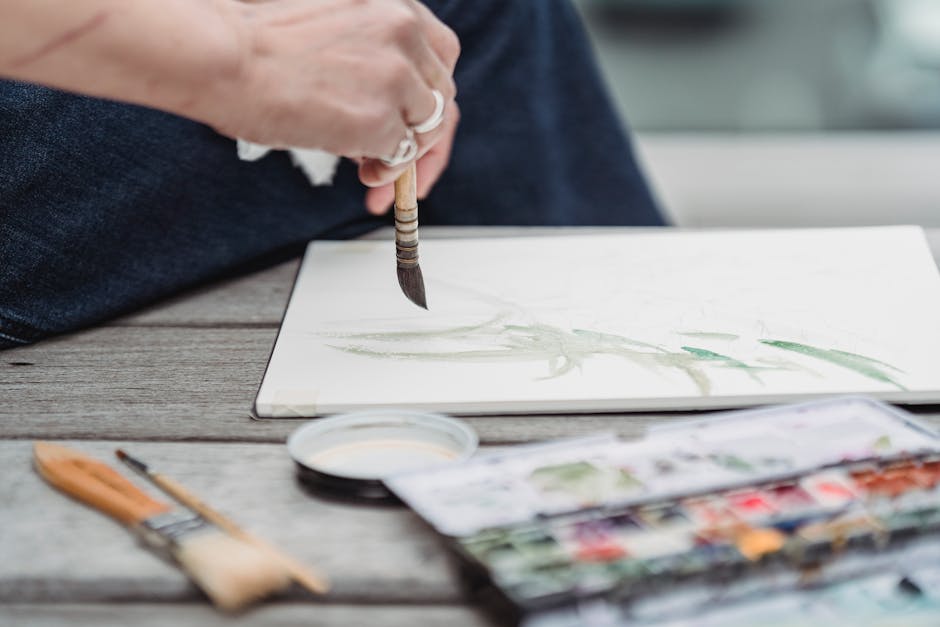
Why Therapeutic Creative Activities Work When Nothing Else Does
Therapeutic creative activities are proven tools that use art, music, movement, or writing to help you process emotions, lower stress, and recover faster, even if you’ve never considered yourself creative. Unlike traditional talk therapy, these activities tap into your brain’s natural healing power without requiring you to put everything into words.
Here’s what you need to know:
- What they are: Clinical interventions that combine creative expression with therapeutic principles to improve mental, emotional, and physical well-being
- How they work: Reduce cortisol (stress hormone), boost mood-regulating chemicals, and help you express what’s too hard to say
- Who they’re for: Anyone struggling with anxiety, depression, trauma, or burnout, no artistic skill required
- Where to start: Simple activities like mandala drawing, clay sculpting, or visual journaling that you can do at home or in a structured program
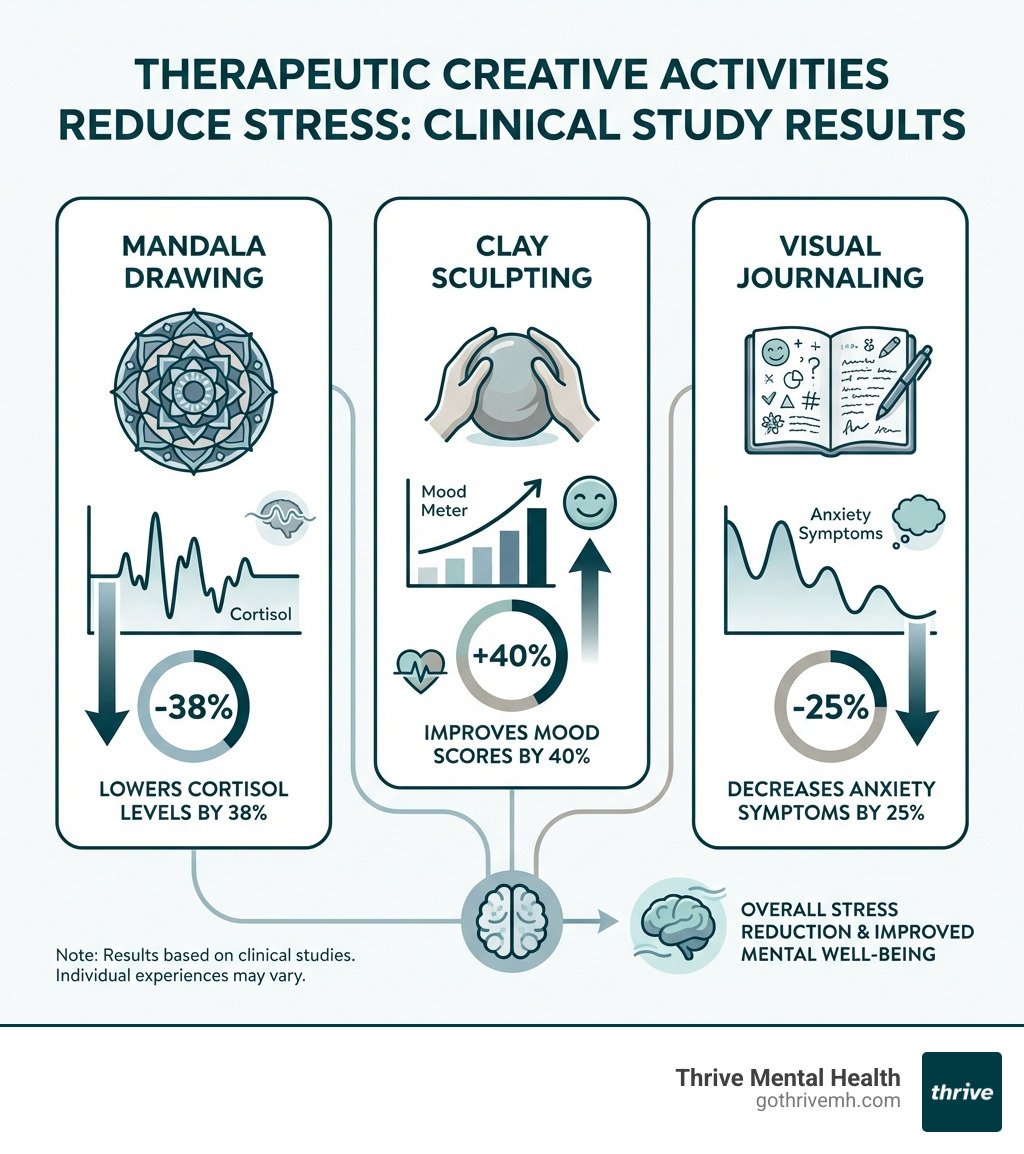
Research shows that mandala drawing reduces negative emotions, visual art making lowers cortisol levels, and creative movement improves stress resilience, often faster than meditation alone. The key isn’t making “good art.” It’s giving your brain a new pathway to heal.
As CEO of Thrive Mental Health, I’ve spent over a decade at the intersection of mental health innovation and evidence-based care, where I’ve seen how therapeutic creative activities accelerate recovery in our IOP and PHP programs across Florida. These aren’t just crafts, they’re powerful clinical tools that help people break through when words fail.
Quick therapeutic creative activities terms:
- art therapy for relaxation
- art therapy for self awareness
- clinical therapeutic activities art therapy
What Are Therapeutic Creative Activities? [Why They Work When Nothing Else Does]
Therapeutic creative activities use art, music, movement, or writing to help you process emotions, lower stress, and recover faster. Unlike talk therapy, these activities tap into your brain’s natural healing power, no experience required. They offer a unique avenue for deep self-findy and connection beyond traditional verbal communication.
Art therapy, specifically, combines art and psychotherapy to promote emotional and psychological well-being. It’s built on the idea that artistic creation is a powerful tool for self-exploration, expression, understanding, and healing. Art therapists use various mediums like drawing, painting, sculpture, and collage to help individuals express thoughts and emotions that might be difficult to put into words.
The American Art Therapy Association defines art therapy as a therapeutic modality used over ongoing sessions to improve cognitive and sensorimotor functions, foster self-esteem, cultivate emotional resilience, promote insight, improve social skills, reduce conflicts and distress, and advance societal and ecological change. The term “art therapy” itself was coined by British artist Adrian Hill in 1942.
While art therapy is a specific discipline, the broader category of “creative arts therapies” includes music therapy, dance/movement therapy, drama therapy, and writing therapy. These modalities integrate expressive arts practices with psychotherapeutic principles to promote holistic well-being and support the healing process.
At Thrive Mental Health, we incorporate these therapeutic creative activities into our virtual and in-person Intensive Outpatient (IOP) and Partial Hospitalization (PHP) programs across Florida to give clients more ways to heal than talk therapy alone.
Why choose creative activities over traditional methods?
We often find that when people are struggling, facing a challenge, or even a health crisis, their own words or language fail them. This is where art therapy steps in, providing an alternative way to communicate. It creates a safe space where emotions can be expressed freely, without the limitations of words or fear of judgment. This accessibility makes it beneficial for everyone, whether you’re managing anxiety, coping with trauma, or simply exploring new aspects of yourself.
How Are These Different From Just “Making Art”?
The key distinction lies in intention and focus.
- Therapeutic creative activities focus on the process, not the product. This means there’s no pressure for your artwork to look “good” or be technically perfect. The value comes from the act of creation itself, the exploration of materials, and the emotions it helps you uncover.
- You don’t need to be “good” at art, just willing to try. This is a common misconception that prevents many from engaging. Art therapy activities require little technique or deep knowledge of a medium. The emphasis is on personal meaning and expression.
- They’re proven to lower stress, boost mood, and help you express what words can’t. This isn’t just a feeling; research consistently shows the psychological, physical, and sociological benefits. For instance, engaging in active visual art therapy has been associated with significant improvements in patient outcomes, including reductions in anxiety and depression.
Here’s a quick comparison:
| Approach | Who Guides It? | What’s Involved? | Who’s It For? |
|---|---|---|---|
| Thrive Creative Therapy Groups | Thrive therapist | Art + group support within IOP/PHP | Anxiety, depression, trauma, stress management for adults and young professionals |
| At-Home Creative Activities | Self-guided/Family | Simple creative tasks | Stress relief, emotional expression, self-care |
To see how these fit into your overall treatment options, you can explore Thrive’s virtual and hybrid programs or start by trying some of the at-home ideas below.
7 Therapeutic Creative Activities You Can Start Today [No Experience Needed]
You don’t need fancy supplies or a private studio to start your creative healing journey. Many of these activities can be done with basic materials you might already have at home. Try these on your own, with your family, or in one of our structured group programs at Thrive Mental Health, available virtually or in-person across Florida.
If you need more than once-a-week therapy but not inpatient care, these same therapeutic creative activities are integrated into our Intensive Outpatient and PHP programs alongside evidence-based treatments.
1. Mandala Drawing: Calm Your Mind in 10 Minutes
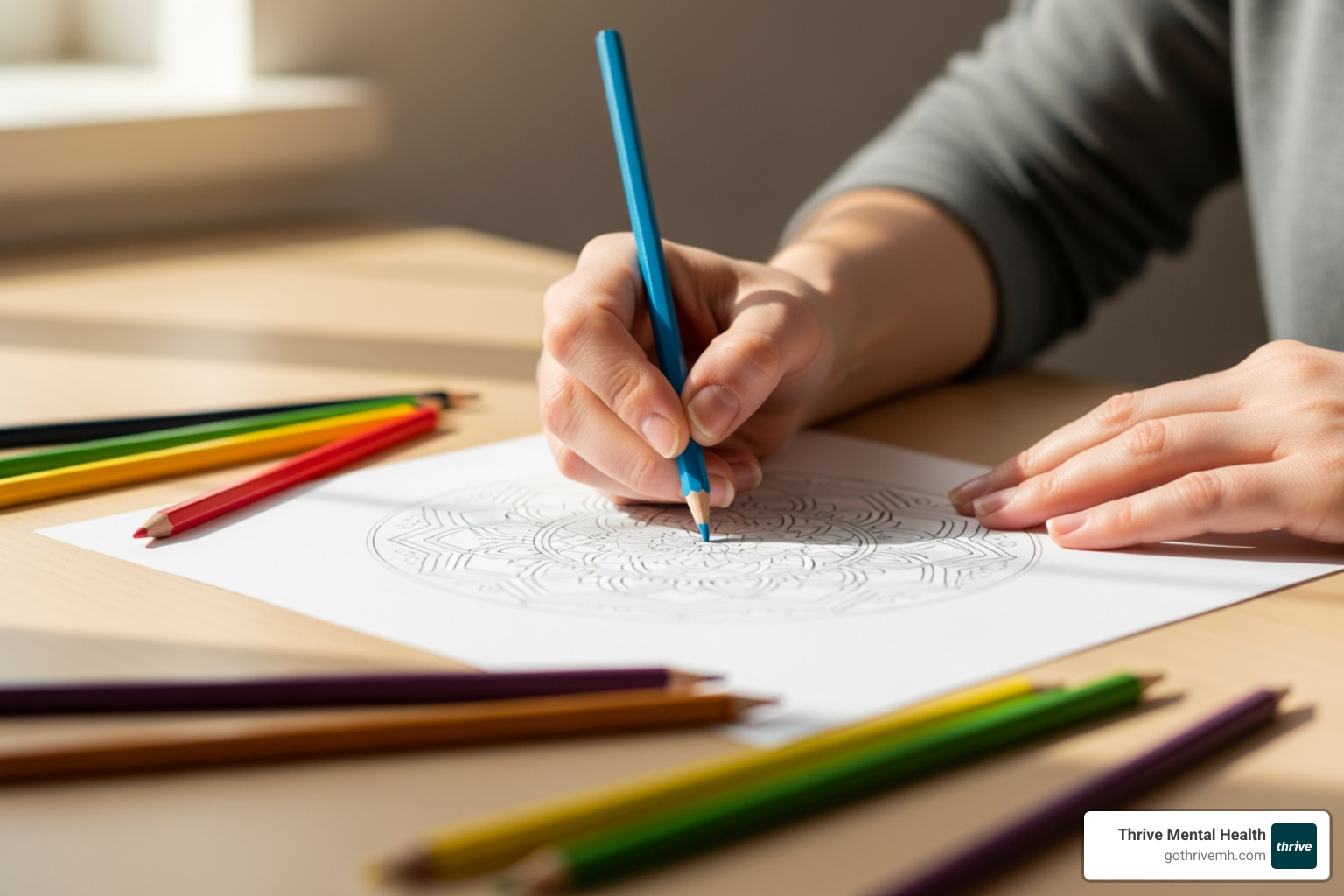
A mandala is a 2D, circular drawing that can contain patterns, sketches, or additional drawings inside. There are no hard rules when it comes to creating them, so don’t be afraid to get creative! Drawing or coloring a mandala is a powerful therapeutic creative activity. Research from the National Library of Medicine shows that mandala drawing has the power to reduce negative emotions in its creators. It helps you focus, encourages mindfulness, and provides a meditative state.
How to do it:
Grab a piece of paper and some colored pencils or markers. Start by drawing a circle, then fill it with repetitive patterns, shapes, or designs. Focus on the colors and movements, letting your mind relax into the rhythm.
2. Clay Sculpting: Mold Your Stress Away
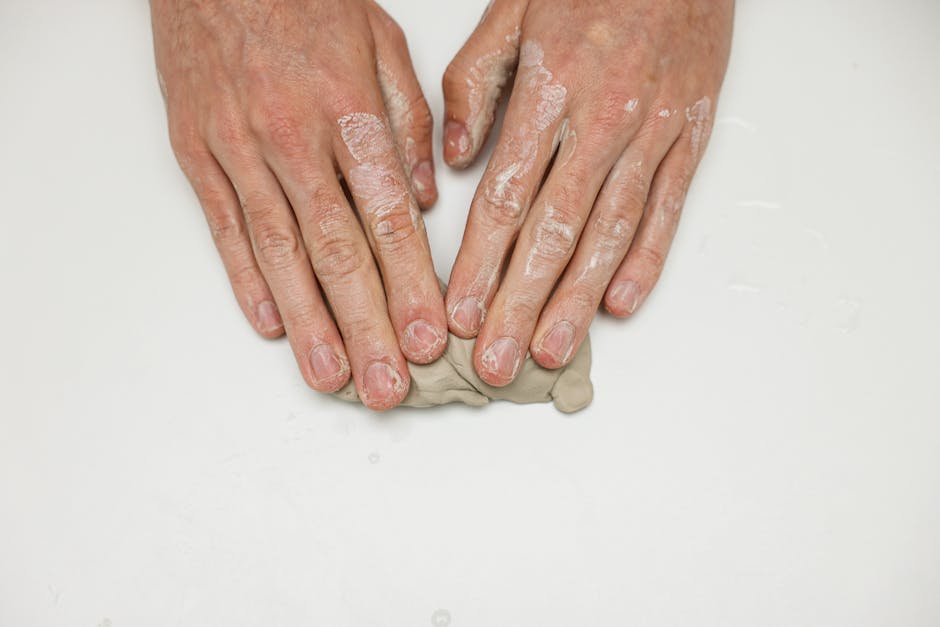
Clay sculpting can be a relaxing outlet, especially for those who don’t mind getting their hands a little dirty. During this activity, you can mold and shape clay to represent your emotions or re-create something that brings you joy. Sculpting with clay can become a powerful metaphor for personal growth and development. Clay is moldable and can withstand impact, making it ideal for representing abstract inner states, a self-image, or even other people. You can stretch, pummel, or flatten the clay as a means of expressing emotions.
How to do it:
Use air-dry clay or playdough. Simply start molding without a specific goal in mind, letting your hands express whatever feelings come up. You might find yourself creating a physical representation of stress and then, through shaping it, changing that feeling.
3. Visual Journaling: Map Your Emotions
Combine drawings, paintings, collages, or even simple scribbles with words in a notebook to create a visual journal. This is one of the most forgiving ways to make art because in an art journal, everything belongs. It blends visuals and writing to help you explore emotions and experiences on the page.
How to do it:
Get a blank notebook and any art supplies you have (pens, markers, watercolors, magazine cutouts). Dedicate a page to a specific emotion, a day’s events, or a dream. Don’t worry about artistic quality; just let your thoughts and feelings flow onto the page through images and words.
4. Mindful Doodling: Release Stress, One Line at a Time
Mindful doodling is the act of doodling through feeling. There are no expectations to create a cohesive drawing in this therapeutic creative activity. It’s about focusing on the movement, the sensation of the pen on paper, and the emerging lines and shapes, rather than the final outcome. Even just five minutes of mindful doodling can help lower your heart rate and calm your mind.
How to do it:
Close your eyes (if comfortable) and start making simple shapes on paper. Make lines simply because it feels good to make them. You can also doodle while listening to music or during a moment of quiet reflection.
5. Mask Making: Explore Your True Self
Mask making offers many possibilities when deciding between material, technique, and aesthetic. This activity allows you to explore your inner self by creating a mask that represents different emotions or aspects of your personality. A common tactic is painting how you think others see you on the exterior, while on the interior, you paint how you truly feel or see yourself. This can be a profound tool for self-findy and even family connection if done collaboratively.
How to do it:
Use a paper plate, cardboard, or even a pre-made mask base. Decorate one side to show how you present yourself to the world, and the other side to reveal your hidden emotions or true self. Use colors, textures, and symbols to convey your message.
6. Story Stones: Turn Worries Into Stories
Story stones therapy involves painting or drawing images on smooth stones and using them to create and tell stories. This activity can help you explore narratives and themes that are meaningful to you. Commonly used by educators and therapists, story stones allow children to use their imagination and advance vocabulary, but they are equally powerful for adults to process complex emotions or life events.
How to do it:
Collect a few smooth stones. Paint simple images or symbols on each one (e.g., a sun, a tree, a happy face, a storm cloud). Then, arrange the stones and use them as prompts to tell a story, perhaps about a challenge you’re facing or a hope for the future.
7. Dream Catcher Weaving: Focus and Let Go
Originating in Native American culture, dream catchers “symbolize oneness and are indicative of Indigenous identity.” Dream catcher weaving involves using string to wrap around metal or wooden hoops, symbolizing the Earth, which are then decorated with beads and feathers. The repetitive motion of weaving can be incredibly calming and meditative, helping to quiet a busy mind. It encourages focus and can be a symbolic act of processing what you want to keep (good dreams) and what you want to let go of (bad dreams or worries).
 Teen Mental Health Services That Actually Make a DifferenceMental Health
How to do it:
Find a small hoop (an embroidery hoop or even a bent wire hanger can work), some yarn or string, and optional beads or feathers. Follow simple instructions online to weave a web inside the hoop. As you weave, reflect on your dreams, aspirations, or worries, and imagine them being caught or filtered by the web.
If you notice these activities helping but you still feel overwhelmed by anxiety, depression, or burnout, it may be time to combine at-home tools with structured support. You can learn how we integrate therapeutic creative activities into care in our virtual IOP/PHP overview.
Why Do These Activities Work? The Science Behind Creative Healing
The benefits of therapeutic creative activities are not just anecdotal; they are increasingly supported by scientific research. These activities tap into our innate capacity for expression and healing, impacting us on multiple levels:
- Reduces cortisol (stress hormone): Studies have shown that engaging in visual art making, such as collage or clay modeling, can lead to significant reductions in cortisol levels. Active artistic action (painting, drawing) is more effective for stress reduction than passive art reception.
- Boosts dopamine (feel-good chemical): While not explicitly stated as “dopamine,” the research consistently points to improved mood, increased positive emotions, and improved well-being. Activities like knitting have been found to have more positive mood repair than meditating, suggesting an activation of reward pathways in the brain.
- Improves communication and self-esteem: For those who struggle with verbal expression, art provides an alternative way to communicate complex thoughts and feelings. Activities like “Inspirational Hands” (where group members write positive qualities about each other) or creating positive self-portraits can significantly boost self-esteem and foster a positive self-image.
- Helps process trauma and grief: Art therapy is widely used in trauma treatment, allowing individuals to process difficult events through artistic expression when words are insufficient. For grief, activities like creating memory boxes or painting emotions related to loss provide a tangible way to honor loved ones and steer complex feelings.
- Builds resilience and emotional regulation: Art therapy improves coping resources and helps individuals manage emotions. For example, creating an “Anger Menu” can help children identify appropriate ways to express anger, while guided clay interventions can reduce negative mood and anxiety more effectively than unguided ones.
- Improves cognitive and sensorimotor functions: Art therapy can improve cognitive functions, especially in populations like patients with dementia or children with learning difficulties. Activities involving fine motor skills, like sculpting or intricate drawing, also engage sensorimotor pathways.
We integrate these insights into our comprehensive Intensive Outpatient (IOP) and Partial Hospitalization (PHP) programs at Thrive Mental Health. Our expert-led virtual and in-person programs leverage the power of creative therapies alongside other evidence-based modalities to provide holistic healing. Learn more about how we use these approaches to help you manage anxiety and depression: Learn more about Thrive’s Virtual IOP and PHP programs for anxiety and depression.
If you’re in Florida and using insurance like Cigna, Optum, Florida Blue, or other major plans, many of these services may be covered as part of your care.
How to Make Your Space Safe for Creative Healing
Creating a conducive environment is crucial for maximizing the therapeutic benefits of creative activities. We recommend the following key principles:
- Choose a quiet, comfortable spot. This allows you to focus without distractions and feel safe enough to express yourself freely. Whether it’s a corner of your living room, a quiet park bench, or a dedicated workspace, make it your own.
- Gather simple supplies (paper, markers, clay, etc.). You don’t need expensive materials. The “21 Art Therapy Activities for Self-Expression and Healing” source emphasizes that you can start with simple supplies like paper, paints, brushes, clay, or markers. The focus is on accessibility and ease of use.
- Set an intention: “This is for me. No judgment.” Remind yourself that this is a personal process for your well-being. There’s no right or wrong way to create, and the outcome is less important than the experience.
- Focus on the process, not perfection. This is a recurring theme in art therapy. The act of creating, exploring, and expressing is where the healing happens, not in producing a masterpiece. Accept spontaneity and original thinking.
If you want help turning this into a structured routine that fits around work or school, Thrive’s virtual IOP programs can build therapeutic creative activities into a full treatment plan.
Adapting Activities for Kids, Teens, and Families
Therapeutic creative activities are adaptable for all ages and group dynamics, fostering connection and healing across generations.
- For Kids (Elementary Students): Use age-appropriate materials like crayons, washable paints, stickers, and playdough. Keep instructions simple and open-ended. Activities like story stones, finger painting, or drawing their feelings are excellent for imagination, vocabulary development, and emotional expression. For instance, creating “healing sock creatures” can help hospitalized children, and art activities can improve self-esteem among Native Hawaiian children.
- For Teens (Adolescents): Teenagers can often be self-conscious or skeptical about art-making, feeling they lack “artistic talent.” We design projects that are fun, contemporary, surprising, challenging, and even humorous, focusing on the creative process instead of an end-product. Activities like timed art competitions, altered magazine photos, mask making, or designing temporary tattoos can engage them without being overtly therapeutic. Art therapy has been effective in reducing internalizing and externalizing problems in female adolescents and can help with issues like school bullying.
- For Families: Creative activities can foster communication and connection. Collaborative projects, like a group mural, a “crazy quilt” collage, or even a “Recipe for Success” activity (where families identify strengths and goals), can provide a shared experience. Sandtray-Worldplay allows families to collaboratively build a miniature world, revealing their dynamics and communication patterns. Activities like “Colored Candy Go Around” can open up dialogue about individual and family dynamics.
For more ideas especially for anxious teens, explore our related guide: art therapy activities for anxiety.
Using Creative Activities When You Can’t Find the Words
One of the most profound benefits of therapeutic creative activities is their ability to provide a voice when verbal expression feels impossible. This is particularly valuable for individuals dealing with:
- Trauma: For those who have experienced trauma, verbalizing the event can be re-traumatizing or simply too overwhelming. Art allows for indirect expression, helping to process difficult memories and emotions in a safe, contained way. Art therapy has shown improved treatment outcomes for combat-associated PTSD.
- Grief: The intense emotions associated with grief can be paralyzing. Creative activities offer an outlet for expressing sorrow, anger, confusion, and love without needing to articulate every feeling. Memory boxes or grief journals allow for a tangible connection to lost loved ones.
- Feeling “Stuck”: Sometimes, you know something is wrong, but you can’t quite pinpoint it or explain it. Art can help uncover unconscious thoughts and feelings, bringing them to the surface for exploration and understanding.
- Children and Adolescents: Young people, especially, may lack the vocabulary or emotional maturity to fully express complex feelings. Art becomes their language.
At Thrive Mental Health, our experienced therapists are skilled at guiding individuals through these processes. Whether you prefer individual sessions or the supportive environment of a group, we offer virtual and in-person creative therapy programs across our locations in Florida. Our programs are designed for people who need more than once-a-week therapy but less than inpatient care, combining clinical expertise with flexible scheduling and measurable results. You can verify your insurance in just a couple of minutes to see your options with plans like Cigna, Optum, Florida Blue, and more.
FAQs: Therapeutic Creative Activities [People Also Ask]
Do I need to be “good at art” to benefit?
Absolutely not! This is one of the biggest myths about therapeutic creative activities. The focus is entirely on the process and personal meaning, not the final artistic product. We emphasize that you don’t need to be a professional artist or have any artistic “talent” to reap the benefits. The act of creating, exploring, and expressing is what matters for healing, self-findy, and mental well-being.
Are these activities covered by insurance?
If you join a Thrive Intensive Outpatient (IOP) or Partial Hospitalization Program (PHP), whether virtual or in-person in Florida, most major insurance plans typically cover creative therapy groups as part of your treatment plan. This includes providers like Cigna, Optum, Florida Blue, and many others. We encourage you to verify your insurance in 2 minutes to confirm your specific benefits.
How do I find a program near me?
Thrive Mental Health offers virtual IOP programs across Florida, including Tampa Bay, St. Petersburg, Miami, Orlando, Boca Raton, West Palm Beach, Jacksonville, Fort Lauderdale, Naples, and Sarasota. You can explore our website to find a program that suits your needs: See all locations.
Can I do these activities at home?
Yes! You can certainly incorporate many of these therapeutic creative activities into your self-care routine at home. Start with the 7 activities we’ve highlighted above. However, if you’re seeking structured support, deeper exploration, or are dealing with complex mental health challenges like severe anxiety or depression, joining a Thrive group offers expert guidance, a supportive community, and a therapeutic framework for maximum benefit.
Are therapeutic creative activities enough on their own for serious mental health issues?
For some people, these activities are a powerful supplement to everyday self-care. For others facing conditions like major depression, PTSD, or severe anxiety, therapeutic creative activities work best when combined with evidence-based care (such as therapy, medication management, and skills groups) in a structured program like Thrive’s virtual IOP and PHP. Our team can help you decide what level of care makes sense for you.
Summary: Don’t Wait, Start Healing With Therapeutic Creative Activities Today
Therapeutic creative activities are powerful, evidence-based tools proven to lower stress, boost mood, and accelerate recovery, even if you’ve never picked up a paintbrush. Whether you’re struggling with anxiety, depression, trauma, or just need a new, effective self-care routine, these tools work by tapping into your innate capacity for non-verbal expression and healing. They provide a safe, judgment-free space to explore emotions, build resilience, and find a voice when words fail.
To go deeper, explore our related resources:
- Read our guide to managing teen anxiety with creative activities.
- Learn more about Thrive’s IOP and PHP programs.
Ready for support? Thrive offers virtual IOP programs with evening options. Verify your insurance in 2 minutes (no obligation) → Start benefits check or call 561-203-6085. If you’re in crisis, call/text 988.

This article is for informational purposes only and is not a substitute for individualized clinical advice or insurance verification.