






Editor’s Note: This article discusses sensitive topics, including trauma, depression, and anxiety. If you or someone you know is in crisis or needs immediate support, please call or text 988 to reach the Suicide & Crisis Lifeline. You are not alone.
Your Path from Pain to Purpose Starts Now
How to heal from emotional wounds is one of the most important questions you’ll ever ask yourself. If you’re reading this, you likely know the weight of anxiety, the fog of depression, the sting of betrayal, or the exhaustion of carrying unresolved pain. You’re not alone, and healing is absolutely possible.
Here’s what you need to know right now:
Quick Answer: How to Heal Emotionally
- Acknowledge your pain without judgment or shame
- Process your emotions through journaling, therapy, or creative expression
- Practice self-care with sleep, movement, and mindfulness
- Build a support network of trusted people and professionals
- Set boundaries to protect your energy and well-being
- Seek professional help when self-care isn’t enough (especially for trauma)
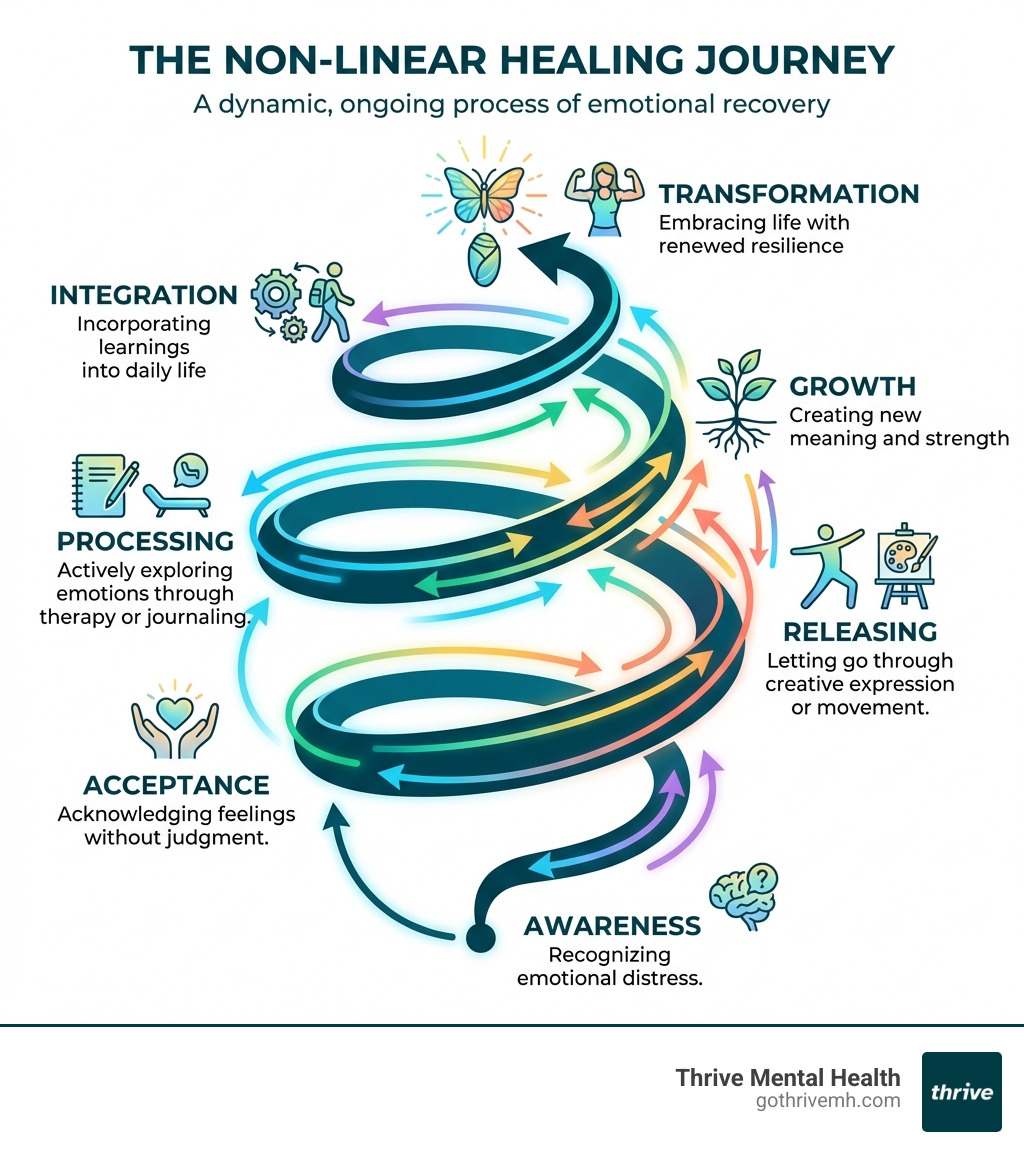
- Give yourself time, healing is not linear and varies for everyone
Healing doesn’t mean forgetting what happened or never feeling pain again. It means learning to process difficult emotions, regulate your nervous system, and build resilience so you can face challenges and return to a calm, grounded state. It’s about reclaiming your life from the grip of past trauma, toxic relationships, or chronic stress.
The research is clear: emotional distress shows up in countless ways, anxiety, sadness, anger, physical ailments, irritability, broken hearts, depression, obsessions, trauma, and addictions. When we can’t process these feelings, we risk staying stuck in self-limiting patterns that perpetuate suffering. But with the right tools and support, you can break free.
I’m Nate Raine, CEO of Thrive Mental Health, and I’ve spent over a decade working at the intersection of mental health, data science, and evidence-based care to help people learn how to heal from the inside out. At Thrive, we’ve built programs that combine clinical expertise with real-world accessibility, because healing shouldn’t be out of reach for anyone who’s ready to do the work.
This guide will walk you through the science of emotional healing, the specific steps to take, and when to seek professional support. Whether you’re dealing with relationship trauma, childhood wounds, or the weight of daily stress, you’ll find practical, actionable strategies to start your recovery today.
How to heal terms you need:
What is Emotional Healing and Why Do You Need It?
Emotional healing is the profound process of recovering from emotional wounds and patterns of coping that no longer serve us. It involves acknowledging, accepting, and processing painful emotions or experiences that have left their mark. This isn’t just a mental exercise; it’s a holistic journey that engages our head, our heart, and our body.
We need emotional healing when life throws challenging stressors our way, bringing forth difficult emotions that we struggle to process. If these feelings remain unresolved, we risk getting stuck in a self-limiting state, perpetuating distress or illness. This can manifest as chronic anxiety, persistent sadness, overwhelming anger, or even physical ailments. Our minds, much like sponges, can hold onto a lot, both good and bad moments. This is why emotional trauma can stick with us long after a traumatizing event has passed, making emotional healing not just beneficial, but necessary for our overall well-being.

The Common Signs That You Need to Heal
Our bodies and minds often send clear signals when emotional healing is needed. Ignoring these signs can lead to a build-up of distress, making the healing journey more challenging later on. Here are some common indicators that it’s time to start your healing process:
- Anxiety: Persistent worry, panic attacks, or a general sense of unease.
- Depression: Prolonged sadness, loss of interest in activities, or feelings of hopelessness.
- Irritability: Short temper, easily frustrated, or frequent mood swings.
- Chronic Stress: Feeling constantly overwhelmed, fatigued, or unable to relax.
- Numbness: A detachment from your emotions, feeling flat or disconnected from others.
- Withdrawal: Isolating yourself from friends, family, or social activities.
- Relationship Issues: Difficulty forming healthy bonds, repeated patterns of conflict, or an inability to trust.
- Physical Ailments: Unexplained aches and pains, digestive issues, or frequent headaches.
- Fatigue: Persistent tiredness even after rest, indicating emotional exhaustion.
- Insomnia: Difficulty falling or staying asleep, often due to racing thoughts or unresolved stress.
- Obsessions & Addictions: Engaging in unproductive obsessions, unwanted compulsions, or using substances to cope with emotional pain.
These signs are not weaknesses; they are messages from your inner self, urging you to address underlying issues and begin the journey of emotional recovery.
How to Heal by Addressing Your Past
Our past experiences, especially those that were painful or traumatic, can leave behind what we call “unresolved emotional baggage.” This baggage can manifest as self-sabotaging behaviors, negative thought patterns, and a general inability to move forward. How to heal effectively often means confronting these past experiences head-on.
It involves acknowledging the painful experiences, even if they’re difficult to revisit. This isn’t about blaming or dwelling, but about understanding how these events shaped you. Processing emotions from the past can be done through various means, from reflection and journaling to conversations with trusted individuals or, most effectively, through therapy. The goal is to let go of the emotional charge these memories hold, allowing you to integrate them into your story without letting them define your present or future.
Scientific research consistently demonstrates the profound impact of past trauma on mental well-being, influencing everything from our relationships to our physical health. For a deeper dive into the clinical understanding of these impacts, you can explore resources like the Scientific research on trauma-related disorders.
Understanding Trauma’s Deep Impact on Your Well-being
Trauma is more than just a bad experience; it’s an emotional response that lingers long after an event occurs, causing significant mental and physical stress. It shatters our sense of security, leaving us struggling with upsetting emotions, intrusive memories, anxiety, numbness, disconnection, and a profound difficulty trusting others. What determines if an event is traumatic is not its objective circumstances, but our subjective emotional experience of fear and helplessness during and after it.
When we experience trauma, our brain’s architecture can be profoundly affected. The amygdala, our brain’s emotional center, can become overly aroused and hyper-vigilant to danger, leading to a constant “fight-or-flight” state. Simultaneously, the hippocampus, responsible for memory, can struggle to properly file away traumatic memories, making them feel current and real, even years after the event. This means certain experiences or triggers can instantly transport us back to the fear we felt, even when there’s no real danger.

‘Big T’ vs. ‘Little t’ Trauma: Why Both Matter
When we talk about trauma, it’s helpful to distinguish between different types, though all can have a profound impact on our well-being.
- ‘Big T’ Trauma: These are the large, bombastic moments that are instantly recognizable as traumatic. Think natural disasters like hurricanes, violent attacks, serious accidents, or combat exposure. These events often involve a direct threat to life or safety and can lead to severe and immediate psychological distress.
- ‘Little t’ Trauma: These are often complex and potentially harder to recognize, but their cumulative effect can be just as devastating. ‘Little t’ traumas include events like the loss of a beloved pet, a painful breakup, job loss, bullying, chronic neglect, or ongoing verbal abuse. While individually they might not seem as severe as ‘Big T’ traumas, their repeated occurrence or deeply personal nature can erode our sense of self, safety, and trust over time.
Both ‘Big T’ and ‘Little t’ traumas demand our attention and a commitment to how to heal. Ignoring or downplaying either can lead to persistent symptoms and hinder our ability to live a full life.
Specific Types of Trauma and Their Effects
Trauma comes in many forms, each leaving its unique imprint on our emotional landscape. Understanding these specific effects is a crucial step in knowing how to heal.
-
Childhood Trauma: Experiences of abuse (physical, emotional, sexual), neglect, or an unstable home environment during childhood can have profound, lasting effects. They can lead to deep-seated shame and guilt, low self-esteem, a tendency to engage in risky behaviors, addiction, anxiety, and even learning difficulties. The impact is often more significant if the trauma occurs before age 8. Healing from childhood trauma often involves addressing these core beliefs and patterns. To learn more about specialized support, explore trauma-focused care.
-
Relationship Trauma: This arises from harmful experiences within intimate relationships, such as emotional abuse, gaslighting, manipulation, betrayal, or infidelity. It can deeply impact our self-worth, leading to difficulty trusting others, fear of intimacy, isolation, and repetitive patterns in future relationships. We might find ourselves avoiding new connections or jumping from one unhealthy dynamic to another.
-
Sexual Trauma: Sexual assault or any exposure to sexually inappropriate, harmful, or violent behavior, especially when informed consent is not or cannot be given, constitutes sexual trauma. Its effects can include PTSD, nightmares, severe anxiety, memory loss, and physical difficulties. Healing often requires a safe space to process the violation and reclaim bodily autonomy. For more information and resources, you can visit Information on sexual assault.
-
Religious Trauma: This can occur within manipulative, toxic, or abusive religious groups or through harmful experiences with religious figures. It can lead to a profound impact on one’s trust in community, authority, and even their own belief systems, often creating intense fear of punishment or a struggle with personal identity outside the religious framework.
Your Roadmap to Recovery: Key Steps to Heal Emotionally
Starting on the journey of emotional healing is like setting out on a vital expedition. It requires a roadmap, self-healing practices, and an understanding of the intricate connection between your mind, body, and overall physical health. This journey is deeply personal, but certain universal steps can guide you toward reclaiming your emotional well-being.
Step 1: Acknowledge and Accept Your Feelings
The very first step in how to heal is to create space for your emotions. This means moving beyond denial or avoidance and actively recognizing what you feel. When we experience emotional distress, be it sadness, anger, fear, or grief, our natural inclination might be to push it away. However, acknowledging your emotions without judgment or resistance is crucial.

This practice is often called “radical acceptance.” It doesn’t mean you approve of what happened or that you like how you feel; it simply means you accept the reality of your current emotional state. Sitting with discomfort, even for a few moments, can be incredibly powerful. Mindfulness techniques, such as observing your feelings without getting swept away by them, and practicing self-compassion, treating yourself with the same kindness you’d offer a friend, are cornerstones of this foundational step.
Step 2: Actively Process and Release Your Pain
Once you’ve acknowledged your feelings, the next step is to actively process and release them. This is where you engage with your emotions, rather than letting them fester. There are many effective strategies to help you steer this stage:
- Journaling: Writing down your thoughts and feelings can provide immense clarity and a safe outlet for expression.
- Creative Expression: Engaging in art, music, dance, or poetry can be a powerful way to externalize internal pain and find release.
- Movement: Physical activity, such as dancing, walking, or gentle exercise, can help release pent-up energy and stress stored in the body.
- Talking with Trusted Friends: Sharing your experiences with a supportive friend or family member can provide validation and reduce feelings of isolation.
- Healthy Emotional Expression: This might involve crying, shouting into a pillow, or engaging in other cathartic activities that allow you to express your emotions safely and constructively.
Step 3: Integrate and Grow from Your Experiences
The final stage of this roadmap is about integrating your healing journey and fostering growth. This means moving beyond merely coping and actively finding new meaning in your experiences. As you process and release pain, you begin to build renewed strength and resilience.
This stage involves:
- Finding New Meaning: Reflecting on how your experiences have shaped you and identifying lessons learned.
- Renewed Strength: Recognizing your capacity to overcome adversity and emerge stronger.
- Setting New Goals: Aligning your aspirations with your authentic self and newfound perspectives.
- Authenticity and Purpose: Embracing who you truly are and finding a sense of purpose that motivates you forward.
This process, often referred to as post-traumatic growth, allows you to transform challenges into opportunities for profound personal development.
Proven Techniques for How to Heal and Reclaim Your Life
Reclaiming your life after emotional distress or trauma involves building sustainable routines, learning to manage triggers, and mastering self-regulation techniques. It’s about consciously creating a lifestyle that supports your emotional well-being and empowers you to thrive.
How to Heal with Daily Self-Care Practices
Self-care isn’t a luxury; it’s a non-negotiable part of how to heal. These daily practices help regulate your nervous system, reduce stress, and foster a sense of peace and resilience.
- Physical Activity: Engage in rhythmic exercise like walking, running, swimming, or dancing for at least 30 minutes on most days. Yoga, chi kung, or simply walking in nature can also be incredibly calming and help release pent-up energy.
- Sleep Hygiene: Prioritize 7 to 9 hours of quality sleep each night. Establish a consistent sleep schedule, going to bed and waking up at the same times. Limit screen time before bed to allow your mind to wind down.
- Healthy Diet: Fuel your body with balanced meals throughout the day. Incorporate foods rich in Omega-3 fatty acids, which are known to support brain health and mood regulation.
- Mindfulness & Meditation: Practice guided meditation or deep breathing exercises daily. Try body scans to bring awareness to physical sensations. Mindful strolls and mindful eating can also help you stay present and reduce anxiety.
Identifying and Managing Your Triggers
Triggers are often sensory cues that remind us of past painful experiences, instantly activating our body’s stress response. Learning to identify your triggers is a critical step in how to heal. Once identified, you can develop a proactive plan to manage them.
- Trigger Identification: Pay attention to what situations, sounds, smells, or even thoughts consistently lead to feelings of anxiety, fear, or distress. Journaling can be a great tool for this.
- Creating a Plan: Develop specific coping strategies for when you encounter a trigger. This might involve stepping away from the situation, practicing a grounding technique, or calling a trusted support person.
- Grounding Techniques: When feeling overwhelmed, engage your senses to bring yourself back to the present. Try breathwork, focusing on five things you can see, four you can touch, three you can hear, two you can smell, and one you can taste.
- Sensory Input: Experiment with sensory items that soothe you, such as a weighted blanket, essential oils, or calming music.
- Setting Boundaries: Learn to say “no” to situations, people, or activities that consistently trigger you or drain your energy. Protecting your space is vital for healing.
The Role of Professional Therapy in Recovery
While self-care practices are invaluable, sometimes the depth of our emotional wounds, especially from trauma, requires professional guidance. It’s not a sign of weakness to seek help; it’s a sign of immense strength and a commitment to how to heal effectively.
You might need professional support if you’re experiencing:
- Trouble functioning in daily life.
- Severe fear, anxiety, or depression that doesn’t ease up.
- Inability to form or maintain healthy relationships.
- Terrifying memories, nightmares, or flashbacks.
- Emotional numbness or a persistent feeling of disconnection.
- Using alcohol, drugs, or other unhealthy coping mechanisms to manage your pain.
Trauma-informed therapy provides a safe, structured environment to process difficult experiences. Modalities like Somatic Experiencing focus on bodily sensations to release stored trauma. Eye Movement Desensitization and Reprocessing (EMDR) combines aspects of CBT with rhythmic stimulation to help process painful memories. Cognitive Behavioral Therapy (CBT) helps identify and challenge negative thought patterns. These specialized approaches can help you re-regulate your nervous system and develop healthier coping strategies. To explore these and other effective treatments available to Florida residents, you can learn about our treatment modalities at Thrive Mental Health.
If you’re in crisis, call/text 988 right now. You are not alone.
Frequently Asked Questions about Emotional Healing
How long does the emotional healing process take?
Healing is not linear and varies for everyone. It depends on the depth of the distress or trauma you have experienced, its severity, and the level of support you have. For some, you may see progress in weeks or months, whereas for others, it may be a journey of years. Patience and self-compassion are key. Healing is a journey, not a destination.
Can you heal from trauma on your own?
While self-healing practices are powerful and essential, deep-seated trauma often requires professional guidance. A trauma-informed therapist provides a safe space and specialized techniques (like EMDR or Somatic Experiencing) that are difficult to replicate alone. Combining self-care with professional support, such as the specialized programs available to Florida residents at Thrive Mental Health, offers the most effective path, especially when trauma has impacted your nervous system and daily functioning.
What is the first step to start healing?
The first step is awareness, acknowledging that you are in pain and that you deserve to feel better. This simple, honest recognition opens the door to seeking information, practicing self-compassion, and eventually reaching out for support. It’s the courageous decision to confront your pain rather than avoid it, setting the stage for all subsequent healing.
Take the Next Step on Your Healing Journey
How to heal is not a passive endeavor; it’s an active choice, a courageous commitment to yourself. It’s a possible and profoundly worthwhile journey that leads to greater resilience, deeper connections, and a life lived with purpose. You don’t have to walk this path alone. Support systems, from trusted friends and family to dedicated mental health professionals, are crucial. Professional help, especially when dealing with complex trauma or persistent emotional distress, can significantly accelerate your recovery, providing you with evidence-based tools and a safe space to process and grow.
At Thrive Mental Health, we understand that finding the right support is essential, especially for those in Florida. That’s why we offer virtual Intensive Outpatient (IOP) programs designed for adults and young professionals who need more than once-a-week therapy but less than inpatient care. Our programs combine clinical expertise, flexible scheduling, and a focus on measurable results. We are committed to making evidence-based treatment accessible to residents across Florida through our expert-led virtual programs and trusted in-person centers in locations including Tampa Bay, St. Petersburg, Miami, Orlando, Boca Raton, West Palm Beach, Jacksonville, Fort Lauderdale, Naples, and Sarasota. We work with major insurance providers like Cigna, Optum, and Florida Blue to ensure our programs are within reach for Floridians. Your journey to healing is important, and we’re here to support you every step of the way.
Ready for support? Thrive offers virtual IOP programs with evening options. Verify your insurance in 2 minutes (no obligation) → Start benefits check or call 561-203-6085. If you’re in crisis, call/text 988.

This article is for informational purposes only and is not a substitute for individualized clinical advice or insurance verification.