






What Does Dialectical Behavior Therapy Mean: 2025 Clarity
The Life-Changing Therapy That’s Revolutionizing Mental Health Treatment
What does dialectical behavior therapy mean for someone struggling with intense emotions, relationship chaos, or feeling out of control? In short, Dialectical Behavior Therapy (DBT) is a powerful therapy that teaches practical skills to manage overwhelming feelings, build healthier relationships, and create a more stable life.
Quick Answer:
- Dialectical = Balancing opposites (e.g., accepting yourself AND working to change).
- Behavior = Focusing on changing harmful actions and patterns.
- Therapy = A structured treatment combining individual sessions, skills groups, and real-time coaching.
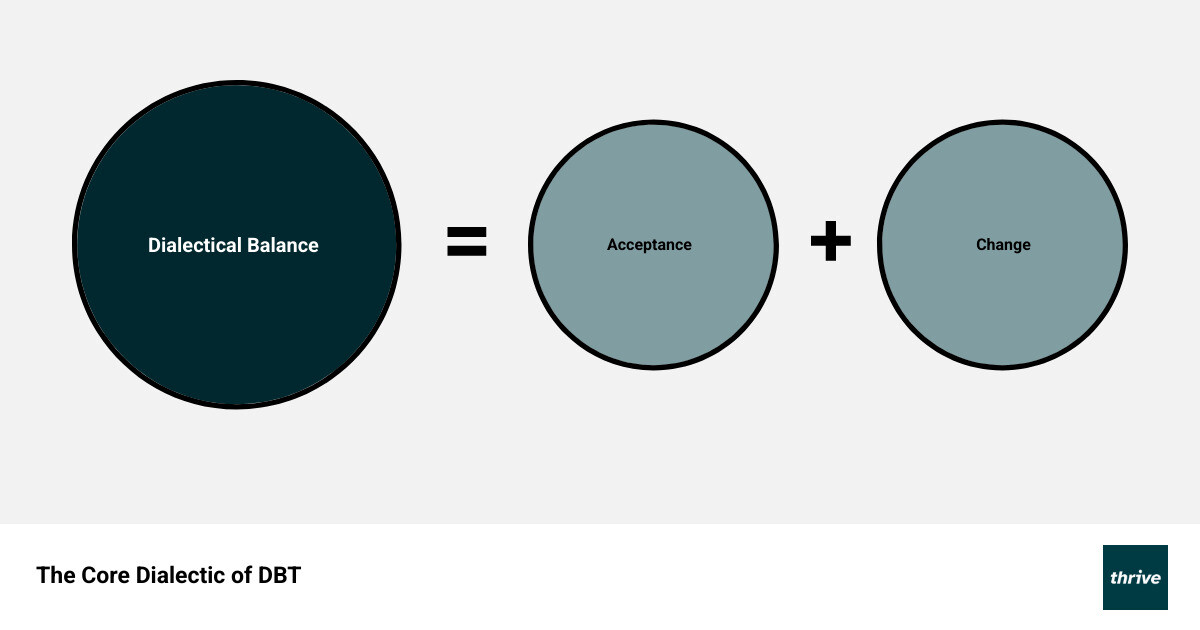
Developed by psychologist Marsha Linehan, DBT was designed for individuals whom traditional therapy couldn’t help. Its core insight is revolutionary: you can accept yourself exactly as you are while simultaneously working toward change. This “both/and” thinking, known as dialectics, helps people escape the cycle of self-criticism and hopelessness.
The therapy is built on four skill sets: mindfulness, distress tolerance, emotion regulation, and interpersonal effectiveness. Research confirms that DBT significantly reduces self-harm, suicidal behavior, and hospitalization rates, helping people build a life they find truly worth living.
Quick look at what does dialectical behavior therapy mean:
The Core Philosophy: What Does Dialectical Behavior Therapy Mean at its Heart?
At its core, what does dialectical behavior therapy mean is balancing two seemingly opposite truths: acceptance and change. The term “dialectic” refers to the idea that you can accept yourself completely as you are right now, while also being committed to making changes to build a better life. This “both/and” approach avoids the trap of self-criticism that can come from focusing only on change.
DBT’s Biosocial Theory explains why some people experience emotions so intensely. It suggests this struggle arises from a combination of two factors:
- Emotional Vulnerability: Being born with a more sensitive emotional system. Feelings are more intense, last longer, and are harder to manage. This is a biological trait, not a personal failing.
- An Invalidating Environment: Growing up in an environment where your emotions were frequently dismissed, punished, or ignored. Hearing “you’re too sensitive” or “stop being dramatic” can teach you to mistrust your own feelings.
DBT addresses this by using validation to acknowledge that your feelings are understandable given your experiences. A therapist might say, “It makes sense that you’re feeling this way,” which helps heal the wounds of invalidation.
Mindfulness is the foundation that makes this balance possible. It teaches you to observe your thoughts and feelings without judgment, creating a space between an emotional trigger and your reaction. This space is where you gain the power to choose a more effective response. This unique blend of acceptance and change is why scientific research on DBT’s effectiveness shows lasting improvements for people with intense emotional struggles.
The 4 DBT Skills Modules: Your Toolkit for a Life Worth Living

When people ask what does dialectical behavior therapy mean in practice, the answer lies in its four skill modules. These are practical tools to help you handle life’s challenges and build what DBT calls “a life worth living.”
Mindfulness: The Foundation of Awareness
Mindfulness in DBT is the practice of being fully aware of the present moment without judgment. It helps you step back from intense emotions and thoughts, giving you space to choose how to respond.
- “What” Skills: Learn to Observe your experiences, Describe them with words, and Participate fully in the moment.
- “How” Skills: Practice being Non-judgmental, One-mindful (focusing on one thing at a time), and Effective (doing what works to achieve your goals).
Distress Tolerance: Surviving Crisis Without Making It Worse
If you are in crisis or having thoughts of self-harm, call or text 988 immediately. Help is available 24/7, and you are not alone.
These skills help you get through painful moments without acting impulsively or making the situation worse. The goal is survival, not immediate happiness.
- Crisis Survival Skills (ACCEPTS): Use distraction, self-soothing, and other techniques to get through a crisis.
- TIPP Skill: Quickly calm your body by changing your Temperature (cold water), using Intense exercise, Paced breathing, or Paired muscle relaxation.
- Radical Acceptance: Stop fighting reality. This means accepting the facts of a situation, even if you don’t like them, so you can move forward.
- Self-Soothing: Comfort yourself using your five senses (e.g., listening to calming music, smelling a pleasant scent).
What does DBT’s approach to Emotion Regulation mean for you?
Emotion regulation skills help you understand and manage your emotions, rather than being controlled by them.
- Identifying Emotions: Learn to name what you’re feeling to understand the message your emotion is sending.
- Reducing Vulnerability (PLEASE Skill): Take care of your physical health to build emotional resilience. This includes treating PhysicaL illness, Eating balanced meals, Avoiding mood-altering drugs, getting enough Sleep, and Exercising.
- Opposite Action: When an emotion doesn’t fit the facts or isn’t helpful, act opposite to its urge (e.g., approach what you fear instead of avoiding it).
Interpersonal Effectiveness: Building Healthy Relationships
These skills help you steer relationships, get your needs met, and maintain self-respect.
- DEAR MAN Skill: A structured way to ask for what you want or say no effectively. (Describe, Express, Assert, Reinforce, stay Mindful, Appear confident, Negotiate).
- GIVE Skill: Maintain positive relationships by being Gentle, acting Interested, Validating the other person, and using an Easy manner.
- FAST Skill: Maintain your self-respect by being Fair, making no unnecessary Apologies, Sticking to your values, and being Truthful.
Who Benefits from DBT? [Conditions & Symptoms]

While DBT was first created to treat Borderline Personality Disorder (BPD), its skills are now used to help people with a wide range of challenges. The core issue DBT addresses, emotional dysregulation, is a factor in many mental health conditions.
Primary and Co-Occurring Conditions
DBT is the most effective treatment available for Borderline Personality Disorder (BPD), helping individuals build stability and reduce self-harm. It is also highly effective for:
- Suicidal Behavior and Self-Harm: DBT was designed for this and research shows significant reductions in these behaviors. Distress tolerance skills are life-saving.
- Post-Traumatic Stress Disorder (PTSD): Especially for complex trauma, DBT helps manage intense emotions and rebuild a sense of safety and trust.
- Substance Use Disorders: Provides healthy coping skills to manage the emotions that often trigger substance use.
- Eating Disorders: Helps individuals understand and manage the emotional triggers behind behaviors like binging and purging.
- Depression and Anxiety: Particularly helpful for treatment-resistant depression or anxiety accompanied by intense emotional reactions. Mindfulness and emotion regulation skills provide new ways to manage symptoms.
- Bipolar Disorder: While not a replacement for medication, DBT skills help manage mood swings and repair relationships strained by mood episodes.
Is DBT Right for You?
Consider if these experiences feel familiar:
- Your emotions feel overwhelming and out of control.
- Your relationships are intense, chaotic, and unstable.
- You act impulsively in ways you later regret (e.g., self-harm, substance use, angry outbursts).
- You struggle with a chronic feeling of emptiness.
- You’ve tried other therapies without finding lasting relief.
If these points resonate, DBT could be a transformative step. At Thrive Mental Health, our specialized DBT programs in Florida for adults and adolescents are designed to teach these skills in a supportive environment, including our intensive outpatient programs.

How DBT Works: Treatment Structure and What to Expect
Understanding what does dialectical behavior therapy mean in practice requires looking at its unique, multi-layered structure. Unlike once-a-week talk therapy, standard DBT is a comprehensive program designed to provide intensive support. At Thrive Mental Health, we integrate these components into our Florida-based Intensive Outpatient Programs (IOP).
The Four Components of Standard DBT
A complete DBT program includes four parts that work together:
- Individual Therapy: Weekly one-on-one sessions focused on applying DBT skills to your personal challenges and using tools like diary cards to track progress and target specific behaviors.
- Skills Training Groups: Weekly group sessions (like a class) where you learn the four DBT skill modules in a structured, supportive environment.
- Phone Coaching: In-the-moment phone support from your individual therapist to help you use your skills during a crisis or difficult situation.
- Therapist Consultation Team: A behind-the-scenes component where your therapists meet regularly to support each other and ensure they are providing the best possible care.
How is DBT Different from CBT?
DBT grew out of Cognitive Behavioral Therapy (CBT) but has key differences, particularly its emphasis on acceptance and validation alongside change.
| Feature | Cognitive Behavioral Therapy (CBT) | Dialectical Behavior Therapy (DBT) |
|---|---|---|
| Core Philosophy | Focuses on changing unhelpful thoughts and behaviors. | Balances acceptance of reality with the need for change. |
| Emphasis | Challenging distorted thoughts. | Mindfulness, distress tolerance, emotion regulation, interpersonal skills. |
| Therapeutic Stance | Collaborative and problem-solving. | Validating and accepting while pushing for change. |
| Structure | Typically weekly individual sessions. | Comprehensive 4-component model (individual, group, coaching, team). |
What does a typical DBT program mean for your schedule?
A comprehensive DBT program is a commitment, usually lasting six months to a year. This structure is what makes it so effective. At Thrive Mental Health, we offer flexible virtual and hybrid Intensive Outpatient (IOP) programs across Florida, including evening options, to fit treatment into your life without disrupting it.
How to Access DBT and Get Started
Taking the first step toward healing is easier than you might think. Finding qualified DBT care that fits your needs and budget is achievable.
Finding a Qualified DBT Provider
Since DBT is a specialized treatment, finding a well-trained therapist is key.
- Ask for Referrals: Your doctor or current therapist can be a good starting point.
- Use Online Directories: The Behavioral Tech directory lists therapists with recognized DBT training.
- Ask About Credentials: Inquire if a provider has completed comprehensive DBT training and participates in a consultation team.
- Consider Virtual DBT: Online programs make expert care accessible regardless of your location. Thrive Mental Health offers flexible virtual therapy options that bring comprehensive DBT to you anywhere in Florida.
Paying for DBT: Insurance and Options
The cost of therapy is a valid concern, but most insurance plans cover DBT, especially within an Intensive Outpatient Program (IOP) or Partial Hospitalization Program (PHP).
At Thrive Mental Health, we are in-network with major providers like Cigna, Optum, and Florida Blue, making treatment more accessible. Our team handles the insurance verification process for you.
The easiest way to understand your costs is to check your benefits. You can verify your insurance coverage in 2 minutes on our website with no obligation. This provides clarity and peace of mind before you even begin.
Frequently Asked Questions about Dialectical Behavior Therapy
Here are answers to common questions about what does dialectical behavior therapy mean for those considering this approach.
What is the main goal of dialectical behavior therapy?
The primary goal is to help you build a “life worth living,” as defined by you. It does this by teaching you practical skills to manage painful emotions, steer relationship conflicts, and balance self-acceptance with positive change.
Is DBT only for BPD?
No. While originally developed for Borderline Personality Disorder (BPD), DBT is now proven effective for a wide range of issues where emotional dysregulation is a key factor. This includes PTSD, substance use disorders, eating disorders, depression, and anxiety.
How long does it take for DBT to work?
A comprehensive DBT program typically lasts six months to a year. However, many people start to feel a sense of relief and control within the first few months as they begin learning and applying the skills in their daily lives. Lasting change takes practice and time to solidify.
What is an example of a dialectic in DBT?
The core dialectic is “acceptance and change.” A therapist might say, “I accept you completely as you are, AND I know you need to change certain behaviors to build the life you want.” Another example is holding two ideas at once: “I am doing the best I can, AND I want to do better.” This “both/and” thinking helps you move forward without getting stuck in self-criticism.
Take the First Step Toward a Life Worth Living
Understanding what does dialectical behavior therapy mean is the first step on a journey toward building a life you truly want to live. DBT provides a practical, evidence-based roadmap to manage intense emotions, build healthier relationships, and find a balance between self-acceptance and change. It’s a commitment, but it offers the invaluable return of a life that feels stable, meaningful, and worth living.
At Thrive Mental Health, we make starting this journey accessible for residents throughout Florida. Our programs are designed to fit your life, with flexible virtual IOP options, including evening sessions for working adults. We provide expert-led, evidence-based care in a safe, validating environment. You don’t have to figure this out alone.
Ready for support? Thrive offers virtual IOP with evening options for Florida residents. Verify your insurance in 2 minutes (no obligation) → Start benefits check or call 561-203-6085. If you’re in crisis, call/text 988.

This article is for informational purposes only and is not a substitute for individualized clinical advice or insurance verification.