
Download Calm: Printable Art Therapy Activities for Mental Wellness
When Talking Isn’t Enough: Why Art Therapy Works Where Words Fail
Mental health printable art therapy activities pdf resources offer immediate, evidence-based tools to reduce anxiety, process trauma, and express emotions that feel impossible to verbalize. Here’s what you need to know:
Top Mental Health Printable Art Therapy Activities:
| Activity Type | Best For | Time Needed |
|---|---|---|
| Emotion Wheel | Identifying feelings | 10-15 min |
| Mandala Coloring | Anxiety relief | 15-20 min |
| Past-Present-Future Trifold | Trauma processing | 20-30 min |
| Safe Place Collage | Grounding | 30-45 min |
| Body-Emotion Mapping | Somatic awareness | 15-20 min |
Adrian Hill coined the term “art therapy” in 1942 while recovering from tuberculosis. He finded what modern research now confirms: creative expression engages the mind, body, and spirit in ways that verbal communication cannot. When you’re too overwhelmed to find the right words—or when shame makes speaking unbearable—art therapy creates a safer path to healing.
Studies show that structured art-making activities reduce anxiety and negative emotions while boosting positive feelings. The process matters more than the product. You don’t need artistic skill—just willingness to pick up a pencil and let your emotions flow onto paper.
Why printable PDF activities work so well:
- Use them anytime, anywhere—no appointment needed
- Track your emotional progress over time
- Adapt for children, teens, adults, or seniors
- Integrate with therapy or use independently
- Cost nothing to download and print
These worksheets blend psychological theory (CBT, ACT, trauma-informed care) with creative freedom. They help you name feelings, identify triggers, practice mindfulness, and build coping skills that become part of your daily thinking.
I’m Nate Raine, CEO of Thrive Mental Health, where we’ve integrated art therapy into our IOP and PHP programs across Florida. Our team has seen how mental health printable art therapy activities pdf resources accelerate recovery—especially for clients who struggle with traditional talk therapy or need tools between sessions.

Ready to explore which activities fit your needs? Let’s break down the most effective printable art therapy resources and how to use them for maximum impact.
Basic mental health printable art therapy activities pdf glossary:
Why Art Therapy PDFs Work When Nothing Else Does
Art therapy is far more than just a creative pastime; it’s a recognized, evidence-based psychotherapy that uses artistic expression to foster mental, emotional, and even physical healing. When traditional talk therapy feels blocked, art offers a unique pathway to understanding and processing complex emotions. This non-verbal approach can bypass the barriers of shame, resistance, or simply the inability to articulate difficult feelings, making it a powerful tool for self-findy and recovery.
The inherent value of mental health printable art therapy activities pdf resources lies in their accessibility and their ability to provide tangible proof of progress. Studies have consistently shown that engaging in structured art-making activities can significantly reduce anxiety and negative emotions, while simultaneously boosting positive feelings. For both therapists and clients, these printable resources offer clear reference points between sessions, allowing for continued engagement and reflection. We’ve seen in our Intensive Outpatient (IOP) and Partial Hospitalization (PHP) programs at Thrive Mental Health how these tools can help clients practice mindfulness skills that become ingrained in their daily thinking, providing a continuous path to wellness.
Art therapy worksheets naturally track progress. Clients and therapists can observe visual proof of emotional and mental changes over time. This visual record helps clients recognize symptoms, identify triggers, and plan specific steps for moving forward. Moreover, it allows clients to express emotions through art, often feeling less judgment or shame toward themselves during this process, which creates a safer space for exploring difficult feelings. To learn more about how we integrate creative modalities into our programs, explore how Thrive’s art therapy programs work.
What Makes a Powerful Art Therapy PDF?
A high-quality art therapy PDF worksheet isn’t just a drawing prompt; it’s a thoughtfully designed therapeutic tool. The best resources blend psychological theory with creative opportunities, ensuring that anyone can interpret and engage with the activity in their own way. Here are the key characteristics we look for at Thrive Mental Health:
- Clear, simple instructions: The activity should be easy to understand and follow, minimizing confusion and maximizing engagement.
- Backed by psychological theory (CBT, ACT): Effective art therapy PDFs are grounded in proven therapeutic approaches like cognitive behavioral therapy (CBT), acceptance and commitment therapy (ACT), or solution-focused brief therapy (SFBT). This ensures the activity is purposeful and contributes to therapeutic goals.
- Space for creativity and reflection: There must be ample room for personal expression and subsequent reflection, with prompts that guide self-exploration rather than dictating a specific outcome.
- Adaptable for all ages and needs: A good worksheet can be modified to suit different developmental stages and therapeutic objectives, whether for a child exploring emotions or an adult processing trauma.
- Prompts for self-findy and growth: The activities should encourage introspection, helping clients identify emotions, values, strengths, and areas for growth.
- Ethical considerations: As per ethical principles for art therapists, a worksheet must create a safe space for emotional expression.
These elements ensure that the worksheet supports the integrated engagement of mind, body, and spirit, rather than simply filling time. For details on our evidence-based programs that incorporate these principles, see Thrive’s IOP and PHP program details.
Who Gets Results from Art Therapy Activities?
Art therapy activities are incredibly versatile and beneficial for a wide range of individuals seeking mental wellness. We’ve found them to be particularly impactful in our programs across Florida.
- Children, teens, adults, and seniors: Art therapy worksheets are effective across all age groups, adapted to their developmental stage and specific needs. From helping children build emotional vocabulary to aiding seniors in memory stimulation, the changeal power of art knows no age boundaries.
- Trauma survivors, anxiety, depression, PTSD, autism, dementia: Studies show these worksheets work well with many groups—from children with autism and behavioral challenges to veterans with PTSD and older adults with dementia. They provide a non-threatening avenue for expression when verbal communication is difficult or overwhelming.
- Anyone who struggles with talk therapy or wants new coping tools: Art therapy can promote engagement in clients resistant to traditional therapy interventions. It provides a unique blend of creativity and introspection, offering a tangible medium for expressing dreams, fostering hope, and encouraging reflection. For those who find it challenging to articulate their feelings verbally, art offers a safe and powerful alternative.
Whether you’re looking for support for yourself or a loved one, art therapy can be a valuable component of a comprehensive mental health plan. Find how our flexible options can support your journey with Thrive’s virtual therapy options.
Myth-Busting: No Artistic Skill Needed
One of the most common misconceptions about art therapy is that you need to be an “artist” to participate or benefit. This couldn’t be further from the truth. In art therapy, the focus is entirely on the process of creating and expressing yourself, not on producing a masterpiece. We emphasize that art therapy is about the journey of self-expression and emotional exploration, rather than artistic talent or the final product.
The goal is not to judge the aesthetic quality of your work, but to use the act of creation as a means to explore inner thoughts, feelings, and experiences. By explaining that “art therapy is a process” instead of focusing on artistic ability, we help reduce the performance anxiety that clients might feel. This liberation from artistic expectations opens new doors to healing, allowing individuals to engage authentically with their emotions and gain insights that might otherwise remain hidden. The simple act of engaging with materials—whether it’s coloring, drawing, or sculpting—can be profoundly therapeutic, regardless of the final visual outcome.
The Ultimate Toolkit: Mental Health Printable Art Therapy Activities PDF
Our comprehensive research into mental health printable art therapy activities pdf resources reveals a rich toolkit of downloadable, therapist-approved activities designed to meet diverse therapeutic needs. These printables serve as invaluable supplements to therapy or as standalone tools for self-care, offering structured guidance for emotional exploration.
Top Art Therapy Printables for Anxiety & Stress Relief
Anxiety and stress can often feel overwhelming and difficult to articulate. Art therapy provides a powerful, non-verbal outlet to manage these feelings, helping to calm the nervous system and foster a sense of control.
- Emotion Wheel: This basic art therapy worksheet helps clients visualize their feelings through colors and images. You only need crayons, markers, or colored pencils and the wheel printout. By drawing their anger, fear, or happiness, these emotions become easier to identify and handle.
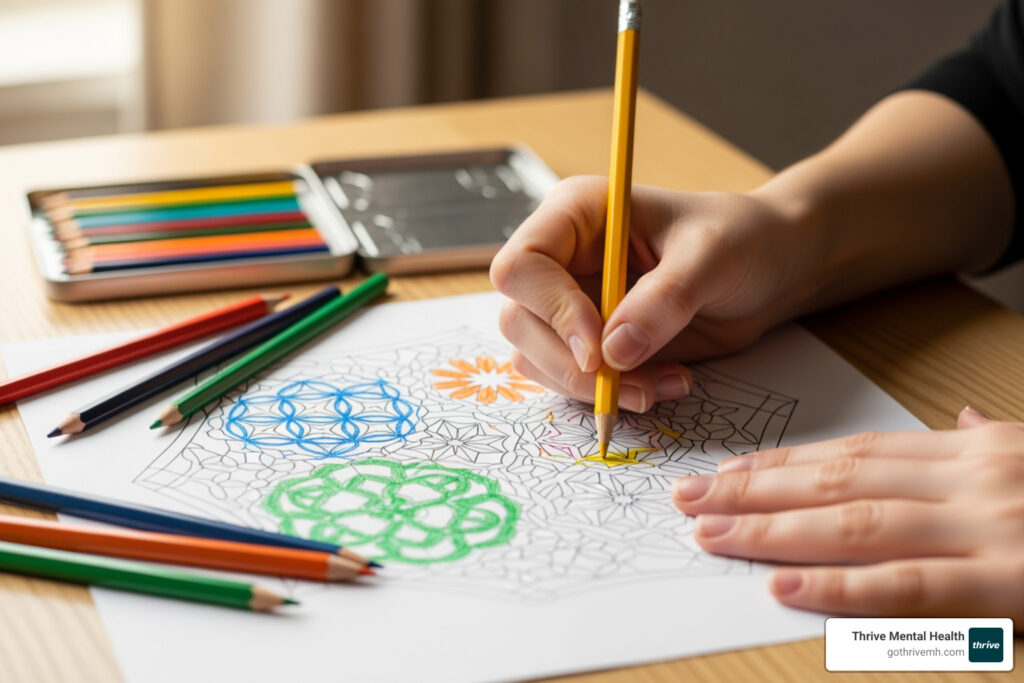
- Mandala Coloring: Mandala coloring works great as a grounding tool to improve focus and reduce anxiety. These detailed, symmetrical designs create a peaceful experience that calms the mind. Clients use colored pens, markers, or watercolors to fill patterns at their own speed. Mindful coloring, in general, can help relax the mind and switch off unhelpful thoughts. You can find many mindful coloring pages here.
- Safe Place Collage: This activity involves creating two collages using magazine images that evoke pleasant feelings. Discussing their calming effect and keeping them in accessible locations, such as by a nightstand, can provide visual anchors for managing anxiety.
- Anxiety Cartoons: Personifying anxiety by drawing its visual and physical characteristics and behavior can help externalize and understand it better. This allows clients to discuss its strengths, weaknesses, origin, and how to make it go away, often making it less intimidating.
- Grounding and mindfulness art: Activities like the Find the Rainbow exercise help clients stay present when they feel overwhelmed. This simple technique asks them to spot each rainbow color around them (red, orange, yellow, green, blue, purple), bringing their attention back to the present moment. Other activities might include deep breathing exercises combined with drawing.
- Sensory art for calming: Engaging the senses through tactile art, such as finger painting (even using tools if averse to getting messy) or creating beaded items, can help individuals focus on the present moment and redirect attention away from anxious thoughts. Beading, for instance, can help clients focus as they select, string, and count beads, and the finished item can be a tactile reminder for calming when anxious.
These activities are just a few examples of how printable art therapy can be integrated into your routine or therapeutic journey to help manage anxiety and stress. For comprehensive support, explore Thrive’s anxiety treatment programs.
Self-Findy & Identity Activities
Exploring one’s identity and fostering self-awareness are crucial aspects of mental wellness. Art therapy provides a safe and creative space for this introspection, especially when words might feel limiting.
- Self-portrait exercises: These exercises reveal a lot about how people see themselves. Adults, for instance, can explore inner thoughts and characteristics they find challenging to accept through different art materials. The focus is on internal perception rather than external likeness.
- “Who Am I?” identity exploration: This activity offers a clear path to self-findy. Clients name different parts of who they are, explain what each means, and show how strongly they connect with each one. They might even create a personal nickname that captures their identity’s most important parts.
- “Pictures of Me” worksheet: Similar to the “Who Am I?” activity, this worksheet lets clients name various aspects of their identity and draw what each means to them. This creative work helps them understand their feelings about themselves, their values, and their daily life. Reflection questions after the exercise prompt deeper thought about which parts feel most authentic. You can find examples of this at Therapist Aid.
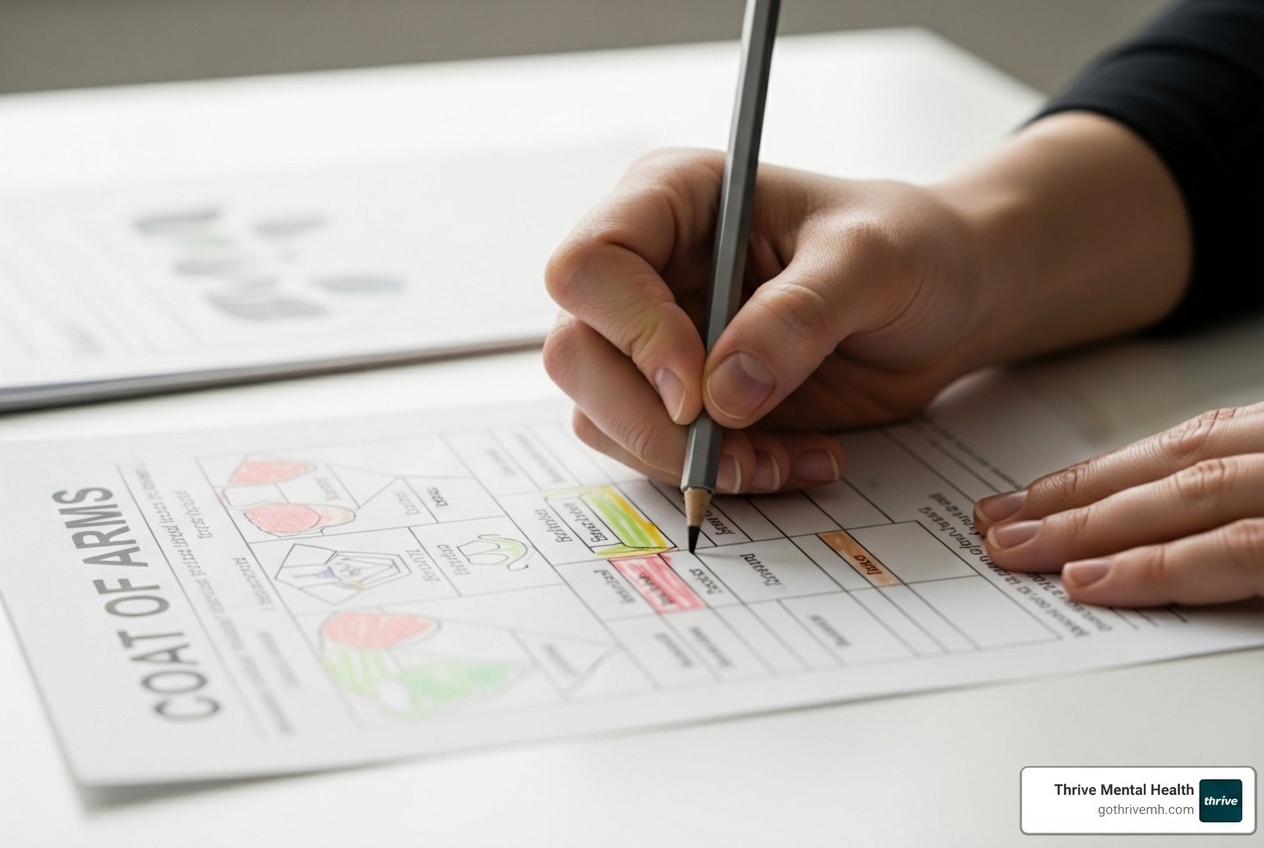
- “Coat of Arms” printable: This activity, particularly popular with teens, asks individuals to show different parts of their personality or values in each section of a shield. It’s a symbolic way to represent identity and personal strengths.
- Values clarification: Many self-findy activities inherently involve clarifying personal values. Worksheets like “Words to Live By” collages, where teens select words and images that represent their core beliefs, allow them to visually articulate and reinforce their values.
These printable tools give clients safe ways to explore who they are, what they value, and how they see themselves in the world.
Safe Trauma Processing Activities
Trauma can leave deep imprints that are often difficult to access or express verbally. Art therapy offers a gentle, metaphoric, and non-verbal approach to processing these experiences, creating emotional distance that makes exploration safer.
- Past-Present-Future Trifold: This activity allows clients to draw themselves in different time periods (past, present, future) to explore how trauma has impacted their life outlook and to visualize their healing journey. It helps in understanding the timeline of their experience and their aspirations for recovery.
- Heart Inventory: This exercise involves listing feelings related to trauma, assigning colors to them, and then filling a heart shape based on the intensity and prevalence of these emotions. It provides a visual representation of emotional states linked to traumatic events, which can be particularly helpful for tracking progress.
- Metaphor and symbol creation: Art therapy inherently encourages the use of metaphors and symbols to represent difficult experiences. This approach allows clients to explore tough experiences indirectly, creating a protective layer that can reduce overwhelm. For example, a client might draw a stormy sea to represent their emotional turmoil or a lighthouse to symbolize hope and guidance.
- Emotional safety prompts: High-quality trauma processing worksheets include prompts that guide the client through the activity while prioritizing their emotional safety. This might involve instructions to take breaks, choose a “safe” color, or focus on resources and strengths.
- Non-verbal trauma processing: The very act of creating art to represent trauma, without needing to verbalize every detail, can be profoundly healing. It allows the body and mind to process the experience at their own pace, reducing the risk of re-traumatization.
These activities, especially when facilitated by a trained professional, offer a path to healing and integration for those who have experienced trauma. Our PHP programs at Thrive Mental Health are specifically designed to support trauma recovery through comprehensive and empathetic care. Learn more about our PHP programs for trauma recovery.
How to Adapt Art Therapy Printables for Any Age or Setting
One of the greatest strengths of mental health printable art therapy activities pdf resources is their adaptability. We can tailor these worksheets to suit various developmental levels and therapeutic contexts, ensuring that they remain effective whether used in individual, group, or telehealth sessions. Thrive Mental Health proudly offers these adaptable approaches across our locations in Florida.
For Kids: Build Emotional Vocabulary
Children often lack the verbal skills to express complex emotions, making art therapy an ideal medium for them. Printable activities can help them develop emotional literacy and coping skills.
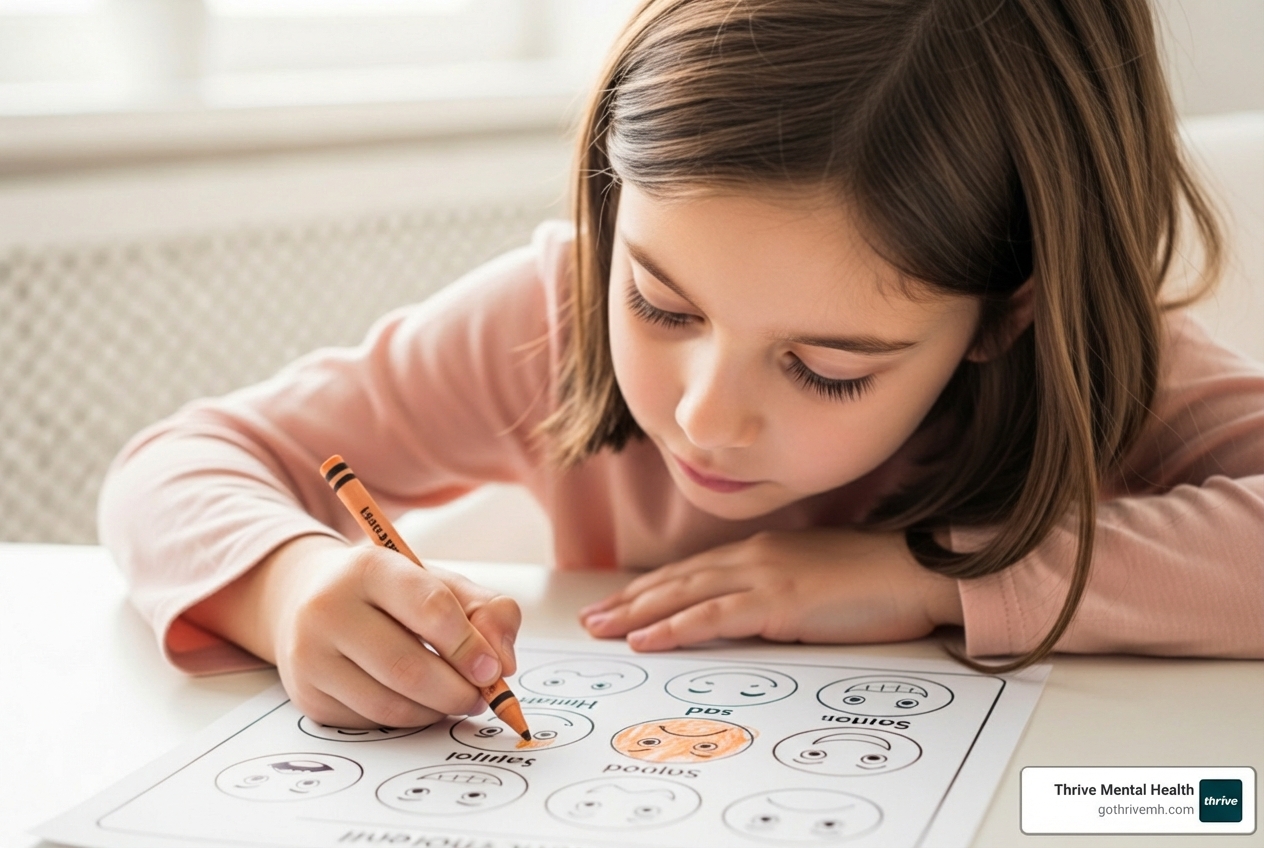
- Emotion Faces: These printables are excellent tools for children. They help kids connect specific words with facial expressions, building their emotional vocabulary. Color-coded feeling charts also assist them in identifying and understanding their emotions in real ways. Therapist Aid offers resources for children.
- Body-Emotion Mapping: Activities focused on the body are powerful tools. When children color the parts of their body where they feel emotions, they learn to spot physical signs of feelings. This connection between body and emotions helps them develop self-control skills.
- Gratitude Jars: Encouraging children to draw or write things they are grateful for and place them in a jar fosters positive thinking and mindfulness.
- Family Drawings: Asking children to draw their family can provide insights into their perceptions of family dynamics and their place within the family unit.
- Coping skills for young children: Research shows these creative tools help children explore their emotions, understand their behaviors, and develop essential coping skills. Other helpful printables include mandalas for calming and simple “worry dolls” activities where children draw their worries and “give” them to the doll. You can find more therapeutic activities for children at Child Therapy Guide.
For Teens: Identity & Big Feelings
Teens steer unique challenges related to identity, peer relationships, and emotional regulation. Art therapy PDFs offer a safe, non-judgmental space for them to process these intense experiences.
- Mask-Making: Mask-making exercises work particularly well with teens. These activities can “sometimes allow you to start difficult conversations” with adolescents who prefer to keep things private, as they can explore different facets of their public and private selves. Check out Therapist Aid’s adolescent resources.
- “Words to Live By” Collage: Identity worksheets like “Words to Live By” collages let teens see their values through art, helping them clarify what’s important to them.
- Emotion Color Swatches: This activity teaches teens about feeling intensities. Creating color swatches for different emotions helps them understand the nuances of their emotional states.
- Friendship and self-esteem activities: Printables encouraging teens to draw their support network, create a “shield of strengths,” or visualize their ideal self can boost self-esteem and help them steer social complexities. The “Coat of Arms” printable, for example, asks teens to show different parts of their personality in each section of a shield. More ideas can be found at Expressive Art Workshops.
For Individual, Group, and Virtual Therapy
The format of art therapy can be adapted to suit various therapeutic settings, each offering distinct benefits.
| Setting | Benefits | Considerations |
|---|---|---|
| Individual Therapy | Deep self-reflection, privacy, personalized pace, direct feedback from therapist. | Can lack peer support, requires strong therapist-client bond. |
| Group Therapy | Shared experience, mutual support, reduced isolation, practice interpersonal skills, diverse perspectives. | May be challenging for highly private individuals, managing group dynamics. |
| Telehealth Therapy | Flexible, accessible (removes geographical barriers), convenient, can be done from comfort of home. | Requires reliable internet, adaptation of observation, potential for digital divide. |
- Individual Therapy: The personal nature of individual sessions lets clients work at their own speed without comparing themselves to others. This private setting allows for deep self-reflection and custom interventions, fostering a strong therapeutic alliance.
- Group Therapy: Group art therapy creates special benefits through shared creative experiences. We often start by connecting with each participant individually before introducing the activity to help new members feel welcome and create group unity. Members of expressive arts groups experience better well-being through mutual support. The group setting provides “a safe and accepting space for members, facilitating emotional release and practicing interpersonal interaction.” Group members often become more confident as they share their creations and receive feedback. Research supports the application of expressive arts group therapy in enhancing subjective well-being.
- Telehealth Therapy: Digital tools make art therapy available to individuals who may face barriers to traditional in-person sessions, such as geographical distance or mobility issues. To adapt for remote sessions, we recommend:
- Sending art supplies to clients before sessions or helping them find useful items at home.
- Using headphones to improve sound quality and privacy.
- Checking video and audio connections before starting creative work.
- Adjusting how you observe, since you can only see what’s on screen.
- Third-hand art therapy—where therapists become their client’s hands by creating under their direction—works well for remote sessions. This approach lets group members work together to create characters and stories that express internal struggles, even when they’re physically apart.
Thrive Mental Health offers comprehensive virtual IOP and telehealth options designed to integrate these flexible approaches, ensuring high-quality care for residents throughout Florida.
FAQs: Mental Health Printable Art Therapy Activities PDF
Can I use art therapy printables on my own?
Yes—self-guided art-making is a proven way to reduce stress and build self-awareness. Engaging in activities like mindful coloring or journaling with art prompts can offer significant benefits. For deeper healing, however, Thrive’s licensed art therapists can guide you through the process, providing personalized insights and support.
What supplies do I need?
Most mental health printable art therapy activities pdf resources require only basic art supplies that are readily available. You’ll typically need paper, crayons, markers, colored pencils, or even old magazines for collages. Each specific worksheet usually lists any special materials required, making it easy to prepare.
Does insurance cover art therapy at Thrive?
Yes—Thrive accepts most major insurance providers, including Cigna, Optum, Florida Blue, and many more. We understand that navigating insurance can be complex, so we strive to make it as straightforward as possible. You can verify your insurance in 2 minutes with no obligation to confirm your coverage.
How do I find a qualified art therapist?
Finding a qualified art therapist is essential for receiving effective care. Thrive’s team includes credentialed art therapists who are experts in integrating creative approaches into our comprehensive treatment plans. You can learn more about our clinical staff and their expertise by exploring our programs.
Can I do art therapy virtually?
Absolutely. Thrive offers virtual and hybrid IOP/PHP programs with art therapy, making high-quality care accessible and convenient. These programs are available to residents across Florida, allowing you to engage in therapeutic art activities from the comfort and privacy of your own home.
Summary: Why Download Mental Health Printable Art Therapy Activities PDF?
Mental health printable art therapy activities pdf resources are a fast, affordable, and highly effective way to manage anxiety, process trauma, and boost self-awareness. They’re easy to use, require no artistic skill, and are proven to help individuals of all ages and backgrounds. Whether used for self-care or integrated into structured therapeutic programs like ours at Thrive Mental Health, these printables offer a flexible and impactful path to emotional well-being. They provide a tangible way to track progress, express the inexpressible, and build essential coping skills. Don’t wait: every day you delay is a day you stay stuck. Download your toolkit and start healing now.
Ready for support?
Thrive offers virtual and hybrid IOP/PHP programs with evening options. Verify your insurance in 2 minutes (no obligation) → Start benefits check or call 561-203-6085. If you’re in crisis, call/text 988.
If you’re in crisis, call/text 988 right now. You are not alone.