
The Best Virtual Mental Health IOPs in 2025

Why Virtual IOPs Are Changing Mental Health Care in 2025
What are the best virtual mental health intensive outpatient programs in 2025? The best programs combine Joint Commission accreditation, licensed clinical teams, evidence-based therapies like CBT and DBT, flexible scheduling, robust insurance coverage, and measurable outcomes—all delivered through secure, HIPAA-compliant platforms.
Top Features to Look For:
- Accreditation – Joint Commission certification and state licensing
- Clinical Excellence – Masters-level therapists, psychiatrists, and personalized treatment plans
- Flexibility – Morning, afternoon, and evening sessions
- Insurance Coverage – In-network with major providers (Aetna, Cigna, UnitedHealthcare, Optum)
- Evidence-Based Care – CBT, DBT, EMDR, and trauma-informed approaches
- Aftercare Support – Alumni groups and relapse prevention planning
- Privacy & Security – HIPAA-compliant video platforms
If weekly therapy isn’t delivering enough progress, you’re not alone. Many driven professionals and young adults feel stuck—struggling with anxiety, depression, or burnout while juggling work, school, and relationships.
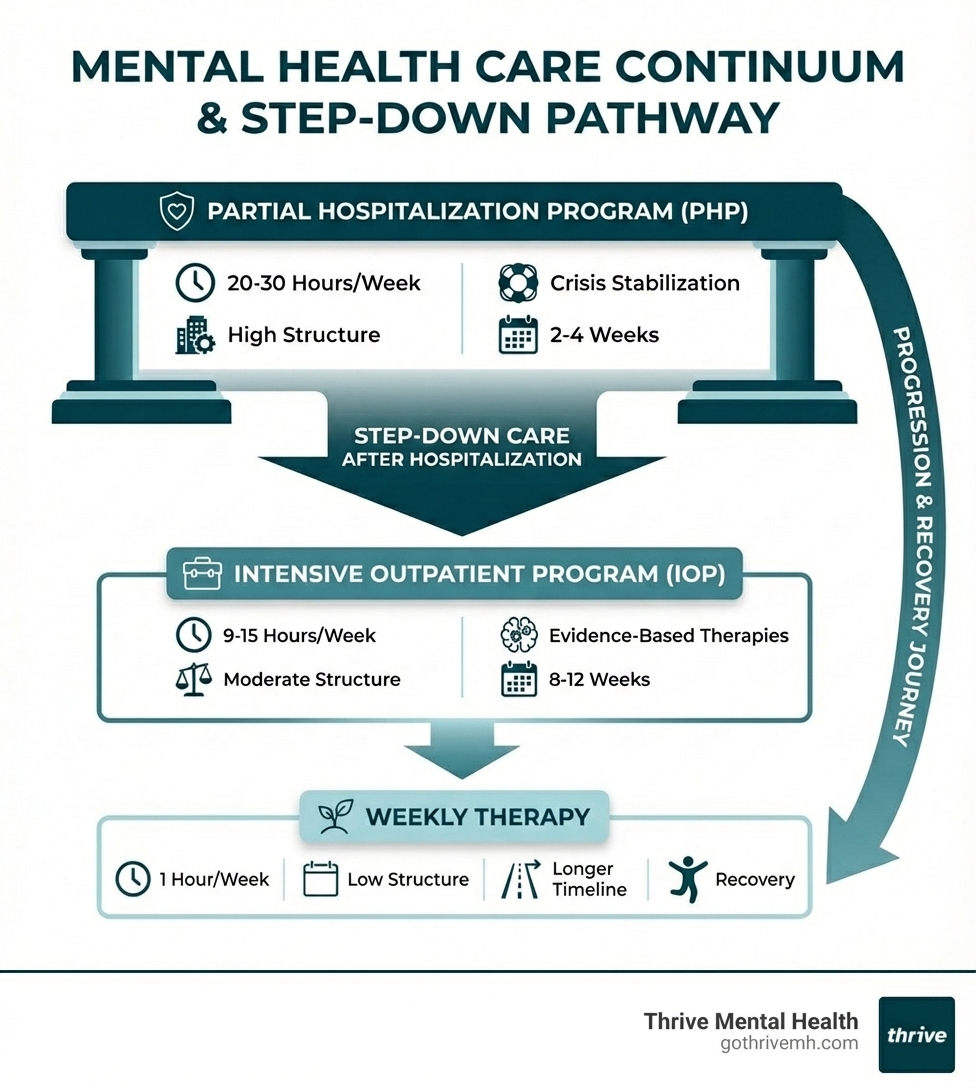
Virtual IOPs fill that gap. They provide 9-15 hours of structured, evidence-based treatment per week without requiring you to step away from your life. You get the intensity of in-person care with the flexibility to attend from home.
Research shows that virtual IOPs deliver outcomes comparable to traditional programs while eliminating barriers like commute time and geographic limitations. For many, virtual care is more effective because you practice coping skills in your real environment—not a clinic.
I’m Nate Raine, CEO of Thrive Mental Health. In this guide, I’ll walk you through what are the best virtual mental health intensive outpatient programs in 2025 and how to choose the right one for your recovery.
What are the best virtual mental health intensive outpatient programs in 2025? vocab explained:
- intensive outpatient mental health program near me
- adult intensive outpatient mental health program near me
- intensive outpatient programs for depression and anxiety near me
If you’re in crisis, call/text 988 right now. You are not alone.
What is a Virtual IOP and Why Is It Your Best Next Step?
A Virtual Intensive Outpatient Program (IOP) is a structured mental health treatment delivered online, bridging the gap between weekly therapy and inpatient care. It’s designed for those who need more support but can still live at home.
An IOP can be a “step-up” from weekly therapy when you need more intensive support or a “step-down” from inpatient care to help you transition back to daily life. The virtual format offers unparalleled flexibility, allowing you to participate from home and immediately apply new skills in your real-world environment. This direct application often leads to faster, more sustainable progress.
For a deeper dive, explore The Benefits of a Virtual Intensive Outpatient Program (VIOP).
The Best Benefits of Going Virtual
Choosing a virtual IOP addresses many common barriers to effective mental health care:
- Convenience: Attend sessions from anywhere in Florida, California, Indiana, Arizona, or South Carolina, eliminating travel time and logistical stress.
- Privacy: Receive high-quality treatment discreetly from home, free from the stigma some feel when visiting a clinic.
- No Commute: Reclaim hours each week otherwise lost to traffic, reinvesting that time in self-care, family, or work.
- Real-World Skill Application: Immediately practice new coping strategies in your daily environment, which fosters stronger, more lasting change.
- Cost-Effectiveness: Virtual IOPs are often more affordable than residential treatment. Many, like ours, are in-network with major insurance providers, further reducing costs.
- Higher Level of Support: Virtual programs offer a higher level of support than weekly therapy, providing the consistent, structured care needed for breakthroughs.
To understand the full scope of what a virtual program entails, check out our Online IOP Programs Complete Guide.
Who is a Virtual IOP Designed For?

Virtual IOPs are versatile, empowering diverse populations across Florida, California, Indiana, Arizona, and South Carolina. This model is ideal for:
- Adults Needing Intensive Support: Individuals whose symptoms of depression, anxiety, or trauma impact daily functioning but don’t require 24/7 supervision.
- Young Professionals: Those needing flexible treatment that accommodates a demanding career, helping build resilience without derailing professional life.
- College Students: Students seeking vital support that fits around class schedules, helping them develop coping skills to steer these critical years.
- Individuals with Transportation or Geographic Barriers: People in rural areas or those with transportation challenges can access expert care directly.
- Post-Residential Treatment Transition: A virtual IOP offers a crucial “soft landing” with continued structure and support after stepping down from inpatient care.
If you’ve been searching for an adult intensive outpatient mental health program near me that fits your life, a virtual IOP may be the answer.
How Virtual IOPs Work: Schedule, Therapies, and Your Clinical Team
At Thrive Mental Health, our virtual IOPs blend clinical excellence with online flexibility. The structure is robust, offering a level of intensity far beyond weekly therapy through a mix of group therapy, individual therapy, and skill-building workshops.
A typical virtual IOP requires 9 to 15 hours of commitment per week, spread across 3 to 5 days. Programs usually last 8 to 12 weeks, allowing for deep therapeutic work and sustainable skill development. Throughout your journey, a dedicated clinical team of masters-level therapists, psychiatrists, and recovery coaches provides wraparound care custom to your goals.
For a comprehensive look at the day-to-day experience, read our guide on How it Works: Virtual IOP.
What Does a Typical Virtual IOP Schedule Look Like?

Virtual IOPs are adaptable. We offer a variety of scheduling options for clients in Florida, California, Indiana, Arizona, and South Carolina to ensure treatment is accessible, not a burden.
A typical schedule involves 9-15 hours of treatment per week over 3-5 days, with options for:
- Morning, afternoon, and evening sessions to fit different lifestyles and work schedules.
A week in a virtual IOP often includes:
- Group Therapy: The core of IOP, offering a supportive community to share experiences and practice new skills.
- Individual Therapy: One-on-one sessions with your primary therapist to address personal goals.
- Skills Training Workshops: Focused sessions on modalities like DBT (mindfulness, emotion regulation) or CBT techniques.
- Psychoeducation: Learning about mental health conditions, triggers, and relapse prevention.
Most programs last 8-12 weeks, though the duration can be adjusted based on your progress. For more details, consult our Intensive Outpatient Program Duration Guide.
Evidence-Based Therapies That Get Results
Our virtual IOPs are built on evidence-based therapies—approaches proven effective in treating a wide range of mental health conditions. Our expert clinicians integrate several key modalities:
- Cognitive Behavioral Therapy (CBT): Helps identify and change unhelpful thinking patterns and behaviors. Learn more about Cognitive Behavioral Therapy (CBT).
- Dialectical Behavior Therapy (DBT): Teaches skills in mindfulness, distress tolerance, emotion regulation, and interpersonal effectiveness. Find the power of Dialectical Behavior Therapy (DBT).
- Eye Movement Desensitization and Reprocessing (EMDR): A powerful therapy to process distressing memories and reduce the emotional impact of trauma. Explore Eye Movement Desensitization and Reprocessing (EMDR).
- Group Therapy: Provides a safe environment to connect with peers, practice social skills, and realize you’re not alone.
- Individual Therapy: Allows for personalized attention and deeper exploration of specific issues with your primary therapist.
- Family Therapy: Involving family can improve communication and build a stronger support system at home.
These practical tools empower you to manage symptoms and build resilience. For a deeper understanding, see our page on Treatment Modalities: Virtual IOP.
What are the best virtual mental health intensive outpatient programs in 2025? [7 Key Features to Look For]
When searching for what are the best virtual mental health intensive outpatient programs in 2025, it’s crucial to look beyond promises. The quality of care directly impacts your recovery. Here are seven non-negotiable features to prioritize:
- Accreditation and Licensing: Verifies the program meets rigorous standards of care.
- A Full Clinical Team and Personalized Care: Ensures comprehensive, individualized treatment.
- Robust Aftercare and Alumni Support: Provides ongoing resources to maintain recovery.
- How do the best virtual mental health intensive outpatient programs in 2025 ensure privacy? Guarantees confidentiality and secure treatment.
- Measurable Outcomes: Demonstrates the program’s effectiveness through data.
- Flexible Scheduling: Accommodates your life with intensive support.
- Insurance Coverage: Makes high-quality care accessible and affordable.
Focusing on these features will help you identify a program that supports your long-term well-being. For more guidance, check out Finding Quality IOP Programs Near Me: A Guide.
1. Accreditation and Licensing
Accreditation and state licensing are the gold standards for quality and safety. They prove a program is held accountable to the highest industry benchmarks.
At Thrive Mental Health, we are proud to be Joint Commission-accredited. The Joint Commission Gold Seal of Approval is a symbol of quality reflecting a commitment to the highest performance standards. It’s a testament to our dedication to providing exceptional, evidence-based treatment, a milestone we detailed in Celebrating Our Joint Commission Accreditation: A Historic First for Mental Health Organizations.
State licensing is also critical, ensuring a program adheres to state-specific regulations. We ensure all our programs in Florida, California, Indiana, Arizona, and South Carolina meet or exceed these requirements. You can verify credentials through official state resources, like the California Health and Human Services Department’s website, for peace of mind.
2. A Full Clinical Team and Personalized Care
The best virtual IOPs provide comprehensive, personalized care from a multidisciplinary team. At Thrive Mental Health, our team includes:
- Masters-level Therapists: Licensed clinicians who lead individual and group therapy using evidence-based modalities like CBT, DBT, and EMDR.
- Psychiatrists: Provide medication management for a holistic approach to treatment.
- Recovery Coaches: Offer additional support, helping you set goals and integrate skills into daily life.
What truly sets programs apart is their commitment to individualized treatment plans. Your plan will be crafted based on a thorough assessment of your unique needs and goals. This collaborative model, known as wraparound care, ensures all team members coordinate to provide seamless, integrated support. Learn more about our approach to Wraparound Care.
3. Robust Aftercare and Alumni Support
Lasting recovery requires ongoing support. What are the best virtual mental health intensive outpatient programs in 2025 understand this and build robust aftercare and alumni programs.
At Thrive Mental Health, our aftercare planning begins during your IOP, focusing on relapse prevention and a clear roadmap for continued well-being. This includes:
- Alumni Groups: Connect with peers in a safe space to practice skills, share challenges, and celebrate successes.
- Ongoing Support Resources: Recommendations for individual therapists, local support groups (across FL, CA, IN, AZ, or SC), and digital resources.
- Relapse Prevention Planning: We work with you to identify triggers and develop personalized strategies to maintain progress.
- Community Events: Stay connected through alumni events or workshops to reinforce healthy habits.
Our commitment to aftercare empowers you with the resources to sustain your mental health gains. For more strategies, explore Building Resilience: Online Coping Strategies for Long-Term Mental Health.
4. How do the best virtual mental health intensive outpatient programs in 2025 ensure privacy?
Privacy and security are paramount. When evaluating what are the best virtual mental health intensive outpatient programs in 2025, confirm their commitment to confidentiality.
At Thrive Mental Health, we safeguard your information through:
- HIPAA Compliance: We are fully HIPAA compliant, following strict protocols for protecting your sensitive health information. Our HIPAA Compliant Online Therapy practices ensure your data is always protected.
- Secure Video Platforms: We use encrypted video platforms designed for healthcare to prevent unauthorized access to your sessions.
- Confidentiality Agreements: Our team is bound by strict confidentiality agreements, reinforcing their legal and ethical obligation to protect your privacy.
- Data Protection: All electronic health records and communications are secured with robust cybersecurity measures.
We are committed to creating a safe, confidential space for your healing. You can review our Privacy Policy to understand how your data is handled.
Getting Started: Your Path to a Virtual IOP
Taking the first step toward a virtual IOP is straightforward at Thrive Mental Health. We’ve streamlined the process to be as supportive as possible, so you can focus on recovery in Florida, California, Indiana, Arizona, and South Carolina. The journey includes a simple intake, a thorough assessment, and insurance verification.
We believe in transparency, ensuring that by the time you begin, you feel prepared and confident. For a detailed overview, our guide on Navigating Your Journey: What to Expect from a Virtual Intensive Outpatient Program is an excellent resource.
The Simple 3-Step Intake and Assessment Process
Our intake process is designed to get you the right support quickly:
- Initial Call: Your journey begins with a confidential phone call. Our admissions team will listen to your needs, answer questions, and gather basic information to see how we can best support you.
- Clinical Assessment: Next is a comprehensive assessment with an experienced clinician to understand your mental health history, current symptoms, and treatment goals. This is crucial for tailoring a program to your needs.
- Personalized Plan Creation: Based on your assessment, our team collaborates with you to develop a personalized treatment plan. This roadmap outlines your therapeutic goals, recommended modalities, and schedule.
We prioritize your comfort and ensure all questions are answered. Ready to start the conversation? Contact Us today.
Does Insurance Cover Virtual IOP? [The Answer is Yes]
Yes! The landscape of mental health care has evolved, and most major insurance providers now recognize the value and efficacy of virtual IOPs.
At Thrive Mental Health, we are committed to making our programs accessible. We are in-network with a wide range of leading insurance providers across Florida, California, Indiana, Arizona, and South Carolina, which significantly reduces your out-of-pocket expenses.
Some of the major providers we work with include:
- Aetna
- Cigna
- Florida Blue
- UnitedHealthcare
- Optum
- And many others!
Verifying your coverage is a simple, crucial step. Our team can assist you with this process to help you understand your benefits. We believe financial barriers should not prevent anyone from accessing care, and we strive to be at the forefront of this accessibility.
Don’t let cost concerns hold you back. We encourage you to verify your insurance benefits with us. It’s a quick, confidential process. For more information, visit our Virtual IOP Insurance page.
Frequently Asked Questions about Virtual IOPs
Here are some common questions we hear about virtual Intensive Outpatient Programs.
Is virtual IOP as effective as in-person treatment?
Yes. Research and real-world outcomes confirm that virtual IOPs are just as effective as in-person programs for many mental health conditions. They provide the same evidence-based therapies and structured support, with the added benefit of applying skills in your real-life environment. For example, research published in PMC has shown comparable outcomes, highlighting the efficacy of tele-mental health services. Link to study.
What conditions do virtual IOPs treat?
Virtual IOPs are designed to treat a wide range of mental health conditions. Our programs at Thrive Mental Health effectively support individuals struggling with:
- Depression
- Anxiety disorders
- Trauma and PTSD
- Certain substance use disorders
- Co-occurring disorders (experiencing both a mental health and substance use disorder)
If you’re experiencing significant distress due to these or other challenges, a virtual IOP could be an ideal fit.
How much does a virtual IOP cost?
The cost of a virtual IOP varies, but it is generally more affordable than residential treatment. Crucially, most high-quality virtual IOPs, like those at Thrive Mental Health, are in-network with major insurance providers. This means a significant portion of the cost is often covered, making treatment much more accessible. We work with Aetna, Cigna, Florida Blue, UnitedHealthcare, Optum, and many others across Florida, California, Indiana, Arizona, and South Carolina. We encourage you to verify your insurance benefits to understand your out-of-pocket expenses.
Your Recovery Can’t Wait: Take the Next Step Today
Choosing the right virtual IOP means choosing recovery without putting your life on hold. It’s a flexible, effective path that blends expert clinical care with the convenience of at-home treatment, helping you build skills for lasting mental wellness.
Thrive Mental Health provides Joint Commission-accredited virtual IOPs designed for adults and young professionals across Florida, California, Indiana, Arizona, and South Carolina. Our programs are built on clinical excellence, personalized care, and measurable results. We’re here to support you in building a stronger, healthier future.
Ready for support? Thrive offers virtual and hybrid IOP/PHP programs with evening options. Verify your insurance in 2 minutes (no obligation) → Start benefits check or call 561-203-6085. If you’re in crisis, call/text 988.