
How to Reduce Anxiety: 5 Bilateral Stimulation Methods That Work

Bilateral stimulation techniques for anxiety: 5 Fixes
Why Your Brain Needs Bilateral Stimulation to Break Free from Anxiety
If you’re in crisis or having thoughts of self-harm, call or text the 988 Suicide & Crisis Lifeline. You are not alone.
Bilateral stimulation techniques for anxiety are rhythmic, side-to-side methods that calm your nervous system by engaging both brain hemispheres—and they can provide relief in minutes.
Quick Answer: 5 Bilateral Stimulation Techniques for Anxiety
- Butterfly Hug – Cross arms over chest, tap shoulders alternately
- Eye Movements – Follow finger or object slowly left to right
- Alternating Tapping – Tap knees or thighs in a rhythmic pattern
- Bilateral Sounds – Listen to alternating tones through headphones
- Mindful Walking – Focus on the left-right step pattern while walking
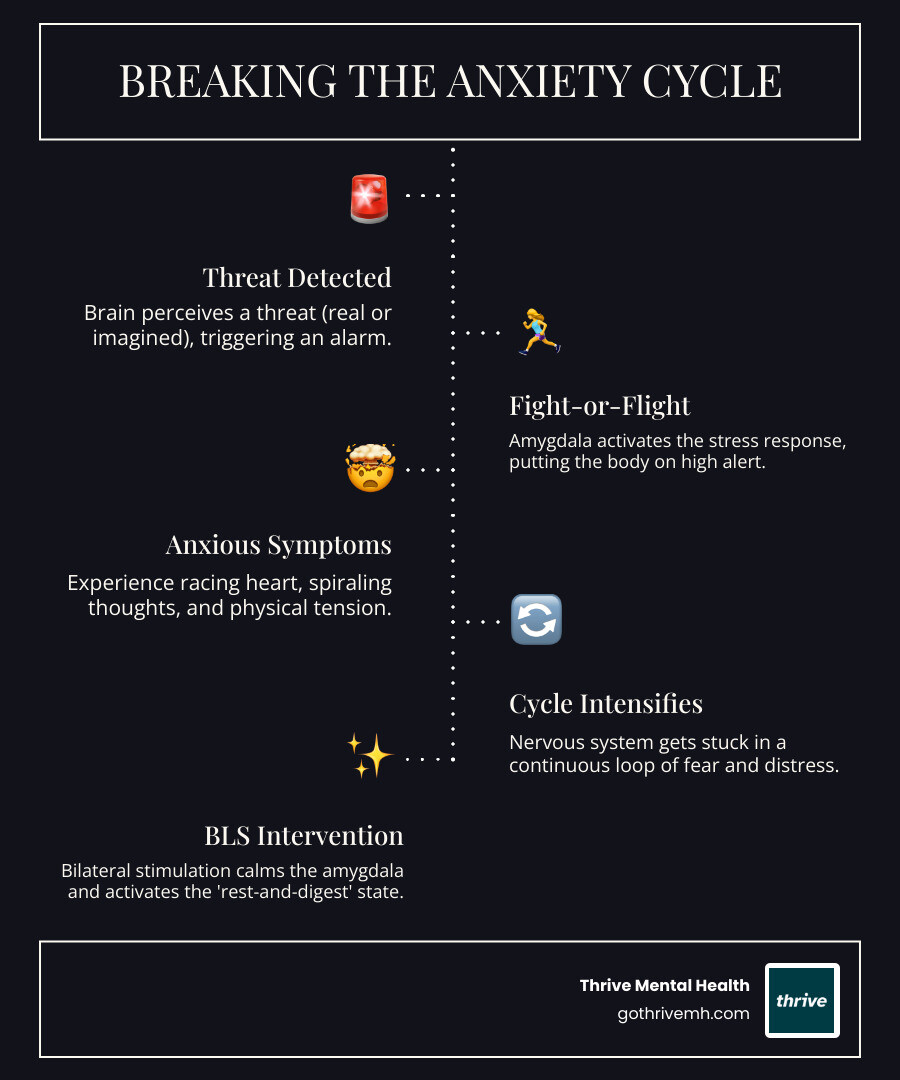
Anxiety isn’t just in your head—it hijacks your entire nervous system. When the fight-or-flight response takes over, your heart races, thoughts spiral, and your body gets locked in high alert. That’s why advice like “just breathe” often falls flat; you’re dealing with a nervous system problem, not just a mindset issue.
That’s where bilateral stimulation comes in. These science-backed techniques work by alternately activating the left and right sides of your brain, similar to what happens during REM sleep. Research shows this can deactivate the amygdala (your brain’s alarm system), engage your body’s rest-and-digest mode, and help you regain control when anxiety strikes.
The best part? Most of these methods take less than five minutes and can be done anywhere.
I’m Nate Raine, CEO of Thrive Mental Health. For over a decade, I’ve focused on integrating evidence-based methods like bilateral stimulation into real-world treatment. At Thrive, we’ve seen these techniques—especially within our IOP or PHP programs—transform our clients’ ability to manage anxiety and reclaim their lives.
What Is Bilateral Stimulation and How Does It Shut Down Anxiety?
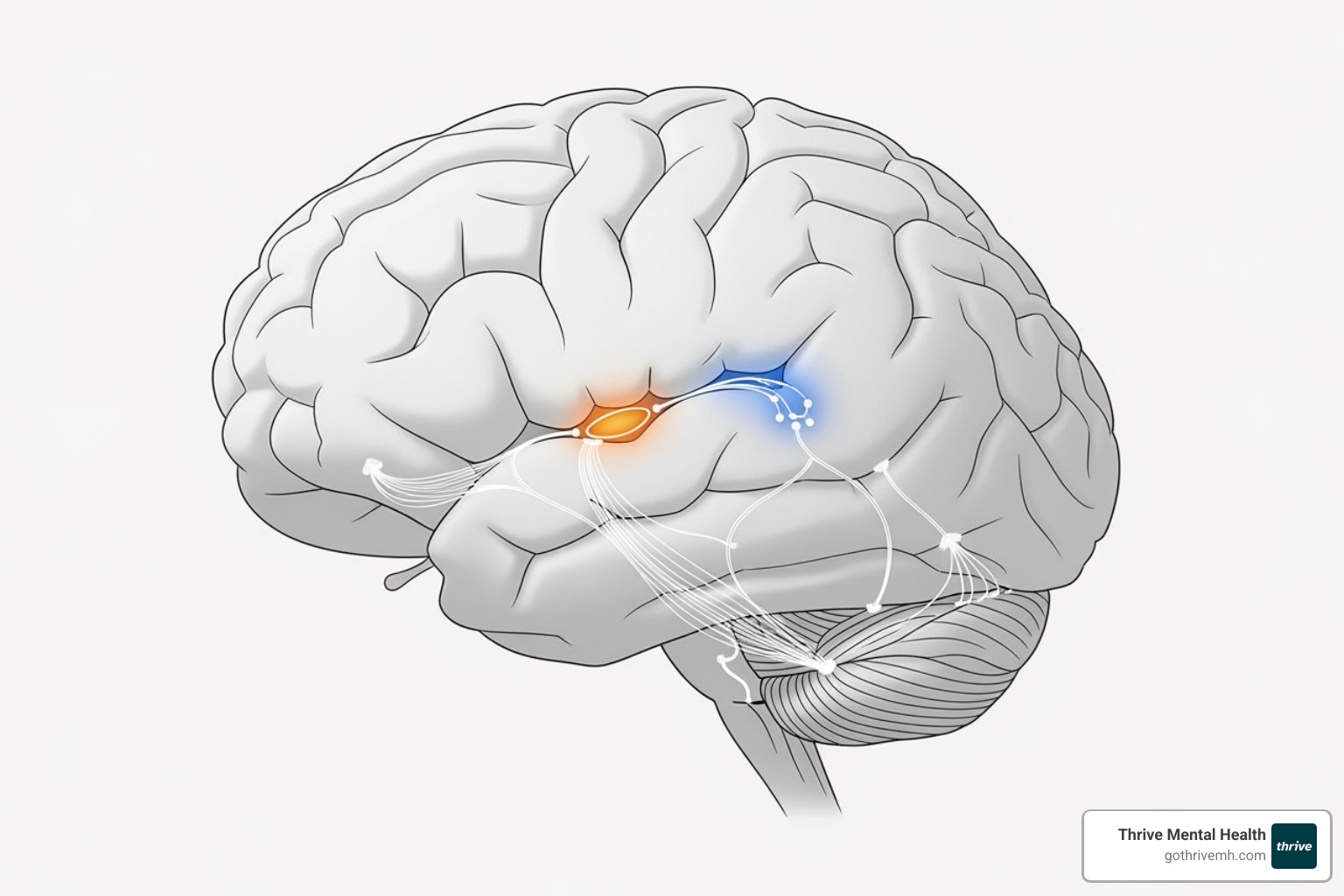
Bilateral stimulation (BLS) is a rhythmic, side-to-side input that engages both hemispheres of your brain. Imagine a gentle internal ping-pong game, where stimulation alternates between your left and right sides. This back-and-forth isn’t just a distraction—it’s a powerful reset for your nervous system.
You can create this effect in three main ways: visually (eye movements), auditorily (alternating sounds), or tactilely (tapping alternate sides of your body). Each method activates the same core brain process, so you can choose what feels most natural.
The Science Behind the Calm: How BLS Affects Your Brain
When anxiety takes over, your amygdala—the brain’s alarm system—gets stuck in overdrive. It fires constant warning signals, trapping you in a state of hyper-vigilance where you can’t relax or think straight.
Bilateral stimulation techniques for anxiety help deactivate this overactive amygdala. Research using near-infrared spectroscopy found that BLS significantly increases activation in brain regions linked to memory processing. This isn’t surface-level relaxation—it’s deep cognitive rewiring.
BLS works by activating your parasympathetic nervous system—the “rest-and-digest” mode that counters the fight-or-flight response. This calming effect on the brain and nervous system slows your heart rate, releases muscle tension, and signals to your body that it’s safe to stand down.
At the same time, BLS improves communication between your brain’s hemispheres, helping you process emotional information more effectively. This is because BLS mimics what happens during REM sleep, when your brain naturally processes emotional experiences. Our research at Thrive explores How Bilateral Stimulation Calms the Nervous System by tapping into this innate healing mechanism while you’re awake.
Evidence also suggests bilateral stimulation may boost serotonin and dopamine, neurotransmitters linked to well-being. This neurochemical shift helps explain why many people feel calmer within minutes. The real power of BLS is that it helps your brain reprocess information and build new neural pathways, creating a more resilient nervous system over time.
5 Proven Bilateral Stimulation Techniques for Anxiety Relief
You don’t need a therapist’s office to calm your nervous system. These self-administered bilateral stimulation techniques for anxiety ground you in the present, interrupt anxious thoughts, and shift your body out of fight-or-flight mode. Most require only your hands and a few minutes.
The Butterfly Hug, Alternating Tapping, and Mindful Walking need no equipment. For Simple Eye Movements, you just need your finger, and for Bilateral Sounds, a pair of headphones.
1. The Butterfly Hug (Tactile)
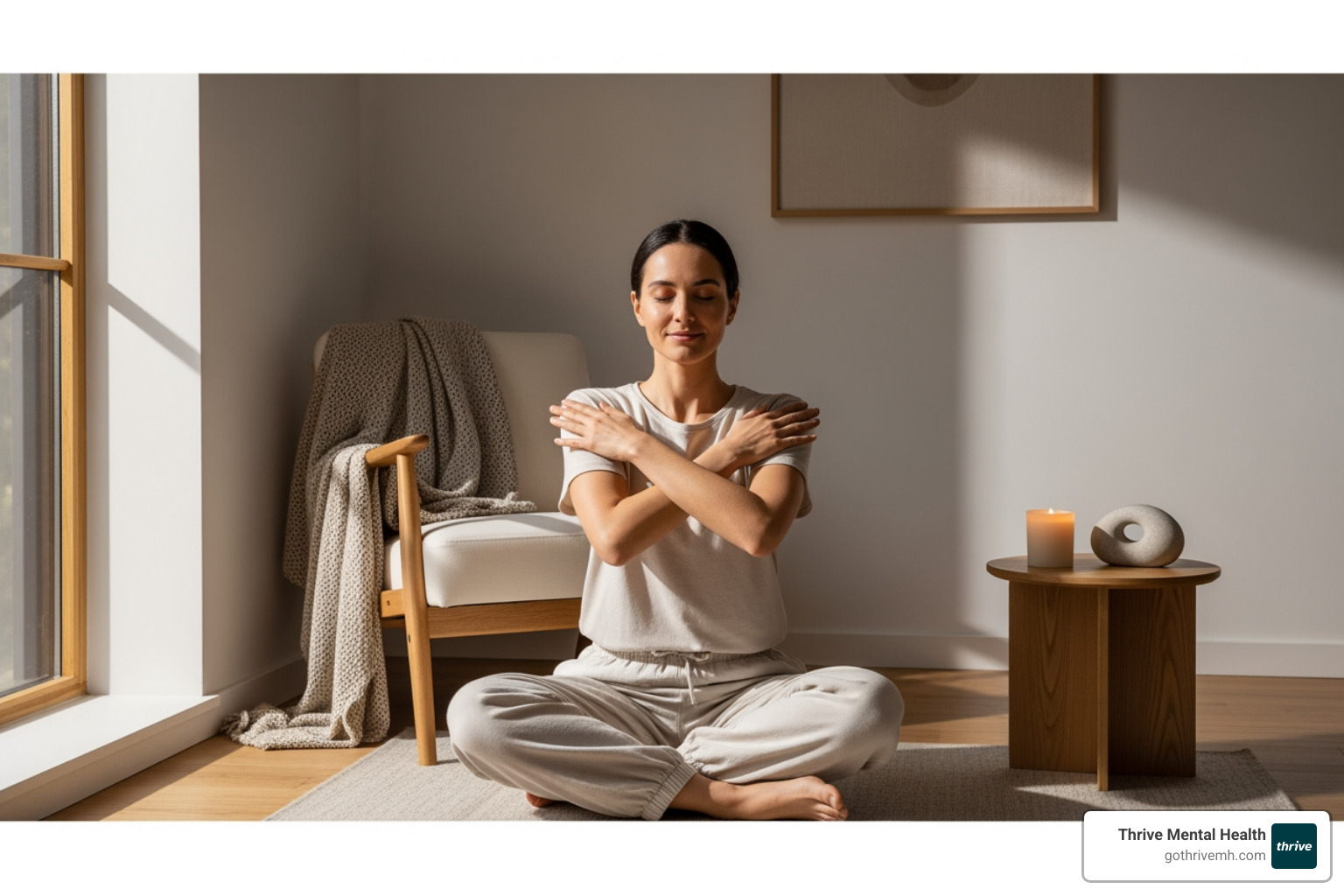
The Butterfly Hug is a powerful self-soothing technique that uses gentle, tactile stimulation to release physical tension and create an immediate sense of safety.
Here’s how it works: Cross your arms over your chest and place each hand on the opposite shoulder or upper arm. Interlock your thumbs if comfortable. Gently tap your hands on your shoulders in an alternating rhythm, like a butterfly flapping its wings. Slow and steady.
As you tap, breathe deeply and focus on the rhythmic sensation. Continue for one to five minutes, or until you feel your body settle. The physical contact and bilateral rhythm send powerful calming signals to your nervous system. This technique fits perfectly within Somatic Therapy for Anxiety approaches, which recognize that stress lives in the body.
2. Simple Eye Movements (Visual)
While full EMDR therapy requires a professional, you can use a simplified version of its eye movements to reduce the intensity of looping anxious thoughts.
Start by sitting comfortably and holding your index finger about 12 to 18 inches from your face. Keep your head still and slowly move your finger from left to right, following it smoothly with your eyes. The pace should be slow and deliberate.
Continue for 30 to 60 seconds, then pause. Repeat for five to ten minutes. As you move your eyes side to side, you’re helping your brain reprocess information and reduce the emotional charge of distressing thoughts. While self-guided eye movements help with daily anxiety, structured EMDR Therapy with a professional is needed for deeper trauma.
3. Alternating Tapping (Tactile)
This discreet technique offers a simple anchor when anxiety makes you feel restless. You can use it anywhere without drawing attention.
Sit with both feet on the floor and start tapping your left knee, then your right knee, in a steady rhythm. You can use your hands or just alternate tapping your feet. Focus entirely on the physical sensation of each tap to redirect your brain from anxious spiraling.
You can also tap your thighs or upper arms. Maintain a comfortable pace for one to five minutes, or until you feel your nervous system settle. This physical grounding is especially helpful for body-based symptoms like trembling. We cover more strategies for this on our page about How Can I Stop Anxiety Shakes Immediately?
4. Bilateral Sounds (Auditory)
Auditory bilateral stimulation uses alternating sounds—like music panning left to right or specific tones—to engage both brain hemispheres and regulate your nervous system through your ears.
Put on a pair of headphones and find a bilateral audio track online or in a meditation app. As you listen, the sound will shift from your left ear to your right. If using binaural beats, choose frequencies in the alpha wave range for relaxation.
Let your attention follow the sound as it moves. This auditory input works similarly to other methods but can feel less effortful, making it perfect for winding down before sleep. Our article on From EMDR to Daily Regulation: Bringing Bilateral Stimulation into Everyday Life explores how to weave these techniques into your daily routine.
5. Mindful Walking (Kinesthetic)
Mindful walking turns a simple, natural movement into a powerful bilateral stimulation practice that calms your nervous system.
Find a safe space to walk. As you begin, bring your full attention to the sensation of each foot touching the ground. Notice the natural left-right rhythm of your steps, perhaps mentally noting “left, right” to stay present.
Pay attention to your whole body—how your arms swing, how your weight shifts. This isn’t about speed; it’s about awareness and rhythm. Even five minutes of mindful walking can shift you from anxious to grounded. By bringing conscious attention to this natural rhythm, you’re tapping into your body’s innate ability to self-regulate.
When to Use Professional Help: The Role of BLS in EMDR Therapy
While self-administered bilateral stimulation techniques for anxiety are powerful for daily management, you need professional support for trauma, severe anxiety, or PTSD. Working with a trained therapist is essential for your safety and healing.

The most well-known therapeutic application of BLS is Eye Movement Desensitization and Reprocessing (EMDR). This evidence-based therapy uses bilateral stimulation to help your brain reprocess traumatic memories and reduce their emotional grip.
Research backing EMDR is substantial. A review of 494 studies found it highly effective for post-traumatic stress. In fact, studies show that PTSD reduction through EMDR can be dramatic, with many patients finding relief faster than with traditional talk therapy.
Why a Therapist is Crucial for EMDR
EMDR is more than just eye movements; it’s a structured, eight-phase treatment requiring clinical expertise. Attempting to process deep trauma alone with BLS can backfire, leading to feeling overwhelmed, re-traumatized, or dissociated.
A trained EMDR therapist creates a safe container for healing, guiding you at a pace your nervous system can handle. They keep you within your “window of tolerance,” where you can process difficult emotions without becoming overwhelmed. Your therapist manages the intense emotional responses that can surface, adjusting the BLS based on your real-time reactions to ensure the process remains therapeutic and safe.
Beyond BLS, EMDR involves installing new, adaptive beliefs to replace negative ones created by trauma. Your therapist helps you integrate these healthier perspectives, building new neural pathways for resilience. To understand how these approaches compare, explore our article on EMDR vs CBT for Anxiety.
At Thrive Mental Health, we integrate EMDR into our Intensive Outpatient (IOP) and Partial Hospitalization (PHP) programs throughout Florida. Our expert-led virtual and in-person programs provide accessible care across the state. We work with major insurance providers like Cigna, Optum, and Florida Blue and offer evening programs to fit your schedule.
Is Bilateral Stimulation Safe? Precautions and Best Practices
For most people with everyday stress and mild anxiety, self-administered bilateral stimulation techniques for anxiety are safe and effective. However, they aren’t one-size-fits-all, and it’s important to approach them with awareness.
When to Be Cautious
Be cautious if you have a history of trauma, PTSD, or dissociation. BLS can sometimes bring up overwhelming emotions or memories, or intensify feelings of detachment. If you experience heightened anxiety, sadness, or other strong feelings, it’s a sign you need professional support rather than self-help.
Best Practices for Safe Self-Use
To try these techniques safely and effectively, follow these best practices:
- Start small: Begin with just one to two minutes and gradually increase the duration as you get comfortable.
- Find a calm space: Use a quiet, private area where you feel safe and won’t be interrupted.
- Listen to your body: If you feel overwhelmed, dizzy, or distressed, gently stop. Pausing is a sign of healthy self-awareness.
- Focus on neutral sensations: Pay attention to the physical feeling of the technique rather than difficult memories. You can also pair it with a calming image or thought.
- Be consistent: Regular practice helps your nervous system become more regulated and resilient over time.
- Know your limits: Self-help is for mild anxiety. If it’s not enough or makes things worse, it’s a sign you need a higher level of care.
At Thrive Mental Health, we understand that sometimes you need more than self-help. Our Virtual Therapy for Anxiety programs are available across Florida, offering accessible, expert-led care from anywhere in the state. Our virtual and hybrid IOP and PHP programs provide the structured support that makes lasting change possible.
Frequently Asked Questions about Bilateral Stimulation
Can I do bilateral stimulation on my own?
Yes, for everyday stress and mild anxiety, self-administered techniques like the butterfly hug are safe and effective. However, for processing trauma, PTSD, or severe anxiety, you must work with a trained therapist to avoid becoming overwhelmed or re-traumatized.
How is this different from meditation?
Meditation typically focuses on still awareness, observing thoughts without judgment. Bilateral stimulation actively engages both brain hemispheres with rhythmic input (tapping, eye movements) to help the brain reprocess information and regulate the nervous system, similar to what happens in REM sleep.
How quickly does bilateral stimulation work for anxiety?
Many people feel a calming effect within minutes. For long-term resilience, consistent practice is key. The benefits are often cumulative, helping to lower your baseline anxiety over time.
Does bilateral stimulation actually help anxiety?
Yes, a growing body of research shows it can reduce anxiety and trauma-related symptoms. While not a cure-all, it’s a powerful tool. At Thrive Mental Health, we integrate bilateral stimulation techniques for anxiety into our IOP and PHP programs because we’ve seen their effectiveness when combined with comprehensive care.
Who should avoid bilateral stimulation without professional guidance?
If you have a history of severe trauma, PTSD, dissociative disorders, active substance abuse, or certain neurological conditions (like seizures), consult a professional first. A therapist can ensure the techniques are applied safely and custom to your needs. Our team at Thrive offers virtual and in-person programs across Florida, with coverage options through insurers like Cigna, Optum, and Florida Blue.
Conclusion: Take Control of Your Anxiety Today
Anxiety doesn’t have to run your life. The bilateral stimulation techniques for anxiety in this guide are science-backed tools you can use right now to calm your nervous system. While methods like the Butterfly Hug are powerful for managing daily stress, they may not be enough for severe anxiety, trauma, or PTSD. If self-help isn’t working, it’s not a failure—it’s a sign that you need a higher level of support to heal.
At Thrive Mental Health, our Intensive Outpatient (IOP) and Partial Hospitalization (PHP) programs in Florida integrate powerful techniques like bilateral stimulation within a comprehensive, evidence-based framework. We offer virtual and hybrid programs with flexible evening options across the state, so you can get expert-led care that fits your life. We also work with major insurance providers including Cigna, Optum, and Florida Blue. You can explore how Cognitive Behavioral Therapy: A Deep-Dive into How It Battles Anxiety and Depression works alongside other modalities in our programs.
Ready for support? Thrive offers virtual and hybrid IOP/PHP programs with evening options. Verify your insurance in 2 minutes (no obligation) → https://gothrivemh.com/verify-insurance/ or call 561-203-6085. If you’re in crisis, call/text 988.
Reviewed by Anna Green, LMHC, LPC, Chief Clinical Officer at Thrive Mental Health. Anna is licensed in Florida (MH23391), Indiana, South Carolina, North Carolina, and Arizona, and was named to Women We Admire's Top 50 Women Chief Clinical Officers of 2025.
This article is for informational purposes only and is not a substitute for individualized clinical advice or specific insurance verification.