
Are You Traumatized? Key Signs of Emotional Trauma in Adults

That “Check Engine” Light in Your Soul
If you or someone you know is struggling or having thoughts of suicide, call or text the 988 Suicide & Crisis Lifeline at 988 or chat at 988lifeline.org. In life-threatening situations, call 911.
Signs of emotional trauma in adults can show up in ways you might not expect—like persistent anxiety, unexplained physical pain, relationship struggles, or feeling emotionally numb even when life looks “fine” on the outside. These reactions aren’t weakness. They’re your body and mind signaling that something needs attention.
Common signs of emotional trauma in adults include:
- Emotional: Persistent anxiety, fear, anger, guilt, shame, or feeling emotionally “shut down”
- Physical: Chronic fatigue, sleep problems, unexplained aches, digestive issues, racing heart
- Behavioral: Avoiding reminders of the past, withdrawing from people, substance use, difficulty trusting others
- Cognitive: Trouble concentrating, memory gaps, intrusive thoughts, flashbacks, negative self-view
Life’s challenges can leave deep impressions on our emotional well-being—often in ways we don’t notice right away. Research shows that 70% of adults have experienced at least one traumatic event, yet many don’t connect their current struggles with past experiences. Emotional trauma’s impact can be like an iceberg: most of its mass is hidden beneath the surface of daily life. You might feel “off” or stuck without understanding why. That’s your internal check engine light.
Recognizing these hidden symptoms is the first step toward healing. As Nate Raine, CEO of Thrive Mental Health, I’ve spent over a decade building systems that connect clinical care with real-world outcomes, and I’ve seen how identifying the signs of emotional trauma in adults opens the door to evidence-based treatment that works. This article will walk you through what to look for, what it means, and what you can do about it.
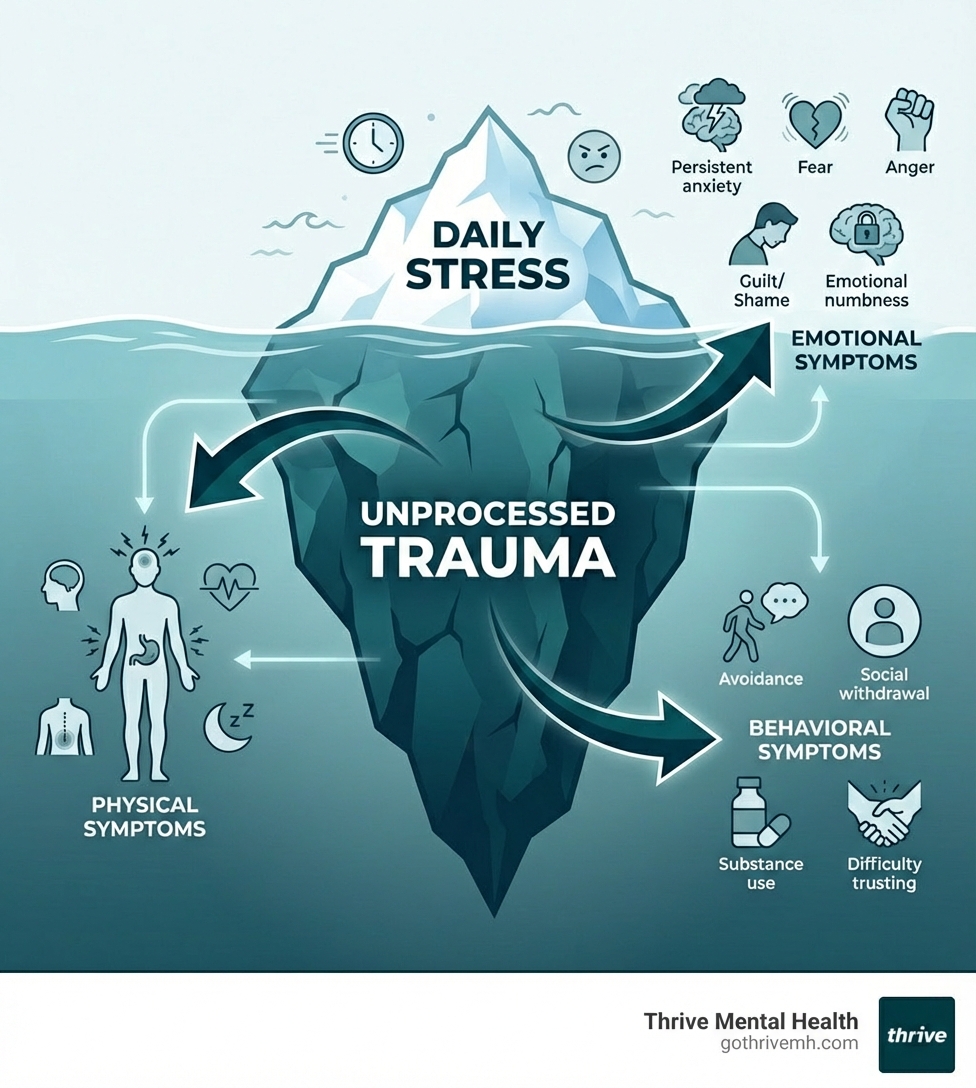
Terms related to signs of emotional trauma in adults:
Is It Just Stress, or Is It Trauma? [What You Need to Know]
Stress is a part of life, but trauma is different. It’s not just a bad day; it’s a response to an event so distressing it shatters your sense of security and overwhelms your ability to cope. Also known as psychological trauma, it’s an injury that leaves a lasting imprint on your emotional, psychological, and even physical well-being. Traumatic experiences can have a profound impact on every aspect of our lives.
Everyday stress fades. Trauma sticks. It can lock your nervous system into a permanent “fight-or-flight” mode, leaving you on high alert for danger even when you’re safe. This constant state of arousal is the key difference between stress and trauma, and it’s why recognizing the signs of emotional trauma in adults is the first step toward resetting your system.
‘Big T’ vs. ‘Little t’ Trauma
When we talk about trauma, it’s important to understand that it comes in many forms. Experts often categorize traumatic events into “Big T” and “Little t” traumas, acknowledging that the impact isn’t always tied to the objective severity of the event, but rather our subjective experience of it.
‘Big T’ Traumas typically refer to major, life-threatening events that are universally recognized as deeply distressing. These can include:
- Combat exposure or war
- Physical or sexual assault
- Natural disasters (e.g., hurricanes in Florida)
- Serious accidents (e.g., car crashes)
- Witnessing violence or death
- Terrorist attacks
- Kidnapping or torture
- Life-threatening medical diagnoses
These events fundamentally shake our sense of safety and control, leaving us with a lasting sense of vulnerability.
On the other hand, ‘Little t’ Traumas are often dismissed as less severe, but their cumulative impact can be just as profound. These are emotionally distressing events that, while not life-threatening, overwhelm an individual’s coping capacity, especially if they are repetitive or occurred during formative years. Examples include:
- Bullying or social exclusion
- Emotional or verbal abuse
- Neglect (physical or emotional)
- The loss of a pet or a significant friendship
- Parental divorce or family conflict
- Job loss or significant financial stress
- Relocation or other major life changes
- Medical procedures (especially in childhood)
- Witnessing less severe but still disturbing incidents
The key distinction is that any event, “big” or “little,” can be traumatic if it overwhelms your ability to cope. Unprocessed “little t” traumas can accumulate, leading to complex emotional issues and a heightened risk of developing more severe symptoms later in life. For a deeper dive into understanding trauma, explore our Beginners Guide to Understanding Trauma.
What Are the Signs of Emotional Trauma? [3 Categories You Can’t Ignore]
Trauma’s fallout isn’t always immediate. The signs of emotional trauma in adults can surface years later, leaving you feeling stuck, broken, or confused without knowing why. These symptoms aren’t a personal failure—they are your body’s alarm system, screaming that a past injury needs healing. Recognizing these patterns is the first step to shutting off the alarm and starting to recover.
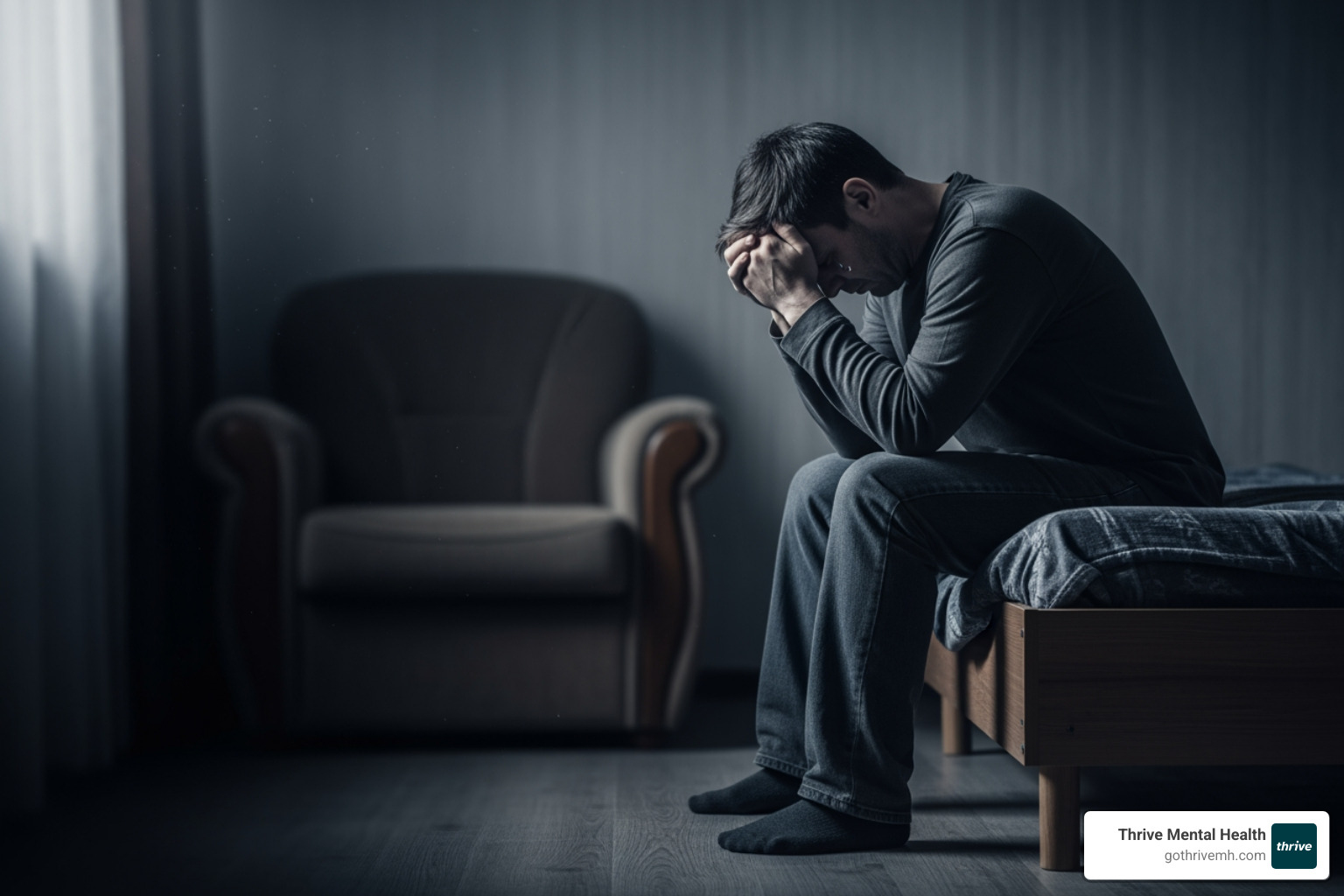
Emotional and Psychological Signs of Emotional Trauma in Adults
Trauma rewires your emotional world. It can feel like you’re living in a constant state of emergency or like you’re watching your own life from a distance. These are not just “bad moods”—they are direct psychological responses to an overwhelming experience.
Here are some common emotional and psychological signs of emotional trauma in adults:
- Anxiety and Fear: A pervasive sense of unease, constant worry, or hypervigilance (always being on guard). You might experience panic attacks, characterized by sudden, intense fear, a pounding heart, and shortness of breath.
- Depression and Hopelessness: Persistent sadness, loss of interest in activities you once enjoyed, low energy, and feelings of despair. Trauma can be a significant precursor to depression, with many people experiencing both simultaneously. For more information, see our page on Depression Symptoms.
- Irritability and Anger Outbursts: Feeling easily agitated, having a short temper, or experiencing sudden, intense bursts of anger that feel disproportionate to the situation.
- Guilt and Shame: Blaming yourself for what happened, feeling unworthy, or carrying a heavy burden of shame, even if the event was not your fault.
- Emotional Numbness and Detachment: Feeling disconnected from your emotions, from others, or from your own body. You might feel “flat,” unable to experience joy or sadness fully. This can also manifest as feeling detached from reality or as if life isn’t real (derealization) or feeling outside of your body (depersonalization).
- Difficulty Concentrating and Memory Problems: Struggling to focus, making decisions, or experiencing gaps in memory related to the traumatic event or other parts of your life.
- Negative Self-View: Persistent negative thoughts about yourself (“I am bad,” “I am broken”) or the world (“No one can be trusted,” “The world is dangerous”).
These internal struggles can be incredibly isolating, but understanding that they are common signs of emotional trauma in adults is the first step toward finding relief.
Physical Symptoms: How Your Body Holds Trauma
Your body keeps the score. Unprocessed trauma doesn’t just live in your memories; it gets trapped in your nervous system, keeping you in a constant state of “fight-or-flight.” This is why you feel exhausted, sick, and sore for no apparent reason.
Common physical signs of emotional trauma in adults include:
- Chronic Fatigue: Persistent exhaustion that isn’t relieved by rest, often linked to the body’s ongoing stress response.
- Sleep Disturbances: Insomnia, difficulty falling or staying asleep, and frequent nightmares related to the trauma or general distress.
- Unexplained Aches and Pains: Chronic headaches, back pain, muscle tension, or other body aches without a clear medical cause.
- Digestive Issues: Stomach pain, irritable bowel syndrome (IBS), nausea, or other gastrointestinal problems.
- Racing Heart and Rapid Breathing: Feeling your heart pound or struggling to catch your breath, especially when triggered or anxious.
- Being Easily Startled (Hyperarousal): A heightened startle response to sudden noises or movements, reflecting a nervous system constantly on alert.
- Hypervigilance: Feeling constantly on guard, scanning your environment for potential threats.
- Anxiety Shakes or Trembling: Involuntary shaking or trembling, particularly during moments of stress or anxiety. If you’re experiencing anxiety shakes, you might find our guide on How Can I Stop Anxiety Shakes Immediately? helpful.
Harvard research indicates that untreated trauma can increase your risk of serious physical health issues like obesity, heart attack, diabetes, cancer, and stroke. Your body is sending clear signals that it needs support to heal.
Behavioral Changes: The Outward Signs of Emotional Trauma in Adults
When you’re hurting inside, your behavior changes to protect you. You might start avoiding people, numbing out with substances, or struggling to trust those closest to you. These aren’t character flaws; they are survival strategies that have outlived their purpose.
Here are some common behavioral signs of emotional trauma in adults:
- Avoidance of Triggers: Actively staying away from places, people, activities, or conversations that remind you of the traumatic event. This can severely limit your life.
- Social Withdrawal and Isolation: Pulling away from friends, family, and social activities, leading to feelings of loneliness and detachment.
- Loss of Interest in Hobbies: No longer enjoying activities that once brought you pleasure.
- Substance Use: Turning to alcohol, drugs, or other substances to numb painful emotions, escape intrusive thoughts, or cope with anxiety and sleep problems.
- Changes in Eating Habits: Significant increases or decreases in appetite, or developing disordered eating patterns as a way to regain control or cope with emotions.
- Relationship Difficulties: Struggling to form or maintain close relationships, experiencing difficulty with intimacy, trust issues, or being overly sensitive to perceived slights. Trauma can deeply impact how we interact with others, influencing our attachment styles and creating patterns like people-pleasing or fawning to avoid conflict.
- Self-Destructive Behaviors: Engaging in actions that harm yourself, either directly (e.g., self-harm) or indirectly (e.g., reckless driving, risky sexual behavior).
These behavioral shifts are often an attempt to manage overwhelming internal states. Recognizing them as signs of emotional trauma in adults is a critical step toward understanding yourself or a loved one and seeking appropriate support.
The Long-Term Cost: How Unprocessed Trauma Wrecks Relationships and Well-Being

The unseen weight of unprocessed emotional trauma can subtly, yet powerfully, erode the foundations of our lives. It doesn’t just affect our internal state; it deeply impacts our connections with others and our overall well-being.
One of the most heartbreaking costs of trauma is its effect on relationships. Trauma can make us fearful of intimacy, lead to profound trust issues, and create difficulty with emotional connection. We might unintentionally push loved ones away or struggle with patterns like fawning or codependency. Our How Abandonment Trauma Influences Your Relationships article explores this further. This erosion of trust and intimacy can leave us feeling profoundly alone, even when surrounded by people.
Beyond relationships, unprocessed trauma often manifests in career struggles, making it difficult to concentrate, maintain focus, or engage in meaningful work. It can also lead to a cascade of co-occurring mental health disorders. While Post-Traumatic Stress Disorder (PTSD) is a well-known outcome, many individuals with trauma also experience anxiety disorders, major depression, and substance use disorders. In fact, research shows that over 75 percent of people with PTSD have co-occurring mental health disorders like major depression or anxiety.
The impact extends to our physical health too. The chronic stress of unresolved trauma keeps our bodies in a constant state of alert, leading to inflammation, hormonal imbalances, and a weakened immune system. As mentioned earlier, Harvard research indicates that untreated trauma can increase your risk of obesity, heart attack, diabetes, cancer, and stroke. The long-term costs are significant, affecting our physical vitality, mental clarity, and emotional resilience.
[CALLOUT BOX] In Crisis? You Are Not Alone.
If you are feeling hopeless or thinking about self-harm, please call or text 988 immediately to connect with a trained crisis counselor. Help is available 24/7.
You Don’t Have to Live This Way: When and How to Get Help
Recognizing the signs of emotional trauma in adults is a courageous and significant first step. The next, equally vital step, is seeking help. You don’t have to carry this burden alone, and you don’t have to live with its debilitating effects.
We encourage you to seek professional support if you find that the signs of emotional trauma in adults are:
- Impacting your daily life, relationships, or work.
- Making you feel persistently “stuck” or unable to move forward.
- Leading to overwhelming emotions, mood swings, or a sense of detachment.
- Causing you to rely on unhealthy coping mechanisms like substance use.
- Persisting for months after the traumatic event.
Professional support is key. Look for licensed therapists, psychologists, psychiatrists, or social workers who specialize in trauma. They possess the expertise and tools to guide you through the healing process safely and effectively. At Thrive Mental Health, our team of expert clinicians specializes in trauma-informed care for adults across Florida.
Evidence-Based Treatments That Actually Work
The good news is that emotional trauma is treatable, and many effective, evidence-based therapies can help you heal. Research shows that 75-80 percent of people who fully engage in treatment will experience symptom improvement. This success rate is higher than some common medications, like those for blood pressure!
Here are some of the most effective approaches:
- Cognitive Behavioral Therapy (CBT): This therapy helps you identify and challenge negative thought patterns and behaviors related to trauma. CBT has been shown to decrease PTSD symptoms by changing unhealthy associations and perceptions formed after trauma.
- Eye Movement Desensitization and Reprocessing (EMDR): EMDR involves recalling distressing memories while engaging in bilateral stimulation (like eye movements). This helps to reprocess and reduce the emotional impact of traumatic memories. To understand more about how these therapies compare, read our article Somatic Therapy vs EMDR: Which is Right for You?.
- Somatic Experiencing (SE): This body-oriented therapy focuses on releasing trauma that is “stuck” in the body, helping to regulate the nervous system and process sensations related to past events.
- Cognitive Processing Therapy (CPT): CPT helps trauma survivors identify, challenge, and reprocess trauma memories and learn skills to manage trauma symptoms in healthy ways.
- Prolonged Exposure (PE) Therapy: Gradually exposes the individual to memories, situations, and thoughts around trauma-related distress in a systematic and controlled way, allowing for processing and reduction of intense emotional responses.
- Intensive Outpatient (IOP) and Partial Hospitalization (PHP) Programs: For those who need more support than weekly therapy, our Intensive Outpatient (IOP) and Partial Hospitalization (PHP) programs offer structured, comprehensive treatment that fits into your life. These programs provide a powerful combination of individual therapy, group therapy, and skills training in a supportive environment. Thrive Mental Health offers both virtual and in-person options with flexible scheduling, including our specialized Virtual IOP Program for trauma recovery.
- Medication Management: Antidepressants, anti-anxiety medications, or mood stabilizers can be prescribed by a psychiatrist to help manage severe symptoms, often used in conjunction with therapy.
- Co-occurring Disorder Treatment: If you’re using substances to cope, or are struggling with anxiety or depression alongside trauma, integrated treatment that addresses all co-occurring disorders simultaneously is most effective.
At Thrive Mental Health, we specialize in Evidence-Based Trauma Treatment, ensuring that our clients receive the most effective and scientifically supported care.
Self-Help and Support Strategies
While professional help is often crucial for healing from trauma, there are many self-help strategies and lifestyle changes that can complement therapy and support your recovery journey.
- Mindfulness and Grounding: Learning techniques to manage your nervous system’s response to stress, such as deep breathing exercises or progressive muscle relaxation. Mindfulness helps you stay present and reduce anxiety. Explore our resources on Mindfulness to get started.
- Regular Exercise: Engaging in regular physical activity can release endorphins, which are natural mood lifters. Exercise helps regulate the nervous system and can contribute to an overall sense of well-being. Consider activities that involve rhythmic movement, like walking, running, or trauma-informed yoga.
- Healthy Sleep Routine: Prioritize 7 to 9 hours of quality sleep each night by maintaining a consistent sleep schedule. Sleep is vital for emotional regulation and cognitive processing.
- Social Connection: Maintain healthy relationships with supportive friends, family, and loved ones. Staying connected can provide a sense of belonging and help prevent feelings of loneliness. Consider joining a trauma support group to share experiences and gain insights.
- Setting Boundaries: Trauma by nature is often a boundary crossing. Learning to set healthy boundaries in your relationships and daily life is a form of self-care and authenticity that can help you regain a sense of control and safety.
- Creative Expression: Engaging in therapeutic art activities like journaling, painting, or music can provide an outlet for processing emotions and experiences that may be difficult to put into words. Dive into our article on Art Therapy for Trauma Recovery to learn more.
- Avoid Self-Medication: While tempting, using alcohol or drugs to cope can worsen trauma symptoms in the long run and hinder your recovery.
These strategies, when combined with professional therapy, create a holistic approach to healing that addresses the mind, body, and spirit.
Frequently Asked Questions about Emotional Trauma
Can you have trauma without having PTSD?
Yes. Many people experience the signs of emotional trauma in adults without meeting the full diagnostic criteria for Post-Traumatic Stress Disorder (PTSD). Trauma exists on a spectrum, and its effects can significantly impact your life even without a formal PTSD diagnosis.
Why do I feel so tired and sick all the time after a traumatic event?
Emotional trauma puts your nervous system into a constant state of high alert (fight-or-flight). This chronic stress response drains your energy and can manifest as physical symptoms like fatigue, headaches, digestive problems, and a weakened immune system. Your body is holding onto the stress.
Can ‘small’ events cause real trauma?
Absolutely. Trauma is defined by your individual emotional response, not the event’s objective severity. So-called ‘little t’ traumas, like emotional neglect, bullying, or a difficult breakup, can have a cumulative and profound impact on your well-being, especially if they were repetitive or occurred during childhood.
Take the First Step Toward Healing Today
Recognizing the signs of emotional trauma in adults is a courageous first step. You don’t have to carry this weight alone. Effective, evidence-based treatments can help you process the past, regulate your nervous system, and reclaim your life. Thrive Mental Health offers specialized programs for adults throughout Florida, with flexible options that fit your life. Our programs are covered by major insurance providers, including Cigna, Optum, and Florida Blue.
Ready for support? Thrive offers virtual and hybrid IOP/PHP programs with evening options. Verify your insurance in 2 minutes (no obligation) → Start benefits check or call 561-203-6085. If you’re in crisis, call/text 988.