
Women and Autism: The Signs You Might Be Missing
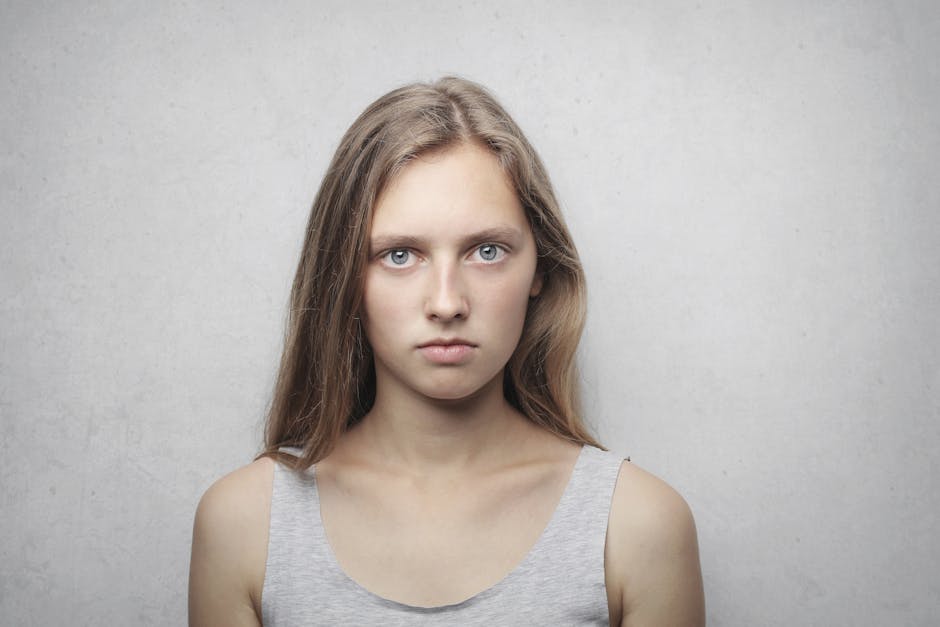
Autism in women: 3 Hidden Signs
The Lost Girls of the Spectrum
Autism in women doesn’t look like the stereotypes. That’s why nearly 80% of autistic girls are undiagnosed by age 18, left feeling “different” without knowing why.
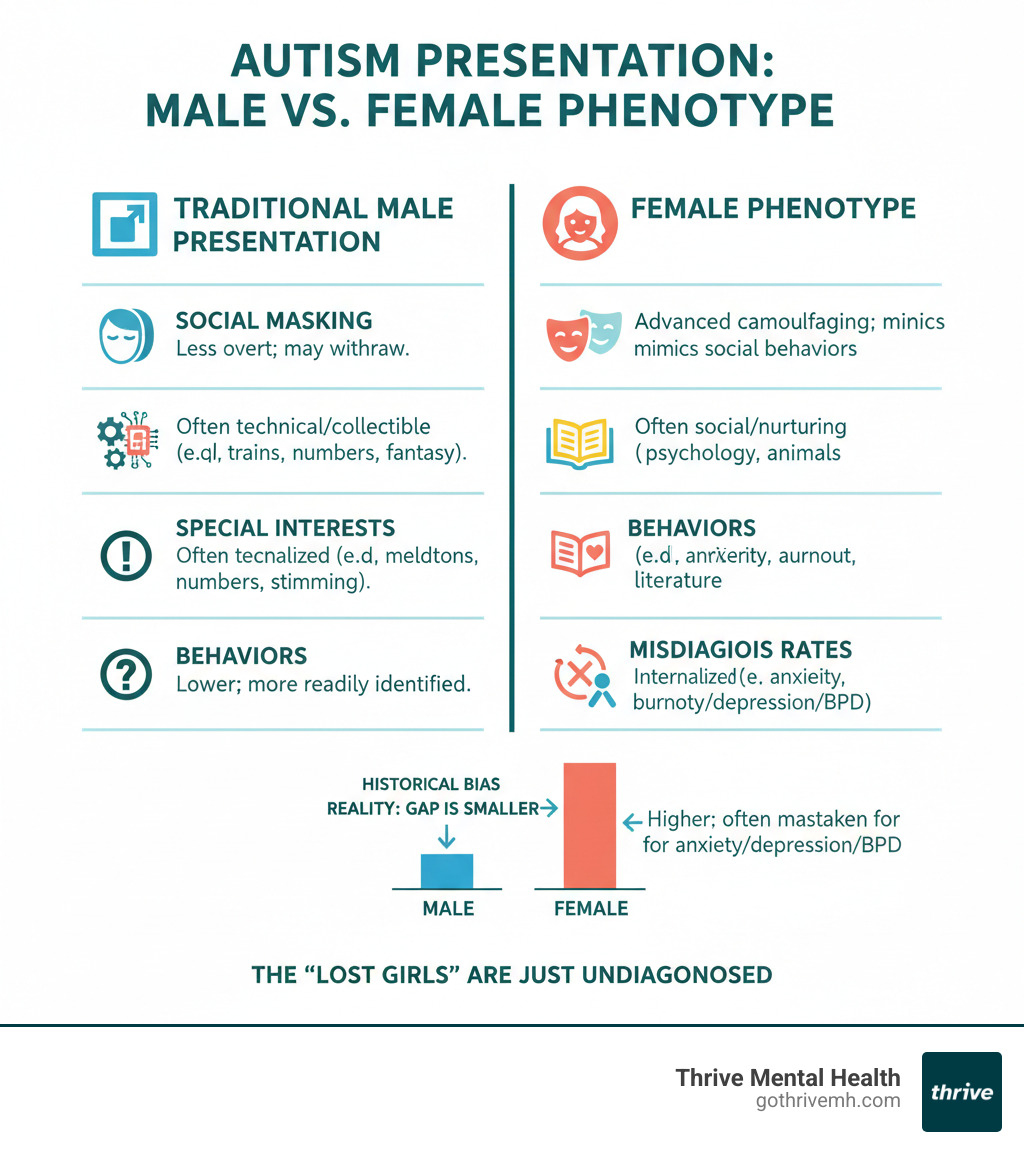
For decades, diagnostic criteria built for boys meant women were misdiagnosed with anxiety, depression, or BPD. They learn to mask their traits by mimicking social behaviors, making their autism nearly invisible. Their special interests often seem “normal”—like psychology or art—hiding the autistic intensity behind them. This constant performance leads to crushing exhaustion and burnout. For many, a valid diagnosis doesn’t come until their 20s, 30s, or later.
This distinct presentation is the “female autism phenotype.” Autistic women often internalize their struggles and develop sophisticated camouflaging techniques to survive, paying for it with severe anxiety and a feeling of being an imposter. The historical 4:1 male-to-female autism ratio is now understood to be much closer, revealing not a lack of autistic women, but a system that failed to see them.
Traditional mental health often fails to recognize autism in women, leading to years of ineffective treatment. At Thrive Mental Health, we provide evidence-based, neurodiversity-affirming care across Florida through our virtual therapy programs and IOP programs to help women finally get the right answers and support.
Related resources for autism in women:
- Am I Autistic? Signs and Self-Assessment
- Autism and Depression Treatment
- Autism Counseling for Adults
The Hidden Face of Autism: How Signs Present in Women
Autism spectrum disorder (ASD) shapes how a person experiences the world, but in women, the signs are often hidden in plain sight. The “female autism phenotype” explains why so many women live for decades without knowing they’re autistic. Their challenges with social interaction, communication, sensory input, and executive function are masked by learned behaviors.
Many autistic women report:
- Feeling drained after social events, even fun ones.
- Replaying conversations for hours, analyzing every detail.
- Intense anxiety before social gatherings.
- Private emotional meltdowns or shutdowns.
- A rich inner world that feels disconnected from reality.
- Feeling like an imposter performing “normal.”
Social and Communication Differences
The hallmark of autism in women is masking or camouflaging—an exhausting, full-time performance of neurotypical behavior. Autistic women often become experts at mimicking social cues, scripting conversations, and forcing eye contact. This sophisticated performance, detailed in research on social camouflaging, creates a surface-level competence that can fool clinicians. The cost is immense: the woman who appears fine in an appointment may need days to recover from the mental effort.
Many autistic women desire deep connections but find group settings overwhelming. They often prefer one-on-one interactions where the social rules are clearer. The social exhaustion that follows any interaction is profound, stemming from the constant mental work of translating social norms.
Repetitive Behaviors and Intense Interests
Forget the stereotypes of trains and numbers. In autism in women, special interests are often socially acceptable passions like psychology, animals, art, or literature. The key difference is the intensity and depth of the interest, which goes far beyond a casual hobby into encyclopedic knowledge.
This is often paired with perfectionism and a strong sense of justice that makes unfairness feel physically painful. Stimming (self-regulatory behavior) is also more subtle: skin picking, hair twirling, or leg bouncing instead of more obvious movements. These are often dismissed as nervous habits but serve the crucial purpose of managing overwhelming emotions or sensory input.
Sensory, Emotional, and Executive Function Challenges
The sensory world can be a battlefield. Sensory hypersensitivity can make bright lights, loud noises, or certain textures feel unbearable. Conversely, sensory hyposensitivity might mean craving intense input like tight hugs or loud music. Crowded environments like malls or open-plan offices can cause genuine sensory overload.
This overload, combined with masking, often leads to emotional dysregulation. Emotions are felt with extreme intensity, resulting in private meltdowns or shutdowns. When this cycle continues for too long, it leads to autistic burnout—a state of complete depletion that can last for months or years, making previously manageable tasks feel impossible.
Executive dysfunction makes it hard to plan, organize, and initiate tasks. An autistic woman might excel at complex work projects but feel paralyzed by simple chores or forget to eat. It’s not laziness; it’s a neurological challenge in directing focus and action.
If these challenges feel familiar, our virtual therapy programs in Florida offer structured support designed for the autistic brain, helping you build strategies that work without causing burnout.
Why Is Autism in Women So Often Undiagnosed?

Nearly 80% of autistic females are undiagnosed by age 18. This isn’t because their symptoms are absent, but because the diagnostic system was built on a male-centric model. The result is a generation of women who spent decades believing they were broken, anxious, or “too much,” never knowing their struggles stemmed from unrecognized neurodivergence.
The Exhausting Toll of ‘Masking’
Masking, or camouflaging, is the primary reason autism in women stays hidden. It’s a social survival strategy where autistic traits are suppressed to appear neurotypical. Women learn to script conversations, force eye contact, and hide their distress. This constant performance is mentally and emotionally draining, leading directly to chronic exhaustion, anxiety, and autistic burnout—a state of complete depletion.
Beyond exhaustion, masking creates a profound identity crisis. After years of pretending, many women lose touch with their authentic selves, feeling like imposters in their own lives. A late diagnosis often brings grief for the years lost to misunderstanding and the lack of support.
If you’re exhausted from years of trying to fit in, know you’re not alone. Our virtual therapy programs in Florida provide flexible, evidence-based support to help you unmask and build a life that honors your authentic neurotype.
The Problem with Male-Centric Diagnostic Criteria
The classic diagnostic criteria for autism were based on research of young, white males. This model fails to capture how autism in women presents. While autistic boys may show externalizing behaviors (visible meltdowns, obvious repetitive movements), girls are more likely to internalize their distress, leading to anxiety, depression, and eating disorders. Their struggles are often dismissed as shyness or sensitivity.
This leads to a cascade of misdiagnoses. Women are frequently told they have borderline personality disorder (BPD), obsessive compulsive disorder (OCD), anxiety, or ADHD. In fact, 20-30% of individuals with eating disorders show autistic traits. These misdiagnoses lead to years of ineffective treatment that fails to address the root cause. As awareness grows, more clinicians and resources, like those from the National Autistic Society, are highlighting these diagnostic challenges, helping more women get the answers they deserve.
The Path to Diagnosis and Life After

For many women, the journey begins with a moment of recognition—reading an article or hearing another woman’s story and thinking, “That’s me.” This self-findy, whether it leads to a formal diagnosis or self-identification, is a turning point. It’s a chance to finally understand yourself instead of wondering what’s “wrong.”
Getting an Adult Autism Diagnosis
If you pursue a formal diagnosis, the path typically involves these steps:
- Self-Assessment: Online tools like the AQ or RAADS-R can be a starting point, but they are not a substitute for a professional evaluation.
- Finding a Clinician: This is the most critical step. You need a professional who specializes in adult autism and understands the female phenotype. Don’t hesitate to ask about their experience assessing women and their familiarity with masking.
- The Assessment: The process usually involves detailed interviews about your developmental history, current social experiences, sensory sensitivities, and interests. It can be exhausting to recall experiences you’ve spent a lifetime hiding.
In the autism community, self-diagnosis is widely considered valid, especially given the financial and accessibility barriers to formal assessment. If you recognize yourself in these experiences and find community with other autistic people, that knowledge is powerful on its own.
However, a formal diagnosis can open up access to workplace accommodations, educational support, and appropriate mental health care. At Thrive, we help clients in Florida steer this process, working with insurance providers like Cigna, Optum, and Florida Blue. We can help you find support in Florida through our statewide virtual programs.
The Benefits and Challenges of a Late Diagnosis
Receiving a diagnosis of autism in women later in life is a complex emotional experience, filled with both relief and grief.
Benefits:
- Self-Understanding: Self-blame is replaced with clarity. Your struggles finally make sense.
- Validation: You receive permission to stop fighting your own brain and honor your needs.
- Community: You can connect with other autistic women who share your experiences, ending a lifetime of feeling alone.
- Accommodations: A formal diagnosis provides legal access to support at work or school under the Americans with Disabilities Act (ADA).
Challenges:
- Grief: Mourning for the support you never received and the past you can’t change is common and valid.
- Imposter Syndrome: After years of masking, you might doubt your diagnosis, thinking you’re “not autistic enough.”
- Re-evaluating Your Past: Looking back at your life through an autistic lens can be overwhelming as you re-interpret past struggles and relationships.
Understanding you’re autistic reframes your past, creating space for self-compassion and a future built on authenticity.
Co-Occurring Conditions and Finding Your Support System
If you are having thoughts of suicide or self-harm, please call or text the 988 Suicide & Crisis Lifeline. You are not alone.
Autism in women rarely exists in a vacuum. The chronic stress of masking and navigating a neurotypical world often leads to significant mental and physical health challenges. These co-occurring conditions are not separate issues; they are deeply intertwined with the autistic experience.
Common Co-Occurring Conditions in Autistic Women
The constant pressure to appear “normal” takes a profound toll. Common co-occurring conditions include:
- Anxiety and Depression: The result of chronic misunderstanding, social exhaustion, and burnout.
- ADHD: Significant overlap in symptoms like executive dysfunction and emotional dysregulation makes misdiagnosis common.
- Eating Disorders: An estimated 20-30% of individuals with eating disorders exhibit autistic traits, potentially linked to sensory issues, rigid thinking, or a need for control.
- Obsessive Compulsive Disorder (OCD): Can co-occur or be misidentified due to overlapping traits like repetitive behaviors and the need for routine. Learn more about obsessive compulsive disorder (OCD) and its relationship to autism.
- Sleep Disorders: Driven by anxiety, sensory sensitivities, and a mind that won’t shut down.
Most concerning is the heightened risk of suicidality among autistic women. This underscores the critical need for accurate diagnosis and appropriate support. Organizations like the Autistic Girls Network are vital for raising awareness and providing community.
Building a Life of Support and Authenticity
Getting a diagnosis is the first step. Building a life that supports your authentic self is next.
- Therapy That Fits: For managing burnout, anxiety, or depression, weekly therapy may not be enough. Our Intensive Outpatient Programs (IOP) offer structured, neurodivergent-affirming support. This isn’t about “fixing” autism; it’s about developing coping strategies that work for your brain. For more tips, read our article on managing anxiety.
- Find Your Community: Connecting with other autistic women, whether online or in peer support groups across Florida, from Miami to Jacksonville, can be transformative. It’s a space to unmask and feel understood.
- Advocate for Your Needs: Workplace accommodations like noise-canceling headphones or flexible scheduling can prevent burnout and help you thrive. We work with insurers like Cigna, Optum, and Florida Blue across Florida to make professional support accessible.
Frequently Asked Questions about Autism in Women
What are the three main signs of autism in women?
The three core signs of autism in women often present subtly:
- Social and Communication Differences: These are often hidden by sophisticated “masking” or camouflaging. A woman may appear socially skilled but is internally exhausted from scripting conversations and mimicking others.
- Intense, Restricted Interests: Interests may seem “typical” (e.g., psychology, art, animals) but are pursued with an autistic level of depth and intensity that goes far beyond a hobby.
- Sensory Sensitivities: Heightened or dulled senses can make everyday environments overwhelming. This can manifest as distress from fluorescent lights, background noise, strong smells, or certain textures.
What does ‘high-functioning’ autism in women look like?
The term “high-functioning” is outdated because it dismisses real struggles. However, an autistic woman who requires less support (formerly Level 1 ASD) often appears successful on the outside but is internally battling exhaustion and anxiety. She might excel at her job but feel drained by simple social interactions and struggle with daily tasks. She isn’t “high-functioning”; she’s highly skilled at masking, which leads to chronic burnout and feeling like an imposter.
Can you get an autism diagnosis as an adult woman?
Yes, absolutely. It’s common for women to be diagnosed in their 20s, 30s, 40s, or later. The process involves an evaluation from a clinician who specializes in adult autism and understands its unique presentation in women. A diagnosis can provide profound validation, a framework for self-understanding, and access to accommodations and appropriate support. Even without a formal diagnosis, self-identification is a valid and powerful step toward self-acceptance and finding community.
Conclusion: Accept Your Authentic Self

A late diagnosis of autism in women isn’t an endpoint; it’s the beginning of a new chapter. It’s the key that reframes a lifetime of misunderstood experiences. The social exhaustion, the intense focus, the feeling of being an outsider—it all finally makes sense. You weren’t broken. You were autistic in a world that wasn’t built to recognize you.
This understanding is a powerful tool for self-compassion. It gives you permission to stop forcing yourself into a neurotypical mold and start building a life that honors your true needs. It allows you to seek out quiet spaces, accept your deep interests, and find support that validates your experience instead of dismissing it.
Most importantly, it connects you to a community of other autistic women who get it. You are not alone. The journey forward involves navigating a world that isn’t always accommodating, but now you can do it with clarity, support, and the knowledge that your way of being is valid. At Thrive Mental Health, we help women across Florida transform their lives not by changing who they are, but by finally accepting and supporting their authentic selves.
Ready for support? Thrive offers virtual and hybrid IOP and PHP programs in Florida with evening options. Verify your insurance in 2 minutes (no obligation) → Start benefits check or call 561-203-6085. If you’re in crisis, call/text 988.