





Confidential Mental Health Support: Your Safe 24/7 Trust
Confidential Mental Health Support [2025]: Get Private Help in Minutes, Free Options, Insurance, and 988
Note: If you’re in immediate danger or thinking about suicide, call or text 9-8-8 now. Support is free, confidential, and available 24/7.
If you’re in crisis, call/text 988 right now. You are not alone.
Confidential mental health support is the foundation that makes seeking help possible. Without the promise of privacy, many people stay silent about their struggles, letting anxiety, depression, or crisis escalate. The fear of judgment from family, friends, or employers is real, but confidential support exists specifically to protect you.
If you’re looking for confidential mental health support, here’s what you need to know:
- In a crisis: Call or text 9-8-8 for 24/7, free, confidential support.
- For ongoing care: Look into virtual therapy or local counseling services.
- For free resources: Use government-funded programs or dial 211 to find local services.
- For workplace support: Ask about your company’s Employee Assistance Program (EAP).
- Your privacy is protected by law through acts like HIPAA in the U.S.
Statistics show that 1 in 5 adults in the United States deals with a mental health condition every year. Yet many delay getting help because they’re afraid someone will find out. Crisis lines are anonymous. Licensed therapists are bound by strict privacy laws. The system is designed so you can get help without the gossip or the exposure.
When confidentiality is guaranteed, people are more likely to reach out early, before stress becomes burnout or a rough patch turns into a crisis. Early intervention means better outcomes and faster recovery.
I’m Anna Green, LMHC, LPC, Chief Clinical Officer at Thrive Mental Health. I’ve spent my career building systems that make confidential mental health support accessible and stigma-free, creating environments where people feel safe to ask for help.
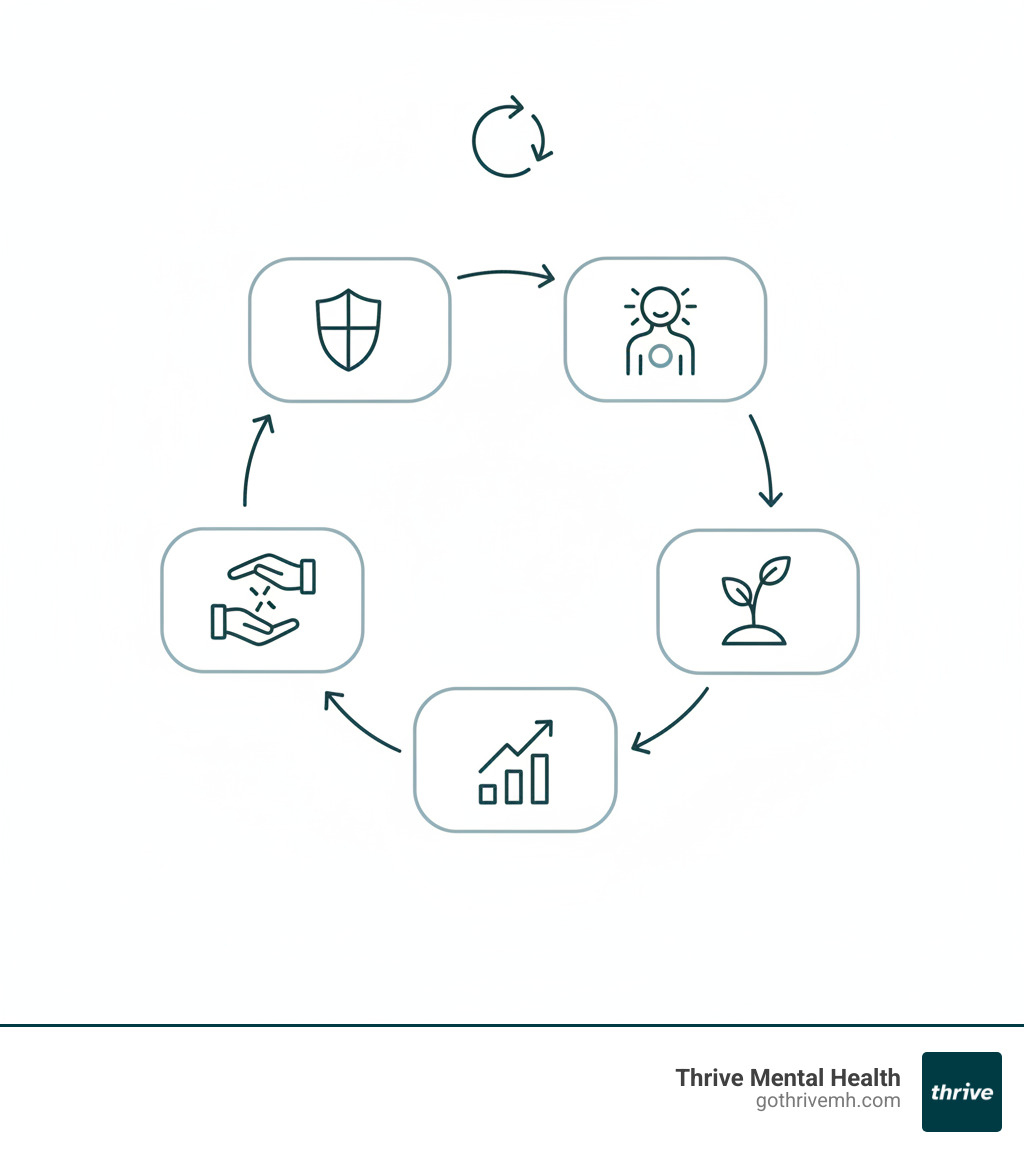
Confidential mental health support terms made easy:
What to Do in a Mental Health Crisis: Immediate, Confidential Help
If you or someone you know is in immediate danger or thinking about suicide, call or text 9-8-8 to connect with the Suicide & Crisis Lifeline. Support is free, confidential, and available 24/7. You are not alone.
A mental health crisis is when your mental state severely impacts your ability to function, and you may be at risk of harming yourself or others. It can look like intense hopelessness, severe panic attacks, or an inability to care for basic needs. With suicide being a leading cause of death in the U.S., knowing how to get help is critical.
Immediate, confidential mental health support is easier to access than ever before.

If you’re in crisis right now, call or text 988. Just reach out.
The 9-8-8 Suicide & Crisis Lifeline is a lifeline for mental health emergencies. When you dial or text, you’re connected to a network of trained crisis counselors who provide free, confidential mental health support 24/7. They are real people who listen and help you through the darkest moments, creating a safe space to explore coping strategies and feel less alone. Surveys show that callers feel significantly less depressed, suicidal, and overwhelmed after a call.
When should you call 9-8-8 versus 911? If there’s immediate physical danger, such as a weapon involved or urgent medical attention is needed, call 911. For mental health crises where the danger is emotional or psychological, 9-8-8 offers a specialized response that prioritizes de-escalation and well-being, aiming to help without involving law enforcement unless absolutely necessary.
The 9-8-8 service exists to bridge the gap where 911 calls relate to mental health, ensuring you get the right kind of help from people trained to understand what you’re going through.
For more guidance on navigating suicidal thoughts, we have comprehensive resources on Crisis Intervention for Suicidality. Reaching out isn’t weakness; it’s the bravest thing you can do.
Types of Confidential Mental Health Support Available
When you’re ready to reach out, confidential mental health support comes in many forms. Different people need different things, whether it’s typing out your thoughts at 2 a.m., hearing a human voice, or starting structured care with a therapist. Today’s mental health landscape gives you accessible, private options that meet you where you are.

Let’s walk through what’s available. For a more detailed look, check out our Online Therapy Options Guide.
Helplines & Hotlines (Phone/Text)
Sometimes you just need to talk to someone right now, without an appointment. That’s what helplines and hotlines are for. These services offer immediate, confidential mental health support via phone or text. Most are available 24/7 and staffed by trained volunteers or crisis counselors who listen without judgment. You don’t have to give your name. These services are perfect for when you’re overwhelmed and need immediate connection. For a list of helplines, visit our 24 Hour Mental Health Helpline resource.
Online Chat & Digital Platforms
If speaking your struggles out loud feels too difficult, online chat platforms can be a great alternative. These digital services provide real-time, confidential mental health support through text-based conversations on your phone or computer. The anonymity can feel like a safety net, giving you the space to be honest without the pressure of face-to-face interaction. Digital platforms give you control over when and how you reach out. For more guidance, our Mental Wellness Online guide breaks it all down.
Virtual Therapy & Counseling
If you’re looking for ongoing, structured care with a licensed professional, virtual therapy is an excellent option. Also called telehealth, it connects you with licensed mental health professionals through video calls, phone sessions, or secure messaging. You get scheduled appointments and evidence-based treatment from the privacy of your own space, no waiting rooms or running into someone you know.
This format is increasingly covered by insurance and complies with strict privacy laws like HIPAA, making professional confidential mental health support more accessible than ever.
At Thrive Mental Health, our virtual Intensive Outpatient Programs (IOP) are designed for adults and young professionals who need more than weekly therapy. We serve clients in Florida, Indiana, California, Arizona, and South Carolina, offering evidence-based treatment with flexible scheduling, including evening options. You can verify your benefits in two minutes on our Virtual IOP page.
For a complete breakdown of how virtual counseling works, explore our Virtual Mental Health Counseling: Complete Guide.
Finding Free & Low-Cost Confidential Mental Health Support
Therapy shouldn’t be a financial burden. The good news is that confidential mental health support doesn’t have to drain your bank account, or cost anything at all.
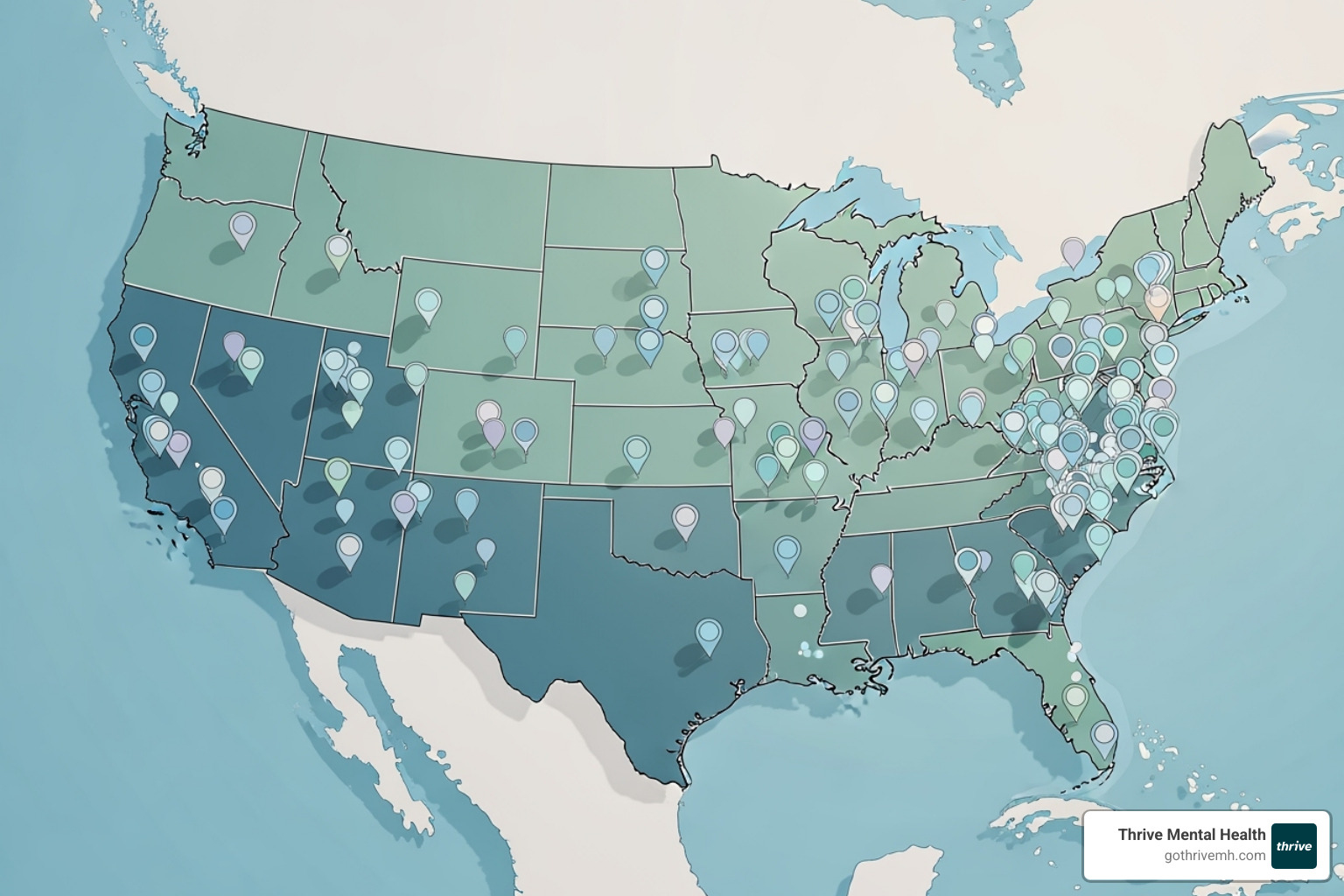
Free and low-cost resources exist across the country, backed by government funding, non-profits, and community health centers. The challenge is knowing where to look.
Finding Local and National Resources
In the United States, mental health resources vary by state, but every state has options. National organizations like the National Alliance on Mental Illness (NAMI) are excellent guides. Their resource on Navigating a Mental Health Crisis walks you through the steps to take when things feel overwhelming.
For local support, dialing 2-1-1 can connect you to community, social, and health services in your area. Think of it as a concierge service for finding help. State departments of health also maintain directories of mental health providers and services, many of which are free or operate on a sliding scale.
Residents in states where Thrive operates, Florida, Indiana, California, Arizona, and South Carolina, can find numerous local resources through NAMI chapters and state-funded behavioral health services. These resources often include crisis lines, walk-in clinics, and information on accessing ongoing care.
Understanding Costs & Insurance Coverage
Here’s the breakdown: crisis helplines are always free. This includes the 9-8-8 Suicide & Crisis Lifeline and state-specific hotlines.
For ongoing care like therapy or structured programs (IOP/PHP), costs can vary. Many therapists and community mental health centers offer sliding scale fees, adjusting the cost based on your income. Always ask if this is an option.
 7 Best PHP Programs for Adults in Los AngelesMental Health
In the United States, Medicaid and Medicare both cover mental health care. If you have private insurance, such as Cigna, Optum, or Florida Blue, mental health coverage is typically included. The specifics vary by plan, so it’s always worth verifying your benefits.
In Indiana, many plans (including Anthem/Blue Cross Blue Shield and Medicaid managed care) cover virtual therapy and higher-acuity services like IOP/PHP. In California, Medi-Cal and major commercial plans (including Blue Shield, Cigna, and Optum/UnitedHealthcare) include mental health benefits; prior authorization may be required for IOP/PHP.
At Thrive Mental Health, we work with most major insurance providers to make our virtual IOP program accessible. Our Virtual Intensive Outpatient Programs are designed to fit your life with flexible schedules and expert-led support. You can verify your insurance benefits in about two minutes with no obligation. It’s a simple, confidential way to see what’s covered before you commit.
Specialized Confidential Support for Diverse Communities
Effective confidential mental health support means meeting people where they are, culturally, developmentally, and in their daily lives. Support systems often need to be custom to the unique experiences of specific groups.

Culturally-Specific Confidential Mental Health Support
Speaking with someone who understands your cultural background can make all the difference. Language barriers, cultural stigma, and historical trauma all impact how comfortable people feel seeking help. Many organizations are dedicated to providing culturally competent care for BIPOC, LGBTQ+, and other communities. These services prioritize cultural sensitivity and respect for identity, recognizing that healing looks different for everyone. Searching for support custom to your identity can connect you with professionals who truly understand your experience.
Support for Youth & Students
Young people face immense pressures from academics, social media, and identity exploration. Free, 24/7, confidential mental health support is available through various national hotlines and text lines designed specifically for youth. These services are confidential, so parents are not notified unless there is immediate danger.
For college and university students, campus counseling centers often offer free and confidential mental health services. These centers address common issues like anxiety, depression, and stress. Some schools also have peer support programs, where trained students provide active listening and referrals, which can be incredibly validating.
Confidential Support in the Workplace (EAPs)
You might already have access to free confidential mental health support through your job. Employee Assistance Programs (EAPs) are employer-sponsored benefits that provide employees and their families with access to counseling and other support services. The key word is confidential. Your employer will not be notified if you use these services, and your privacy is protected by law.
Companies offer this because they know that when they provide confidential mental health support, employees are more likely to stay, productivity improves, and absenteeism decreases. Check with your HR department or review your benefits package to see if you have an EAP. These programs exist to help you manage stress and prevent burnout without risking your professional reputation.
Your Privacy Matters: How to Ensure Your Support is Confidential
When you reach out for help, you need to know your vulnerabilities are protected. Honesty is where healing begins, and that requires trust. Privacy isn’t just a promise, it’s the law.

In the United States, HIPAA (the Health Insurance Portability and Accountability Act) sets the standard. This federal law requires healthcare providers, including therapists and mental health clinics, to keep your health information private. They cannot share your records, diagnosis, or treatment details without your written permission. Violations carry serious penalties, so providers take this very seriously.
However, confidentiality has limits. Licensed therapists are legally required to break confidentiality if you’re at immediate risk of harming yourself or someone else, or if there’s evidence of child abuse or neglect. These exceptions exist to protect life. A reputable provider will explain these limits upfront during your first session as part of informed consent.
So how do you ensure your support stays private?
- Ask about privacy policies. Any legitimate therapist or platform should clearly explain how they protect your information.
- Check that virtual platforms are secure. Look for HIPAA compliance. At Thrive Mental Health, we use HIPAA-compliant technology for all virtual sessions. Our HIPAA Compliant Online Therapy meets the highest standards for privacy.
- Choose a private space. For virtual sessions, find a place where you won’t be overheard. Use headphones and close the door.
- Use secure connections. Avoid public Wi-Fi when accessing therapy platforms. Stick to your home network or a trusted private connection.
Understanding how confidentiality works allows you to seek confidential mental health support with confidence. Your privacy is protected by law, respected by professionals, and within your control.
Frequently Asked Questions about Confidential Mental Health Support
Is mental health support really confidential?
Yes, in the vast majority of cases. Confidential mental health support is protected by law. In the United States, HIPAA legally requires healthcare providers, including licensed therapists and official helplines, to keep your conversations private. Your employer won’t find out, and your medical records stay protected. The only exceptions are rare, clearly defined situations where there is an immediate risk of harm to yourself or others, or in cases of child abuse. Ethical providers will always explain these limits to you upfront.
Can I get confidential mental health support for free?
Absolutely. Many high-quality resources are available at no cost. Crisis lines like 9-8-8 are completely free and available 24/7. In the U.S., community health centers, state-funded programs, and organizations like NAMI provide free or low-cost counseling and support groups. Many providers also offer sliding-scale fees based on your income. Cost should not be a barrier to getting the help you need.
What is the difference between a crisis line and therapy?
Think of a crisis line as emergency care and therapy as ongoing treatment. Both are vital forms of confidential mental health support, but they serve different purposes. A crisis line like 9-8-8 provides immediate, in-the-moment support to keep you safe and de-escalate acute distress. The conversations are anonymous, free, and focused on right now. Therapy is a longer-term relationship with a licensed professional. You schedule regular appointments to work on underlying issues, develop coping skills, and create lasting change. Programs like our Intensive Outpatient Program provide structured treatment that goes deeper than crisis intervention to help you build sustained mental wellness.
Conclusion: Take the First Step Towards Healing
You’ve made it this far, which shows you’re willing to show up for yourself. Navigating life’s challenges alone can feel impossible, but you don’t have to. This guide has shown that confidential mental health support is real, accessible, and designed to protect you.
Reaching out for help is an act of courage. It’s choosing yourself and your future. It’s saying, “I deserve to feel better.” And you do.
Whether you start with a text to 9-8-8, explore a free helpline, or commit to a structured program like an Intensive Outpatient Program, what matters most is that you take that first step. That single step can change everything.
Your privacy is protected, and help is waiting without judgment. You are not alone. At Thrive Mental Health, our virtual and hybrid programs are built with flexibility and your privacy in mind. We believe everyone deserves a safe space to heal and grow.
Ready for support? Thrive offers virtual IOP with evening options. Verify your insurance in 2 minutes (no obligation) → Start benefits check or call 561-203-6085. If you’re in crisis, call/text 988.

This article is for informational purposes only and is not a substitute for individualized clinical advice or insurance verification.