
Little Hands, Big Feelings: Therapeutic Art Activities for Youth
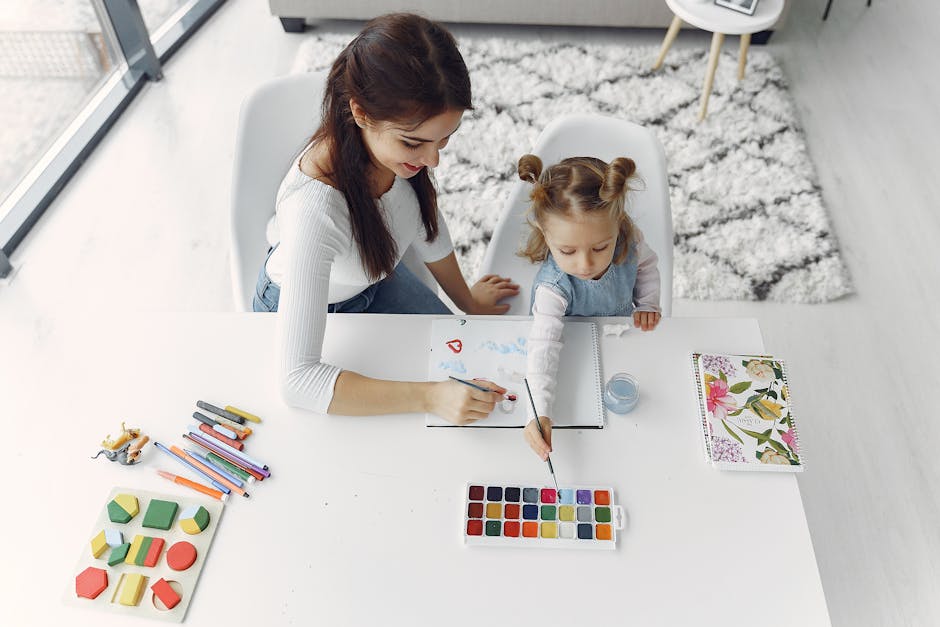
Why Every Parent Needs to Know About Therapeutic Art Activities for Kids
Therapeutic art activities for kids are structured creative practices that help children express emotions, build resilience, and develop healthy coping skills through hands-on art experiences like drawing, painting, sculpting, and collage-making.
Quick Answer: Top Therapeutic Art Activities for Kids
| Activity | Best For | Time Needed |
|---|---|---|
| Feelings Wheel | Identifying emotions | 15-20 min |
| Mood Mandalas | Reducing anxiety & ADHD symptoms | 20-30 min |
| Clay Sculpting | Processing grief & anger | 30+ min |
| Worry Dolls | Bedtime anxiety & fears | 10-15 min |
| Self-Portrait Collage | Building self-esteem | 30-45 min |
| Gratitude Banner | Lifting mood & perspective | 20-30 min |
Your child comes home from school quiet. They say they’re “fine,” but their slumped shoulders and tight jaw tell a different story. Maybe they’re dealing with friendship drama, test anxiety, or something they can’t quite name yet.
Until about age 16, children’s brains aren’t fully wired to consistently link emotions with words. That frustration, sadness, or worry can get stuck inside them, building pressure like a shaken soda bottle.
That’s where art comes in—not as a distraction, but as a language.
More than two-thirds of children experience at least one traumatic event by age 16. Research shows that art activities can reduce anxiety, improve emotional regulation, and strengthen social-emotional skills—without requiring a single word about “how they feel.”
You don’t need to be an artist or a therapist to help your child. You just need the right activities and a safe space for them to create.
As Nate Raine, CEO of Thrive Mental Health, I’ve spent over a decade building evidence-based behavioral health programs that integrate creative interventions—including therapeutic art activities for kids—to help families access the right level of care at the right time. At Thrive, we’ve seen how structured art activities can be a bridge between everyday emotional struggles and formal therapeutic support when children need more than at-home strategies alone. For families in Florida, Thrive delivers virtual and in-person Intensive Outpatient (IOP) and Partial Hospitalization (PHP) programs so they can get higher-level care without uprooting school, work, or daily life.
In this guide, you’ll find:
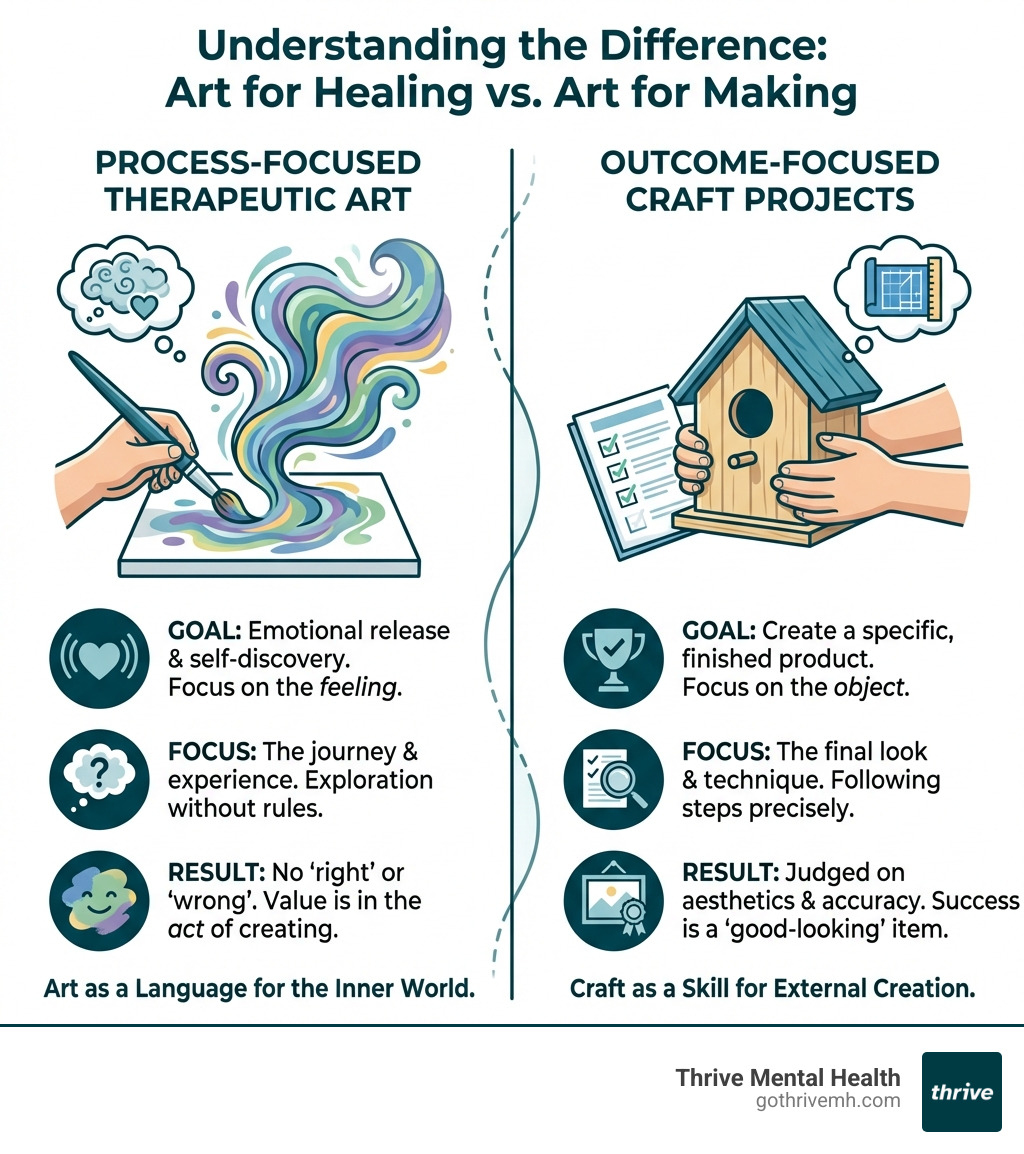
- What makes art “therapeutic” (and why it’s different from just coloring)
- 14 evidence-backed art activities you can do at home—sorted by what your child is struggling with
- How to guide your child through these activities without playing therapist
- When DIY isn’t enough, and how to find the right professional support
Let’s start with the basics: what therapeutic art actually is, and why it works when words don’t.
Quick therapeutic art activities for kids terms:
What is Art Therapy (And Why It’s More Than Just Doodling)
Art therapy is a blended field of therapeutic practice that combines art and psychology, utilizing the creative process, artistic techniques, and external artwork to support individuals in developing self-awareness, exploring emotions, and addressing unresolved conflicts or trauma. It’s a therapeutic process that integrates psychotherapy and art. Through creative techniques like painting, drawing, coloring, collage, and sculpting, people can express themselves artistically.
The main idea of art therapy is to use art as another form of expression, especially for things that might be difficult to express verbally. This is particularly crucial for children whose verbal communication skills are still developing. Art therapy focuses on the process of creating, rather than the final outcome or artistic skill. This emphasis on the journey allows for genuine emotional release and self-awareness without the pressure of perfection.
General art activities, while enjoyable and beneficial for creativity, often prioritize the finished product. Therapeutic art, however, is about the act of making, the choices made, and the feelings evoked during the creation. It’s a non-verbal language that gives form to overwhelming emotions, helping the “thinking brain” re-engage.
In a therapeutic setting, credentialed art therapists help clients examine the emotional and psychological undertones of their art to better understand and process their emotions and behaviors. This can help patients gain personal insight or understanding. Art therapy has also been used to help individuals, particularly young children, develop social skills and raise self-confidence.
To better understand the distinction, let’s compare professional art therapy with therapeutic art activities often facilitated at home or in classrooms:
| Feature | Professional Art Therapy | Therapeutic Art Activities |
|---|---|---|
| Conducted By | Licensed and credentialed art therapist | Parents, educators, caregivers, or individuals |
| Primary Goal | Clinical diagnosis, treatment of specific mental health conditions, trauma processing | General well-being, emotional expression, stress relief, skill development |
| Focus | Therapeutic relationship, symbolic meaning, psychological interpretation of art | Creative process, self-expression, enjoyment, communication starter |
| Setting | Clinic, hospital, school with a trained therapist, virtual sessions | Home, classroom, community settings |
| Outcome | Clinical progress, emotional healing, coping mechanism development | Improved mood, improved communication, reduced stress, self-awareness |
The Science-Backed Benefits for Your Child’s Brain
The benefits of engaging children in therapeutic art activities for kids are extensive, touching upon emotional, cognitive, and developmental aspects. Research consistently shows that engaging in art can be a powerful tool for mental well-being.
One of the most significant benefits is emotional regulation. When children can express complex feelings non-verbally, they learn to manage those emotions rather than being overwhelmed by them. This leads to profound stress reduction and anxiety relief. For instance, a 2005 study by Curry and Kasser found that participants showed reduced anxiety symptoms after coloring plaid and mandala patterns that put them into a meditative state. We also know that more than 18% of adults in the United States are affected by anxiety disorders each year, and children can experience similar persistent symptoms, making these tools vital.
Beyond emotional benefits, art activities also bolster fine motor skills and hand-eye coordination. The intricate movements involved in drawing, painting, or sculpting help strengthen the muscles in their hands and improve precision. This translates to better handwriting, dexterity, and overall physical development.
Art also fosters problem-solving skills. Whether it’s figuring out how to mix colors, assemble a collage, or represent an abstract idea, children are constantly engaging in creative problem-solving. This improves their cognitive flexibility and critical thinking.
Finally, successfully completing an art project, no matter how simple, builds immense self-confidence. It’s a tangible representation of their effort and creativity, leading to a sense of accomplishment and improved self-esteem.
Therapeutic art activities for kids can be particularly impactful for those dealing with more significant challenges. For children who have experienced trauma, art provides a safe outlet to process difficult memories and emotions. Learn more about how art can aid in recovery in our guide on Art Therapy for Trauma Recovery.
14 Therapeutic Art Activities for Kids to Tame Big Emotions
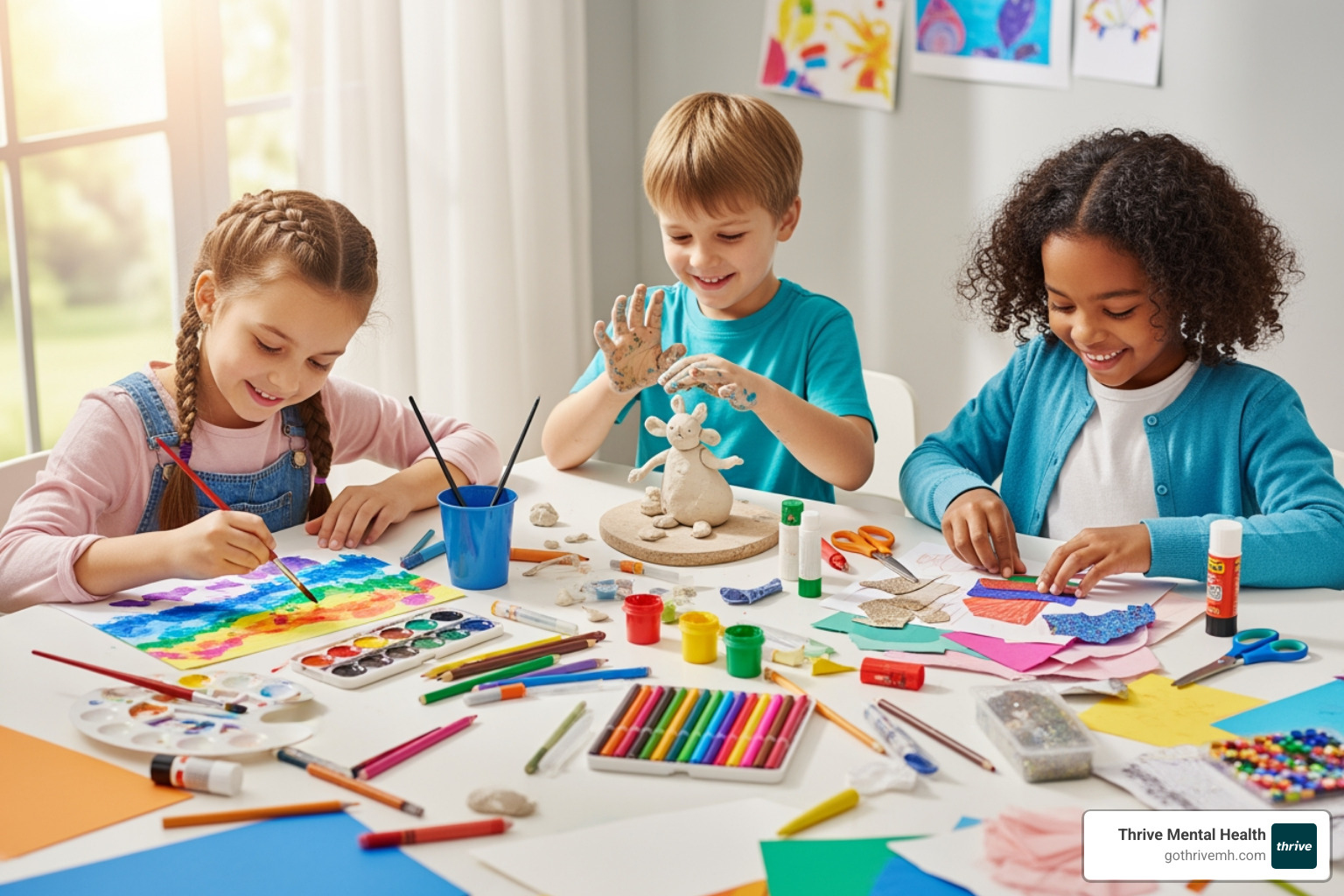
These therapeutic art activities for kids are designed to be accessible and engaging, providing a creative outlet for children to explore and manage their feelings. We’ve categorized them based on the emotions they most effectively address.
Activities for Soothing Anxiety and Worry
Anxiety can manifest in many ways for children, from restless energy to quiet withdrawal. These activities provide a calming focus and a way to externalize worries.
- Feelings Wheel: A feelings wheel can help kids “learn how to understand and process emotions, increase self-awareness, improve emotional communication, and boost well-being.”
- Materials: Paper, markers/crayons, a brad or paper fastener.
- How it helps: Have children draw a large circle and divide it into segments like a pie. In each segment, they can draw a face or symbol for a different emotion (happy, sad, angry, scared, calm). They can then spin the wheel to identify how they’re feeling, or to choose a feeling they want to explore.
- DIY Stress Balls: Studies show that squeezing a stress ball can help manage “temporary stress and tension” by providing a tactile distraction and promoting relaxation.
- Materials: Balloons, flour or rice, funnels (optional), permanent markers for decorating.
- How it helps: Children fill balloons with flour or rice, tie them off, and then decorate them. The act of squeezing provides a physical release for nervous energy and can be very grounding.
- Worry Dolls: Rooted in Guatemalan history, therapists have found worry dolls to be very valuable in helping kids overcome difficult emotions, especially grief.
- Materials: Clothespins or small twigs, yarn, fabric scraps, markers.
- How it helps: Children create small dolls. Before bed, they can “tell” their worries to the dolls and place them under their pillow. The idea is that the dolls will worry for them, allowing the child to sleep peacefully.
- Mood Mandalas: According to research, creating mandala art is a therapeutic method that can reduce the symptoms of depression, anxiety, and stress among students. It can be especially helpful for those with symptoms of attention deficit hyperactivity disorder (ADHD).
- Materials: Paper, compass (optional), ruler, markers, colored pencils, or crayons.
- How it helps: Mandalas are intricate circular designs. Children can draw their own or use pre-printed templates. The repetitive and focused nature of coloring within the lines promotes mindfulness and can calm an overactive mind, making it a great activity for Art Therapy for ADHD.
Activities for Processing Sadness and Grief
When children experience sadness or grief, they often struggle to articulate their pain. These activities provide a gentle way to express and honor those feelings.
- Draw Your Feelings Monster: This activity helps children externalize big, scary emotions by giving them a physical form.
- Materials: Paper, markers, crayons, paint.
- How it helps: Encourage your child to draw a “feelings monster” that represents how they feel inside. Is it spiky? Colorful? Big or small? This can be a great way to start a conversation about what’s making them feel that way.
- Clay Sculpting: The use of clay art therapy has been associated with physical, psychological, and cognitive improvement.
- Materials: Air-dry clay, play-doh, or modeling clay.
- How it helps: Children can mold and shape figures or objects that represent their emotions or significant life events. The tactile nature of clay can be incredibly grounding and allows for a three-dimensional expression of internal states. Dr. Cathy Malchiodi, a leading art therapist, recommends creating a family sculpture out of clay, as the size, shape, and arrangement of family members invites conversations about important people and relationships.
- Memory Box: Memory boxes “readily protect and hold memories, secrets, narratives, and emotions. They provide a space for creating, storytelling, exploration and documentation.”
- Materials: Empty shoebox or craft box, decorative papers, glue, markers, photos, small mementos.
- How it helps: Children decorate a box to hold special memories, treasures, and items meaningful to them. This can be particularly helpful for children experiencing grief, providing a tangible place to store and revisit cherished memories. For more in-depth activities, explore our Grief Art Therapy Activities Guide.
- Gratitude Banner: Expressing gratitude can provide physical and mental benefits such as decreased anxiety and depression, and improved sleep, mood, and immunity.
- Materials: Long strip of paper or fabric, markers, paint, collage materials.
- How it helps: Children create a banner where they draw or write things they are grateful for. This shifts focus from difficult emotions to positive aspects of their lives, fostering a sense of hope and well-being.
Activities for Building Self-Esteem and Identity
Building a strong sense of self is crucial for healthy development. These activities help children explore who they are, what they value, and their unique strengths.
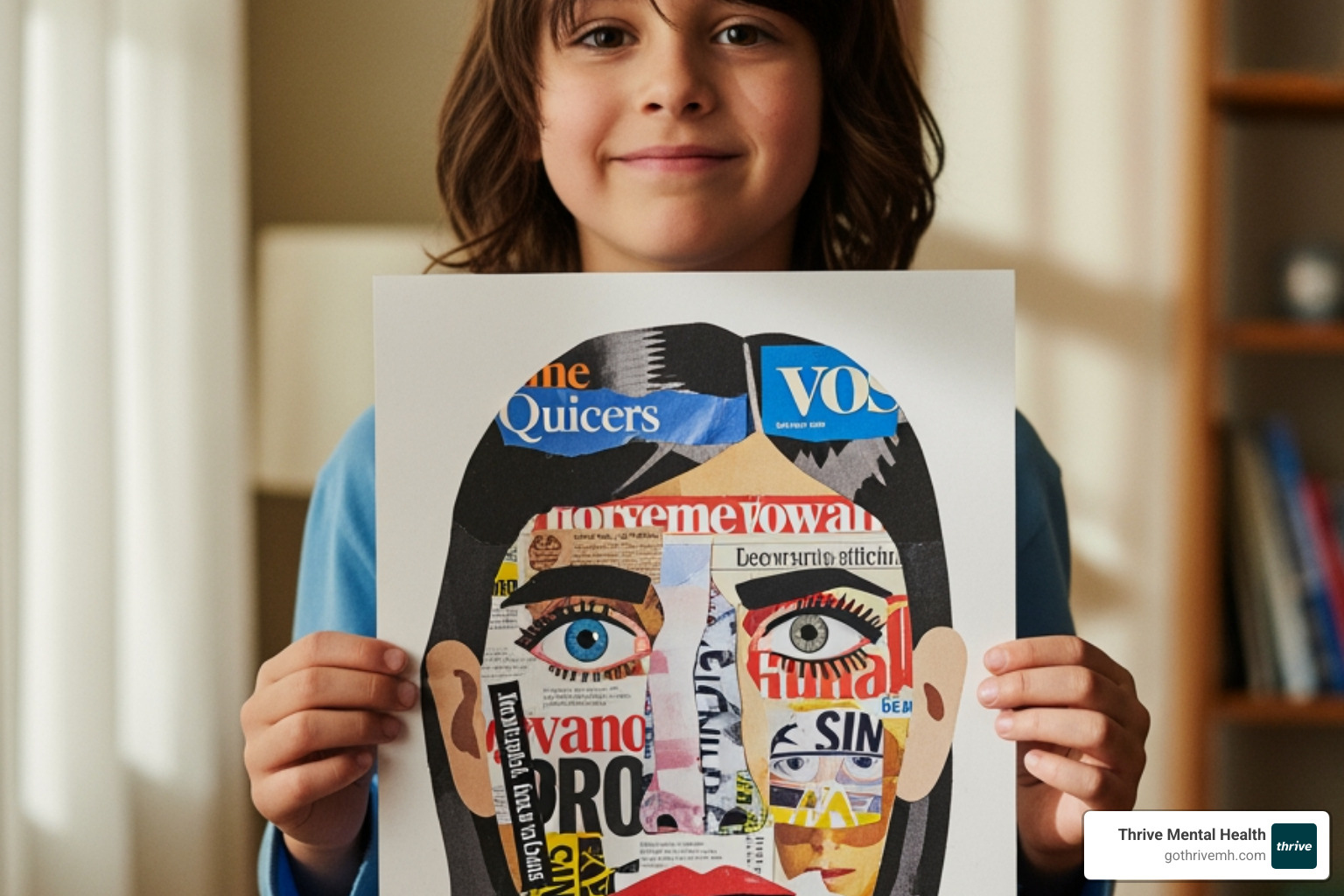
- Self-Portrait Collage: According to research, self-portraiture can encourage self-reflection and accepting the self.
- Materials: Large paper, old magazines, newspapers, fabric scraps, glue, scissors.
- How it helps: Children create collages that represent different aspects of their personalities or lives using images and textures. This helps them explore their identity in a visual, non-judgmental way.
- Hero’s Story Storyboard: Storyboarding allows kids to participate in a design method where they can tell stories by drawing emotional expressions.
- Materials: Paper, drawing utensils (pencils, markers, crayons).
- How it helps: Have your kids create a comic strip or storyboard that tells a story of a hero—an alter ego of themselves—overcoming challenges. This builds a sense of agency and resilience, showing them they have the power to face difficulties.
- Inside/Outside Silhouette: This activity encourages self-reflection and helps children explore their self-perception versus how others see them.
- Materials: Large paper, markers, crayons, paint, magazine clippings.
- How it helps: Students trace their silhouettes on large paper, then fill the silhouette with images and words that tell their story (their “insides”). Around the silhouette, they can draw or write how they think others perceive them (their “outsides”). This can spark powerful conversations about identity and self-image.
- Personal Flag: Encourage children to design and create a flag that represents who they are, their values, dreams, and aspirations. This activity can be especially useful when helping kids get in touch with their true selves, personal goals, and sense of identity.
- Materials: Fabric or paper, fabric paints or markers, craft sticks for a flagpole.
- How it helps: Designing a personal flag allows children to visually articulate their unique qualities, beliefs, and hopes for the future, strengthening their sense of self.
How to Be Your Child’s Art Guide (Without Being a Therapist)
Facilitating therapeutic art activities for kids at home or in a classroom setting doesn’t require a psychology degree, but it does require a mindful approach. We can create an environment that encourages expression and healing without acting as formal therapists.
The most crucial principle is to let the child lead the creative process. This means resisting the urge to correct, direct, or even compliment the “artistic” quality of their work. The focus should always be on the process, not the final product. There is no “right” or “wrong” way to create. This non-judgmental space is where true expression flourishes.
Create a safe space where your child feels comfortable exploring their emotions through art. This involves providing age-appropriate and safe art materials and ensuring the environment is calm and free from distractions.
When it comes to adapting activities for different age groups, younger children might need simpler instructions and more tactile materials (like large crayons, finger paints, or play-doh), while older children and teens might engage more with complex collages, storyboarding, or reflective art journaling.
What to Say: Prompts to Encourage Expression
Instead of saying, “That’s a beautiful drawing!” try these open-ended questions. They encourage reflection and deeper engagement with their emotions:
- “Tell me about your picture.”
- “What was it like making this?”
- “What part did you enjoy the most?”
- “Do these colors mean anything to you?”
- “This part is interesting, can you tell me more about it?”
- “I notice [specific detail in the art]… I wonder what that means to you?”
These prompts shift the focus from artistic achievement to emotional exploration, helping your child connect their inner world with their creative output.
When Art Activities Aren’t Enough: Is It Time for Formal Art Therapy?
While at-home therapeutic art activities for kids are incredibly valuable for general well-being and emotional exploration, there are times when professional art therapy or a higher level of care is recommended. Knowing when to move beyond DIY can spare your child months or years of silent struggle.
Consider formal art therapy or structured treatment if your child is experiencing:
- Persistent emotional struggles: If sadness, anger, anxiety, or other difficult emotions are significantly impacting their daily life, school, friendships, or family relationships over an extended period.
- Trauma: More than two-thirds of children report experiencing a traumatic event by age 16. Trauma responses can manifest as emotional dysregulation, physical symptoms, cognitive challenges, or behavioral issues. Art therapy can provide a safe, non-verbal way to process these experiences.
- Difficulty with verbal expression: Some children naturally struggle to articulate their thoughts and feelings. Art therapy offers an alternative language.
- Diagnoses like anxiety, ASD, or ADHD: Art therapy can be a powerful complementary tool for children diagnosed with conditions like anxiety, Autism Spectrum Disorder (ASD), or Attention Deficit Hyperactivity Disorder (ADHD), helping with emotional regulation, social skills, and focus.
- Developmental or behavioral challenges: Art therapy can aid children facing various developmental problems, offering a pathway for growth and self-expression.
A qualified art therapist is a licensed mental health professional trained in both art and psychology. They can interpret the symbolic language of art, guide the child through therapeutic processes, and integrate art-making with other therapeutic modalities to address specific mental health goals.
For some kids and teens, weekly outpatient therapy isn’t enough structure or support. That is where programs like Thrive’s Intensive Outpatient Program (IOP) and Partial Hospitalization Program (PHP) come in. These levels of care provide multiple sessions per week, clinical oversight, and can incorporate creative interventions like art therapy alongside individual, group, and family work.
If you’re in Florida and think your child might benefit from professional support, including art-based interventions, we can help. Our programs offer comprehensive, evidence-based care custom to individual needs. We also work with major insurance providers like Cigna, Optum, and Florida Blue to make access to care easier. Learn more about how creative therapies fit into our care model in our Virtual IOP programs.
Frequently Asked Questions about Therapeutic Art for Kids
What is the main goal of therapeutic art?
The primary goal is not to create a masterpiece, but to use the creative process for emotional expression, self-exploration, and stress relief. It provides a safe, non-verbal outlet for children to process feelings they might not be able to put into words.
How does art therapy help a child with anxiety?
Art therapy helps anxious children by providing a calming, focused activity that can reduce stress hormones. Activities like coloring mandalas or molding clay can be meditative, helping to ground a child in the present moment and externalize their worries into a tangible form.
Can I do art therapy at home?
You can absolutely facilitate therapeutic art activities at home to support your child’s general emotional well-being. However, this is different from formal art therapy, which is conducted by a licensed therapist within a treatment plan to address specific mental health conditions and goals.
How do I know if my child needs more than at-home art activities?
If your child’s mood, behavior, sleep, school performance, or relationships have been noticeably off for more than a few weeks, or if you’re seeing signs of self-harm, aggression, or withdrawal, it’s time to consult a mental health professional. In many cases, a higher level of care like an IOP or PHP can provide the structure and intensity needed to stabilize things.
Does insurance cover programs that include art therapy?
Many commercial insurance plans, including Cigna, Optum, and Florida Blue, may cover IOP and PHP levels of care when they are medically necessary. At Thrive, our team can check your benefits for you so you know your out-of-pocket costs before committing to treatment. You can quickly verify your insurance online.
Your Child Deserves to Thrive. We Can Help.
Therapeutic art activities for kids are a powerful tool for nurturing emotional expression, developing coping skills, and fostering a strong of self. They offer a unique language for children to steer their inner worlds and communicate what words often cannot.
At-home activities are an excellent foundation. They can calm anxiety, help kids name big feelings, and open up conversations that might otherwise stay buried. But when your child is stuck in cycles of panic, shutdown, or explosive behavior, it usually takes more than DIY projects to turn things around.
At Thrive Mental Health, we offer virtual and hybrid Intensive Outpatient (IOP) and Partial Hospitalization (PHP) programs for youth and young professionals across Florida. Our programs combine clinical expertise, flexible scheduling, and measurable results, integrating creative interventions like art therapy alongside evidence-based treatments.
We work with many major insurance providers, including Cigna, Optum, and Florida Blue, to make access to care as affordable and straightforward as possible. To understand how art-based approaches support healing from trauma, anxiety, and depression, you can also explore our guide on Art Therapy for Trauma Recovery.
Ready for support? Thrive offers virtual and hybrid IOP/PHP programs with evening options. Verify your insurance in 2 minutes (no obligation) → Start benefits check or call 561-203-6085. If you’re in crisis, call/text 988.