
Guide to PHP in Mental Health: Understanding Care in 2026

Feeling overwhelmed by burnout, anxiety, or just stuck in place? If you live in Florida, California, Indiana, Arizona, or South Carolina, you are not alone. Many adults and young professionals are searching for effective support, but navigating options like php in mental health can feel confusing.
This guide aims to demystify php in mental health as it evolves in 2026. You will learn what PHP is, who benefits most, how it compares to other treatments, and what to expect from modern, evidence-based programs—including virtual care. Get ready for actionable tips to help you or a loved one take the next step toward lasting wellness.
What Is a Partial Hospitalization Program (PHP) in Mental Health?
Feeling burned out, anxious, or simply stuck is becoming more common for adults and young professionals in Florida, California, Indiana, Arizona, and South Carolina. If you or someone you care about needs significant mental health support but not full hospitalization, understanding php in mental health can open doors to effective, flexible care.

Defining PHP in Mental Health
A partial hospitalization program, or php in mental health, provides structured, intensive treatment during the day while allowing individuals to return home in the evenings. This approach bridges the gap between full inpatient hospitalization and traditional outpatient therapy.
Key features include daily therapy, medication management, and a schedule that often exceeds 20 hours per week. The demand for php in mental health has surged since the pandemic, as more people seek care that offers both intensity and flexibility. For a deeper understanding of the structure and benefits, explore this Partial Hospitalization Program overview.
Core Components of PHP
The core of php in mental health revolves around a blend of therapeutic services and support:
- Individual therapy: One-on-one sessions to set goals and address personal challenges.
- Group therapy: Building community, sharing experiences, and learning skills with peers.
- Medication management: Regular psychiatric evaluation and medication adjustments.
- Holistic therapies: Activities like art, music, yoga, and mindfulness.
- Family involvement: Education and therapy for loved ones to strengthen support systems.
This comprehensive approach ensures that each participant receives the right mix of care to support healing and growth.
Who PHP Serves Best
A php in mental health is ideal for adults and young professionals who are experiencing moderate to severe symptoms, such as depression, anxiety, or mood disorders. It also supports those managing dual diagnoses or co-occurring conditions.
People who have recently left inpatient hospitalization but still need significant support often benefit from PHP. Adolescents and families looking for a structured environment also find value in this level of care. PHP is designed for those who need more than weekly therapy but do not require 24-hour supervision.
Benefits of PHP
Choosing php in mental health offers several advantages:
- Intensive support: More care than outpatient therapy, without the need for overnight stays.
- Routine maintenance: Participants can continue working, attending school, or caring for family.
- Personalized treatment: Plans are tailored to each individual using evidence-based approaches.
- Short-term commitment: Many programs last several weeks but have a lasting positive impact.
Studies show that PHPs reduce hospital readmissions and improve long-term outcomes for many participants.
Common Misconceptions About PHP
There are a few common misunderstandings about php in mental health:
- It is not only for people in crisis, but also for those needing ongoing support.
- Concerns around privacy and stigma are addressed with confidential, respectful care.
- Virtual and hybrid PHP options are now available and have proven to be as effective as traditional in-person programs.
Understanding these facts can help you or your loved one make a confident, informed decision about seeking care.
PHP in 2026: Evolving Models of Care
Modern life in Florida, California, Indiana, Arizona, and South Carolina brings high expectations and pressure. For many adults and young professionals, burnout, anxiety, and feeling stuck are everyday realities. As needs have changed, so has the delivery of php in mental health. In 2026, programs are more accessible, flexible, and effective than ever, thanks to technology and a focus on whole-person care.

Trends Shaping PHP Delivery
The delivery of php in mental health has shifted rapidly since 2020. Telehealth options have expanded in California and other states, offering flexible access to care. Digital assessment tools now help clinicians tailor treatment plans with precision.
Integration with primary care and local resources ensures holistic support. Data-driven approaches track progress and outcomes, helping providers refine care for each participant. This evolution means more people can access structured, evidence-based treatment that fits their lives.
Virtual PHP: How It Works
Virtual php in mental health brings intensive support directly to your home. Secure video sessions allow for both individual and group therapy, so participants can connect with clinicians and peers while maintaining privacy.
Digital platforms manage medication, schedule reminders, and track progress. All sessions are encrypted and HIPAA-compliant, ensuring confidentiality. A typical day might include a morning check-in, therapy blocks, skill-building workshops, and a wrap-up session.
Recent research shows that Virtual PHPs Yield Positive Outcomes, with satisfaction and attendance rates matching in-person care. This means you can receive high-quality support, even with a busy schedule.
Addressing Common Concerns
Many wonder if php in mental health can truly fit a demanding lifestyle. In 2026, flexible scheduling is the norm, with evening and weekend options for those balancing work or family.
Virtual programs are proven to be as effective as traditional settings for most diagnoses. Privacy is a top priority, with robust encryption and secure logins. Insurance coverage for virtual PHP has increased, making care more affordable and accessible for residents of California, Florida, and beyond.
Innovations in Therapy and Support
The landscape of php in mental health is more innovative than ever. Evidence-based therapies like CBT and DBT are core components, but holistic and experiential modalities are also common.
Participants may engage in art or music therapy, mindfulness, or yoga, all delivered virtually or in person. Peer support and alumni networks foster community, while wearable technology and mental health apps provide real-time symptom tracking and feedback.
Personalized, Culturally Sensitive Care
Top providers of php in mental health now prioritize cultural competence. Treatment is tailored for diverse backgrounds across California, Florida, Indiana, Arizona, and South Carolina.
Language support and staff training address cultural needs. Family involvement is encouraged, and treatment plans adapt to unique challenges faced by young professionals or multicultural clients. For many, this personalized approach makes all the difference in engagement and outcomes.
Outcomes and Success Metrics
The impact of php in mental health is measurable. Programs in 2026 report fewer hospitalizations, reduced symptom severity, and higher satisfaction among participants.
Engagement rates have grown, thanks to flexible and accessible options. Many share stories of returning to work or school with new skills and confidence. Real-world data shows that modern PHPs improve quality of life and help people achieve lasting recovery.
PHP vs. Other Levels of Mental Health Care
Feeling overwhelmed by burnout or anxiety can make choosing the right mental health support confusing. Understanding the differences between treatment options is crucial for individuals and families in Florida, California, Indiana, Arizona, and South Carolina seeking effective care. Below, we break down how php in mental health compares to other levels of care, helping you make informed decisions with confidence.

PHP vs. Inpatient Hospitalization
Inpatient hospitalization provides round-the-clock supervision for individuals in crisis or experiencing severe symptoms that require immediate stabilization. In contrast, php in mental health offers intensive daytime treatment, allowing participants to return home each evening. PHP is best for those who need structured support and daily therapy but do not require 24-hour monitoring.
Choosing between inpatient and PHP often depends on safety, symptom severity, and the ability to manage daily life outside the hospital. PHP can also serve as a step-down option after an inpatient stay, supporting a smoother transition back to routine.
PHP vs. Intensive Outpatient Programs (IOP)
Intensive Outpatient Programs (IOP) offer a lower level of care than php in mental health, typically involving 9–12 hours of therapy per week. PHP, by comparison, provides over 20 hours weekly, with greater structure and multidisciplinary support. While both programs focus on stabilization and recovery, PHP is designed for more acute needs.
For a detailed breakdown of the distinctions, see this Difference between IOP and PHP resource. Individuals with moderate to severe symptoms or recent hospitalization may benefit most from PHP, while IOP suits those prepared for less frequent sessions and more independence.
PHP vs. Traditional Outpatient Therapy
Traditional outpatient therapy involves meeting with a therapist once or twice a week, which is effective for mild symptoms and ongoing maintenance. However, php in mental health delivers daily therapy, skill-building, and psychiatric support, making it ideal for those with moderate to severe symptoms who need more than occasional sessions.
PHP bridges the gap between regular outpatient care and more intensive programs, offering a flexible yet structured approach. When symptoms escalate or daily functioning declines, stepping up to PHP can provide the necessary support to regain stability and progress.
Making the Right Choice: Assessment and Eligibility
Selecting the appropriate level of care begins with a comprehensive intake assessment, where clinicians evaluate symptom severity, safety, and functional needs. For php in mental health, collaboration between psychiatrists, therapists, and family members ensures an accurate fit.
Eligibility criteria may include recent episodes of depression, anxiety, mood instability, or unsuccessful outpatient treatment. Insurance verification and financial counseling are typically part of the intake process, streamlining access to the right program in 2026.
Insurance, Costs, and Accessibility
Accessing php in mental health has become more attainable, with most major insurers covering both in-person and virtual programs. Out-of-pocket costs vary, but many providers offer financial aid or payment plans. State-specific resources in California, Florida, Indiana, Arizona, and South Carolina support families navigating coverage and costs.
By 2026, 75 percent of PHP participants use insurance, reflecting growing recognition of its value. Flexible scheduling and virtual options further increase accessibility, ensuring care fits around work, school, and family commitments.
What to Expect in a Modern PHP Program
Feeling overwhelmed by burnout, anxiety, or the sense of being stuck is all too common for adults and young professionals in Florida, California, Indiana, Arizona, and South Carolina. Choosing a partial hospitalization program (php in mental health) can feel daunting, but understanding what to expect can make the process less intimidating. Modern PHPs are designed to be accessible, flexible, and supportive for people seeking meaningful mental health care.
The PHP Experience: Step-by-Step
The journey begins with a comprehensive intake and assessment. Each person entering php in mental health completes a detailed evaluation with a licensed clinician to identify their unique needs and goals.
After intake, a personalized treatment plan is created. This plan outlines the therapies, group sessions, and supports that will be included. Participants typically follow a structured daily or weekly schedule, attending therapy sessions, skills workshops, and check-ins.
Progress is reviewed regularly with the care team. Adjustments are made as needed, ensuring that the experience in php in mental health remains tailored and effective for each individual.
Types of Therapy and Activities
Modern php in mental health programs offer a wide range of therapeutic options. These typically include:
- Individual therapy sessions for personal goal setting and progress
- Group therapy for skill-building and peer support
- Family therapy to strengthen support systems
- Medication management with psychiatric oversight
- Experiential therapies such as art, music, or movement
Many programs also incorporate holistic approaches like mindfulness, yoga, and nutrition counseling. For more on these comprehensive techniques, see Holistic treatment approaches in PHP. This variety ensures that php in mental health addresses the whole person, not just symptoms.
Role of Family and Support Systems
Family involvement is a cornerstone of php in mental health. Programs often include family therapy sessions and psychoeducation, allowing loved ones to better understand the recovery process.
Families may participate in treatment planning and goal-setting meetings. Caregivers and support persons receive guidance on how to provide effective support outside of sessions.
This collaborative approach in php in mental health empowers both participants and their families, fostering stronger relationships and resilience during treatment.
Transition Planning and Aftercare
As participants make progress in php in mental health, the care team develops a step-down plan. This might include transitioning to an intensive outpatient program (IOP) or traditional outpatient therapy.
Relapse prevention strategies are discussed, and alumni support groups may be introduced. Ongoing resources and referrals are provided to help maintain gains made during php in mental health.
Aftercare planning ensures that individuals feel supported and confident as they move forward, with connections to community resources and continued care.
Real-World Example: A Day in PHP
A typical day for a participant in a California-based virtual php in mental health program might look like this:
- 9:00 AM: Morning check-in and mindfulness exercise
- 10:00 AM: Group therapy session focused on stress management
- 12:00 PM: Lunch break
- 1:00 PM: Individual therapy or medication review
- 2:00 PM: Skill-building workshop (e.g., communication)
- 3:00 PM: Family meeting or support group
- 4:00 PM: Wrap-up and setting daily intentions
This schedule is designed to balance structure with flexibility, making php in mental health accessible for those balancing work, school, or family life.
Measuring Progress and Outcomes
Throughout the journey in php in mental health, progress is tracked using validated assessment tools and regular goal reviews. Symptom checklists, self-report measures, and feedback from the care team all contribute to monitoring outcomes.
Many programs share success stories to illustrate positive change. Data shows that participants in php in mental health experience reduced symptoms, improved daily functioning, and greater overall satisfaction with their care.
Measuring progress ensures that each step in php in mental health is purposeful, transparent, and geared toward lasting recovery.
Choosing the Right PHP: Tips for Families and Individuals
Selecting the right php in mental health can feel overwhelming, especially when burnout, anxiety, or feeling stuck have become daily struggles. If you or a loved one is searching for support in Florida, California, Indiana, Arizona, or South Carolina, it is crucial to find a program that offers real solutions and fits your unique needs. This section will help you evaluate programs, ask the right questions, and navigate options for virtual and in-person care in 2026.
How to Evaluate a PHP Program
When considering a php in mental health, start by reviewing the program’s credentials and structure. Look for:
- Accreditation from reputable organizations, such as the Joint Commission
- Evidence-based practices, including therapies like CBT and DBT
- Qualified, licensed staff with experience in treating your specific concerns
Assess the program’s approach to personalized care and ongoing assessment. A strong php in mental health will offer clear treatment plans, regular progress reviews, and a supportive environment that addresses both clinical and practical needs.
Questions to Ask Providers
Before enrolling in a php in mental health, prepare a list of questions for potential providers. This ensures you understand the program’s offerings and can make an informed choice. Consider asking:
- What types of therapy and support services are included?
- Are virtual and in-person options available, and how do they differ?
- What insurance plans are accepted, and what are the financial policies?
- How flexible is the program schedule for work or family commitments?
These questions help clarify expectations and ensure the php in mental health aligns with your lifestyle and goals.
Location, Accessibility, and Convenience
Accessibility is essential when choosing a php in mental health, whether you need in-person or virtual care. Consider how close the facility is to your home or workplace, and whether reliable transportation is available. For many in California and other states, virtual programs can eliminate commute stress and fit better with busy schedules.
If you are working full time, explore Flexible scheduling for full-time employees to find php in mental health options that accommodate your needs. Assess technical requirements for virtual care, and ask about support with childcare or other daily responsibilities.
Thrive Mental Health: Accessible, Accredited PHP and IOP Care
Thrive Mental Health provides php in mental health and IOP care across California, Florida, Indiana, Arizona, and South Carolina. Their programs are accredited by the Joint Commission and specialize in evidence-based therapies for anxiety, depression, and mood disorders.
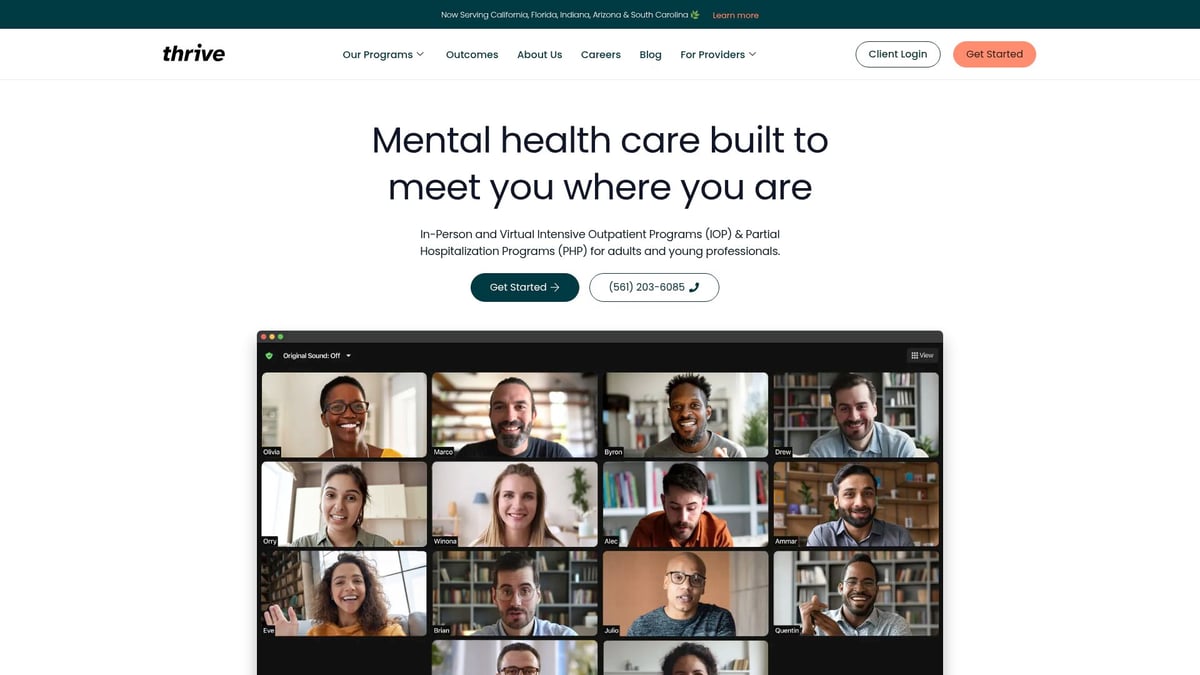
With both virtual and in-person options, Thrive offers personalized treatment plans, rapid access to care, and insurance-friendly solutions. Their expert-led teams support adults and young professionals with flexible scheduling, ensuring that php in mental health can fit into even the busiest lives. Confidentiality and respect are at the heart of Thrive’s approach.
Making the Decision: Next Steps
Once you have narrowed your options for php in mental health, take proactive steps to get started. Schedule an initial assessment with your preferred provider. Consult with your primary care doctor or a trusted mental health professional for guidance.
Invite family or support networks to join the conversation. Use reputable online resources and support groups to gather more information about php in mental health options in your area. If you are considering Thrive, you can check eligibility or speak with a care coordinator confidentially and with no obligation, making the first step easier and more comfortable.
Frequently Asked Questions About PHP in Mental Health
Feeling overwhelmed by burnout or anxiety is common, especially in fast-paced states like Florida, California, Indiana, Arizona, and South Carolina. If you or a loved one is considering php in mental health, you likely have questions about what to expect and how these programs fit into your life.
Common Reader Concerns
Many wonder if php in mental health is the right step for themselves or a family member. Typical questions include:
- How long does a program last? Most PHPs run for several weeks, with daily sessions.
- What if my symptoms worsen? Programs offer rapid access to crisis care if needed.
- Can I work or attend school while enrolled? Many PHPs now offer flexible schedules, and virtual options are common.
- Is privacy protected in virtual care? Yes, sessions are encrypted and confidential.
- Is PHP effective? According to Anxiety and Depression Symptoms Improve in Adolescent PHPs, participants often see significant improvement, especially for anxiety and depression.
Quick Facts and Myths
There are several persistent myths about php in mental health:
- PHP is not just for crisis situations, early intervention can make a big difference.
- Virtual PHP is proven to be as effective as in-person care for most mental health needs.
- Insurance coverage for both in-person and virtual PHP is expanding.
- Confidentiality is strictly maintained in all settings.
PHP offers a structured, supportive environment designed to help you regain stability and confidence.
Resources and Where to Learn More
If you want more information about php in mental health, explore these resources:
- State and national mental health organizations
- Online directories for accredited PHP providers
- Hotlines and crisis resources
- For recent statistics and treatment trends, see the 2024 NSDUH Mental Health Treatment Data
Taking the first step toward healing is possible, and support is always available.
As you consider your next steps in navigating mental health care, remember that understanding your options—like Partial Hospitalization Programs in 2026—can be empowering. Thrive Mental Health offers both virtual and in person programs tailored for adults and young professionals across California, Florida, Indiana, Arizona, and South Carolina, making expert led, evidence based support more accessible than ever. If you’re ready to explore a personalized treatment plan that fits your life and needs, you don’t have to do it alone. Take the first step toward clarity and healing—Get Started Now.