
The Weight of Experience: Defining Traumatic

Understanding Traumatic: More Than Just a Word
Traumatic experiences shape lives in profound ways—but what does the word actually mean? Understanding this term is crucial because it affects how we recognize suffering, seek help, and begin healing.
Quick Definition:
- Psychological: A traumatic event causes intense fear, helplessness, or horror that overwhelms your ability to cope. It challenges your sense of safety and can alter how you see the world.
- Medical: Traumatic refers to severe physical injury or wound to the body (like from accidents, violence, or surgery).
- Key Insight: About 60% of Americans experience at least one traumatic event in their lifetime, but only 8% develop PTSD. Trauma is common—but it doesn’t define you.
The word “trauma” comes from the Greek word for “wound”—and that’s exactly what it is. Whether the wound is physical or emotional, traumatic experiences leave a mark. They can result from a single shocking event, like a car crash, or from prolonged exposure to harm, like childhood abuse. What makes something traumatic isn’t just the event itself—it’s how it impacts you.
You might feel like the world is no longer safe. You might struggle with flashbacks, anxiety, or trust. You might wonder if you’ll ever feel normal again. These are not signs of weakness—they’re normal responses to abnormal events.
The good news? Trauma is treatable. With the right support and evidence-based care, most people recover and go on to live full, meaningful lives. Whether you’re dealing with the aftermath of a recent event or carrying the weight of something that happened years ago, understanding what “traumatic” means is the first step toward healing.
As Nate Raine, CEO of Thrive Mental Health, I’ve spent over a decade leading organizations that transform access to care for individuals navigating traumatic stress, PTSD, and related conditions. My work focuses on integrating evidence-based, tech-enabled solutions that help people move from crisis to recovery—because understanding traumatic experiences is the foundation of effective, compassionate treatment.
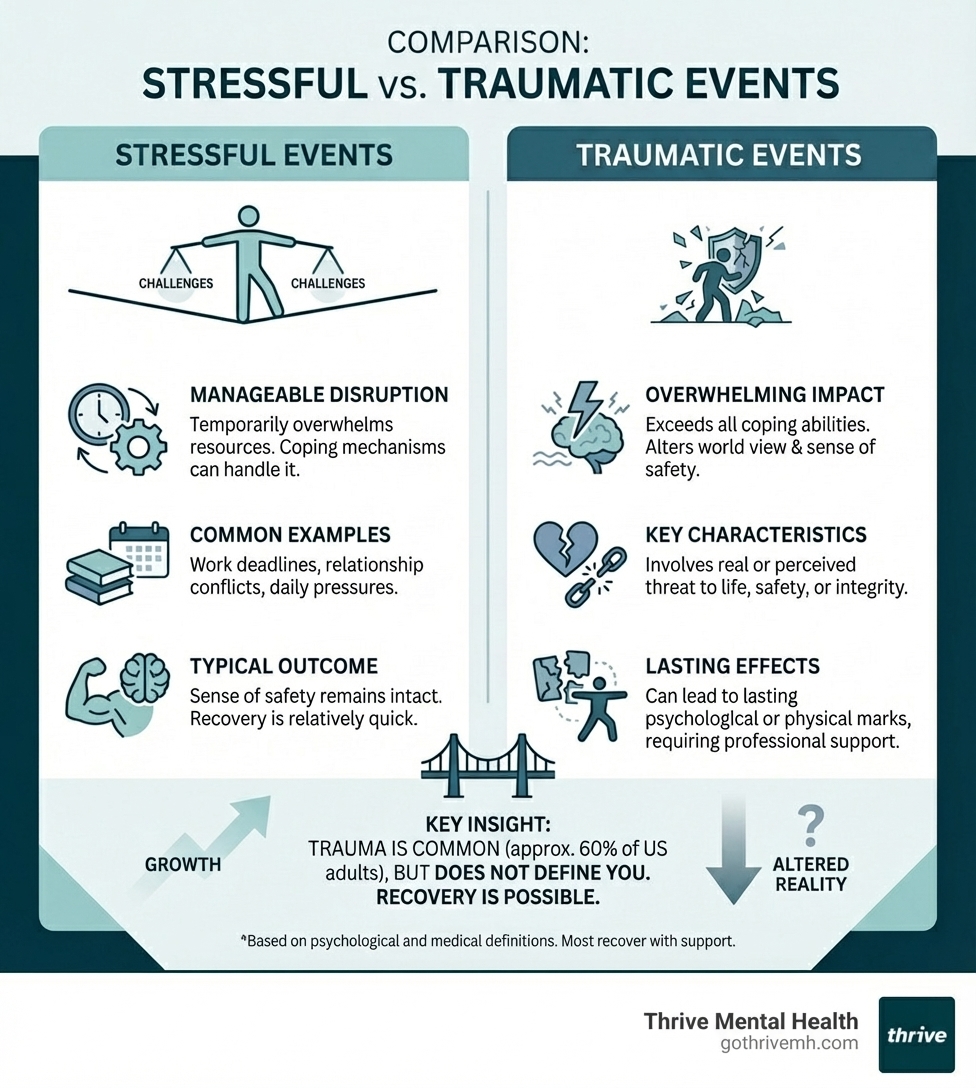
This infographic shows the key differences: Stressful events are challenging but manageable (work deadlines, relationship conflicts), while traumatic events overwhelm your coping ability and involve real or perceived threats to life, safety, or integrity—leading to lasting psychological or physical effects.
Basic traumatic terms:
- 5 Signs You’re Experiencing Bilateral Stimulation Fatigue
- How Do You Stop Thinking About the Past?
- What is Stress Vomiting?
What Does ‘Traumatic’ Actually Mean? A Dual Definition
The term traumatic carries significant weight, encompassing both psychological and medical dimensions. At its core, it refers to an experience that is deeply disturbing, causing profound distress or injury. The word itself, derived from the Greek for “wound,” aptly captures this dual nature of hurt, whether it affects our mind or body.
The Psychological Impact of a Traumatic Event
Psychologically, a traumatic event is any disturbing experience that leads to significant fear, helplessness, dissociation, confusion, or other disruptive feelings so intense they have a long-lasting negative effect on a person’s attitudes, behavior, and overall functioning. This means it’s not just a bad experience; it’s one that overwhelms our capacity to cope.
Such events often challenge our fundamental beliefs, or what some theories call our “shattered assumptions,” about the world being a just, safe, and predictable place. When these assumptions are shattered, our sense of safety is compromised, leading to an altered worldview. The impact is deeply subjective; what one person finds traumatic, another may not, due to individual differences in resilience, support systems, and prior experiences.
For a deeper dive into how these experiences shape us, explore our Beginners Guide to Understanding Trauma.
The Physical Definition of Traumatic Injury
Medically, traumatic refers to any serious physical injury. This can include widespread burns, a blow to the head (resulting in a traumatic brain injury or TBI), or severe injuries sustained from accidents, violence, or even necessary medical procedures like open-heart surgery. While routine, such procedures are still physically traumatic due to the tissue damage and stress they inflict on the body.
The medical definition emphasizes the direct bodily harm. For example, a car crash that shatters a pelvis causes a traumatic injury. The physical consequences can be immediate and severe, often requiring extensive medical intervention and recovery.
Understanding both the psychological and medical definitions helps us grasp the full scope of what it means for something to be traumatic. It highlights that the impact can be both visible and invisible, affecting every aspect of our well-being. You can learn More on the effects of traumatic experiences and how they manifest.
The Many Faces of Trauma [4 Types Explained]
Trauma isn’t a monolithic experience. It manifests in various forms, each with its unique characteristics and potential long-term impacts. What makes an event traumatic is highly individual, influenced by factors like our personal history, support systems, and coping mechanisms. Most people who go through traumatic events may have a hard time adjusting for a short time, but with time and by taking good care of themselves, they usually get better. However, for some, the effects linger and evolve into specific types of trauma.
The four main types of trauma we often encounter are:
- Acute Trauma
- Chronic Trauma
- Complex Trauma
- Secondary & Vicarious Trauma

This image depicts individuals navigating a winding path, with some encountering obstacles, symbolizing the varied and often layered nature of traumatic experiences and their journey towards healing.
1. Acute Trauma: The Shock of a Single Event
Acute trauma results from a single, highly stressful event that threatens our life or safety. Think of a severe car accident, a natural disaster like a hurricane or earthquake, or a physical assault. The distress experienced is often intense but typically short-lived, with reactions that may resolve on their own or with counseling. Symptoms usually last from a few days to a few months. While the immediate aftermath can be overwhelming, many individuals can process and recover from acute trauma with adequate support.
2. Chronic Trauma: The Damage of Repeated Exposure
Chronic trauma refers to the harmful effects of events that are repeated or prolonged over time. Unlike acute trauma, this isn’t a one-off shock but a persistent source of stress and fear. Examples include ongoing domestic violence, persistent bullying, long-term illness, or living in a community plagued by violence. The repeated nature and often inescapability of these situations can lead to more serious mental health consequences, as the individual’s coping resources are continuously depleted.
3. Complex Trauma: The Impact of Varied and Multiple Events
Complex trauma arises from experiencing multiple, often chronic and interpersonal, traumatic events from which there is no possibility of escape. This type of trauma often begins in childhood, involving abuse or neglect within relationships where the victim feels betrayed by their caregivers. The pervasive nature of complex trauma can lead to profound and severe effects on an individual’s mental and emotional well-being, often impacting their sense of self, ability to regulate emotions, and relationships. It can be associated with conditions like borderline personality disorder and Post-Traumatic Stress Disorder (PTSD). For more information, read our article on Complex Trauma.
4. Secondary & Vicarious Trauma: Feeling Another’s Pain
Secondary trauma, also known as vicarious trauma or compassion fatigue, occurs when individuals are indirectly exposed to the traumatic experiences of others. This is particularly common in professions that regularly deal with suffering and mayhem, such as first responders, therapists, healthcare providers, and journalists. Family members of trauma survivors can also experience it. Repeated exposure to others’ pain can lead to similar psychological and emotional symptoms as direct trauma, sometimes resulting in compassion fatigue, where individuals may emotionally withdraw to protect themselves.
How Trauma Rewires Your Brain and Body
A traumatic event triggers an immediate, powerful survival response orchestrated by your autonomic nervous system. The sympathetic nervous system floods your body with stress hormones like adrenaline and cortisol, activating the “fight-or-flight” response to prepare you for immediate danger. In a non-traumatic situation, the parasympathetic nervous system would later calm things down. But after a traumatic experience, this system can become dysregulated, leaving your brain and body stuck in a state of high alert.
This dysregulation leads to lasting changes in the brain’s fear and memory circuits. Here’s how three key structures are impacted:
- The Amygdala (The Alarm): This is your brain’s threat detector. After trauma, it can become hyper-responsive, constantly scanning for danger and triggering intense fear and anxiety even in safe situations.
- The Prefrontal Cortex (The Control Tower): This area, particularly the medial prefrontal cortex, is responsible for executive functions like rational thought and emotional regulation. It acts as a brake on the amygdala. Trauma can weaken this connection, making it harder to calm down, think clearly, and manage emotional responses.
- The Hippocampus (The Memory Filer): The hippocampus helps process and store memories, giving them context (time, place, and emotional significance). Trauma can disrupt this process, leading to fragmented, disorganized memories that feel like they are happening in the present (flashbacks) instead of being stored as past events.
Prolonged exposure to these stress hormones, especially cortisol, can further alter these brain structures and reinforce this cycle of hypervigilance and distress.

This image illustrates the interconnectedness of the amygdala (emotional processing), hippocampus (memory), and prefrontal cortex (executive function), showing how traumatic stress can disrupt their delicate balance.
Recognizing the Aftermath: Common Symptoms
The effects of trauma are diverse and can manifest as emotional, physical, and cognitive symptoms. These are natural responses to an overwhelming experience.
Common symptoms include:
- Emotional Symptoms: Fear, anxiety, shock, confusion, anger, guilt, sadness, feeling disconnected or numb, mood swings, irritability.
- Physical Symptoms: Trouble sleeping (insomnia), fatigue, dizziness, racing heart, body aches, digestive issues, being very jumpy or easily startled (hyperarousal), headaches.
- Cognitive Symptoms: Difficulty concentrating, memory problems, intrusive thoughts about the event, feeling like the world is dangerous.
- Re-experiencing: Flashbacks (feeling like the event is happening again), nightmares, intrusive memories or thoughts.
- Avoidance Behaviors: Actively avoiding places, people, activities, objects, or situations that are reminders of the traumatic event, or trying to avoid thinking or feeling about it.
- Negative Mood and Thoughts: Persistent negative beliefs about oneself or the world, distorted blame, diminished interest in activities, feelings of detachment, inability to experience positive emotions.
If you’re struggling with these symptoms, understanding How PTSD Impacts Daily Life: The Role of Flashbacks, Avoidance, and Anxiety can be a crucial step toward seeking help.
How Trauma Impacts Children vs. Adults
Trauma affects individuals of all ages, but its impact can differ significantly between children and adults, primarily due to developmental stages. Children’s developing brains are particularly vulnerable to the long-lasting effects of traumatic experiences.
- Children: Exposure to trauma during critical developmental periods, especially Adverse Childhood Experiences (ACEs) like neglect or abuse, can disrupt normal brain development. This can lead to attachment issues, behavioral problems (such as aggression or withdrawal), developmental delays, and difficulties with emotional regulation. Children might also show regression in behavior, such as bedwetting or thumb-sucking. Research indicates that children who experience trauma are twice as likely to develop a mental health condition in the future. The more ACEs a child experiences, the greater their risk for future mental and physical health problems. For more on this, see our article on Childhood Trauma.
- Adults: While adults have more developed coping mechanisms and brain structures, trauma can still lead to significant distress and dysfunction. The impact can include chronic mental health conditions like depression and anxiety, substance use disorders, and physical health problems such as cardiovascular disease. Trauma experienced in adulthood can also disrupt established relationships and careers. However, adults often have greater access to resources and support systems, which can aid in recovery.
When a Traumatic Event Becomes PTSD
While most people experience initial distress after a traumatic event, only a small proportion (around 8%) actually develop Post-Traumatic Stress Disorder (PTSD). PTSD is a specific mental health condition that can arise after experiencing or witnessing a shocking, scary, or dangerous event.
According to the DSM-5 (Diagnostic and Statistical Manual of Mental Disorders, 5th Edition), a person may be diagnosed with PTSD if their symptoms persist for at least one month and significantly interfere with daily life, such as relationships or work. These symptoms fall into four main clusters: intrusive memories, avoidance, negative changes in thinking and mood, and changes in physical and emotional reactions. People with PTSD may continue to feel stressed or frightened even when they are no longer in danger.
For a comprehensive guide, refer to our Post Traumatic Stress Disorder page.
Are You at Higher Risk? Key Factors for Developing PTSD
Not everyone who experiences a traumatic event will develop PTSD. Several factors can increase someone’s likelihood of developing the disorder:
- Severity and Duration of Trauma: More severe or long-lasting traumatic experiences, especially those involving physical injury or life threat, increase risk.
- Proximity to the Event: Direct exposure or close proximity to the event (e.g., being physically injured, witnessing horrific scenes) can heighten vulnerability.
- Lack of Social Support: A weak support system from family and friends can make it harder to cope.
- Pre-existing Mental Health Conditions: Individuals with a history of depression, anxiety, or other mental health issues are more susceptible.
- History of Trauma: Previous exposure to adversity or other traumatic experiences, especially in childhood, significantly increases the risk.
- Genetics and Biology: Inherited mental health risks, certain personality features, and how the brain regulates stress-response chemicals can play a role.
- Certain Occupations: Military personnel, first responders, and healthcare workers are at higher risk due to repeated exposure to traumatic events.
Is It PTSD, C-PTSD, or Moral Injury?
While PTSD is a well-known diagnosis, the landscape of traumatic stress includes other distinct but related conditions. Understanding the differences is crucial for accurate diagnosis and effective treatment.
| Feature | Post-Traumatic Stress Disorder (PTSD) | Complex PTSD (C-PTSD) | Moral Injury |
|---|---|---|---|
| Type of Trauma | Single, severe event (e.g., car accident, assault, natural disaster). | Repeated, prolonged, and often interpersonal trauma (e.g., chronic child abuse, domestic violence, torture). | Acts that violate one’s deeply held moral beliefs or expectations (e.g., witnessing or perpetrating atrocities, failing to prevent harm). |
| Core Symptoms | Fear, anxiety, flashbacks, avoidance, hyperarousal, negative thoughts/mood. | PTSD symptoms PLUS difficulties with emotional regulation, identity disturbance, relationship problems, negative self-perception (shame, guilt). | Profound guilt, shame, betrayal, anger, loss of trust, spiritual distress, difficulty forgiving oneself. |
| Focus of Distress | Fear and anxiety related to the traumatic event. | Pervasive impact on self-concept, relationships, and emotional control. | Violation of one’s moral compass and values. |
| Diagnostic Status | Officially recognized by DSM-5. | Recognized by ICD-11, often diagnosed as PTSD with co-occurring disorders in DSM-5. | Not a formal mental health diagnosis, often co-occurs with PTSD or depression. |
Complex PTSD, or C-PTSD, goes beyond the core symptoms of PTSD to include pervasive difficulties with emotional dysregulation, identity disturbance, and relationship problems. It often results from prolonged, repeated trauma, especially when there was no escape, such as in cases of severe childhood abuse. Our Complex Post Traumatic Stress Disorder article offers more insights.
Moral injury, on the other hand, isn’t a mental health disorder in the same way PTSD is. It describes the psychological, social, and spiritual impact of actions that violate one’s deeply held moral beliefs or expectations. This can occur when someone witnesses, perpetrates, or fails to prevent acts that go against their moral code. It’s characterized by intense guilt, shame, and a sense of betrayal, which distinguishes it from the fear and anxiety central to PTSD.
Your Path to Healing [5 Proven Trauma Treatments]
The journey through traumatic experiences can feel isolating, but healing is not only possible but achievable with the right support. At Thrive Mental Health, we believe in a holistic, evidence-based approach to help you steer your recovery. Our programs are designed to meet you where you are, offering expert-led care that respects your unique path. We understand that accessing care can be a concern, which is why we work with major insurance providers like Cigna, Optum, and Florida Blue, making treatment accessible. For residents in Florida, we offer specialized trauma programs at our various locations, with services also available in California, Indiana, Arizona, and South Carolina.
Evidence-Based Therapies That Work
The good news is that numerous effective therapies exist to help individuals process traumatic experiences and heal from their aftermath. These approaches are backed by extensive research and have demonstrated significant success:
- Trauma-Focused Cognitive Behavioral Therapy (TF-CBT): This therapy helps individuals process traumatic memories and learn coping skills to manage their reactions. It’s particularly effective for children and adolescents but adapted for adults too.
- Eye Movement Desensitization and Reprocessing (EMDR): EMDR helps individuals reprocess traumatic memories, reducing their emotional impact. It involves recalling distressing images while engaging in bilateral stimulation (e.g., eye movements). Learn more about Eye Movement Desensitization and Reprocessing.
- Cognitive Processing Therapy (CPT): CPT focuses on helping individuals identify and challenge distorted thoughts and beliefs related to the trauma, leading to a more balanced perspective.
- Prolonged Exposure (PE): PE involves gradually confronting traumatic memories, feelings, and situations that have been avoided. This helps to reduce fear and anxiety associated with these triggers.
- Somatic Experiencing (SE): This body-oriented therapeutic model helps individuals release traumatic shock that is held in the body, focusing on physical sensations rather than just cognitive processing.
Coping Strategies for Daily Life
Beyond formal therapy, incorporating daily coping strategies can significantly support your healing journey and help manage the ongoing effects of trauma:
- Grounding Techniques: These help bring you back to the present moment when you feel overwhelmed or triggered. Examples include focusing on your five senses, deep breathing, or naming objects around you.
- Mindfulness and Meditation: Practicing mindfulness can increase your awareness of your thoughts and feelings without judgment, helping you regulate emotions.
- Self-Care Routines: Prioritizing sleep, nutrition, and physical activity can stabilize your mood and increase your resilience.
- Building a Support System: Connecting with trusted friends, family, or support groups provides a sense of belonging and reduces isolation.
- Setting Boundaries: Learning to say no and protect your emotional space is crucial for healing and preventing re-traumatization.
For more practical advice, read our guide on Effective Strategies for Managing Trauma and Its Triggers.
When You Need More Support: IOP and PHP Programs
Sometimes, weekly therapy isn’t enough to address the profound impact of traumatic experiences. For those in Florida needing more intensive support, Thrive Mental Health offers both virtual and in-person Intensive Outpatient Programs (IOP) and Partial Hospitalization Programs (PHP). These services are also available to residents in California, Indiana, Arizona, and South Carolina.
These programs provide a structured, supportive environment with more frequent and longer therapy sessions than traditional outpatient care. They combine group therapy, individual counseling, and family therapy to offer comprehensive healing. IOP and PHP are excellent options for individuals who need more than once-a-week therapy but less than inpatient care, allowing them to continue living at home while receiving intensive treatment. Our flexible scheduling, including evening options, makes it easier to integrate healing into your life.
Frequently Asked Questions about Traumatic Experiences
Can you have trauma without developing PTSD?
Yes, absolutely. Most people who experience a traumatic event will have a range of reactions—like anxiety, sadness, or anger—for a short time. These symptoms typically last from a few days to a few months. While the experience is undeniably traumatic, most individuals recover naturally with time and self-care without ever meeting the clinical criteria for PTSD, which requires symptoms to persist for at least one month and significantly impair daily functioning.
How long do the effects of a traumatic event last?
The duration of a traumatic event’s effects can vary greatly, ranging from a few days to a lifetime. For acute trauma, symptoms often resolve within a few months with personal coping strategies and social support. However, for chronic or complex trauma, or when an individual has risk factors for PTSD, the effects can be more persistent and long-lasting, potentially affecting mental and physical health for years. Early intervention and professional treatment can significantly improve long-term outcomes.
What is the difference between trauma and stress?
Stress is a normal physiological and psychological response to demands or pressures in daily life. It can be positive (eustress) or negative (distress) and is generally manageable. A traumatic event, however, is an overwhelming experience that exceeds a person’s ability to cope. It typically involves an actual or perceived threat to life, serious injury, or sexual violence, and causes intense fear, helplessness, or horror. While stress can be uncomfortable, trauma leaves a deeper, more profound wound that can significantly alter one’s sense of self and the world.
Take the First Step Toward Healing
A traumatic experience can feel like a life sentence, but it doesn’t have to be. Understanding the nature of trauma is the first step toward reclaiming your life. With evidence-based care and a strong support system, you can process what happened and move forward. Thrive Mental Health provides expert-led, flexible programs in Florida designed for adults who are ready to heal from trauma.
Ready for support in Florida? Thrive offers virtual and hybrid IOP/PHP programs with evening options. Verify your insurance in 2 minutes (no obligation) or call our Florida-based team at 561-203-6085. If you’re in crisis, call/text 988.