
The Best Art Therapy Project Ideas for Groups
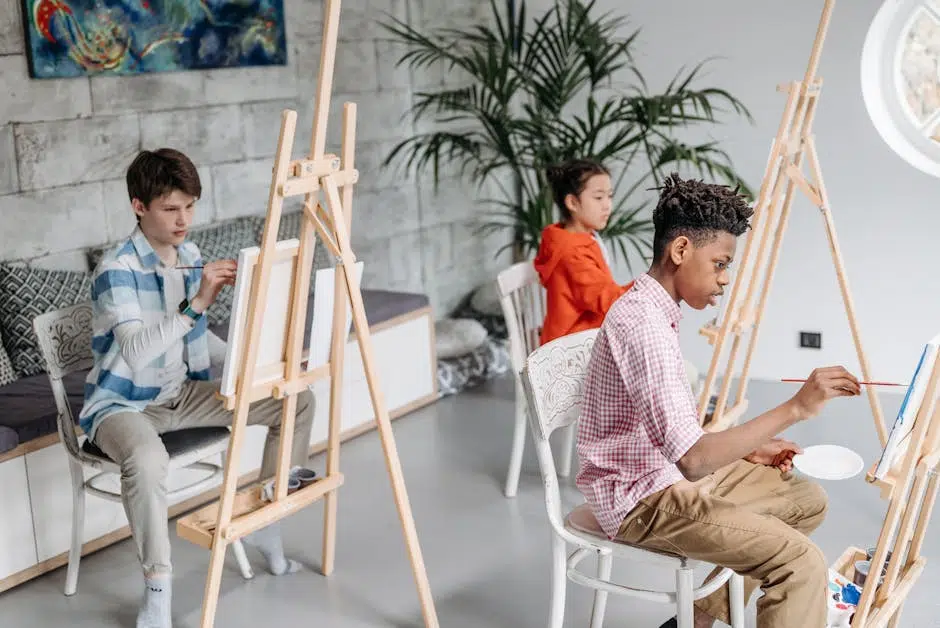
What are some art therapy project ideas for group therapy settings? [13 Proven Group Projects That Build Trust Fast]
If your group stalls, sits in silence, or avoids sharing, youre losing precious time. These art therapy projects jump-start connection in minutesedicated to reducing anxiety, building trust, and getting real results fast.
What youll get right now:
- 13 therapist-tested group projects you can run today
- Step-by-step structure that cuts awkward silence and boosts engagement
- Virtual-friendly options and insurance info for IOP/PHP programs in Florida
What happens if you skip this: more shutdowns, slower progress, and people disengaging. What happens if you act: faster trust, safer sharing, stronger outcomes.
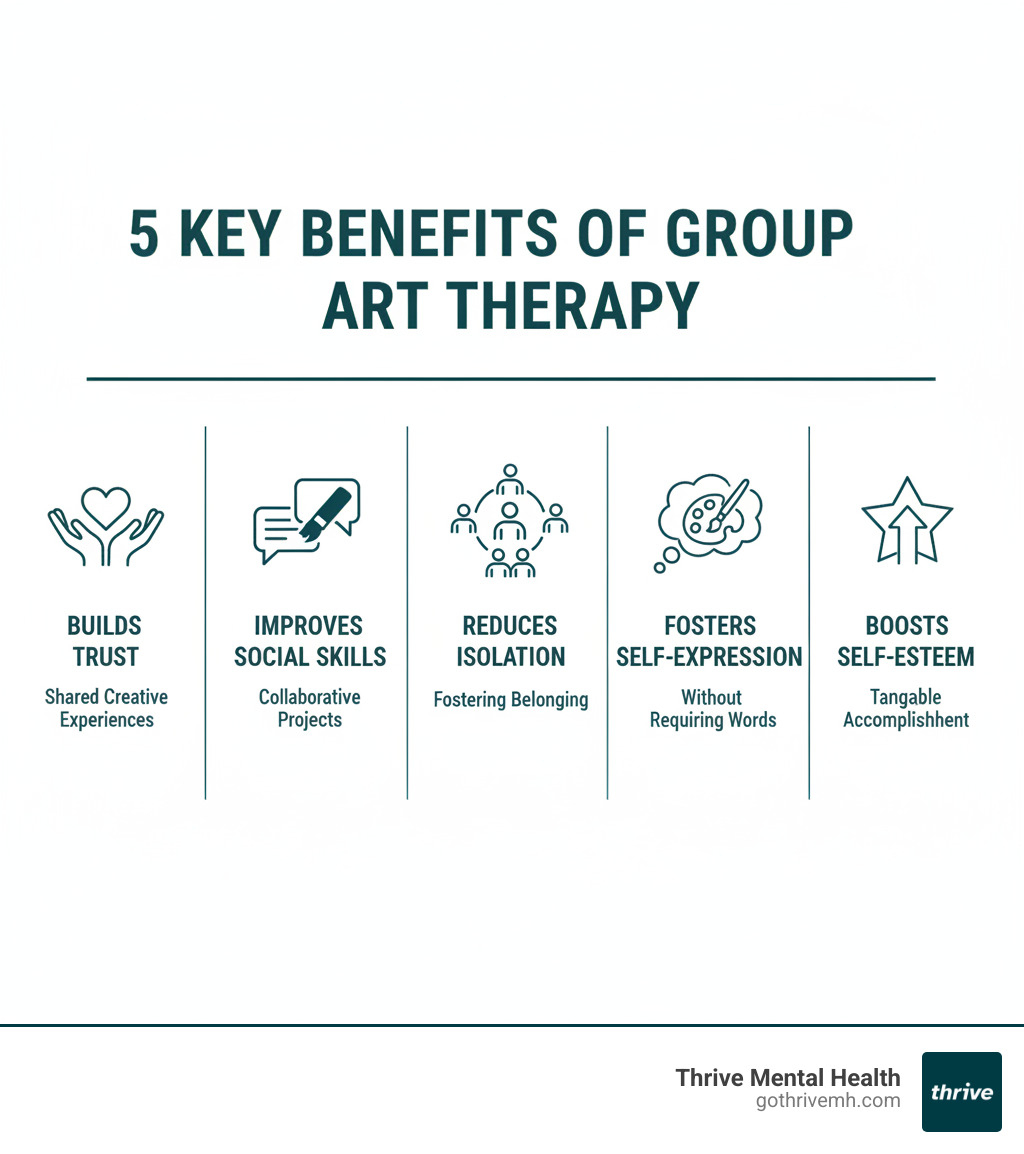
Top five to start with:
- Round-Robin Drawing Pass-it-on art that builds spontaneity and lets go of control
- Collaborative “Community” Mural A shared canvas that fosters teamwork and communication
- Inside/Outside Bags or Boxes Explore public vs. private self through symbolism
- Emotion Color Wheels Identify feelings through color instead of words
- Group Mandala Creation Create shared symbols of unity and calm through repetitive patterns
Im Nate Raine, CEO of Thrive Mental Health. Ive integrated these projects into evidence-based IOP/PHP programs for over a decade because they work.
Summary: What are some art therapy project ideas for group therapy settings? Start with these 5 low-pressure icebreakers, then move to 8 deeper builds. The clear takeaway: use art to speed connection, reduce anxiety, and keep your group moving.
Simple guide to What are some art therapy project ideas for group therapy settings? terms:
Why Group Art Therapy Works [The Science of Connection]
When the pressure to find the right words in group therapy is overwhelming, art offers another way to connect. What are some art therapy project ideas for group therapy settings? These activities bypass verbal sharing, letting you engage through color, shape, and shared creation instead.
Group art therapy combines creative expression, non-verbal communication, and emotional processing to build social support without forcing performance. You can be fully present without saying a word. At Thrive Mental Health, we integrate art therapy into our Intensive Outpatient (IOP) and PHP programs across Florida because it transforms how people heal together. It’s about making meaning in a space where you finally feel less alone. Learn more in our Understanding Art Therapy: Comprehensive Overview.
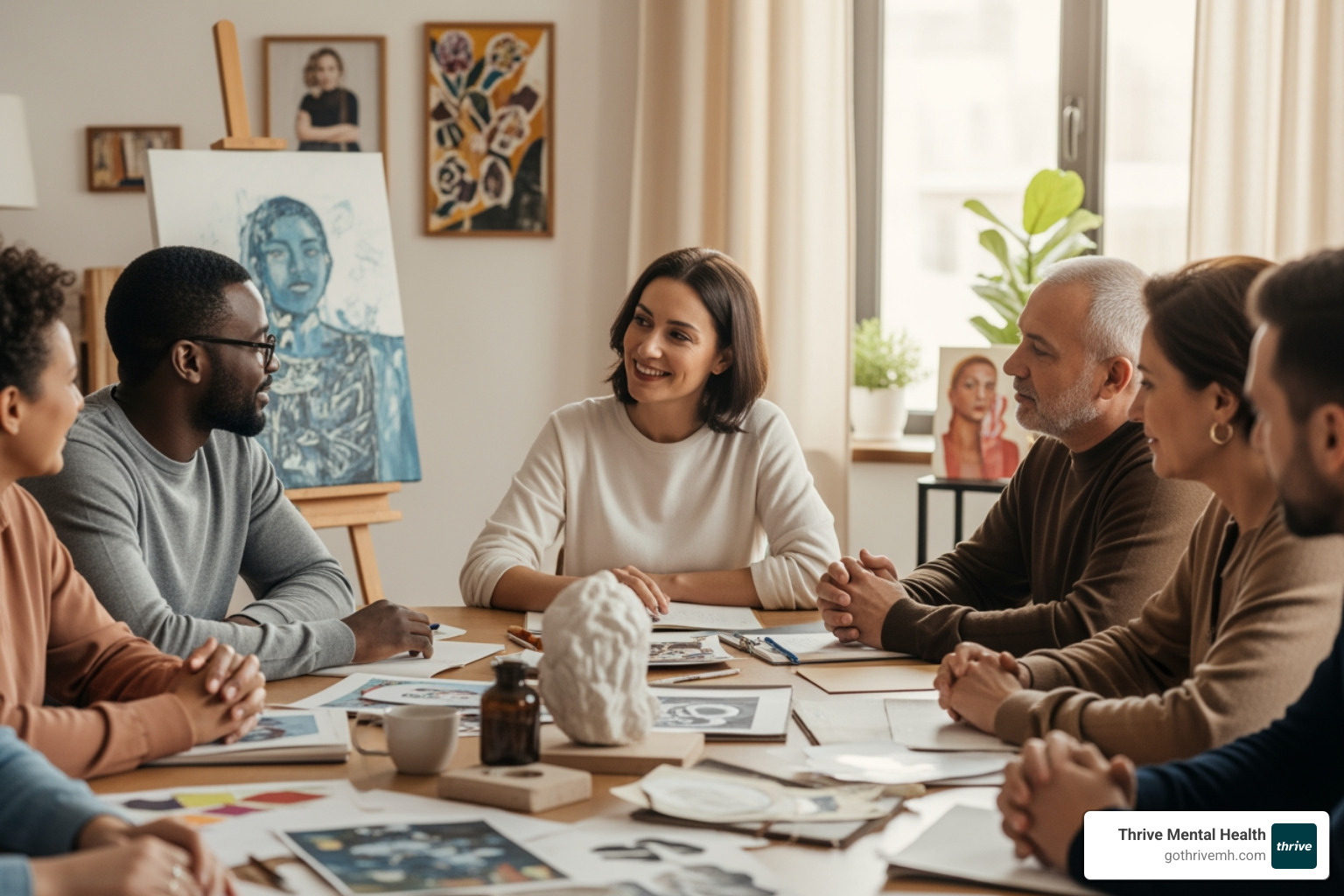
The Synergy of Shared Creation
Collaborative art-making naturally builds trust and teamwork. Working side-by-side on a shared project creates an organic sense of community without forced conversation. The mood lightens, and connection happens before anyone has to “open up.” Research shows that art therapy supports cognitive development, and in a group, this effect is amplified. The diversity of perspectives creates a richer healing space where you learn from the therapist and each other.
Bridging Communication Gaps
Art therapy offers a non-verbal outlet when emotions feel too big for words. You don’t have to explain why you chose a certain color or material; the act of creating is the message. This is especially powerful for those with social anxiety or past trauma, who often feel disconnected. Creating together establishes a new baseline for communication that is authentic and safe, without requiring performance. It’s a core reason we integrate it into our services. Learn more at Art Therapy and Counseling.
Boosting Self-Esteem and Accomplishment
Finishing an art project provides tangible proof of your ability to create and share something valuable. In a group, this sense of accomplishment is magnified by peer acceptance and feedback. You start to see yourself as creative and resilient. Art therapy helps you find hidden talents, which directly boosts self-worth and self-esteem. Research confirms that art therapy can significantly boost self-esteem, offering a path to feeling more confident. Learn more about rebuilding personal value at Art Therapy for Low Self-Esteem.
What are some art therapy project ideas for group therapy settings? [5 Projects to Start With]
Initial group art therapy projects should be low-pressure, accessible activities that help everyone feel comfortable without fear of judgment. These icebreakers focus on building rapport and group cohesion—not on artistic skill. The goal is simple: get everyone comfortable with creating and sharing together, paving the way for deeper therapeutic work.
1. Round-Robin Drawing
This pass-it-on art activity is an effective icebreaker. Each person starts a drawing, works on it for a few minutes, then passes it to the next person. The process continues until each piece has made its way around the circle. The goal isn’t a perfect final product; it’s about letting go of control, embracing spontaneity, and collaborating. The transformed drawing that returns to its creator shows how individual parts create a unique whole.
2. Collaborative “Community” Mural
Give the group a large canvas and a shared purpose: create a mural representing a collective theme like “Our Path to Wellness.” Each person contributes, negotiating space and colors to build on what others have created. This project fosters teamwork, communication, and compromise in real-time. When the mural is complete, it stands as a tangible symbol of what the group built together, creating a powerful sense of community and shared accomplishment.
3. Inside/Outside Bags or Boxes
This activity uses symbolism to explore the public versus the private self. Each person decorates the outside of a bag or box to represent their public persona and the inside to reflect their private thoughts and feelings. The key is the trust-building element: participants decide how much of their “inside” to share. This opens the door to sharing personal narratives safely, fostering empathy as members realize they aren’t alone. For more self-exploration activities, see our guide to Art Therapy Activities for Adults.
4. Emotion Color Wheels
A simple yet revealing activity. Each person gets a blank circle divided into sections and assigns colors to different emotions, filling the wheel to represent their current emotional state. Instead of saying “I’m anxious,” you can show a wheel filled mostly with your ‘anxiety’ color. This project excels at feelings identification for those who struggle to verbalize their experiences. It’s a non-verbal mood check-in that promotes self-awareness.
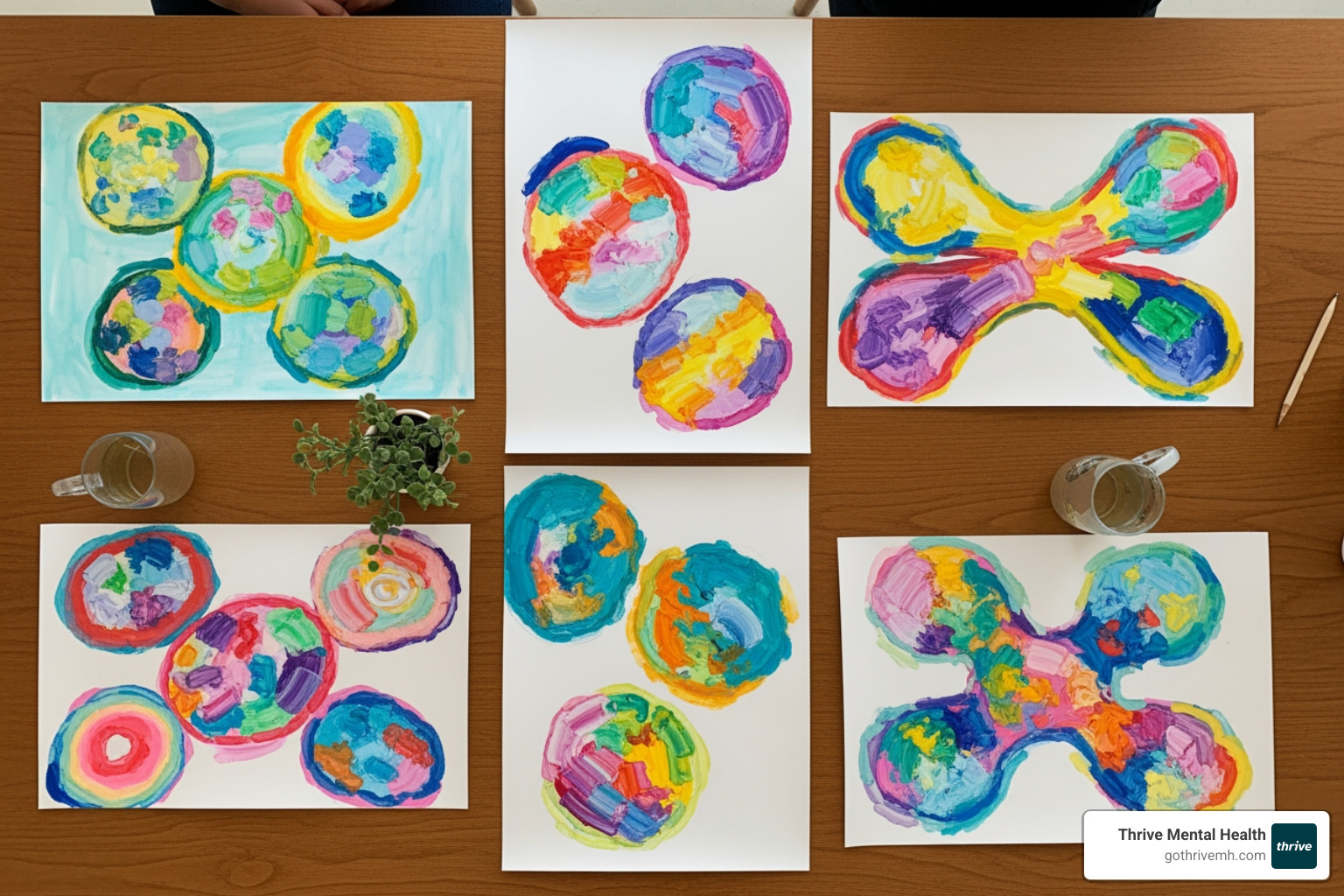
5. Group Mandala Creation
Creating a mandala—a circular design symbolizing unity—can be profoundly calming. The group can work on one large circular canvas or create individual mandalas that are later arranged together. The repetitive patterns and focused creation have a meditative quality that reduces stress. The shared intention of creating something harmonious fosters a tangible sense of unity. The final piece is a beautiful symbol of the group’s collective energy and interconnectedness.
Advanced Projects for Deeper Healing [For Established Groups]
Once your group has built trust, you can move into deeper territory. These advanced art therapy projects are tools for processing trauma, managing anxiety, and building resilience. They often involve more complex symbolism or mixed media over multiple sessions. The supportive group environment holds space for this vulnerability, so you’re not doing this work alone.
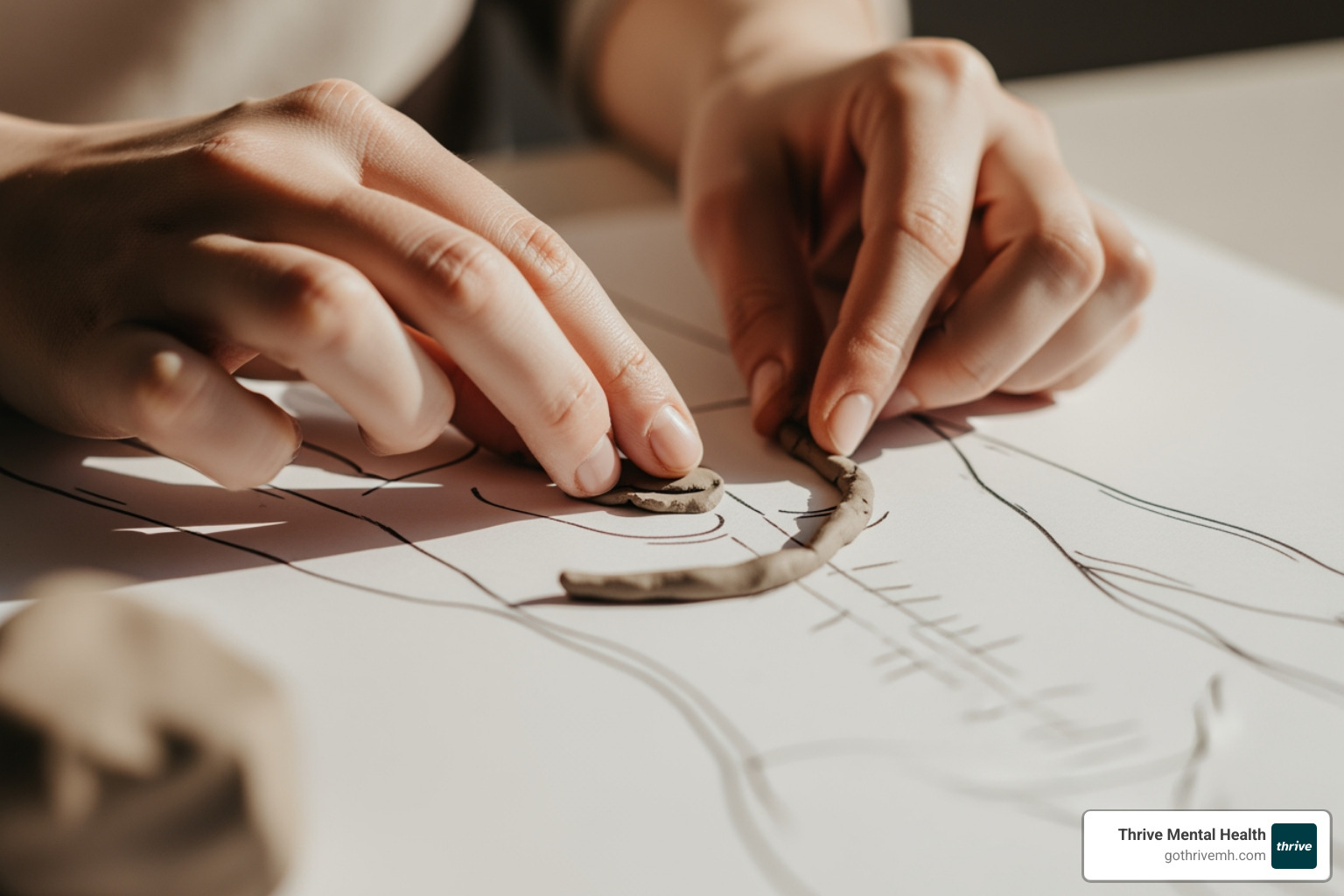
What are some art therapy project ideas for group therapy settings for trauma and anxiety?
For groups working through trauma or anxiety, art creates a safe distance from overwhelming experiences, allowing you to process without being consumed.
- Body Mapping: Trace your body outline and use colors or symbols to map where you hold emotions and tension. This builds awareness of the physical experience of trauma.
- Lifeline Drawing: Create a visual timeline of your life, using different colors to mark challenges and moments of healing. This helps you recognize your own resilience and integrate your story.
- Heart Inventory: Fill a heart shape with images representing your joys, pains, and hopes. Sharing this in a group can be deeply validating.
- Safe Place Collage: Create a visual representation of a real or imagined safe place. This fosters a sense of security and becomes a mental grounding tool for anxious moments.
These projects are most effective in structured programs like the IOP and PHP programs at Thrive Mental Health, available to all Florida residents. For more, explore our guides on Art Therapy for Trauma Recovery and Art Therapy Activities for Anxiety.
What are some art therapy project ideas for group therapy settings to build self-esteem?
Art therapy offers creative ways to internalize self-worth and recognize your strengths.
- Vision Boards: Create a collage of images and words representing your goals and dreams. Visualizing a positive future makes your hopes feel more attainable.
- “My Strengths” Shield: Design a shield with symbols of your unique strengths and accomplishments. Sharing these in a group provides powerful collective affirmation.
- Powerful Ally Drawing: Create a visual representation of an inner ally, like courage or resilience. This makes your inner resources feel more accessible when you need them.
- “How I See Myself” Portraits: Create a symbolic self-portrait of your inner landscape using color and texture. This fosters self-acceptance beyond physical appearance.
For more exercises focused on self-worth, see our Art Therapy Activities Self Esteem Guide. We weave these projects into our evidence-based programs at Thrive Mental Health in Florida to build lasting confidence.
How to Run a Successful Group Art Therapy Session
Leading a group art therapy session is about creating a space where vulnerability feels safe and healing happens organically. At Thrive Mental Health, we’ve learned that the magic happens when safety, structure, and flexibility come together in our centers across Florida and in our virtual programs.
Facilitating these sessions requires intention. The environment you create can either open up healing or shut it down. The American Art Therapy Association offers excellent guidance on professional standards, which we build our approach around.
Creating a Safe and Supportive Space
Psychological safety is everything. We’ve found these elements create that foundation:
- A non-judgmental attitude: Make it clear that artistic skill is irrelevant. The focus is on process and expression, not a perfect product.
- Confidentiality: What’s shared in the room stays in the room. This sacred agreement allows people to be authentic.
- Clear boundaries and freedom to opt-out: Participants should know what to expect but always feel they can pass on sharing without pressure.
- An organized and comfortable environment: Accessible supplies and a calm, well-lit space reduce frustration and help people relax into the creative process.
Structuring the Session for Success
A predictable structure creates a safe container for exploration. We follow a three-part approach:
- The opening check-in: A brief word or quick drawing to help everyone transition into the therapeutic space and become present.
- The core creative exercise: After simple instructions, the group has ample time to create. The facilitator offers support but mostly holds the space, knowing silence can be powerful.
- The closing reflection and sharing: Members are invited (never forced) to share their art and discuss the process. The facilitator helps connect themes and process feelings, not critique art.
Adapting for Diverse Needs and Virtual Groups
Art therapy should be accessible to everyone. We adapt for diverse needs:
- For limited mobility: We offer options like foot or mouth painting and sensory art experiences with clay or sand that don’t require fine motor control.
- For different personalities: We build in time for silent, individual reflection before group discussion to accommodate introverts and extroverts alike.
- For virtual groups: Technology makes art therapy accessible anywhere. We use digital art apps like Procreate, collaborative tools like Jamboard, and simple screen-sharing for our virtual IOP and PHP programs available to Florida residents. The principles of safety and connection remain the same. Learn how we do it at Treatment Modalities Virtual IOP: Art Therapy.
Frequently Asked Questions about Group Art Therapy
Can you do art therapy if you have no artistic skill?
Absolutely. Art therapy is about the process of creation, not the final product. The goal is self-expression and emotional exploration, not artistic skill. Your therapist guides your journey, not your technique. In fact, having no artistic expectations can lead to more honest and powerful work.
How does collaborative art help with social anxiety?
Collaborative art projects reduce the pressure of direct social interaction. Instead of forced small talk, you work side-by-side toward a common creative goal. The shared focus on the art acts as a buffer, allowing rapport and trust to build naturally. This low-stakes interaction helps reduce isolation and makes connection feel less intimidating.
What’s the difference between an art class and art therapy?
An art class teaches technique and focuses on creating an aesthetically pleasing product. Art therapy, led by a trained therapist, uses the creative process to achieve therapeutic goals like processing emotions and improving mental health. In art therapy, the emotional journey and insights gained are more important than the final product.
Is group art therapy covered by insurance?
Yes, when art therapy is part of a structured clinical program like an Intensive Outpatient Program (IOP) or Partial Hospitalization Program (PHP), it is often covered by insurance. Major providers like Cigna, Aetna, Optum, and Florida Blue typically cover these services for our programs in Florida. Coverage varies by plan, so it’s best to verify your benefits. Thrive Mental Health offers a quick, confidential insurance check to clarify your coverage with no obligation.
Take the First Step Toward Creative Healing
You asked: What are some art therapy project ideas for group therapy settings? Now youve got 13 proven projects that build trust, lower anxiety, and accelerate progressin-person or virtual.
At Thrive Mental Health, we integrate art therapy into our IOP and PHP programs across Florida. Many plans (Cigna, Aetna, Optum, Florida Blue) cover these services within structured care.
Ready for support? Thrive offers virtual and hybrid IOP/PHP programs with evening options for Florida residents. Verify your insurance in 2 minutes (no obligation) Start benefits check or call 561-203-6085. If youre in crisis, call/text 988.