
Detailed Reviews of Top Art Therapy Painting Programs

Where can I find a program that uses art therapy painting ideas for mental health? Top 5 Amazing Recovery!
Why Traditional Therapy Alone Isn’t Working—And How Art Therapy Painting Can Break Through Faster
Where can I find a program that uses art therapy painting ideas for mental health? If you’ve hit a wall with talk therapy, here’s what you need to know:
Quick Answer:
- Thrive Mental Health offers virtual and in-person IOP/PHP programs with licensed art therapists across Florida.
- Insurance accepted: Cigna, Optum, Florida Blue, Aetna.
- Flexible options: Evening sessions, hybrid care, and private therapy.
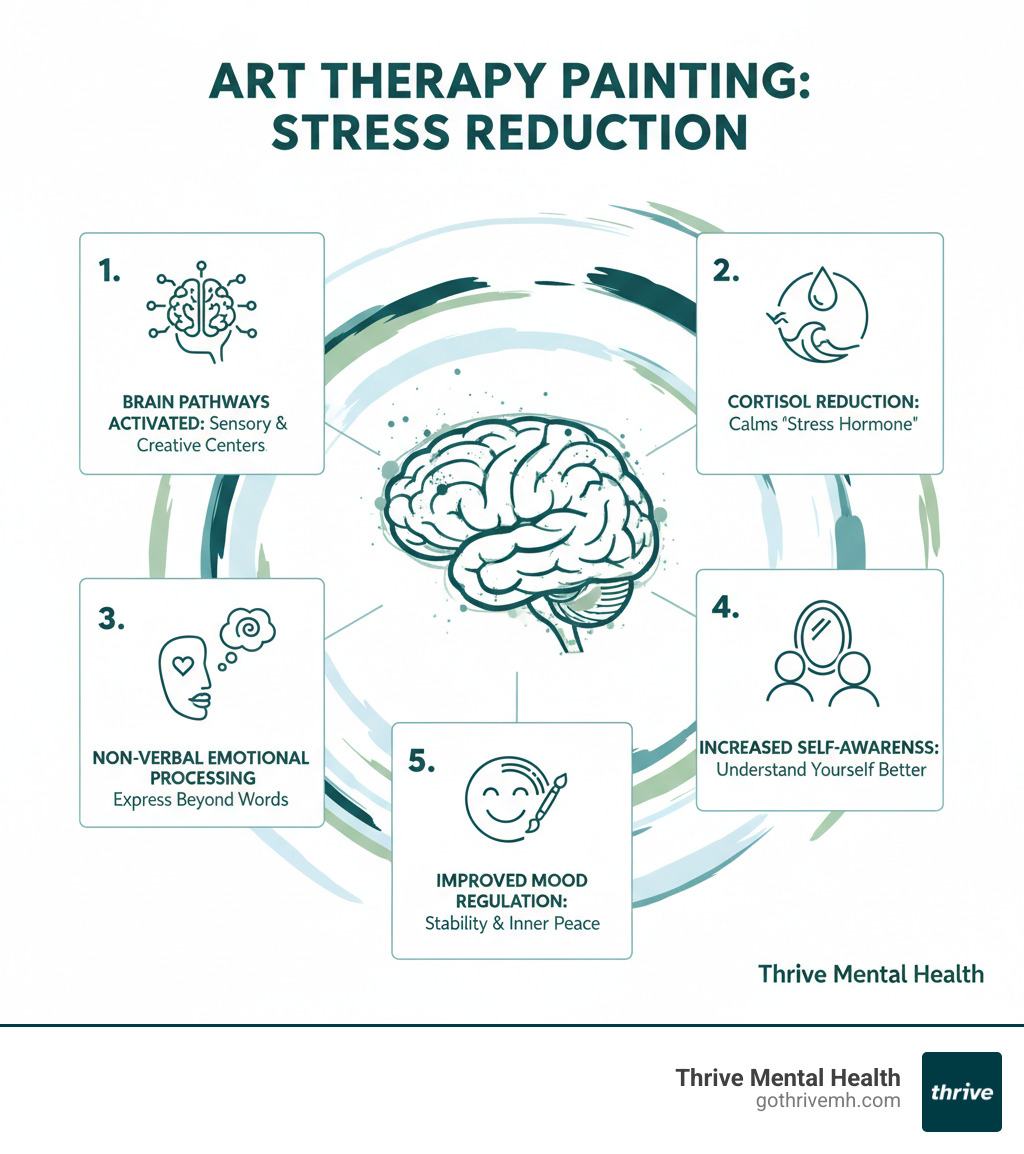
- Evidence-based: Painting reduces the stress hormone cortisol, improves mood, and helps process trauma non-verbally.
- Start now: Verify insurance in 2 minutes or call 561-203-6085.
You’ve tried weekly therapy, journaling, and meditation, but anxiety, depression, or trauma still control your life. The truth is, words don’t always reach the parts of the brain that need healing.
Art therapy painting works differently. It bypasses the verbal loops in your brain and activates the sensory and emotional pathways that create calm. Research shows painting in a therapeutic setting lowers stress hormones, reduces negative emotions, and helps you express what you can’t put into words. This isn’t an art class; it’s a clinically proven tool used in Intensive Outpatient (IOP) and Partial Hospitalization (PHP) programs to accelerate recovery.
The challenge is finding a program with licensed art therapists and insurance coverage. That’s where Thrive comes in. I’m Nate Raine, CEO of Thrive Mental Health, and we’ve built our programs to integrate innovative modalities like art therapy painting with evidence-based clinical care. We’ve seen it create breakthroughs when traditional therapy stalls. This guide will show you how it works and how to find a program that delivers real results.
Where can I find a program that uses art therapy painting ideas for mental health? helpful reading:
Why Painting Works: The Science Behind Art Therapy for Mental Health
Where can I find a program that uses art therapy painting ideas for mental health? The answer starts with understanding the science. Art therapy isn’t a hobby class; it’s led by licensed therapists who use the creative process as a clinical tool for healing.
Emotional Regulation and Self-Findy
When you feel overwhelmed but can’t find the right words, painting provides an outlet. It allows you to translate feelings into colors and shapes, externalizing what’s trapped inside. A study in The Arts in Psychotherapy found that art therapy participants showed improved mood and better emotional coping skills. You’re not just getting temporary relief; you’re building lasting skills to manage your feelings. For more on this, see our guide on Art Therapy Activities for Anxiety.
Flow State and Mindfulness
Painting is one of the fastest ways to achieve a flow state, where self-consciousness disappears and mental chatter quiets. This is a form of mindfulness that anchors you in the present, giving your brain a break from the anxiety loop. Studies show that artistic activities that induce flow significantly reduce stress and improve well-being.
Research-Backed Benefits
Decades of research confirm that art engagement improves mental and physical health. One study in the Journal of the American Art Therapy Association found that participants had measurably lower cortisol levels (the stress hormone) after art therapy sessions. A comprehensive review in the American Journal of Public Health found consistent evidence linking art to improved well-being. You can read the review here. Art therapy is evidence-based treatment.
Rewiring Your Brain for Calm
Painting activates sensory, emotional, and symbolic pathways in your brain, stimulating neuroplasticity—your brain’s ability to form new connections. You are literally rewiring your brain to respond differently to stress and trauma. This is especially powerful for trauma survivors, as painting can access memories stored in sensory and emotional regions that language-based therapy can’t always reach.
Why Paint Is Uniquely Powerful
Painting is uniquely effective for three reasons. Color psychology allows you to make intuitive choices that reveal your inner state. The tactile experience of mixing paints and moving a brush grounds you in your body and the present moment. Finally, the process itself is a metaphor for change—you can paint over mistakes, blend colors, and watch something new emerge, proving to yourself that growth is possible. That’s why programs like Thrive’s IOP and PHP integrate painting as a core tool for recovery.
5 Art Therapy Painting Techniques Used in Thrive’s Programs
At Thrive Mental Health, painting is one of the most powerful tools our licensed art therapists use to help you process emotions, work through trauma, and build coping skills. Our IOP and PHP programs integrate clinically designed techniques to meet you where you are, whether you’re dealing with anxiety, depression, or PTSD.
Where can I find a program that uses art therapy painting ideas for mental health? At Thrive, we use five core techniques in our programs across Florida. The best part? You don’t need to be “good at art.” These methods bypass your inner critic to tap directly into your emotions.
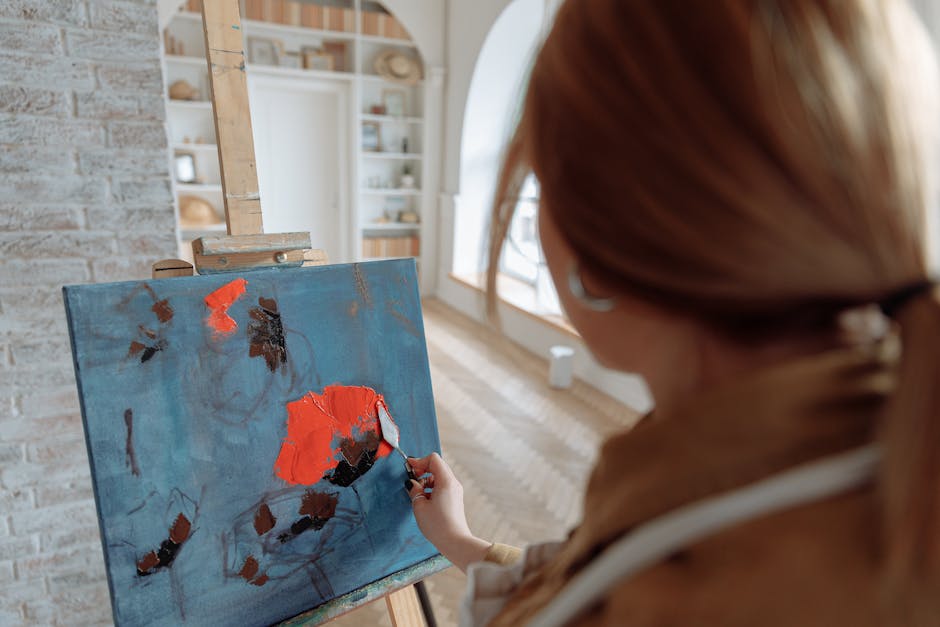
- Abstract Emotions Painting: You don’t paint an object; you paint a feeling. This helps externalize what’s swirling inside so you can see it and work with it.
- Painting to Music: Let rhythm and melody guide your hand. This technique is powerful for reconnecting with your body and emotions.
- Guided Imagery Painting: After a guided visualization of a safe place, you paint what you saw. This builds an internal resource to use during moments of stress. Learn more in our guide to Art Therapy for Trauma Recovery.
- Self-Portrait as a Feeling: Instead of your physical likeness, you paint yourself as an emotion. This helps explore identity and how feelings shape your sense of self.
- Mandala Painting: The repetitive, focused process of painting symmetrical designs calms the nervous system, reduces anxiety, and promotes grounding.
At Thrive, these techniques are woven into a comprehensive treatment plan alongside therapy, group support, and psychiatric care. Our programs accept major insurance like Cigna, Optum, Florida Blue, and Aetna. Verify your insurance in 2 minutes to see what your plan covers.
1. Abstract Emotions Painting
Abstract Emotions Painting is a powerful technique we use at Thrive, especially for those just starting. The reason it works is simple: you don’t need to be an artist to benefit. The less you worry about making “good” art, the more healing can happen.
Instead of trying to find the right words for anxiety or depression, you pick up a brush and let your emotions guide you. Anger might become sharp red slashes; grief could be heavy, dark blues. There are no rules and no recognizable images required. The goal is to externalize what’s inside.
When you give your feelings shape and color on the canvas, you make the invisible visible. This allows you and your therapist to look at it together and understand it in a way words alone can’t. Clients often have breakthroughs when they see what they’ve been holding inside. This technique is a core part of our virtual and in-person IOP sessions in Florida, where licensed art therapists guide you through the process.
2. Mandala Painting for Focus and Calm
When your mind is racing with anxiety, mandala painting offers a visual path back to center. The circular, symmetrical nature of mandalas is inherently therapeutic. In fact, research from the National Library of Medicine shows that creating mandalas significantly reduces negative emotions.
In Thrive’s art therapy painting for mental health programs, we guide you through this process. As you focus on filling in the repetitive patterns with color, your breathing slows, and the loop of anxious thoughts begins to fade. It’s mindfulness in action.
This technique gives your nervous system something concrete and orderly to focus on when life feels chaotic. The repetition is meditative, and completing each section provides a tangible sense of accomplishment. Many clients describe it as “finally being able to breathe again,” making it a go-to practice for reclaiming calm.
3. Painting Your “Safe Place”
When trauma or stress puts your nervous system into overdrive, painting your “safe place” is a grounding technique we use at Thrive to help you find calm. Your art therapist guides you through a visualization of a place where you feel completely safe and at peace—whether it’s a real memory or an imagined sanctuary.
Then, you paint it. You translate that inner vision onto canvas, using colors and textures that represent your own inner peace. The process itself is calming, and the finished piece becomes a tangible coping tool. It’s a visual anchor you can look at or picture in your mind when you feel triggered or overwhelmed.
This technique is especially powerful for trauma recovery, as it gives your brain a concrete resource to signal safety to your nervous system. At Thrive, this guided painting exercise is woven into our IOP and PHP programs. To learn more, visit our page on Art Therapy for Trauma Recovery. Your safe place isn’t just a painting; it’s a lifeline.
Where to Find Art Therapy Painting Programs for Mental Health [Florida]
Where can I find a program that uses art therapy painting ideas for mental health? Not every program that mentions “art therapy” delivers clinical treatment. You need a program with licensed therapists, a structured approach, and insurance coverage.
At Thrive Mental Health, our Intensive Outpatient (IOP) and Partial Hospitalization (PHP) programs combine licensed art therapists with evidence-based treatment. We offer services both virtually and in-person across Florida.
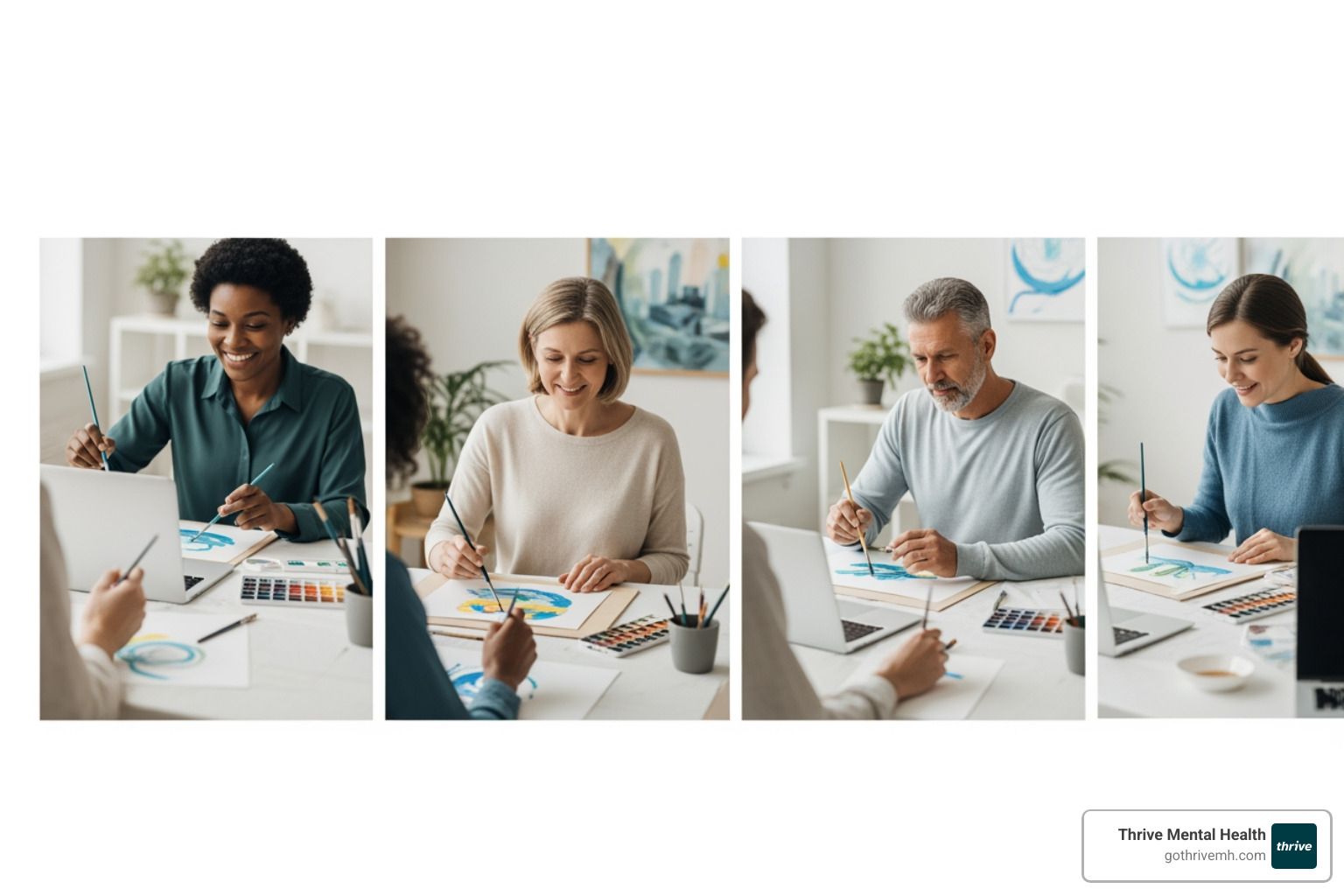
Thrive’s Program Options: Virtual, In-Person, and Private
We designed our programs to be flexible. Our virtual options bring expert care to you, while our in-person centers provide a grounding community. We accept major insurance like Cigna, Optum, Florida Blue, and Aetna to make care affordable. Our IOP and PHP programs offer a higher level of care than weekly therapy, providing the momentum needed for real breakthroughs.
Virtual IOP/PHP: Expert Art Therapy at Home
Our virtual programs deliver multiple hours of daily care, including dedicated art therapy painting sessions, several days a week. With evening and hybrid options, you can get treatment without pausing your work or school. Our programs are evidence-based and covered by major insurance. Verify your insurance in 2 minutes to see your options. For more details, visit our Virtual Mental Health Support page.
In-Person Art Therapy Painting Groups
For those who thrive in a community setting, our in-person groups offer powerful peer support. You can find our centers across Florida (Tampa Bay, Miami, Orlando, etc.).
Private Art Therapy Sessions
For issues too raw for a group or for those needing highly individualized attention, we offer private sessions with a licensed Thrive art therapist. These are ideal for complex trauma, depression, anxiety, or for supporting a teen or adult one-on-one. When seeking an art therapist, always verify their credentials: a Master’s degree in art therapy, ATR-BC certification, and a state license. For parents, our Art Therapy for Teenagers page offers more specific insights.
Checklist: How to Choose the Best Art Therapy Painting Program for You

When searching for where can I find a program that uses art therapy painting ideas for mental health?, you need to know how to spot real treatment. Use this checklist to vet your options.
Vetting Programs: What to Ask
- Therapist Qualifications: Are they licensed with a Master’s degree in art therapy and an ATR-BC (Art Therapist Registered – Board Certified) credential?
- Program Philosophy: Is the focus on the therapeutic process or on creating “good” art? (Hint: It should be the process.)
- Progress Tracking: How are goals set and progress measured?
- Customization: Are activities adapted to individual needs or one-size-fits-all?
- Group Size & Safety: What is the client-to-therapist ratio, and how is a confidential, supportive environment maintained?
Credentials to Look For
Don’t settle. Your therapist must have a Master’s degree in art therapy and, ideally, the ATR-BC credential. This board certification is the gold standard, proving they have met rigorous professional and ethical standards. Also, ask about their clinical experience with your specific concerns, like trauma or adolescent mental health.
Insurance and Costs
Navigating insurance can be confusing. First, confirm if the program is in-network with your provider. Thrive accepts major insurers like Cigna, Optum, Florida Blue, and Aetna, which typically means lower costs for you. Always ask about potential copays and deductibles upfront. Reputable programs, including Thrive, offer free insurance verification. You can Verify Insurance on our site in minutes.
Specializations Matter
Look for programs with specialized training in what you’re dealing with. A therapist specializing in adult trauma will have a different approach than one who works with teens struggling with anxiety. If you’re a parent, ask about their experience with adolescents. Our approach is detailed on our Art Therapy for Teenagers page.
Individual vs. Group Therapy
- Individual therapy offers complete privacy and personalized attention, ideal for complex trauma or if you prefer one-on-one connection.
- Group therapy provides peer support and the powerful realization that you’re not alone. It offers diverse perspectives and a sense of community.
Many clients at Thrive find a combination of both offers the most comprehensive healing. A good program will help you decide what’s right for you.
FAQs: Art Therapy Painting for Mental Health
What’s the difference between art therapy and an art class?
An art class teaches you skills to make “good” art. Art therapy is led by a licensed therapist who uses painting as a tool for healing and self-findy. The focus is on the therapeutic process and what your art reveals, not on your technical ability.
Do I need to be an artist to benefit?
Absolutely not. Art therapy is for everyone, and no skill is required. In fact, people who don’t consider themselves “artistic” often benefit most because they are less focused on perfection and more open to genuine expression.
Can art therapy painting help with anxiety or depression?
Yes. Research shows that painting in a therapeutic setting lowers stress hormones like cortisol, improves mood, and helps you process difficult emotions. It engages your brain in ways that talking alone can’t, helping to regulate your nervous system and providing a non-verbal outlet for what you’re feeling.
Does insurance cover art therapy painting programs?
Yes, often. When art therapy is part of a structured mental health program like an IOP or PHP, it is typically covered by insurance. Thrive’s programs accept major providers like Cigna, Optum, Florida Blue, and Aetna. It’s always best to verify your specific benefits, which our team can help you do.
How do I find a Thrive program near me?
Thrive offers licensed programs in Florida, with in-person centers in major cities. We also provide virtual IOP/PHP programs, giving you flexible access to high-quality care from anywhere in the state.
Summary: Where Can I Find a Program That Uses Art Therapy Painting Ideas for Mental Health?
If you’re searching for where can I find a program that uses art therapy painting ideas for mental health?, know this: art therapy painting is a clinical tool that can break through anxiety, depression, and trauma when talk therapy isn’t enough. You don’t need artistic talent—the healing is in the process of non-verbal expression.
Thrive Mental Health makes this powerful treatment accessible. We offer virtual and hybrid IOP/PHP programs led by licensed art therapists, with flexible evening schedules and coverage from major insurance providers like Cigna, Optum, Florida Blue, and Aetna. With services across Florida, expert care is within reach.
You don’t have to stay stuck. Your recovery can start now with a team that understands both the science of healing and the art that makes it possible.
Ready for support? Thrive offers virtual and hybrid IOP/PHP programs with evening options. Verify your insurance in 2 minutes (no obligation) → Start benefits check or call 561-203-6085. If you’re in crisis, call/text 988.