





15 Mental Health Art Activities for Kids [That Actually Work]
Mental health art activities for kids are structured, creative practices, like painting feelings, making worry dolls, or designing gratitude jars, that help children express emotions, build resilience, and develop coping skills through play and imagination.
Quick-Start Art Activities for Kids’ Mental Health:
| Activity | Purpose | Age Range |
|---|---|---|
| Feelings Wheel | Name and identify emotions | 5+ |
| Mood Mandalas | Reduce anxiety and stress | 6+ |
| Worry Dolls | Externalize fears and worries | 4+ |
| Self-Portrait Collage | Build self-awareness and acceptance | 7+ |
| Painting to Music | Express emotions nonverbally | 3+ |
| Gratitude Jar | Focus on positive experiences | 5+ |
Your child comes home from school. You ask, “How was your day?” They shrug. “Fine.”
But you know something’s off. Maybe they’re quieter than usual. Maybe they’re melting down over homework that used to be easy. Maybe they’re glued to a screen, avoiding eye contact.
Art is one of the fastest ways to get past “I’m fine” and into what is really going on. It gives kids a low-pressure way to show you their inner world without feeling grilled or put on the spot.
Here’s the truth: Kids today are dealing with more than we realize. Academic pressure. Social media anxiety. A world that moves faster than their developing brains can process. And unlike adults, they don’t always have the words to explain what’s happening inside.
That’s where mental health art activities for kids come in. Art isn’t just about crayons and paper, it’s a language when words fail. It’s a safe space to release big feelings. It’s a bridge between their inner world and yours. And the best part? You don’t need to be an artist or a therapist to make it work.
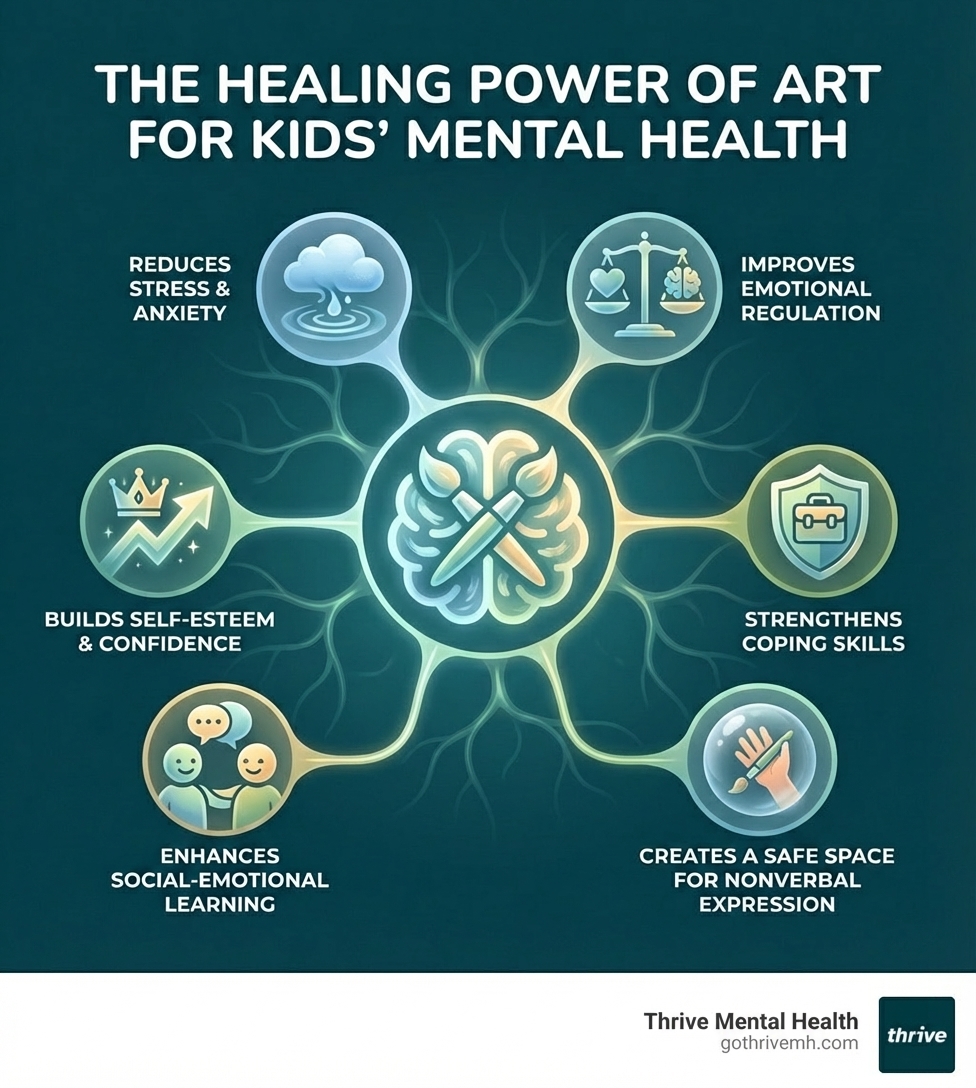
Research shows that art activities can reduce anxiety, improve emotional regulation, and strengthen social-emotional skills. Whether it’s drawing a “feelings monster,” creating a gratitude banner, or simply painting to music, these activities give kids a healthy outlet for stress and a way to build resilience, skills they’ll carry into adulthood.
I’m Nate Raine, CEO of Thrive Mental Health, where we’ve seen how creative expression transforms mental wellness in young people and adults. Over the years, I’ve guided families and clinicians in integrating mental health art activities for kids into evidence-based treatment plans, and I’ve watched children open up emotions they couldn’t yet name.
This guide walks you through 15 simple, research-backed art activities you can do at home, no special supplies or training required. You’ll also learn how to guide these moments for real emotional growth, when to consider a higher level of care like an Intensive Outpatient Program (IOP), and how to get support across Florida.
Quick mental health art activities for kids definitions:
Why Art is a Superpower for Your Child’s Brain
Children’s brains are incredible, but they develop at their own pace. Until about 16 years old, their brains aren’t fully equipped to consistently and effectively link emotions with words. This is where art and play step in as natural pathways for healing and emotional expression. As developmental psychologist Jean Piaget observed, playing gives a child a language that is indispensable to the expression of their feelings. A child who struggles to say “I’m scared” might show fear in a drawing or puppet play. Art and play bypass the pressure of words and open a doorway to feelings, making mental health art activities for kids incredibly effective.
When children are upset, their brain’s problem-solving and language capabilities actually decrease. Art provides a non-verbal, visual, and kinesthetic language that gives form to these overwhelming emotions. Once internal experiences are made tangible, children can step back, reflect, and allow their “thinking brain” to re-engage, strengthening neural connections. This process helps them move from a state of emotional overwhelm to a place where they can process and understand their feelings.
The benefits of engaging children in fun mental health art activities for kids are profound and far-reaching:
- Emotional Regulation: Art provides a safe outlet for big feelings like anger, sadness, or anxiety, helping children learn to manage and express them constructively. Creating mandala art, for instance, has been shown to reduce symptoms of depression, anxiety, and stress among students, and can be especially helpful for those with symptoms of attention deficit hyperactivity disorder (ADHD).
- Coping Skills: Engaging in structured activities like coloring or sculpting helps children develop healthy coping mechanisms. The simple act of concentrating on intricate designs, like friendship bracelets, can relieve stress.
- Self-Awareness & Self-Esteem: Activities like self-portraiture encourage self-reflection and accepting the self. Children gain a better understanding of who they are and what makes them unique.
- Stress Reduction: The meditative quality of many art forms can calm the nervous system. Studies by Curry and Kasser (2005) showed reduced anxiety symptoms after coloring plaid and mandala patterns that put participants into a meditative state.
- Social-Emotional Learning (SEL): Art activities can foster empathy, communication, and connection. When children create art together or discuss their creations, they build vital social skills.
- Resilience: By repeatedly engaging in activities that help them process difficulties, children build a foundation for bouncing back from challenges.
Parents and caregivers play a crucial role in these activities. Modeling self-care, pausing for mindful breathing, or joining in a gratitude activity shows kids that emotional health matters for the whole family. When we engage alongside our children, these activities transform from “therapeutic homework” into shared bonding experiences. Consistency and intentionality are key.
Even simple interactions with nature can sharpen cognition and improve mental health. So, let’s harness the superpower of art to nurture our children’s emotional well-being.
15 Simple Mental Health Art Activities for Kids You Can Do Today
These mental health art activities for kids are designed to be accessible and fun, focusing on the process of creation and expression rather than artistic perfection. You don’t need fancy supplies; common household items or basic art materials will do!
Activities for Emotional Expression
- Feelings Wheel: A feelings wheel can help kids “learn how to understand and process emotions, increase self-awareness, improve emotional communication, and boost well-being.” Have kids make a wheel on paper divided into segments that they can spin; each segment has a different emotion or coping strategy. You can find tutorials for a DIY Emotions Wheel.
- Mood Mandalas: Creating mandala art is a therapeutic method that can be used to reduce the symptoms of depression, anxiety, and stress among students. It can be especially helpful for those with symptoms of attention deficit hyperactivity disorder (ADHD). Provide paper and drawing tools, then guide your child to draw a circle and fill it with patterns and colors that reflect their current mood. Explore Mood Mandalas Art Lesson.
- Draw Your Feelings Monster: This activity helps children externalize big, scary emotions by giving them a physical form. Encourage your child to draw a “feelings monster” that represents how they feel inside. Is it spiky? Colorful? Big or small? This can be a great way to start a conversation about what makes the monster appear. Sesame Workshop offers a printable for Expressing Feelings with the Mood Monster.
- Inside/Outside Silhouette: This activity encourages self-reflection and helps children explore their self-perception versus how others see them. Students trace their silhouettes on large paper, then fill the silhouette with images and words that tell their story. This “Inside/Outside” idea has kids “draw and/or write about themselves (their ‘insides’) and about how others perceive them (their ‘outsides’).” See a tutorial for How To Make a Silhouette Painting.
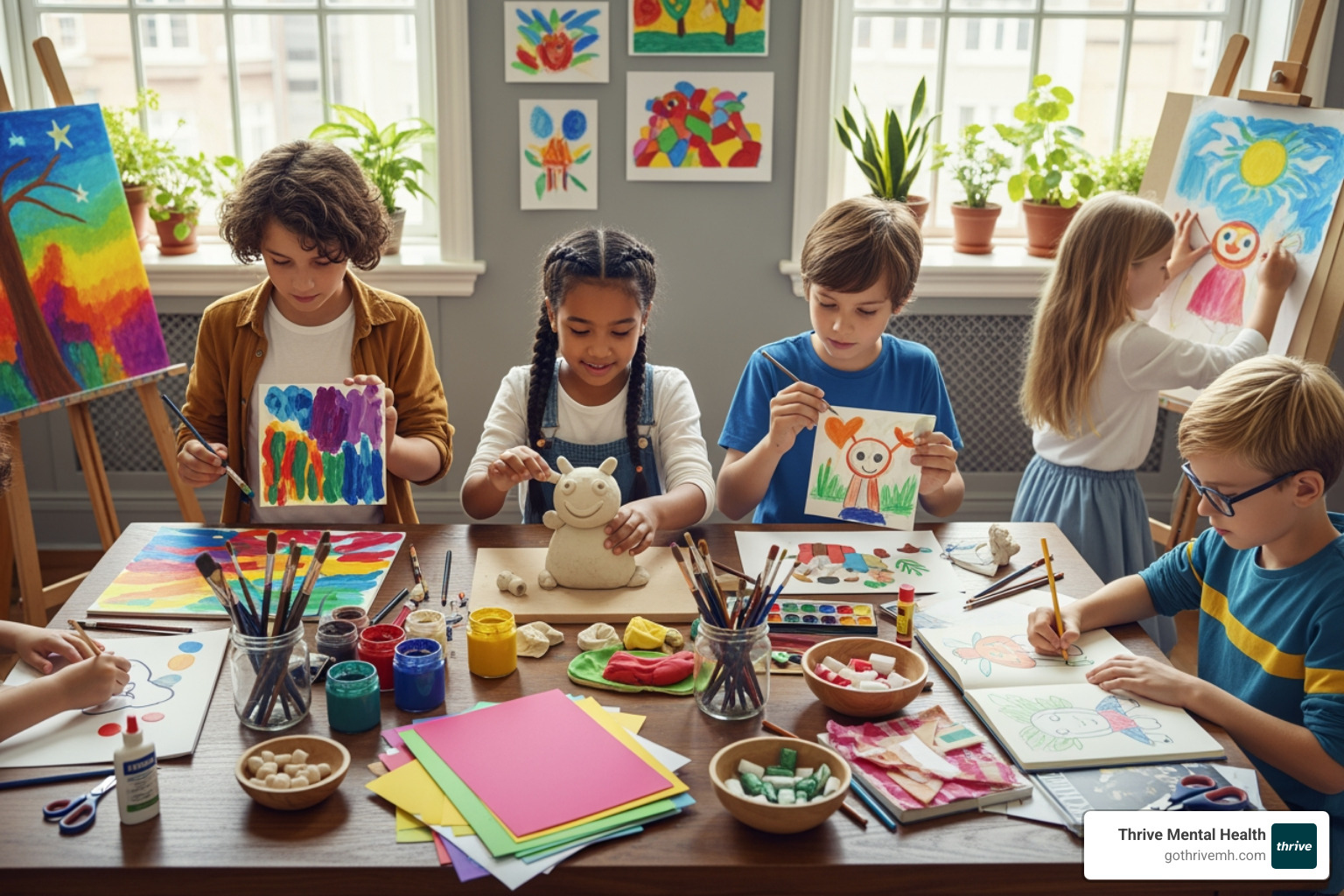
- Clay Art, Carve Out Some Feelings: The use of clay art therapy has been associated with physical, psychological, and cognitive improvement. Give children clay to mold and shape. They can create figures or objects that represent their emotions or significant life events. This tactile process can be very grounding. Learn How To Sculpt a Person. For more ideas on how art helps with emotional expression, check out our article on Art Therapy for Teenagers.
Mindfulness & Relaxation Activities
- Mindful Coloring: Simple yet powerful, mindful coloring helps children focus on the present moment and calm their minds. Provide coloring pages (mandalas or intricate patterns are excellent) and encourage them to concentrate on the colors and lines. Mental Health New Zealand offers a Mindful Colouring Template.
- Nature Art: Being in nature can improve our mental health and sharpen our cognition. Head outside and gather materials like twigs, leaves, stones, and flowers. Then, use those items to make something meaningful, like a collage or a sculpture, connecting with the natural world.
- DIY Stress Balls: Studies show that squeezing a stress ball can help manage “temporary stress and tension by providing a tactile distraction and promoting relaxation.” Make stress balls with balloons and flour or rice, then decorate them. Learn How To Make Homemade Stress Balls for Kids.
- Painting to Music: Did you know you could use music as a prompt? Play different types of music and have students paint what they feel when they hear the music. Art and music therapies are less about creating a masterpiece and more about the process of self-findy and healing. It’s OK to get messy! Explore a Music Activity for Kids.
- Guided Imagery Drawings: Guided imagery has been used for centuries to activate the mind-body connection, enhancing an individual’s sense of well-being and reducing stress and anxiety. Lead a guided imagery session (or use a meditation app), then have children draw the scenes or feelings they experienced during the session. This helps process internal experiences visually. For more art-based relaxation, see our article on Art Therapy Activities for Anxiety.
Activities for Resilience & Self-Esteem
- Worry Dolls: Rooted in Guatemalan history, therapists have found worry dolls to be very valuable in helping kids overcome difficult emotions, especially grief. Using clothespins, twigs, and other common items, children can “create their own very special ‘friend’ who can listen to their worries and fears.” Find Fun Ways To Make Worry Dolls.
- Self-Portrait Collage: According to research, self-portraiture can encourage self-reflection and accepting the self. Have children create collages that represent different aspects of their personalities or lives using magazines, fabric scraps, and other materials. This helps them explore their identity in a creative way. Get a tutorial for Self-Portrait Collage.
- Hero’s Story Storyboard: Storyboarding allows kids to participate in a design method where they can tell stories by drawing emotional expressions. Have your kids create a comic strip or storyboard that tells a story of a hero, an alter ego of themselves, overcoming challenges. This builds a sense of agency and resilience. Learn how to Create a Storyboard.
- Gratitude Jar/Banner: Expressing gratitude can provide physical and mental benefits such as decreased anxiety and depression, and improved sleep, mood, and immunity. A great way to bring this into daily life is to have children create a banner focused on gratitude or decorate a jar to fill with notes of things they are thankful for. Find a DIY Banner tutorial.
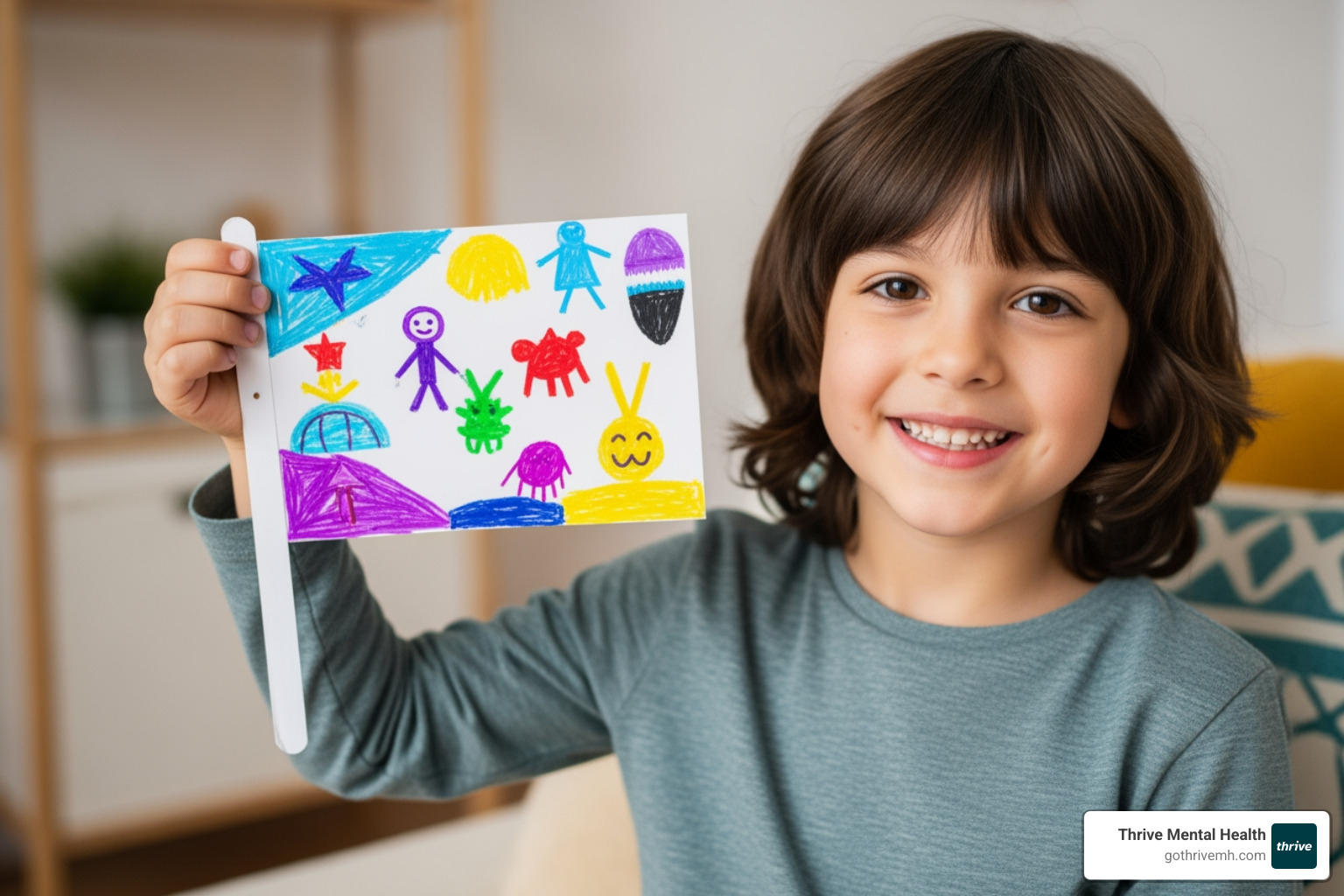
- Personal Flag: Encourage children to design and create a flag that represents who they are, their values, dreams, and aspirations. This activity can be especially useful when helping kids get in touch with their true selves, personal goals, and sense of identity. Explore how to Make a Flag About Me. For more activities focused on self-esteem, check out our Art Therapy Activities for Self Esteem Guide.
Beyond Doodles: How to Guide Art for Real Emotional Growth
It’s one thing to provide art supplies; it’s another to guide the experience for genuine emotional growth. The way we talk about and interact with a child’s art makes all the difference. We want to foster self-awareness, not just create pretty pictures.
 Understanding the Impact of Autism on Learning Abilities: Strategies and InsightsCoping Strategies
Here are some best practices for parents and caregivers:
- Focus on the Process, Not the Product: Let children know that their art doesn’t need to be “pretty” or “perfect.” The value lies in the act of creation and expression. “Art and music therapies are less about creating a masterpiece and more about the process of self-findy and healing.”
- Use “I Notice…” and “I Wonder…” Statements: Instead of generic praise like “Good job!” or interpreting their art for them, try open-ended observations. For example, “I notice you used a lot of blue and sharp lines here. I wonder what that feels like?” This invites them to share their internal experience.
- Let the Child Lead the Conversation: Ask questions like, “Tell me about what you made,” or “What did you notice on the inside while you were making it?” Encourage them to share their thoughts on their art first. This empowers them and validates their experience.
- Get Curious About Worries: If a child expresses frustration or worry through their art, get curious. “I see a lot of tangled lines here. Does that feeling come up in other parts of your day?” This can help connect their artistic expression to real-life emotions.
- Point Out Strengths: Observe and acknowledge their resilience during the process. “I noticed you kept working on that even when it was tricky. That shows real stick-to-it-ness!” This builds confidence and highlights their inner resources.
- Create a Safe, Non-Judgmental Space: Ensure your child feels completely free to express anything without fear of criticism or judgment. This is fundamental for art to serve as a therapeutic outlet.
By incorporating these therapy-informed practices into everyday life, we transform simple mental health art activities for kids into powerful tools for emotional healing and growth. To dive deeper into how art can heal, explore our article on Exploring the Healing Power of Art Therapy.
Art Therapy vs. Art Activities: When to Call a Professional
While the mental health art activities for kids we’ve discussed are incredibly beneficial, it’s important to understand the distinction between general art activities and professional art therapy.
What is Art Therapy?
Art therapy is a specialized mental health profession. It’s a “therapeutic process that integrates psychotherapy and art.” Through creative techniques like painting, drawing, coloring, collage, and sculpting, people can express themselves artistically. In this therapeutic setting, credentialed art therapists, who are trained in both art and psychology, help clients examine the emotional and psychological undertones of their art to better understand and process their emotions and behaviors. The main idea is to use art as another form of expression, especially for things that might be difficult to express verbally.
Art therapy is often used alongside higher levels of care, such as Intensive Outpatient Programs (IOP) and Partial Hospitalization Programs (PHP), for teens, young adults, and adults who need more than once-a-week therapy.
When Activities Aren’t Enough: Seeking Professional Support
Sometimes, despite our best efforts with at-home activities, a child’s struggles persist or intensify. This is a sign that professional support may be needed, and it’s a sign of strength to seek it out.
Here are some red flags that indicate a child might need professional help:
- Persistent Sadness or Anxiety: If your child experiences sadness or anxiety that disrupts daily life, lasts for weeks, or seems disproportionate to events. More than 18% of adults in the United States are affected by anxiety disorders each year, and children can experience similar persistent symptoms.
- Social Withdrawal: A sudden or prolonged avoidance of friends, family, or activities they once enjoyed.
- Academic Decline: A significant drop in school performance, difficulty concentrating, or frequent school refusal. Schools are required to provide accommodations to students with anxiety disorders under the Individuals with Disabilities Education Act (IDEA), and an Individualized Education Plan (IEP) may be an option.
- Behavioral Changes: Increased irritability, frequent meltdowns, aggression, or changes in sleep or eating patterns.
- Physical Symptoms: Frequent complaints of headaches or stomachaches with no clear medical cause.
- Difficulty Coping: Inability to manage everyday stressors or bounce back from disappointments.
If you observe these signs in your child, particularly if they are impacting their daily functioning, it’s wise to consult a mental health professional. Professionals who specialize in child therapy can help children and families build skills through play therapy, art therapy, and holistic, evidence-based approaches.
If you are a parent or caregiver who is also struggling with anxiety, depression, burnout, or trauma while supporting your child, you may benefit from your own structured care. Many adults find that stepping into a virtual or in-person IOP or PHP gives them the tools and stability they need to show up for their kids.
Finding Support in Your Area
Here at Thrive Mental Health, we understand the importance of accessible and effective care for Florida families. While our Intensive Outpatient (IOP) programs are designed for adults and young professionals, we are deeply rooted in the Florida community and can connect you with resources for children’s art therapy and counseling. We serve families across the state, with a strong presence in Tampa Bay, St. Petersburg, Miami, Orlando, Boca Raton, West Palm Beach, Jacksonville, Fort Lauderdale, Naples, and Sarasota.
We can also help you understand your insurance coverage. Many providers, including Cigna, Optum, and Florida Blue, offer benefits for mental health services used in IOP and PHP settings. You can always verify your insurance with us directly to understand your options and out-of-pocket costs.
To learn how art-based care fits into a broader treatment plan for adults and young professionals, explore our guide to Art Therapy and Counseling for all ages.
Frequently Asked Questions about Mental Health Art Activities for Kids
What is the main goal of art therapy for a child?
The goal isn’t to create a masterpiece, but to use the creative process to express feelings, reduce stress, and improve self-awareness. It provides a safe outlet for emotions that are too big or complex for words, helping children process experiences and develop healthy coping mechanisms.
How does coloring help a child’s mental health?
Coloring, especially structured patterns like mandalas, can induce a meditative state. This simple act of focusing on colors and shapes helps calm the anxious mind, reduce stress, and improve focus, making it a powerful tool for emotional regulation. It allows for a present-focused experience that can quiet an overactive mind.
Can I do these art activities at home if I’m not a therapist?
Absolutely. The activities listed here are designed for parents and caregivers to facilitate. The key is to create a supportive, non-judgmental environment and focus on your child’s self-expression and emotional journey, not on creating perfect art. Your engagement and curiosity about their process are what truly make these mental health art activities for kids impactful.
Your Next Step to a Happier, More Resilient Child
Art is a powerful tool for connection and healing, offering a unique language for children to steer their inner worlds. By integrating these mental health art activities for kids into your family’s routine, you’re building a strong foundation for emotional wellness, fostering resilience, and strengthening your bond.
You do not have to do this alone. If your child’s struggles are starting to impact school, friendships, or family life, or if you as a parent feel depleted, anxious, or burned out, this is exactly when structured support can make the biggest difference.
We believe that seeking professional guidance when challenges exceed at-home support is a sign of immense strength and commitment to your child’s well-being. While Thrive Mental Health’s IOP programs are custom for adults and young professionals, we are dedicated to supporting mental wellness for families throughout Florida. Our expert-led virtual IOP programs make it easier to get real help without putting life completely on hold.
If you are curious whether a higher level of care is appropriate, you can quickly verify your insurance to see what Cigna, Optum, Florida Blue, and other major plans may cover. You can also read more about how creative approaches fit into treatment in our article on art and mental health.
Ready for support? Thrive offers virtual IOP programs with evening options. Verify your insurance in 2 minutes (no obligation) → Start benefits check or call 561-203-6085. If you’re in crisis, call/text 988.

This article is for informational purposes only and is not a substitute for individualized clinical advice or insurance verification.