




Find Best Healing Art Therapy for Adolescents 2026
Why Art Therapy Is Changing Teen Mental Health
Find mental health programs that use art therapy activities for adolescents in my area by starting with these proven steps:
- Search online using terms like “art therapy for teens near me” + your city/state
- Ask your teen’s pediatrician or school counselor for referrals to licensed art therapists
- Contact local mental health clinics to ask if they offer adolescent art therapy programs
- Check your insurance provider’s directory for covered art therapy services
- Explore virtual IOP programs that integrate art therapy with evidence-based treatment
One in seven young people globally experiences a mental health disorder. Yet many teens struggle to put their feelings into words. Traditional talk therapy can feel forced, intimidating, or simply ineffective for adolescents who aren’t ready to verbalize trauma, anxiety, or depression.
Art therapy offers a different path. Through drawing, painting, sculpting, and collage, teens can express what they can’t say out loud. It’s not about creating beautiful art, it’s about processing emotions, building coping skills, and finding healthier ways to steer stress, trauma, and identity challenges.
The research is clear: art therapy helps teens reduce anxiety, manage depression, process trauma, and build self-esteem. Programs integrate it with proven approaches like Cognitive Behavioral Therapy (CBT) and Dialectical Behavior Therapy (DBT) for even stronger outcomes.
But finding the right program takes work. You need to understand what art therapy actually involves, which mental health issues it addresses, how to vet providers, and when a higher level of care like an Intensive Outpatient Program (IOP) might be necessary.
I’m Nate Raine, CEO of Thrive Mental Health, and I’ve spent over a decade building behavioral health programs that integrate evidence-based care with innovative approaches like art therapy to help families find mental health programs that use art therapy activities for adolescents in my area, particularly across Florida. Our services are also available in California, Indiana, Arizona, and South Carolina. This guide will show you exactly what to look for, what questions to ask, and how to take action fast.
Common Find mental health programs that use art therapy activities for adolescents in my area. vocab:
- art therapy activity for teenager
- art therapy for teenagers
- art therapy directives for teens
If you or your teen are in crisis, call or text 988 immediately to connect with a trained crisis counselor. You are not alone.
CALLOUT BOX:
If you’re in crisis, call/text 988 right now. You are not alone.
Why Art Therapy Works for Teens [When Talk Therapy Doesn’t]
Adolescence is a time of immense change, both physically and emotionally. The adolescent brain is still developing, particularly the prefrontal cortex responsible for executive functions like emotional regulation and impulse control. This can make it challenging for teens to articulate complex feelings or engage deeply in verbal therapy. Imagine trying to explain a swirling storm inside you when you don’t even have the words for wind, rain, or thunder. That’s often what teens face.
Art provides a powerful alternative. It’s a natural language, especially for young people, allowing them to make sense of and express thoughts and feelings that verbal communication might not capture. As a mental health profession, art therapy uses art materials to help patients explore and express themselves creatively, supporting the healing process and improving physical, mental, and emotional well-being. This non-verbal processing can be less intimidating, helping teens build trust with their therapist and open up in a way that talk therapy alone might not achieve. You can learn more about The Healing Power of Art: How Art Therapy Can Transform Mental Health.

Mental Health Issues Addressed by Art Therapy
Art therapy is a versatile tool effective in addressing a wide range of mental health challenges commonly faced by adolescents. It provides a unique avenue for expression and healing for issues such as:
- Depression: Art therapy helps teens express and process emotions nonverbally, providing a sense of release and empowerment. It can be meditative and soothing, reducing tension and anxiety associated with depression. We’ve seen it help teens explore and understand their feelings, leading to improved mood and coping mechanisms.
- Anxiety: For teens struggling with anxiety, art therapy can be incredibly beneficial. Creative activities help visualize and process worries in a safe environment, offering a healthy outlet for stress. Explore various Art Therapy Activities for Anxiety that can help calm an overactive mind.
- Trauma and PTSD: Art therapy allows teens to address traumatic experiences without the pressure of verbal recounting. Through creative expression, they can process difficult memories, reduce symptoms of PTSD, and begin their journey toward healing. This modality is particularly powerful for Art Therapy for Trauma Recovery.
- Behavioral Issues: For adolescents with behavioral challenges, art therapy can provide a constructive way to channel energy, explore the roots of their behavior, and develop self-regulation skills. It offers a safe space to experiment with different responses and understand consequences. Find more insights on Art Therapy for Teenagers with Behavioral Issues.
- Low Self-Esteem: Engaging in art therapy can significantly boost a teen’s self-esteem. The act of creation, regardless of artistic skill, fosters a sense of accomplishment and self-worth. It helps teens recognize their unique voice and value. We have seen the benefits of Art Therapy for Low Self Esteem.
- Grief: Art provides a comforting way for teens to mourn and process loss. They can create memorials, express complex emotions related to grief, and find solace in the creative process.
- Suicidal Ideation and Self-Harm: For teens experiencing suicidal thoughts or engaging in self-harm, art therapy offers a critical non-verbal outlet for intense emotions. It can help externalize internal pain, providing a safer way to express distress and helping therapists identify underlying issues.
Unique Benefits for Adolescents
Art therapy offers several distinct advantages that make it particularly effective for teenagers:
- Safe Emotional Outlet: Many teens fear judgment or struggle to find the right words. Art provides a non-threatening space where they can express difficult emotions, thoughts, and experiences symbolically. The focus is on the process, not the product, removing pressure.
- Improved Self-Awareness: Through creating and reflecting on their artwork, teens gain deeper insights into their inner world, motivations, and emotional patterns. This self-findy is crucial for personal growth during adolescence.
- Improved Coping Skills: Art therapy teaches teens healthier ways to manage stress, anxiety, and other challenging emotions. They learn to use creative expression as a tool for self-soothing, distraction, and problem-solving.
- Reduced Stress: The act of creating art can be meditative and calming, providing a much-needed break from academic pressures, social anxieties, and family conflicts. It helps relax the mind and body.
- Tangible Sense of Accomplishment: Completing an art project, no matter how simple, provides a concrete sense of achievement. This can be especially empowering for teens who may feel overwhelmed or unsuccessful in other areas of their lives. These benefits are why we consider it among the Best Art Therapy for Teens.
What Happens in an Art Therapy Session? [A Parent’s Guide]
An art therapy session provides a unique, supportive environment where adolescents can explore their mental health through creative expression. The therapeutic environment is typically a calm, judgment-free space filled with various art materials. It’s a place where mistakes are opportunities for findy and self-expression is paramount.
The role of the art therapist is crucial. They are trained in both art and psychology, understanding the psychological role of the creative process and the impact of art materials. They guide teens through activities, encourage self-reflection, and help interpret the meaning behind the artwork, facilitating emotional processing and insight. They don’t analyze the art in a prescriptive way, but rather help the teen understand what their creation might represent for them.
Sessions can be individual or group-based. Individual sessions offer a personalized experience, focusing solely on the teen’s needs. Group sessions, on the other hand, provide a sense of community and shared experience. Teens can learn from peers, develop social skills, and realize they are not alone in their struggles. For more on group dynamics, see Art Therapy Group Activities.
Many art therapy programs incorporate evidence-based therapeutic approaches like Cognitive Behavioral Therapy (CBT) and Dialectical Behavior Therapy (DBT). For instance, an art therapist might use CBT principles to help a teen identify negative thought patterns expressed in their art, or DBT skills to manage intense emotions through creative outlets.
Specific Art Therapy Activities for Adolescents
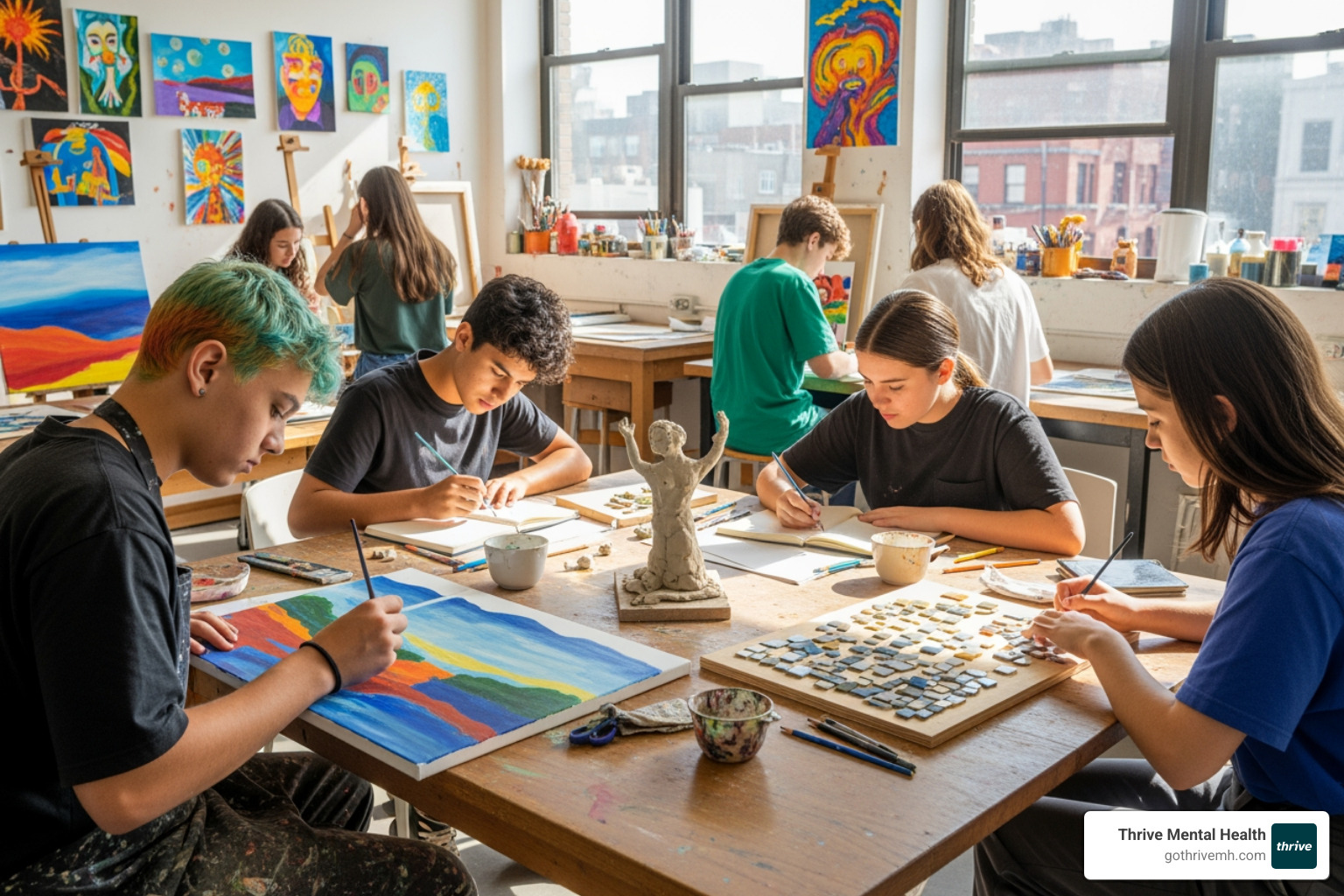
The beauty of art therapy lies in its diverse range of activities, each designed to evoke different forms of expression and insight. Here are some common art therapy directives used with adolescents:
- Collage and Vision Boards: Teens select images, words, and textures to create a visual representation of their feelings, goals, or aspirations. This can help them explore identity, express desires, or process experiences in a non-linear way.
- Mask Making: Creating and decorating a mask can help teens explore different aspects of their identity, the “face” they show to the world versus their inner self. This activity encourages self-reflection and can be particularly helpful for those struggling with self-image or social anxiety.
- Drawing an “Anxiety Monster”: This directive encourages teens to externalize their anxiety by drawing it as a monster or creature. Giving anxiety a visual form can make it feel more manageable and less overwhelming. See how visualizing emotions can help with Anxiety Monster Drawing.
- Clay Sculpting: Working with clay provides a tactile and sensory experience, allowing for the expression of emotions that might be difficult to verbalize. Teens can sculpt representations of their feelings, relationships, or experiences, finding release through the physical manipulation of the material.
- Painting Emotions: Using colors, strokes, and forms, teens can paint how different emotions feel in their body or mind. This can be a powerful way to explore the intensity and nuances of their emotional landscape.
- Journaling and Drawing: Combining written words with visual art in a journal allows teens to integrate their thoughts and feelings more deeply. It offers a private space for reflection and creative expression.
These activities, and many more, provide unique ways for teens to engage with their mental health. For a broader perspective on creative outlets, check out Art Therapy Activities for Adolescents.
Program Structure and Success Metrics
When you find mental health programs that use art therapy activities for adolescents in my area, understanding their structure and how they measure success is key.
 7 Ways to Know if You Have Abandonment Issues in AdultsMental Health
- Session Frequency and Duration: Programs typically offer weekly sessions, ranging from 45 to 90 minutes. Intensive outpatient programs (IOPs) and partial hospitalization programs (PHPs) will have higher frequency and longer durations, often multiple sessions per week.
- Program Duration: The overall length of a program varies based on the teen’s needs and the program’s design. Some might be short-term (e.g., 8-12 weeks), while others are open-ended, adapting to ongoing therapeutic goals.
- Goal Setting: Effective programs work with the teen (and often their family) to establish clear, individualized goals. These might include improving emotional regulation, reducing anxiety symptoms, enhancing self-esteem, or processing specific traumas.
- Progress Tracking: Therapists use various methods to track progress, including clinical assessments, observing changes in behavior and emotional expression, and reviewing the teen’s artwork over time. Regular check-ins with parents or caregivers are also common.
- Measuring Success: Success in art therapy isn’t just about symptom reduction; it’s also about improved communication, healthier behavioral changes, improved coping skills, and a greater sense of self-worth. Programs often look for:
- Improved Communication: Teens expressing themselves more openly, both verbally and non-verbally.
- Behavioral Changes: Reduction in problematic behaviors and adoption of healthier coping mechanisms.
- Peer Interaction and Community Building: For group settings, increased engagement, empathy, and supportive relationships among participants. This aspect is often a focus in comprehensive programs that include Family Therapy for Teens Complete Guide components.
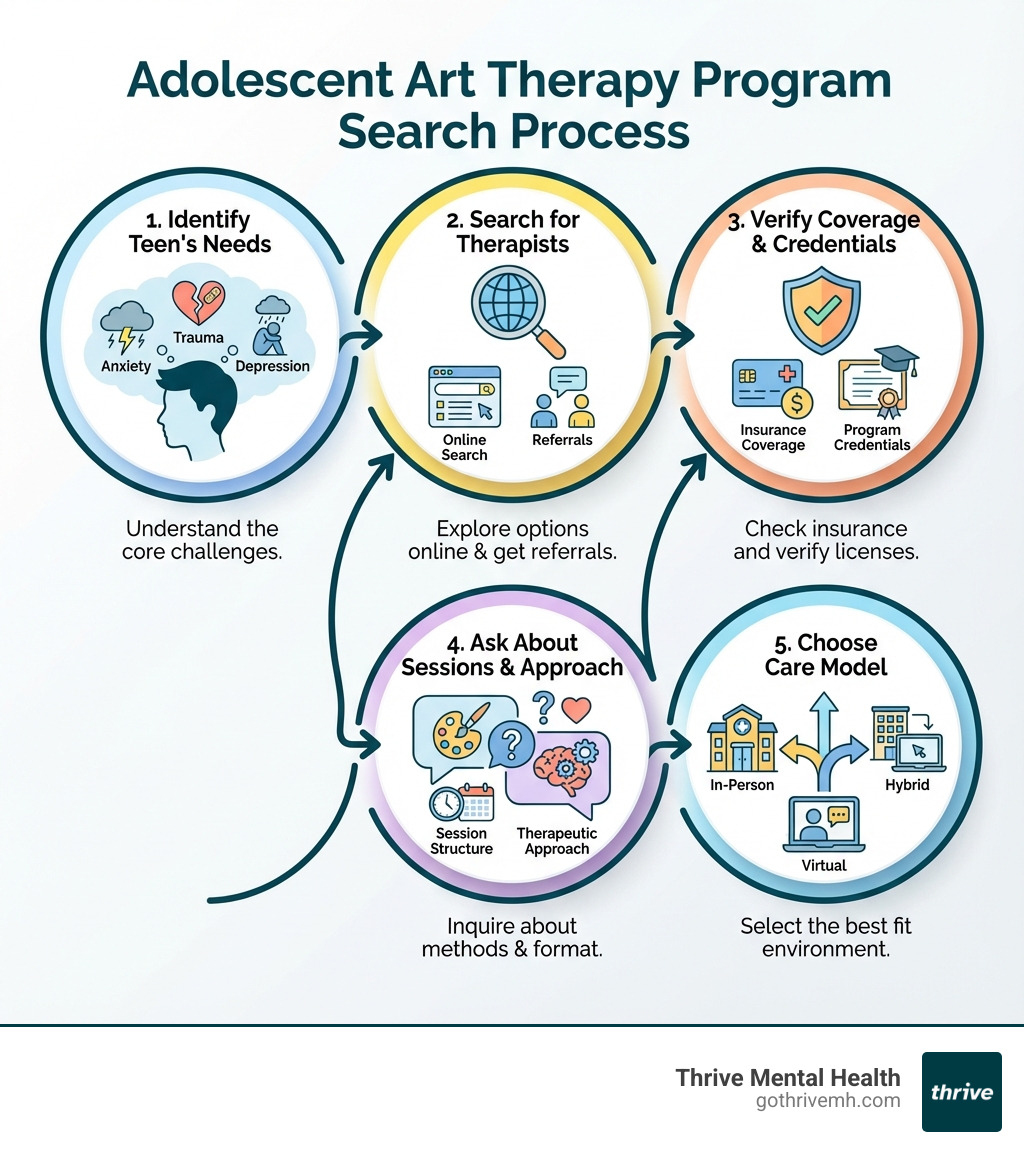
How to Find Mental Health Programs That Use Art Therapy Activities for Adolescents in My Area
Finding the right program for your teen can feel like navigating a maze, but with a structured approach, you can narrow down your options effectively.
- Online Search Strategies: Start by using specific keywords like “Find mental health programs that use art therapy activities for adolescents in my area,” “art therapy for teens [your city/state],” or “adolescent expressive arts therapy [your city/state].” If you’re in Florida, be sure to include your specific location, such as “art therapy for teens in Miami” or “adolescent art therapy in Orlando.”
- Pediatrician Referrals: Your teen’s pediatrician is an excellent resource. They often have established networks with local mental health professionals and can provide trusted referrals.
- School Counselor Recommendations: School counselors work directly with adolescents and are often aware of local mental health resources and programs that cater to their students’ needs.
- Vetting Programs: Once you have a list of potential programs, vet them thoroughly. Look for programs that are transparent about their therapeutic approaches, therapist qualifications, and success metrics.
Key Questions for Programs with Art Therapy Activities for Adolescents in My Area
To ensure you select the best fit for your teen, prepare a list of questions to ask potential providers:
- What are the qualifications and training of your art therapists or facilitators? Look for licensed art therapists who have specific training in adolescent mental health. You can learn about art therapist training standards to inform your questions.
- What age ranges do these art therapy programs typically serve? Ensure the program is specifically designed for adolescents, as activities and therapeutic approaches can differ significantly for younger children or adults.
- What mental health issues do these art therapy programs address for adolescents? Confirm that the program’s focus aligns with your teen’s specific challenges (e.g., anxiety, depression, trauma).
- Are there any specific therapeutic approaches or philosophies behind these art therapy programs? Many programs integrate art therapy with other evidence-based modalities like CBT or DBT.
- What are the locations and operating hours of these art therapy programs? Consider convenience and accessibility for your family.
- How can adolescents and their families access these art therapy programs (e.g., referrals, appointments, walk-in)? Understand the intake process.
- Are there any costs associated with these art therapy programs, or are they free? Be clear about fees, payment plans, and potential financial assistance.
- Do these programs offer virtual or online options in addition to in-person services? This can be a crucial factor for flexibility and accessibility.
- What is the duration and frequency of the art therapy sessions or programs?
- How do these programs measure success or impact on adolescent mental health? Ask for examples of how they track progress and outcomes.
- Are there any specific programs or resources for parents or caregivers related to adolescent art therapy? Parental involvement can significantly improve a teen’s progress.
- What is the role of community and peer interaction in these art therapy programs? For group settings, understanding the social component is important.
- Are there any partnerships or collaborations mentioned that support these art therapy initiatives? This can indicate a well-connected and resourced program.
In-Person vs. Online: Finding Art Therapy Activities for Adolescents in My Area
The decision between in-person and online art therapy depends on your teen’s needs, your family’s schedule, and geographical considerations.
- Benefits of In-Person Programs: In-person sessions offer a dedicated space away from home distractions, direct interaction with materials, and a tangible connection with the therapist and potentially peers. This can be vital for teens who thrive in structured environments.
- Rise of Virtual Therapy: The landscape of mental healthcare has rapidly evolved, with virtual options becoming increasingly sophisticated and effective. Online art therapy can offer greater flexibility, convenience, and access to specialized therapists who might not be available locally. Our Teen Virtual IOP Complete Guide highlights the comprehensive support available through virtual platforms.
- Local Options in Florida: In Florida, you can find a mix of both in-person and virtual art therapy programs. For example, you might search for “art therapy for teens in Tampa Bay” or “adolescent art therapy in Orlando.” Our virtual Intensive Outpatient Programs (IOPs) are available across the state, providing accessible and flexible options for families everywhere from Miami to Jacksonville. Specifically, if you’re in South Florida, our Virtual IOP South Florida Guide offers detailed insights.
- Hybrid Models: Some programs offer a hybrid approach, combining in-person sessions with virtual support, providing the best of both worlds.
When considering costs, many programs accept health insurance. It’s crucial to understand your coverage. Check your policy for mental health benefits. Many plans, including those from providers like Cigna, Optum, Florida Blue, and Aetna, cover mental health services, which can include art therapy when it’s part of a structured treatment plan. You can find more information on Insurance Covered Online Therapy.
When to Consider a Higher Level of Care: IOP and PHP
While weekly art therapy sessions can be incredibly beneficial, there are times when an adolescent may require more intensive support. Recognizing these signs is crucial for ensuring your teen receives the appropriate level of care.
Signs weekly therapy isn’t enough:
- Worsening Symptoms: If your teen’s depression, anxiety, or other mental health symptoms are escalating despite regular therapy, or if new, severe symptoms emerge.
- School Refusal or Significant Academic Decline: A sudden or persistent inability to attend school, or a sharp drop in grades, can signal a need for more intensive intervention.
- Social Isolation: Increasing withdrawal from friends, family, and activities they once enjoyed.
- Increased Self-Harm or Suicidal Ideation: Any increase in self-harming behaviors or expressions of suicidal thoughts warrants immediate, higher-level care.
- Significant Functional Impairment: If mental health challenges are severely impacting daily functioning at home, school, or in social settings.
In these situations, Intensive Outpatient Programs (IOPs) and Partial Hospitalization Programs (PHPs) offer structured, comprehensive mental health treatment that goes beyond traditional weekly therapy but doesn’t require inpatient hospitalization. IOPs provide several hours of therapy multiple days a week, allowing teens to live at home and continue with some school or daily activities. PHPs offer an even higher level of care, typically for most of the day, several days a week, resembling a hospital day program. You can learn more about the differences in our guide: What is the difference between PHP and IOP?.
At Thrive Mental Health, our virtual IOP for adults and young professionals integrates evidence-based modalities like CBT, DBT, and crucially, art therapy. This allows for a holistic approach where art provides a powerful avenue for expression and processing within a highly supportive and structured environment. We find that Integrating Art Therapy into Intensive Outpatient Programs in South Florida: A Closer Look significantly improves engagement and outcomes for teens who might otherwise struggle to verbalize their experiences. Our programs are available virtually across Florida, offering flexible scheduling to accommodate academic and family life. (Services are also available in California, Indiana, Arizona, and South Carolina.)
Frequently Asked Questions about Teen Art Therapy
How much does art therapy for teens cost?
Costs vary by location, provider qualifications, and program type (individual, group, IOP). Many programs accept health insurance, which can significantly reduce out-of-pocket expenses. Always verify your benefits before starting.
Is art therapy covered by insurance?
Many insurance plans, including those from providers like Cigna, Aetna, and Florida Blue, cover mental health services, which can include art therapy when it’s part of a structured treatment plan like an Intensive Outpatient Program. It’s essential to check with your specific plan.
How do I know if art therapy is right for my teen?
Art therapy is especially beneficial for teens who struggle to verbalize their feelings, have experienced trauma, or feel resistant to traditional talk therapy. If your teen is creative or enjoys hands-on activities, it could be an excellent fit.
Take the Next Step: Find a Program That Fits Your Teen
Finding the right support can feel overwhelming, but you’re not alone. Art therapy offers a unique path to healing for adolescents struggling with complex emotions. By understanding what to look for, from therapist qualifications to program structure, you can make an informed choice. For teens needing more than once-a-week sessions, Thrive Mental Health’s virtual and in-person Intensive Outpatient Programs (IOP) integrate evidence-based methods like art therapy to provide comprehensive support. We are dedicated to helping families in Florida find mental health programs that use art therapy activities for adolescents in my area. Our services are also available to families in California, Indiana, Arizona, and South Carolina.
Ready for support? Thrive offers virtual IOP programs with evening options. Verify your insurance in 2 minutes (no obligation) or call 561-203-6085. If you’re in crisis, call/text 988.

This article is for informational purposes only and is not a substitute for individualized clinical advice or insurance verification.