
How to Find an Art Therapist the Right Way

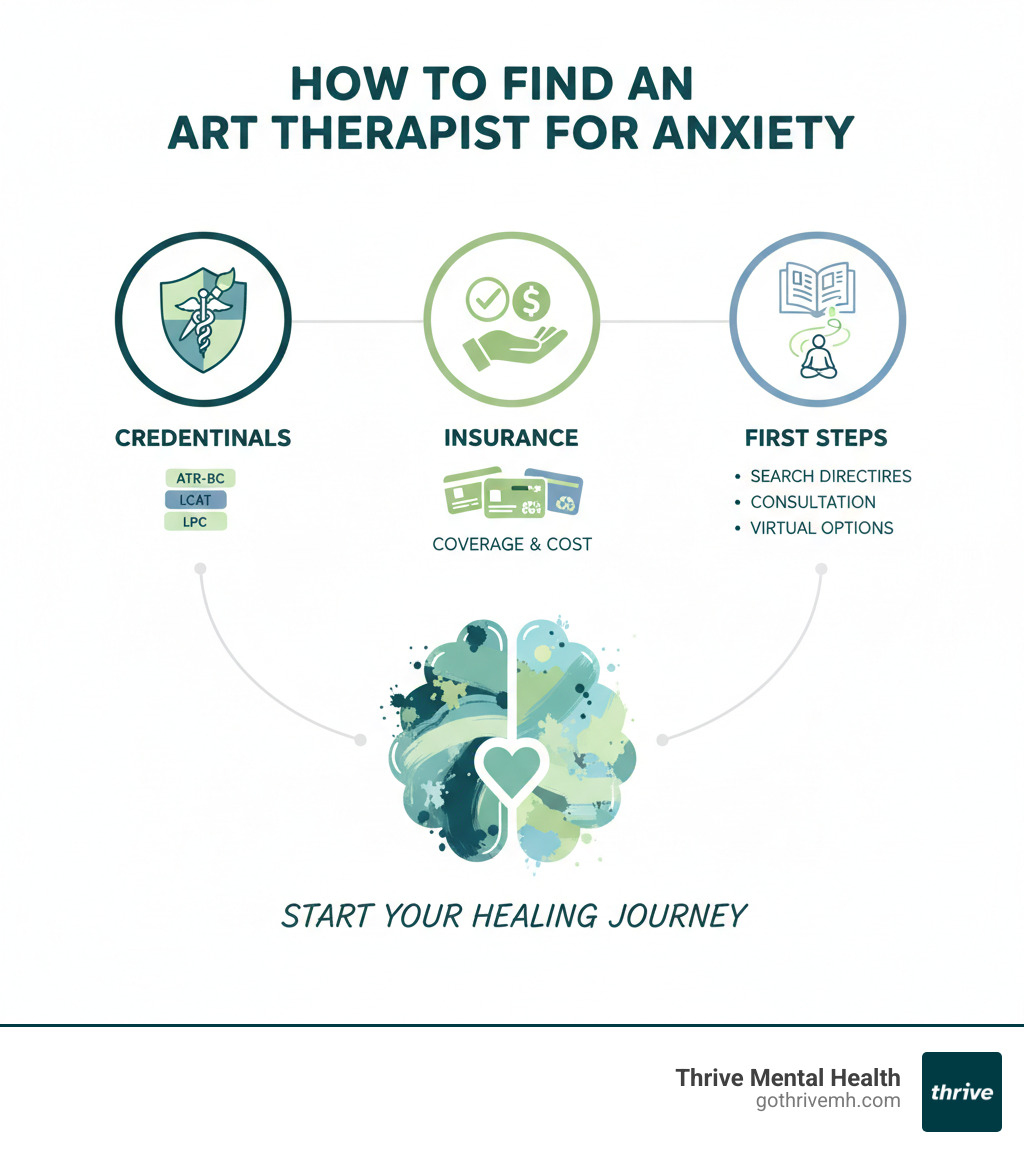
3 Steps: Find Your Art Therapist for Anxiety & Calm
Why I’m Looking for a Therapist Who Uses Art Therapy Activities for Anxiety Is the Right Search
If you’re searching for a therapist who uses art therapy activities for anxiety, you’re on the right track. Here’s what you need to know to get started.
Quick Answer: How to Find an Art Therapist for Anxiety
- Search therapist directories for credentials like ATR-BC (Board Certified Art Therapist) or LCAT (Licensed Creative Arts Therapist).
- Verify their specialty in anxiety treatment by asking about their approach and experience.
- Check insurance coverage—many plans (Cigna, Optum, Florida Blue) cover art therapy as part of IOP, PHP, or outpatient care.
- Ask about virtual options, which use supplies you already have at home.
- Schedule a consultation to ensure it’s a good fit before committing.
Anxiety doesn’t always respond to words. It often needs color, clay, and a therapist who understands how to use them. Art therapy is a proven, non-verbal way to process anxiety when talk therapy isn’t enough. Research shows it calms the nervous system, lowers stress hormones, and builds coping skills that last.
But finding the right art therapist—one who specializes in anxiety—is the biggest hurdle. This guide shows you exactly how to find a qualified professional, what to expect, and how to make it work with your insurance.
I’m Nate Raine, CEO of Thrive Mental Health. We integrate creative therapies like art therapy with proven modalities like CBT to get real results. This guide will help you find the right support, fast.
Stop Anxiety from Running Your Life: Why Art Therapy Works (Even If You Can’t Draw)
When anxiety hits, “just talk about it” is often the worst advice. Your mind races, and the words won’t come. Art therapy doesn’t ask you to explain yourself. It asks you to create.
What is art therapy? It’s a clinical mental health treatment where a licensed therapist uses art-making to help you heal. You might work with paint, clay, or collage to process what emerges. The goal isn’t to make something beautiful; it’s to make something meaningful.
Unlike talk therapy, which relies on verbal articulation, art therapy provides a non-verbal pathway to express emotions. This is especially powerful when trauma or overwhelm makes talking feel impossible. It engages multiple parts of your brain, balancing emotional and cognitive processing in a way words can’t.
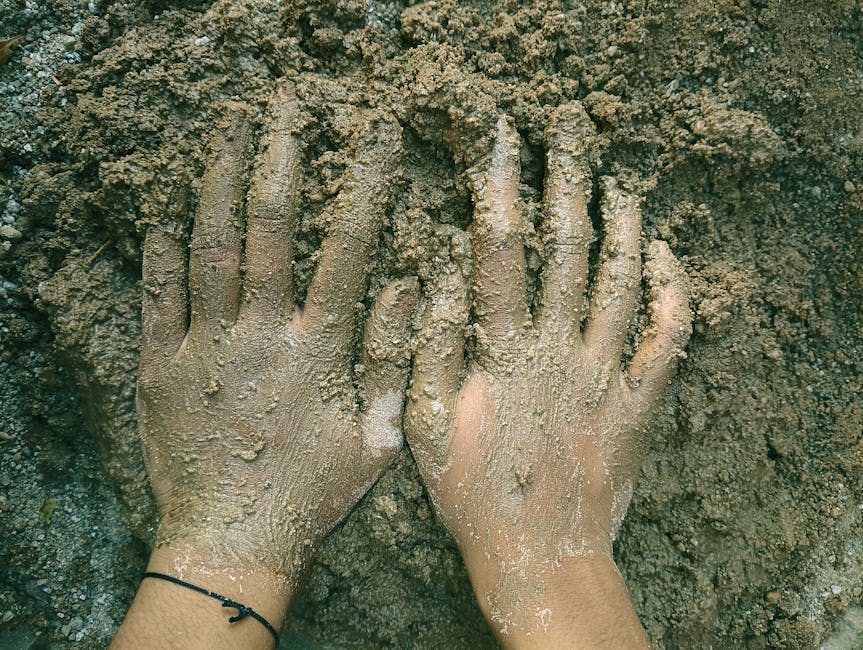
The key is sensory engagement. As your hands move through clay or watch paint blend on paper, your nervous system regulates. The textures, colors, and physical movements anchor you in the present moment, pulling you out of anxiety’s grip on the past and future. Research confirms these activities calm your fight-or-flight response and improve emotional stability. To understand how anxiety impacts you, read our guide on Anxiety Symptoms and Their Impact on Daily Life.
How is art therapy different from making art at home?
Making art at home can be soothing, but art therapy is a professional mental health intervention. Here’s the difference:
- Backed by psychological theory: A trained therapist understands how trauma manifests in imagery and how the creative process can open up stuck patterns.
- Safe, guided processing: The therapist helps you explore difficult emotions that surface without letting you become overwhelmed. This safety net is essential for anxiety.
- Professional support: They help you connect what you’ve created to your lived experience, building bridges between unconscious expression and conscious understanding.
- Therapeutic relationship: The foundation of trust and non-judgment transforms art-making from a hobby into a powerful tool for healing.
For a deeper look, explore The Healing Power of Art: How Art Therapy Can Transform Mental Health.
What does science say about art and anxiety?
Research shows art therapy produces measurable changes in how your brain and body handle stress.
- Nervous system regulation: Creative activities calm your sympathetic nervous system (the “gas pedal” for stress) and activate your parasympathetic nervous system (the “brake pedal”).
- Lowered cortisol: Studies show art-making can decrease cortisol, your body’s primary stress hormone, helping your body rest and repair.
- Increased self-awareness: You begin to recognize patterns in your anxiety by observing your creative choices—the colors you use, the pressure you apply, the images that repeat.
- Emotional resilience & coping skills: You develop the capacity to tolerate uncomfortable feelings and gain practical strategies for emotional regulation you can use anywhere.
Growing evidence supports its effectiveness for anxiety, depression, and PTSD. For a research overview, visit Research on art therapy’s effectiveness.
What to Expect: Inside Your First Art Therapy Session for Anxiety
Walking into your first art therapy session can feel intimidating, but remember: no artistic skill is needed. Your therapist isn’t grading your work. What matters is the creative process itself—the act of choosing colors, feeling textures, and making marks. That’s where the healing happens.
Your therapist acts as a guide, not a judge. They create a safe, supportive space with a wide range of materials like paints, clay, and collage supplies. They might offer gentle prompts, like “draw what your anxiety feels like,” or let you create freely. The atmosphere is non-judgmental, encouraging you to explore and express yourself without fear of getting it “wrong.”
What art therapy activities help with anxiety?
Activities are always custom to your needs. Common exercises include:
- Drawing your anxiety: Externalizing anxiety onto paper makes it feel less overwhelming and more manageable. You’re no longer trapped inside it; you’re looking at it.
- Creating a “safe place” container: Using a box, you build a visual representation of safety with images and objects that bring you peace. This becomes a grounding tool.
- Mindful scribbling: Simply letting your hand move freely across the page can be deeply meditative, quieting the racing thoughts that fuel anxiety.
- Clay sculpting: The physical act of molding clay releases tension from your body and allows emotions to flow through your hands instead of getting stuck in your head.
- Collage for self-expression: Assembling images and words can reveal surprising patterns and themes about what’s going on beneath the surface.
For more ideas, explore our collection of Art Therapy Activities for Anxiety.
What does the therapist do during the session?
Your art therapist is a trained mental health professional who acts as a facilitator and guide. Their support is completely non-judgmental. They focus on your experience, not your technique.
They might offer what’s called the “third hand”—assisting by holding paper or mixing paints without ever taking over your creative choices. This support keeps you grounded in your process.
After you create, your therapist becomes a co-explorer of your emotions. They ask open-ended questions like, “What drew you to that color?” or “Tell me about this shape.” They help you make connections between your art and your feelings, but they never tell you what your art “means.” The meaning always comes from you. Most importantly, they build a foundation of safety and trust where real healing can occur. Learn more about this dynamic in The Art Therapist’s “Third Hand”.
3 Steps to Find the Right Art Therapist for Anxiety—And Get Results Fast

You know art therapy can help, but finding a qualified specialist can feel overwhelming. Follow these three steps to find an experienced art therapist quickly and confidently.
Step 1: Find a Specialist & Check Their Credentials
Start with reputable directories. The American Art Therapy Association’s “Find an Art Therapist” tool is the gold standard. Psychology Today is another useful resource. Use specific search terms like “art therapy for anxiety.”
Pay close attention to credentials. Look for ATR-BC (Board Certified Art Therapist), the highest credential in the field. You might also see LCAT (Licensed Creative Arts Therapist) or counselors (LPC, LPCC) and psychologists (LCP) with specialized art therapy training.
Verify their specializations. Do they work with your age group and explicitly mention anxiety, trauma, or stress disorders? If you’re in Florida, Thrive Mental Health integrates art therapy into our comprehensive treatment programs, like our Intensive Outpatient Program.
Step 2: Know the Cost & Insurance Coverage
Therapy only works if you can afford it. Individual art therapy sessions typically range from $100–$200, while some online options may be lower.
Understand the difference between in-network (you pay a small co-pay) and out-of-network (you pay upfront and seek reimbursement). Many major insurance plans—including Cigna, Optum, and Florida Blue—cover art therapy, especially when it’s part of a structured Intensive Outpatient (IOP) or Partial Hospitalization (PHP) program.
If cost is a barrier, ask about sliding scale fees, which are reduced rates based on income. To check your benefits now, you can Verify Your Insurance in 2 Minutes with our confidential tool. For more on virtual options, see our guide to Remote Therapy for Anxiety.
Step 3: Ask These Questions Before You Commit
Most therapists offer a free 10–15 minute consultation call. Use this time to assess fit. Ask these key questions:
- “What’s your experience treating anxiety with art therapy?” You want specifics about your type of anxiety (e.g., social anxiety, panic disorder).
- “What’s your approach to art therapy?” Do they use structured directives or an open studio format?
- “How are sessions structured?” Is it all art-making, or a mix of creating and discussion?
- “How do you measure progress?” A good therapist tracks concrete improvements in symptoms and coping skills.
The therapeutic relationship is critical. If the conversation feels off, keep looking. You need someone who gets you. Learn more at Art Therapy and Counseling.
Beyond the Session: Long-Term Benefits, Integrations, and Is Art Therapy Right for You?
When you’re looking for a therapist who uses art therapy activities for anxiety, you’re investing in lasting change. The skills you build become tools you carry with you long after sessions end.
Who gets the biggest results from art therapy for anxiety?
Art therapy isn’t one-size-fits-all, but it can be a breakthrough for certain people.
- Children and teenagers who struggle to verbalize complex emotions find a natural, pressure-free outlet. Our art therapy for teenagers program is custom to their unique needs.
- Adults and seniors navigating life stress, transitions, or feeling stuck can gain a fresh perspective and support cognitive health.
- People with trauma can process painful experiences without forcing words that feel impossible or retraumatizing. Learn more in our guide on Art Therapy for Trauma Recovery.
- Neurodivergent individuals and anyone who has ever felt “words aren’t enough” can thrive in a space that honors non-verbal expression.
Can art therapy be combined with other treatments?
Absolutely. Art therapy integrates beautifully with other evidence-based treatments, which is why it’s a core part of our programs at Thrive Mental Health.
- Cognitive Behavioral Therapy (CBT): Art makes abstract negative thought patterns visible and tangible, accelerating CBT’s effectiveness.
- Mindfulness: The sensory focus of art-making is a natural form of mindfulness, anchoring you in the present.
- Somatic Therapy: The hands-on nature of creating helps release physical tension stored in the body from anxiety.
- EMDR: Art can serve as a gentle tool to prepare for or integrate the intense work of EMDR. See how these compare in EMDR vs CBT for Anxiety.
Thrive’s IOP and PHP programs are designed to combine these modalities for faster, more comprehensive results.
What are the long-term benefits and possible limitations?
With consistency, art therapy builds skills for life. Key benefits include:
- Improved coping skills that become second nature.
- Higher self-esteem from validating your inner world.
- Better emotional regulation to stop anxiety from hijacking your day.
- Deeper personal growth as you recognize and shift unhelpful patterns.
While art therapy is highly effective, its success depends on the fit between you, your therapist, and the method. For those who connect with it, the results can be transformative. Explore its potential in Exploring the Healing Power of Art Therapy.
FAQs: Art Therapy for Anxiety—What People Ask Most
Do I need to be an artist to benefit from art therapy?
No. Art therapy is about the process of creation, not the final product. It’s a therapeutic tool focused on expression and self-findy. No artistic talent or experience is required.
Can art therapy be done online?
Yes. Virtual art therapy is highly effective and accessible. Thrive Mental Health offers remote sessions using common supplies you have at home, like pencils, markers, and paper. This makes it easy to fit therapy into a busy schedule. Learn more about our Remote Therapy for Anxiety.
How is art therapy different from an art class?
An art class teaches technique and focuses on the finished product. Art therapy is led by a licensed mental health professional and focuses on healing, self-expression, and processing emotions through the creative act itself.
Does insurance cover art therapy?
Many plans from providers like Cigna, Optum, and Florida Blue cover art therapy, especially when it’s part of a structured program like an Intensive Outpatient Program (IOP) or Partial Hospitalization Program (PHP). You can verify your insurance in minutes with our confidential online tool.
Can I combine art therapy with other treatments?
Yes, an integrated approach is often best. Art therapy pairs well with Cognitive Behavioral Therapy (CBT), mindfulness, and somatic therapies. Thrive’s IOP and PHP programs are built on this model, combining modalities to provide comprehensive care and achieve better, faster results.
Summary: Don’t Let Anxiety Win—Find an Art Therapist Who Gets Results
If you’re looking for a therapist who uses art therapy activities for anxiety, you’re taking a crucial step toward lasting relief. You don’t have to feel stuck in anxious patterns. Art therapy is a proven approach that calms your mind and builds resilience, often faster than talk therapy alone. It offers a powerful, non-verbal path to healing when words aren’t enough.
Thrive Mental Health makes this accessible. We offer virtual and hybrid Intensive Outpatient (IOP) and Partial Hospitalization (PHP) programs across Florida. Our programs integrate art therapy with CBT and mindfulness for a results-driven approach. We accept insurance from Cigna, Optum, Florida Blue, and more, and offer evening sessions to fit your life.
You know what to look for and what to expect. Now it’s time to act.
Ready for support? Thrive offers virtual and hybrid IOP/PHP programs with evening options. Verify your insurance in 2 minutes (no obligation) → Start benefits check or call 561-203-6085. If you’re in crisis, call/text 988.