




You can start or stay in an intensive outpatient program over the holidays, and for many people it is a good time to have the extra support. The practical keys are telling your care team about travel early, planning for family gatherings before they happen, and keeping a few skills going on the days you have no sessions.
This guide covers whether to start in November or December or wait until January, how to schedule around time off, what to tell family, and what to know about joining virtual sessions from another state.
Why can the holidays feel harder when you are in treatment?
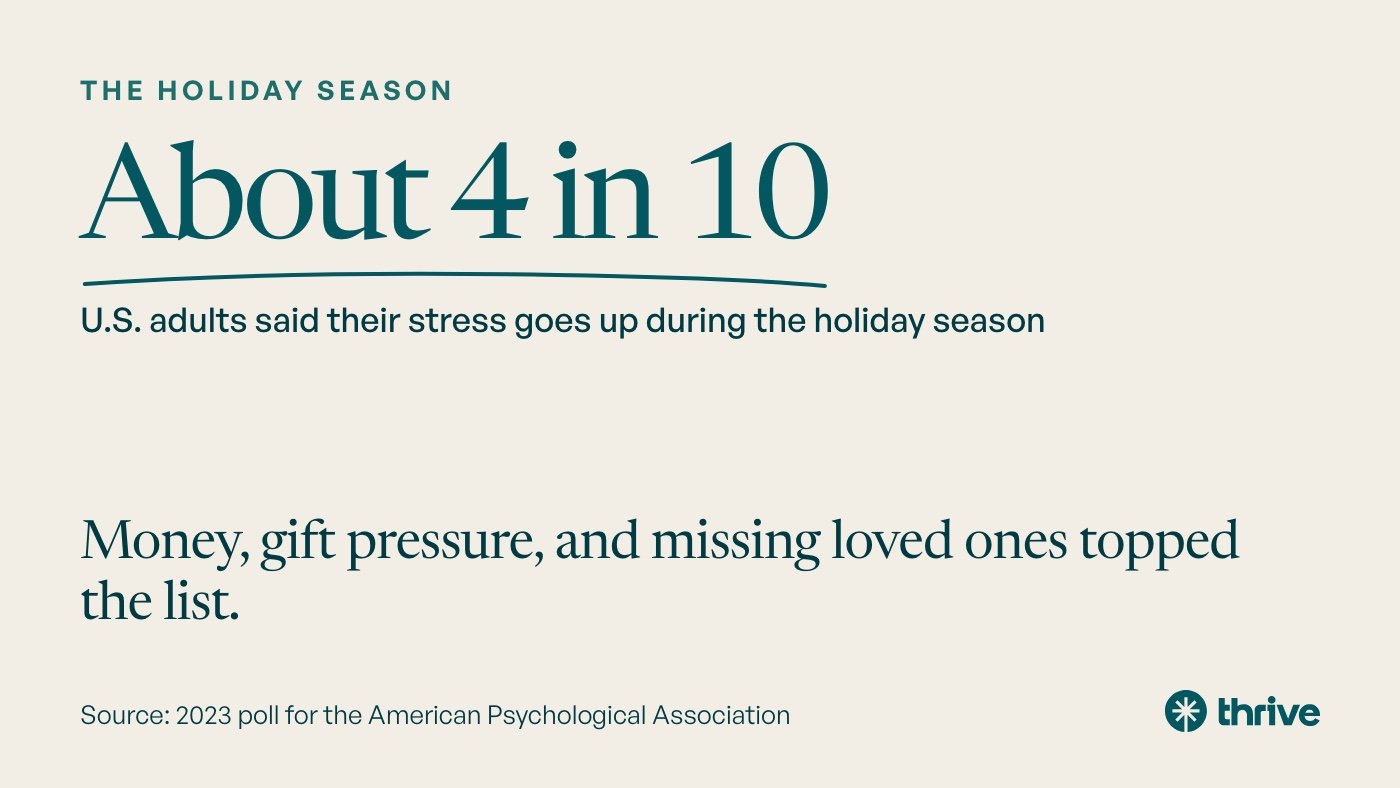
You are not imagining it. In a 2023 poll for the American Psychological Association, about four in ten U.S. adults said their stress goes up during the holiday season. Money, gift pressure, and missing loved ones topped the list.
Treatment adds its own layer. Your routine changes. Family may not know what you are working on. Old patterns can show up the moment you walk into a childhood home. None of that means the program is not working. It means the season asks more of you, and planning ahead helps.
Shorter days matter too. The National Institute of Mental Health notes that many people feel down when days get shorter in fall and winter, and for some it becomes seasonal affective disorder. If your mood dips every winter, tell your clinician. It is useful information for your plan.
Should you start IOP now or wait until January?
For most people, if a clinician recommends IOP, starting sooner is better than waiting for a cleaner calendar. The holidays rarely get less busy, and the stress they bring is often a reason to have more support, not less.
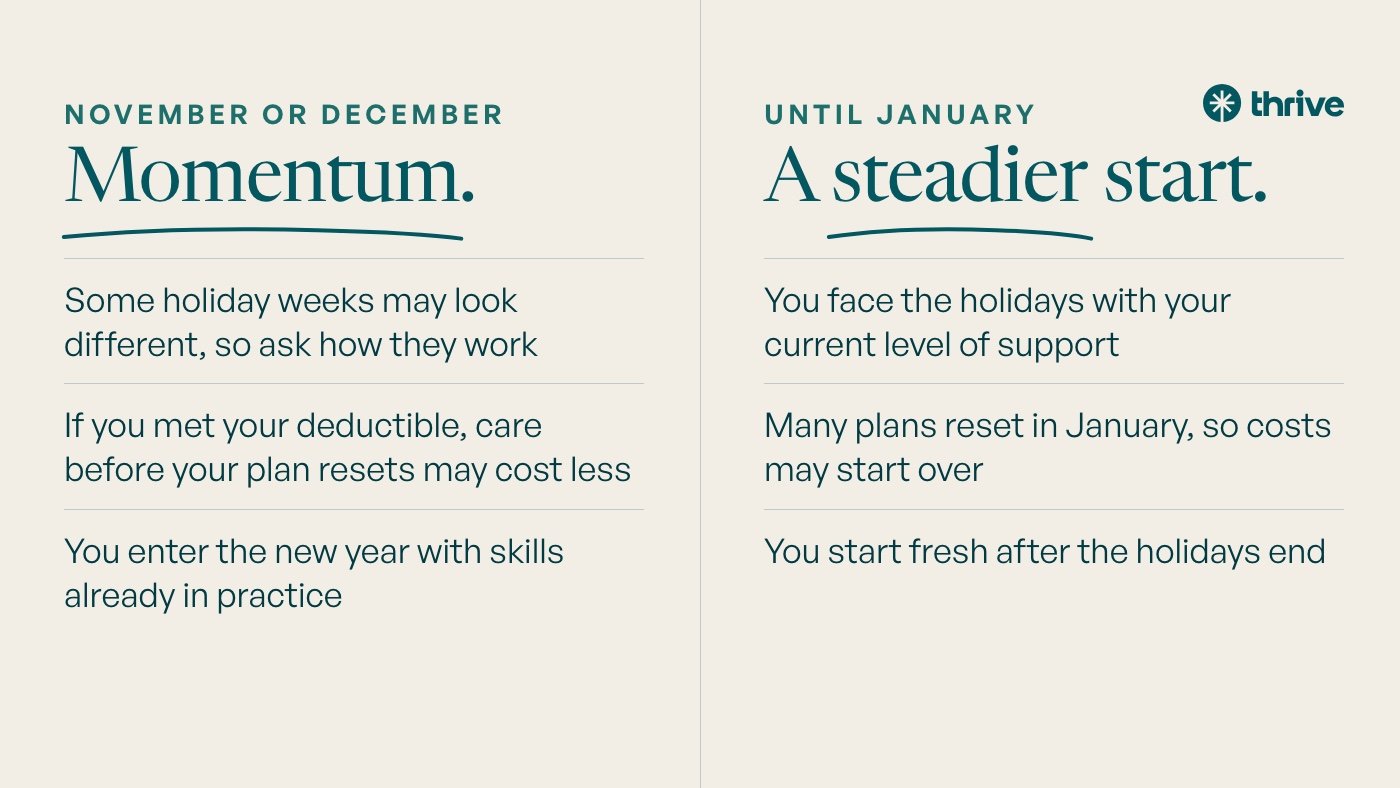
| Question | Starting in November or December | Waiting until January |
|---|---|---|
| Support during a stressful season | You have a care team and a group while the pressure is highest | You face the holidays with your current level of support |
| Schedule disruption | Some holiday weeks may look different, so ask how they work | A steadier start, if you can safely wait |
| Insurance timing | If you met your deductible, care before your plan resets may cost less | Many plans reset in January, so costs may start over |
| Momentum | You enter the new year with skills already in practice | You start fresh after the holidays end |
Waiting can make sense if you have long, fixed travel that would cause you to miss much of the program’s first weeks. Talk that through with the admissions team rather than deciding alone. On insurance, many plans reset with a new plan year in January, though not all of them do. Check your own plan.
If symptoms are getting worse, do not wait for January. An intensive outpatient program exists for exactly the stretch when weekly therapy is no longer enough.
How do you schedule IOP around travel and time off?
Virtual care removes the commute, which helps a lot this time of year. You can join from home, and on many days from a quiet room at a relative’s house. It does not remove the need to plan.
- Share your dates early. Give your care team your travel and time off dates as soon as you know them. They can tell you what is possible.
- Ask how holiday weeks work. Programs handle holidays differently. Ask rather than assume.
- Find your spot in advance. A bedroom with a door, headphones, and a charged phone or laptop make a session at a relative’s house far easier.
- Protect the time. Tell your hosts when you will be unavailable, the same way you would for a work call.
- Use your days off well. Time away from work can give you more room for practice, rest, and a walk outside.
Our guide to building a flexible treatment schedule has more ideas for fitting care around real life.
Can you join virtual sessions while visiting another state?
This is the question people most often miss. For telehealth, the rule is generally about where you are during the session, not where you live. HHS explains that clinicians usually need a license or other permission in the state where the patient is located.
In practice, that means your sessions need to happen while you are in a state your program serves. Thrive serves adults located in Florida, Indiana, Arizona, California, North Carolina, South Carolina, and Texas. If you plan to visit family in a different state, tell your care team before you go, so you can work out a plan together.
Our explainer on multi-state virtual IOP programs goes deeper on how care works across state lines.
What should you tell family about your treatment?
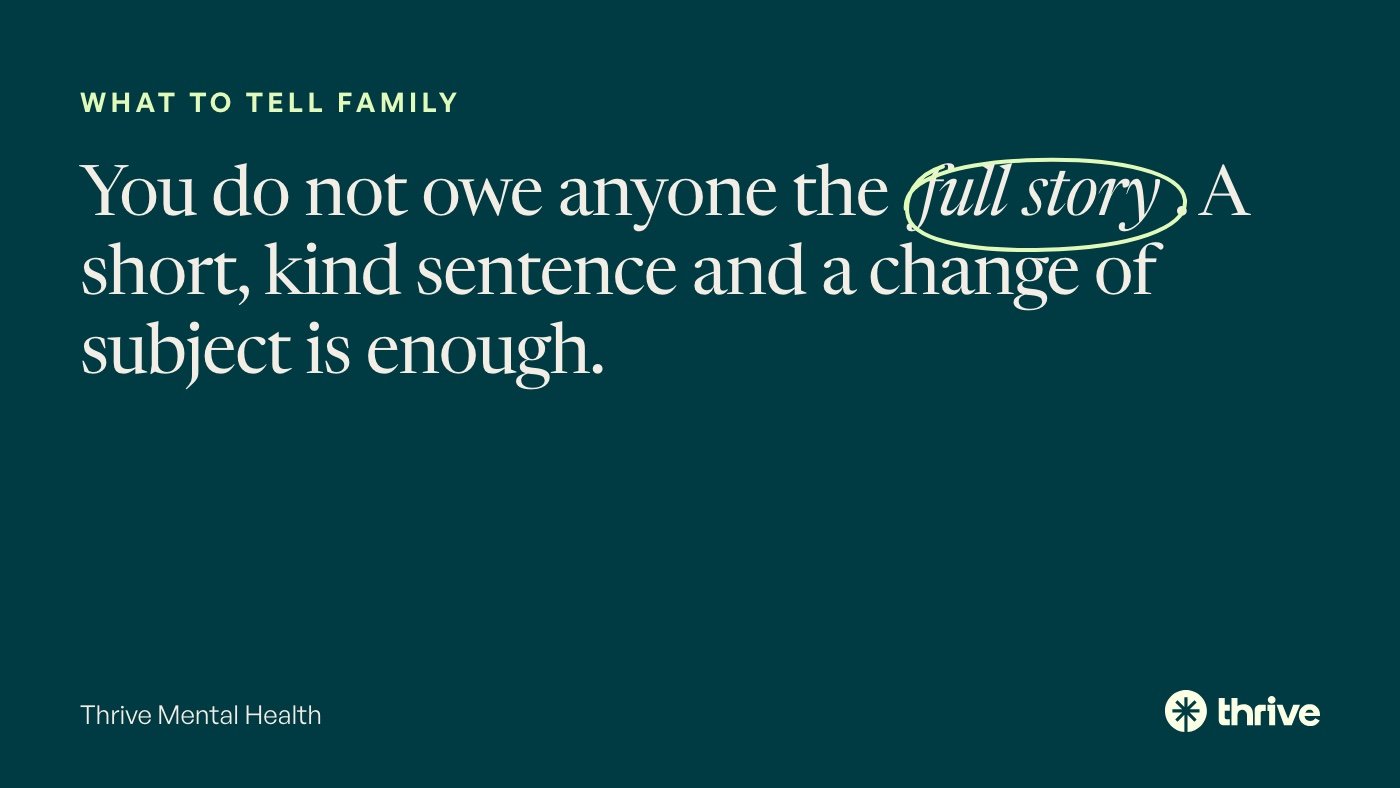
You get to decide how much to share. Some people tell everyone. Some tell one trusted person. Some say nothing at all. Each is a reasonable choice.
A few short lines can cover most situations:
- For people you trust: “I am in a program a few days a week to work on my mental health. It is helping, and I may need some quiet time while I am here.”
- For people you would rather not tell: “I have a standing appointment at that time. I will join you after.”
- For questions you do not want to answer: “I would rather not get into it today. How is your new job going?”
If family dynamics are part of what you are working on, raise the visit with your therapist ahead of time. Thrive’s program includes family therapy and coaching, and a session before a big gathering can help you plan.
How do you handle family gatherings while in treatment?
Gatherings go better when you decide a few things before you arrive. Think of it as a small plan, not a script.
- Pick your arrival and leave times. A known end point makes a long day feel shorter.
- Plan one exit. A walk, an errand, or a call outside gives you a break without a scene.
- Name your hard moment. If you know a certain topic or person tends to set you off, decide now how you will respond.
- Think about alcohol in advance. NIMH’s guidance on caring for your mental health notes that cutting back on alcohol and caffeine can help some people. Holiday events often make that harder, so decide your plan before the first offer.
- Have a check in person. One text to a friend, or a quick note to yourself, after the event helps you notice how it went.
Then bring what happened back to group. Real holiday moments often make the most useful material for practicing skills.
 PHP Program Guide: Essential Steps for Success in 2026Mental Health
How do you keep your skills going on days without sessions?
Holiday weeks often have more gaps between sessions. Small, regular practice holds the gains better than one big effort.
- Keep your sleep steady. NIMH lists a regular sleep schedule as a basic support for mental health. Late nights and travel days make this the first thing to slip.
- Pick two skills, not ten. Choose the two you use most, such as a grounding exercise or a DBT distress tolerance skill, and practice them daily.
- Get outside in daylight. Even a short walk helps on short winter days.
- Write it down. A short note about mood and sleep each day gives you and your clinician something concrete to review.
- Keep your warning signs handy. If you have a relapse prevention plan, take it with you.
SAMHSA’s protocol on intensive outpatient treatment describes IOP as structured care several days a week while you live at home. That is the point: you practice in your real life, and the holidays are part of real life.
If the season ever brings thoughts of suicide, call or text 988 for the Suicide and Crisis Lifeline, any time, or call 911 in an emergency.
Common questions about the holidays during an intensive outpatient program
Is it a bad idea to start IOP right before the holidays?
Usually not. Many people find the extra support helps during a stressful season. If long travel would make you miss much of the first weeks, talk it through with the admissions team.
Can I attend virtual IOP sessions while visiting family?
Often yes, if you have a private space and a steady connection. You generally need to be located in a state your program serves during each session, so share travel plans early.
What if I travel to a state my program does not serve?
Tell your care team before you go. Clinicians generally need permission to practice in the state where you are located, so you will need to plan around those days together.
Do I have to tell my family I am in treatment?
No. You decide how much to share. A simple line like “I have a standing appointment” is enough for anyone you would rather not tell.
How do I keep progress going when sessions are spread out?
Keep your sleep steady, practice two skills daily, get some daylight, and jot down your mood. Bring what happened at gatherings back to group.
Does the holiday season affect insurance for IOP?
It can. Many plans reset deductibles in January. If you have met yours, starting care before the reset may cost less. Check your plan year first.
Next steps
If this season feels heavier than you expected, more support may help, and the holidays do not have to be a reason to wait. Thrive Mental Health is a Joint Commission accredited provider of virtual IOP for adults, with live group and individual therapy from home. We serve adults in eight states: Florida, Indiana, Arizona, California, North Carolina, South Carolina, Texas, and Georgia.
Verify your coverage with Thrive: free, confidential benefits check. Most members receive a summary within 24 hours, and you can start as soon as you are ready. Prefer to talk first? Call (561) 203-6085.

This article is for informational purposes only and is not a substitute for individualized clinical advice or insurance verification.