





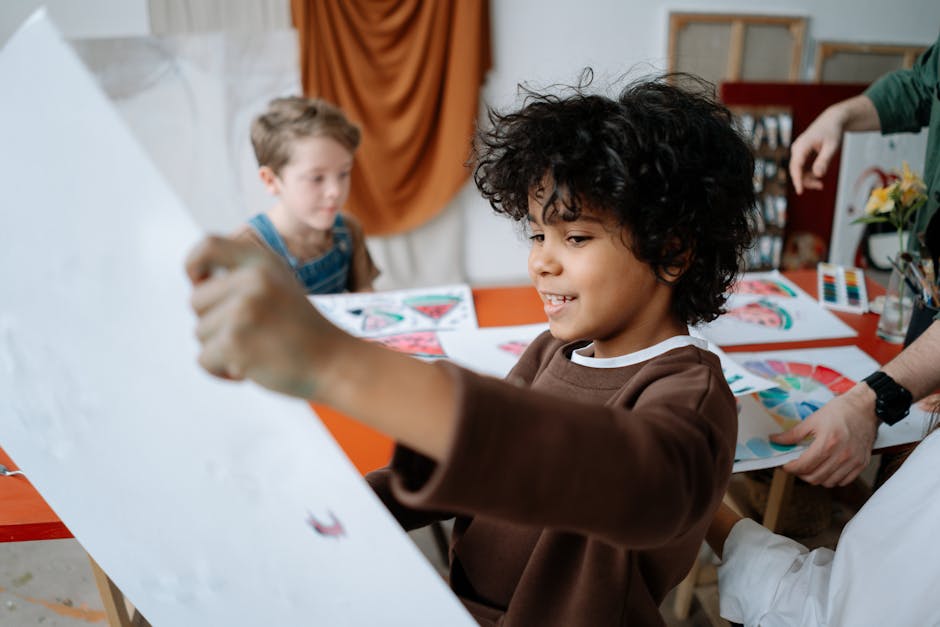
Art Therapy for Students: 5 Simple Ways to Calm
Why Art Therapy for Students Is More Than Just Making Art
Art therapy for students is a proven mental health tool that uses creative expression to help young people manage stress, process emotions, and build resilience, without needing to find the right words. It’s not about being “good at art”; it’s about healing.
Here’s what art therapy does for students:
- Reduces anxiety and stress through non-verbal outlets
- Builds emotional awareness by turning feelings into images
- Improves coping skills for academic pressure and burnout
- Requires zero artistic talent, the process matters, not the product
- Works alongside traditional therapy or as a standalone practice
Students today face relentless pressure from academics, social media, and uncertain futures. When words aren’t enough to express feelings of being overwhelmed, art therapy provides a different path. Instead of talking through feelings, students create through them. Research shows that making art lowers cortisol levels, reduces symptoms of anxiety and depression, and provides a safe space to explore identity and self-doubt.
Crucially, art therapy isn’t an art class. It’s a therapeutic process led by trained professionals who use creativity to facilitate healing. The goal is insight, not a portfolio piece.
I’m Nate Raine, CEO of Thrive Mental Health, and I’ve seen how integrating expressive therapies like art therapy for students into our Florida-based virtual IOP program transforms outcomes. At Thrive, we focus on scalable, compassionate care that meets students where they are.
Important art therapy for students terms:
What is Art Therapy? (And Why It’s Not Just an Art Class)
Many people think art therapy for students is just drawing your feelings. It’s much more. Art therapy is a mental health profession backed by research, grounded in psychological theory, and delivered by licensed clinicians. In plain language, art therapy uses creativity to help you express what words can’t reach.
For students navigating stress, anxiety, and identity questions, this is critical. When feelings are too tangled or overwhelming to articulate, the creative process becomes a bridge to self-expression, personal growth, and non-verbal communication. The goal isn’t to make something beautiful; it’s to make something honest.
How the Creative Process Heals
The healing power of art therapy is in the doing. When you engage in art-making, your brain shifts from overthinking to a more intuitive state. This process provides several key benefits:
- Emotional Release: Art offers a safe outlet for bottled-up feelings. You can express anger with slashes of paint or sadness with molded clay, providing a cathartic release without words.
- Stress Reduction: Research in PLOS ONE shows that just 45 minutes of creative activity can significantly lower cortisol levels, the body’s stress hormone. This calms your nervous system and clears your mind.
- New Perspectives: Creating visually can help you see problems from a different perspective. This creative flexibility translates into real-world resilience and problem-solving skills.
- Self-Findy: Art can tap into your unconscious mind, bringing fears, memories, and desires to the surface symbolically. A therapist helps you find what your art means to you, fostering deeper self-awareness.
Art Therapy vs. Art Class: Key Differences
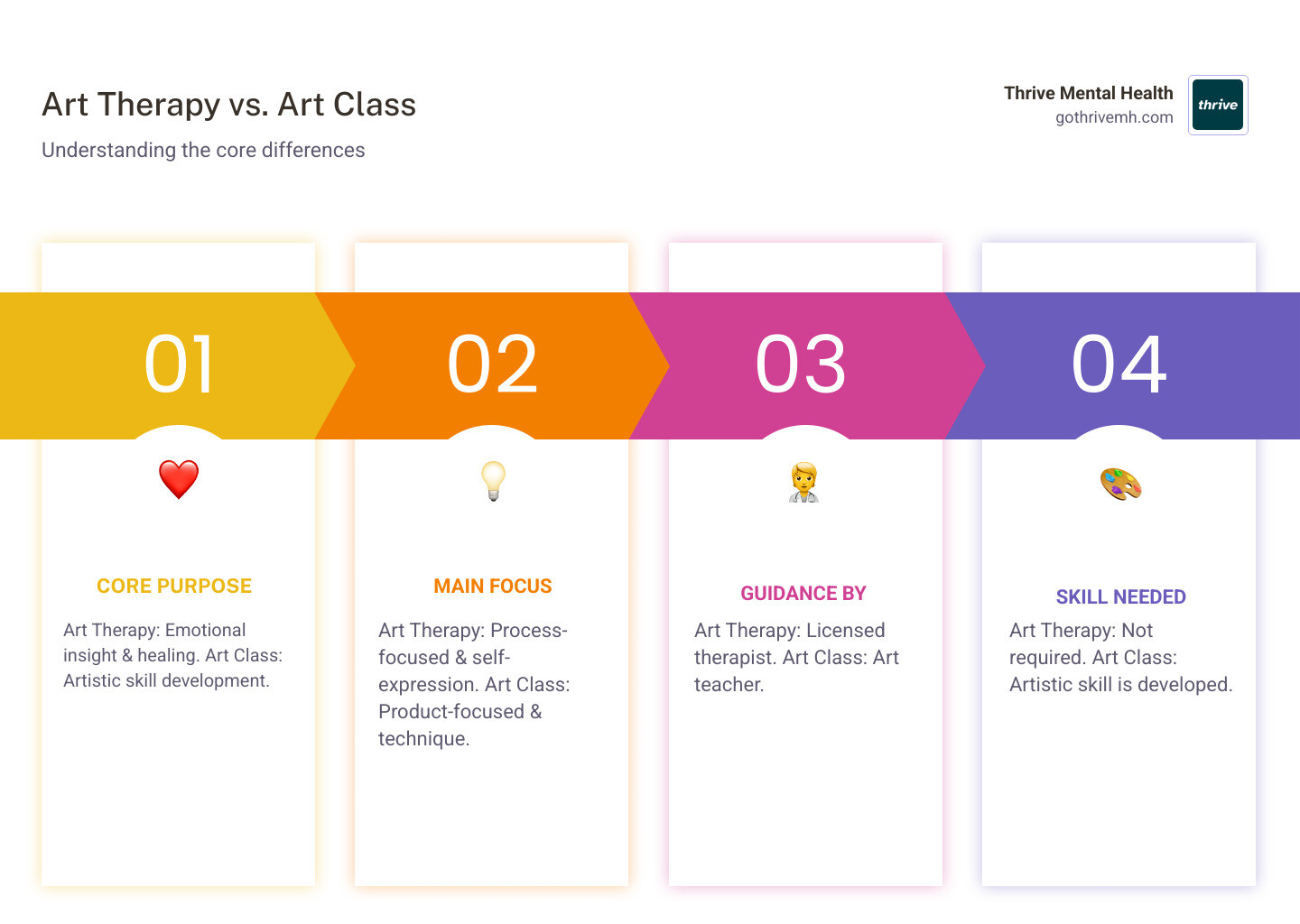
Art therapy for students is not an art class. While both use creative materials, their goals are fundamentally different. An art class focuses on technique and the final product. Art therapy focuses on the emotional process and self-findy, guided by a licensed therapist in a non-judgmental space.
| Feature | Art Therapy | Art Class |
|---|---|---|
| Primary Goal | Emotional insight, healing, self-awareness | Artistic skill development, technique mastery |
| Focus | The process of creation and self-expression | The final product and its aesthetic quality |
| Guidance By | Licensed Art Therapist | Art Teacher |
| Artistic Skill | Not required; creativity is innate | Developed and refined |
| Environment | Therapeutic, safe, non-judgmental | Educational, often with critique |
| Outcome | Personal growth, coping strategies, insight | Improved artistic ability, finished artwork |
If you’re a student struggling with stress or burnout, you don’t need to be “good at art” to benefit. At Thrive Mental Health, we integrate art therapy into our virtual IOP programs for students in Florida, providing flexible, evidence-based care.
The Proven Benefits of Art Therapy for Students [Stress & Anxiety Relief]

Being a student today is exhausting. The constant academic and social pressure leads to burnout, anxiety, and self-doubt. Art therapy for students offers a space to drop the pressure and process what you’re carrying without needing the right words.
Research shows that creative expression lowers stress hormones, reduces symptoms of anxiety and depression, and builds emotional resilience. When words fail, art becomes the language for healing.
How Art Therapy Tackles Academic and Social Pressure
Art therapy is a practical tool for managing the constant hum of expectation. It helps with:
- Stress Management: When you’re facing exam anxiety and deadlines, art-making activates the body’s relaxation response. The physical act of creating, like molding clay, can be a powerful way to release tension.
- Combating Perfectionism: Art therapy has no grades or rubrics. It shifts the focus from a perfect outcome to the process of self-findy, easing the pressure to perform.
- Building Social Connection: In group settings, creating art together builds a sense of community without competition. It fosters communication skills and confidence as students realize they aren’t alone in their struggles.
Boosting Creativity and Problem-Solving Skills
Art therapy also sharpens your brain in ways that help with school and life. It trains you to think outside the box by exploring different solutions without fear of failure.
Visualizing solutions through drawing or sculpting engages metaphorical thinking, helping you see challenges in new ways. Activities like detailed doodling also improve focus and mental stamina. These cognitive benefits lead to clearer thinking and greater flexibility, which are transformative for students balancing academics and mental health.
At Thrive Mental Health, we integrate art therapy for students into our Florida-based programs because healing involves the whole person. Learn more about our treatment modalities and how we combine creative approaches with evidence-based care.
5 Simple Art Therapy Activities Students Can Do Today (No Talent Required)

You don’t need to be an artist or have expensive supplies to benefit from art therapy for students. These DIY exercises are powerful self-care tools that fit into any busy schedule. The focus is on the process, not the product.
1. The “Brain Dump” Doodle
When your mind is cluttered, grab a pen and paper and just draw. Let your hand move without thinking, lines, circles, scribbles. This practice of mindful doodling for calm helps empty your mental overflow onto the page, quieting the noise in your head. There are no expectations, no rules.
2. Create a “Words to Live By” Collage
Visualize your values and goals. Gather old magazines, scissors, and glue. Cut out words, phrases, and images that speak to you, like “courage” or a picture representing a goal. Arrange them on a piece of paper to create a visual reminder of your inner compass. This Words to Live By activity is great for building supportive self-talk.
3. Sculpt Your Stress with Clay
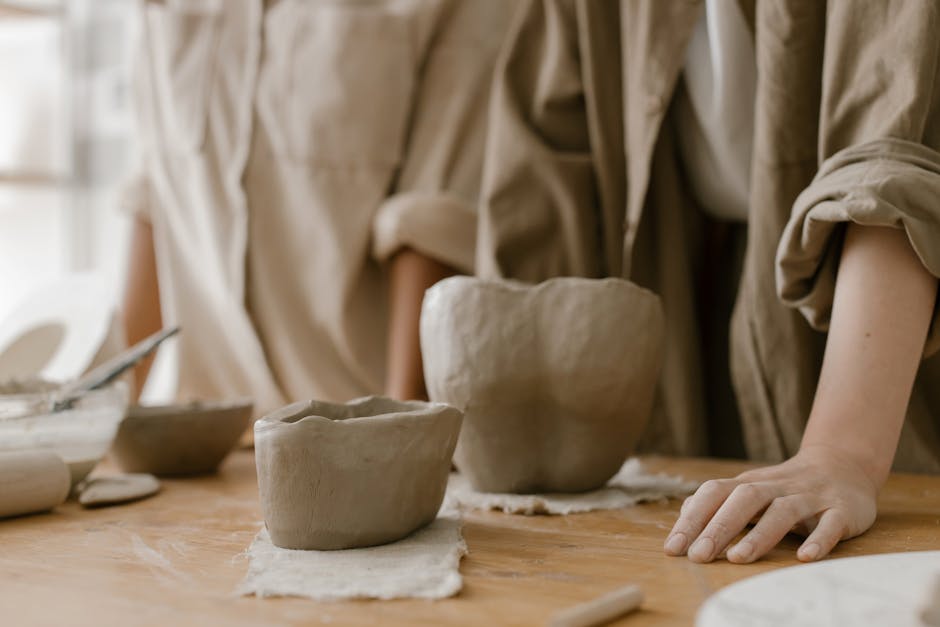
Working with your hands provides a unique tactile release. Use air-dry clay or playdough to sculpt what your stress looks like. Squeezing, pounding, and shaping the clay gives your emotions a physical form. As noted by Spotted Rabbit Studio, this can be a metaphor for personal growth. The process itself is what matters.
An Honest Review of South Bend Mental Health Programs for AdultsMental Health4. The Two-Sided Mask
This activity helps you explore the gap between your inner and outer self. On one side of a paper plate or mask, decorate how you think others see you. On the other side, create your “inner self”, how you truly feel. Mask making is a powerful way to explore identity, self-perception, and personal growth.
5. Mandala for Mindfulness
To quiet a racing mind, draw or color a mandala (a circular design). The repetitive nature of creating patterns from the center outward is meditative. Research from the National Library of Medicine confirms that coloring mandalas can reduce anxiety. It’s a perfect tool for anxiety reduction during stressful times.
These activities are just a starting point. If you find them helpful and want deeper support, connecting with a licensed professional in Florida is the next step.
When to Seek Professional Help: Finding a Licensed Art Therapist

Self-guided art activities are great for everyday stress, but sometimes you need more. When DIY exercises aren’t enough, a licensed art therapist provides the deeper support needed for healing.
For students in Florida, many insurance plans like Cigna, Optum, and Florida Blue cover art therapy within a structured program like an IOP or PHP. Always verify your benefits to see what’s available.
What Does a Licensed Art Therapist Do?
A licensed art therapist is a trained mental health professional with a Master’s degree in art therapy and extensive clinical training. Certified by the Art Therapy Credentials Board (ATCB), they do more than just hand you supplies. Art Therapy Credentials Board (ATCB). Within a psychotherapeutic relationship, they use art-based assessments, set treatment goals, and integrate applied psychological theory to help you process emotions, manage anxiety, and build self-esteem through the creative process.
Signs It’s Time to Connect with a Therapist
If you’re wondering whether you need more support, trust that instinct. It’s time to seek professional help if you’re experiencing:
- Overwhelming stress that interferes with daily life.
- Persistent anxiety or depression that won’t go away.
- Difficulty coping when your usual strategies no longer work.
- Emotions related to trauma, grief, or life transitions that feel too big to handle alone.
When you’re ready for structured support, Thrive Mental Health integrates art therapy for students into our virtual IOP program across Florida. More info about our virtual IOP programs.
Frequently Asked Questions about Art Therapy for Students
Here are straight answers to the most common questions about art therapy for students.
What mental health issues can art therapy help students with?
Art therapy for students is effective for managing anxiety, depression, stress, academic burnout, and trauma. Because it’s non-verbal, it provides an outlet for emotions that are too complex or raw to put into words. It also helps with everyday challenges like self-doubt and social challenges, building resilience to handle pressure.
Do I need to be good at art to benefit from art therapy?
Absolutely not. This is the biggest misconception. Art therapy is about the creative process, not the final product. The goal is self-expression and emotional exploration. There is zero judgment on artistic skill, your stick figures are just as valid as a detailed portrait. The art is simply a tool for healing.
How much does art therapy cost and does insurance cover it?
Costs vary, but many insurance plans cover art therapy when it’s part of a structured mental health program like an Intensive Outpatient Program (IOP). In Florida, major carriers like Cigna, Aetna, Optum, and Florida Blue often provide coverage. The best way to know for sure is to verify your benefits. At Thrive, you can verify your insurance in about 2 minutes or call us at 561-203-6085 to discuss your options.
Integrate Art into Your Life: Next Steps for Mental Wellness

The real power of art therapy for students comes from making it a consistent part of your routine. Small creative practices can become anchors that help you reset, reflect, and reconnect with yourself during stressful times.
How to Integrate Art Therapy for Students into a Daily Routine
- Try 5-Minute Doodles: Keep a sketchbook by your bed and doodle before sleep to quiet racing thoughts.
- Start a Visual Journal: Combine words with images, colors, and symbols to express your day instead of just writing about it.
- Schedule Creative Time: Block out 15-30 minutes a few times a week for art, just like a workout. Consistency builds the habit.
- Make Gratitude Art: Create small sketches or collages representing something you’re grateful for to shift your perspective.
- Use Art for Reflection: After a tough experience, draw how it felt using colors and shapes to process the emotion and let it go.
Taking the Next Step Toward Healing
Art therapy for students is a pathway to understanding yourself and building skills to thrive. While DIY activities are helpful, sometimes professional support is necessary for persistent anxiety or overwhelming stress.
At Thrive Mental Health, we integrate expressive therapies like art therapy into our evidence-based IOP program. We offer virtual and hybrid programs with flexible evening options across Florida, combining clinical expertise with real-world flexibility.
Ready for support? Thrive offers virtual IOP programs with evening options for students in Florida. Verify your insurance in 2 minutes (no obligation) → Start benefits check or call 561-203-6085. If you’re in crisis, call/text 988.

This article is for informational purposes only and is not a substitute for individualized clinical advice or insurance verification.